
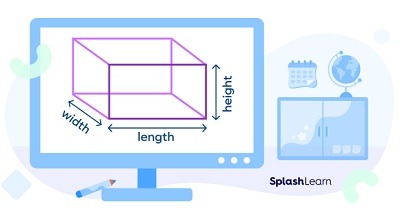
Dimension
In the context of e-commerce, “dimension” typically refers to the physical measurements of a product. Dimensions are important for various aspects of e-commerce operations, including inventory management, packaging, shipping, and customer experience. Here are a few key dimensions that are often considered in e-commerce:
- Product Dimensions:
- Length: The measurement from one end of the product to the other.
- Width: The measurement of the product from side to side.
- Height: The measurement of the product from top to bottom.
- Weight: The physical weight of the product.
- Packaging Dimensions:
- Package Length: The measurement of the outer dimensions of the packaging used to ship the product.
- Package Width: The measurement of the width of the packaging.
- Package Height: The measurement of the height of the packaging.
- Package Weight: The weight of the packaging material and the product combined.
- Shipping Dimensions:
- Dimensional Weight: Some shipping carriers calculate shipping charges based on dimensional weight, which considers the package’s size rather than just its weight. It is calculated using the package’s dimensions and a dimensional weight formula provided by the carrier.
- Storage and Warehouse Management:
- Product dimensions are essential for efficient storage and warehouse management, as they determine the space required to store the products.
- Accurate dimensions help optimize storage capacity, reduce damage to products during storage, and facilitate inventory management.
- Product Display and Customer Experience:
- Product dimensions are often displayed on e-commerce websites to provide customers with an idea of the product’s size.
- Including accurate dimensions helps customers make informed purchasing decisions and manage their expectations regarding the physical size of the product.
- Shipping and Logistics:
- Shipping carriers require accurate product dimensions to calculate shipping costs and determine the appropriate packaging and shipping methods.
- Properly considering the dimensions can help avoid dimensional weight surcharges, ensure efficient use of shipping space, and minimize the risk of damage during transit.
- Returns and Exchanges:
- Accurate product dimensions are crucial for managing returns and exchanges, especially when determining if a returned item matches the original shipped product’s dimensions.
- Properly documenting dimensions can help ensure fair and accurate returns processing.
In summary, dimensions play a vital role in e-commerce, from product listings to packaging, shipping, and customer satisfaction. Accurate measurement and documentation of product dimensions help optimize inventory management, streamline shipping processes, enhance customer experience, and facilitate efficient e-commerce operations.
What is required Dimension
Required dimensions refer to the specific measurements that are necessary or mandatory for a particular purpose or task. The specific required dimensions can vary depending on the context. Here are a few examples:
- Manufacturing and Engineering:
- Required dimensions for manufacturing typically include precise measurements of components, parts, or products to ensure proper fit, functionality, and adherence to design specifications.
- Engineering drawings and blueprints often specify the required dimensions for different features, tolerances, and geometric properties.
- Construction and Architecture:
- In construction and architecture, required dimensions are essential for planning, designing, and constructing buildings or structures.
- These dimensions include the size and layout of rooms, walls, doors, windows, ceilings, and other structural elements.
- Transportation and Logistics:
- Required dimensions are crucial in transportation and logistics to ensure compatibility, safety, and efficient use of space.
- For example, shipping containers, cargo holds, truck trailers, and loading docks have specific required dimensions to accommodate different types of goods and equipment.
- Packaging and Shipping:
- Required dimensions in packaging and shipping refer to the specific size and weight limitations set by shipping carriers or postal services.
- Packages must meet the required dimensions to ensure proper handling, efficient use of space, and accurate calculation of shipping costs.
- Regulatory and Compliance:
- Certain industries and products have regulatory requirements regarding dimensions for safety, security, or standardization purposes.
- Examples include minimum clearances for electrical equipment, maximum weight and size restrictions for vehicles, or standardized dimensions for pharmaceutical packaging.
- User Experience and Ergonomics:
- In product design and user experience, required dimensions consider human factors and ergonomics.
- These dimensions help ensure that products, interfaces, or spaces are designed to be comfortable, accessible, and user-friendly.
It’s important to note that the specific required dimensions will vary depending on the industry, application, and regulatory requirements. Compliance with the required dimensions is essential to meet standards, ensure compatibility, optimize functionality, and maintain safety and quality standards in various domains.
Who is required Dimension
The concept of “who” in relation to required dimensions may refer to the individuals or entities responsible for determining or specifying the dimensions. The specific “who” can vary depending on the context. Here are a few examples:
- Engineers and Designers:
- Engineers and designers play a significant role in determining required dimensions in various fields, such as manufacturing, construction, and product design.
- They analyze requirements, create blueprints, drawings, or digital models, and specify the dimensions necessary for the desired functionality, fit, and performance of a product or structure.
- Architects:
- Architects are responsible for designing buildings and structures.
- They establish the required dimensions for rooms, spaces, and structural elements based on functional and aesthetic considerations.
- Regulatory and Standards Bodies:
- Government agencies, industry regulatory bodies, and standards organizations often set required dimensions for specific applications.
- These entities develop and enforce regulations and standards to ensure safety, compliance, and interoperability.
- Examples include building codes, safety standards for equipment, or industry-specific dimensional standards.
- Shipping Carriers and Postal Services:
- Shipping carriers and postal services establish specific dimensional requirements for packages to ensure efficient transportation, space utilization, and fair pricing.
- They set limitations on the size, weight, and shape of packages that can be shipped through their networks.
- Product Manufacturers and Suppliers:
- Manufacturers and suppliers determine required dimensions for their products based on design specifications, market demand, and industry standards.
- They ensure that products meet the necessary dimensional requirements to perform their intended functions and fit within relevant systems or structures.
- Regulatory Agencies:
- Regulatory agencies in various industries, such as transportation, aviation, or healthcare, may require specific dimensions to ensure safety and compliance.
- For example, vehicle manufacturers must adhere to regulations governing the dimensions of vehicles to ensure road safety.
It’s important to consult the appropriate experts, guidelines, regulations, and standards relevant to a specific industry or application to determine the required dimensions. These experts and organizations have the knowledge and authority to establish the necessary dimensions for a given context.
When is required Dimension
The concept of “when” in relation to required dimensions refers to the timing or circumstances under which specific dimensions are needed or become necessary. The timing of required dimensions can vary depending on the context. Here are a few examples:
- Design and Development Phase:
- Required dimensions are typically determined during the design and development phase of a product, structure, or system.
- Engineers, architects, and designers establish the necessary dimensions as part of the design process to ensure proper functionality, fit, and performance.
- Construction and Manufacturing:
- Required dimensions are crucial during the construction or manufacturing phase of a project.
- Builders, contractors, or manufacturers use the specified dimensions to guide their work and ensure accurate implementation.
- Prior to Production or Fabrication:
- Required dimensions are often finalized and documented before the production or fabrication process begins.
- This ensures that all parties involved have a clear understanding of the required dimensions and can proceed with their respective tasks accordingly.
- Compliance and Certification:
- In certain industries, compliance with required dimensions may be necessary to meet regulatory standards or obtain certifications.
- Compliance with dimensional requirements may need to be demonstrated and validated before a product, structure, or system can be approved or certified for use.
- Inspections and Quality Control:
- Required dimensions may be checked and verified during inspections and quality control processes.
- Inspectors and quality control personnel use specified dimensions as benchmarks to ensure that products or structures meet the required standards.
- Maintenance and Repairs:
- Required dimensions can also be relevant during maintenance and repair activities.
- For example, replacement parts or components need to adhere to specified dimensions to ensure proper fit and compatibility with existing systems or structures.
The timing of required dimensions will depend on the specific project, industry, or application. It is important to consider and establish the required dimensions at the appropriate stage to ensure accuracy, efficiency, and compliance with standards or regulations.
Where is required Dimension
The concept of “where” in relation to required dimensions refers to the specific locations or areas where the dimensions are necessary or applicable. The location of required dimensions can vary depending on the context. Here are a few examples:
- Product Design and Manufacturing:
- Required dimensions are typically applicable to the design and manufacturing of individual products or components.
- This includes the dimensions of parts, features, or interfaces that need to meet specific size, shape, or tolerance requirements.
- Construction and Architecture:
- Required dimensions are crucial in the construction and architecture industry, where they apply to buildings, structures, or spaces.
- This includes dimensions related to room sizes, floor plans, door and window openings, ceiling heights, and structural elements.
- Engineering and Mechanical Systems:
- Required dimensions are relevant in engineering and mechanical systems, such as machinery, equipment, or mechanical assemblies.
- This includes dimensions related to the proper fit, alignment, and functionality of components within the system.
- Transportation and Infrastructure:
- Required dimensions are applicable to transportation and infrastructure projects.
- This includes dimensions related to roads, bridges, tunnels, railway tracks, airport runways, or shipping channels.
- Packaging and Shipping:
- Required dimensions are significant in packaging and shipping operations.
- This includes dimensions related to the size, weight, and shape of packages to ensure efficient handling, storage, and transportation.
- Spatial Planning and Urban Design:
- Required dimensions are relevant in spatial planning and urban design.
- This includes dimensions related to land use, zoning regulations, setback requirements, and building density.
- Industrial and Manufacturing Facilities:
- Required dimensions are applicable to industrial and manufacturing facilities.
- This includes dimensions related to factory layouts, production lines, machinery placement, and clearance requirements.
- Regulatory and Compliance:
- Required dimensions are often specified by regulatory bodies or compliance standards.
- This can apply to various industries, such as healthcare, where dimensions for medical devices or equipment may be regulated.
The specific locations or areas where required dimensions are necessary will depend on the industry, application, and relevant regulations or standards. It is essential to identify and adhere to the required dimensions in the specific context to ensure compliance, functionality, and safety.
How is required Dimension
The concept of “how” in relation to required dimensions refers to the manner in which dimensions are determined, measured, and applied. The process of establishing and using required dimensions can vary depending on the context. Here are some key aspects of how required dimensions are handled:
- Dimensional Analysis:
- Required dimensions are typically determined through dimensional analysis, which involves assessing the functional requirements, constraints, and specifications of a product, structure, or system.
- Engineers, designers, or architects analyze the intended purpose and desired performance to identify the key dimensions that need to be considered.
- Measurement and Documentation:
- Required dimensions are measured using appropriate tools and techniques.
- Precision measuring instruments such as rulers, calipers, micrometers, or laser measurement devices may be used to obtain accurate measurements.
- The measured dimensions are then documented and recorded to ensure consistency and traceability. ckaging
- Design and CAD Software:
- Computer-Aided Design (CAD) software is often used to create digital models and drawings that incorporate the required dimensions.
- Designers can input the specified dimensions into the software, which helps visualize and verify the design against the desired requirements.
- Tolerance Analysis:
- Required dimensions are accompanied by tolerance specifications, which define the allowable deviation from the specified dimensions.
- Tolerance analysis is performed to ensure that the manufactured or constructed item falls within acceptable limits and meets the desired functionality.
- Quality Control and Inspection:
- Required dimensions are verified during quality control and inspection processes.
- Inspectors use measurement tools and techniques to compare the actual dimensions of a product or structure against the required dimensions.
- This helps identify any deviations or non-conformities that may need to be addressed.
- Compliance and Standards:
- Required dimensions often need to comply with industry standards, regulations, or specifications.
- Compliance with these standards ensures compatibility, safety, and interoperability within a specific industry or market.
- Iterative Process:
- Establishing required dimensions can be an iterative process, involving feedback, revisions, and adjustments.
- As products or structures evolve through the design and manufacturing phases, dimensions may be refined based on testing, prototyping, and feedback from stakeholders.
It is crucial to follow established procedures, guidelines, and standards in determining and applying required dimensions. Attention to detail, accurate measurement, proper documentation, and adherence to applicable standards contribute to ensuring that required dimensions are met effectively and consistently.
Case study on Dimension
Title: Dimensional Considerations in Automotive Design: A Case Study
Abstract: This case study focuses on the importance of dimensional considerations in the automotive industry. It explores how precise and accurate dimensions are critical for achieving functional and aesthetic goals in the design and manufacturing of automobiles. The case study examines the impact of dimensions on various aspects of automotive development, including safety, ergonomics, manufacturing efficiency, and customer satisfaction.
Introduction: The automotive industry is highly competitive, with manufacturers constantly striving to create innovative and appealing vehicles. Achieving the desired performance, aesthetics, and functionality requires meticulous attention to dimensional considerations throughout the design and manufacturing process. This case study highlights the significance of dimension in automotive design and how it influences different stages of development.
Case Study Overview:
- Design Phase:
- The case study delves into how dimensional requirements guide the initial design process. It discusses the importance of considering dimensions in defining vehicle proportions, interior space, and exterior styling.
- It examines how designers use dimensional constraints to ensure proper placement of components, such as engine, suspension, and seating, to optimize performance, safety, and comfort.
- Engineering and Prototyping:
- The case study explores how precise dimensions are crucial during the engineering phase. It discusses how accurate measurements and dimensional tolerances contribute to the successful integration of complex systems, such as powertrain, chassis, and electrical components.
- It showcases how dimensional analysis and prototyping help identify potential fitment issues and enable engineers to optimize the design for manufacturing and assembly.
- Manufacturing and Quality Control:
- The case study examines the impact of dimensions on manufacturing efficiency and quality control processes. It discusses the use of advanced metrology techniques, such as coordinate measuring machines (CMMs) and laser scanning, to verify dimensional accuracy during production.
- It highlights the importance of maintaining tight dimensional control in critical areas to ensure proper alignment, structural integrity, and aesthetic appeal.
- Ergonomics and User Experience:
- The case study explores how dimensions influence ergonomics and user experience in automotive design. It discusses how seat dimensions, pedal placement, and driver interface are optimized for comfort, accessibility, and intuitive operation.
- It analyzes how precise dimensional considerations enhance occupant safety by determining optimal positioning of airbags, seatbelts, and structural reinforcements.
- Customer Satisfaction and Brand Image:
- The case study emphasizes the role of dimensions in customer satisfaction and brand image. It discusses how perceived quality is influenced by consistent panel gaps, flush-fitting body components, and overall dimensional harmony.
- It showcases examples of successful automotive designs that have achieved a distinctive visual appeal through meticulous attention to dimensions.
Conclusion: The case study concludes by emphasizing the crucial role of dimensional considerations in automotive design. It highlights that accurate and precise dimensions are vital for achieving the desired performance, safety, aesthetics, and customer satisfaction. It emphasizes the need for collaboration among designers, engineers, and manufacturing teams to ensure seamless integration of dimensions throughout the automotive development process. By focusing on dimensional excellence, automakers can create vehicles that stand out in the market, meeting the expectations of discerning customers.
White paper on Dimension
Title: Dimension: The Crucial Element in Design, Manufacturing, and Quality Control
Abstract: This white paper explores the importance of dimensions in various industries, emphasizing their critical role in design, manufacturing, and quality control processes. It provides an in-depth analysis of how accurate and precise dimensions contribute to product performance, functionality, aesthetics, and customer satisfaction. The white paper discusses the challenges associated with dimensional control and offers strategies for effectively managing dimensions throughout the product lifecycle.
Table of Contents:
- Introduction
- The significance of dimensions in modern industries
- The impact of dimensions on product success
- Understanding Dimensions
- Definition and importance of dimensions
- Key dimensional terms and concepts
- Dimensions in Design
- The role of dimensions in design intent and concept development
- Dimensional considerations for functional requirements and aesthetics
- The influence of dimensions on ergonomics and user experience
- Dimensions in Manufacturing
- The importance of accurate dimensions in manufacturing processes
- Dimensional control techniques and methodologies
- The impact of dimensional variations on product quality and performance
- Case studies showcasing the relationship between dimensions and manufacturing efficiency
- Dimensions in Quality Control
- Dimensional inspection and measurement methods
- Statistical analysis for dimensional variation control
- Dimensional tolerances and their significance in quality control
- Strategies for ensuring dimensional consistency and conformity
- Challenges in Dimensional Control
- Common challenges in managing dimensions across the product lifecycle
- Dealing with dimensional stack-up and tolerance accumulation
- Addressing the impact of environmental factors on dimensions
- Overcoming measurement uncertainties and limitations
- Best Practices for Dimensional Management
- Implementing a robust dimensional management system
- Collaboration between design, manufacturing, and quality control teams
- Utilizing advanced measurement technologies and software
- Integrating virtual simulations and modeling for dimensional optimization
- Future Trends and Innovations
- Emerging technologies shaping dimensional control
- Industry 4.0 and the impact on dimensional management
- Dimensional control in the era of additive manufacturing and customization
- Conclusion
- The crucial role of dimensions in achieving product excellence
- The benefits of effective dimensional management
- Key takeaways and recommendations for successful dimensional control
This white paper serves as a comprehensive resource for professionals in design, manufacturing, quality control, and related fields, providing valuable insights into the significance of dimensions and strategies for effective dimensional management. By understanding the critical role of dimensions, industries can enhance product performance, streamline manufacturing processes, and ensure customer satisfaction through consistent and accurate dimensional control.