
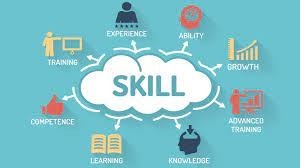
Skills and Competence innovation
Innovation skills and competence are crucial in today’s rapidly evolving business and technology landscape. Being innovative involves not only generating creative ideas but also implementing them effectively to create value, solve problems, and drive growth. Here are some key skills and competencies related to innovation:
1. Creativity:
- The ability to think creatively, generate new ideas, and see connections between seemingly unrelated concepts.
- Techniques like brainstorming, mind mapping, and lateral thinking can help boost creativity.
2. Critical Thinking:
- The capacity to evaluate ideas, solutions, and opportunities critically.
- Analyzing information, identifying assumptions, and making informed decisions are critical thinking skills.
3. Problem-Solving:
- Proficiency in identifying problems, analyzing root causes, and developing innovative solutions.
- Design thinking and problem-solving frameworks like the “5 Whys” and SWOT analysis can be valuable.
4. Collaboration and Teamwork:
- Working effectively in teams, leveraging diverse perspectives, and facilitating collaborative innovation.
- Communication, empathy, and active listening are essential for successful collaboration.
5. Adaptability and Flexibility:
- Being open to change, adapting to new circumstances, and embracing uncertainty.
- These skills are crucial for responding to dynamic market conditions and emerging opportunities.
6. Communication:
- Effectively conveying ideas, proposals, and innovation concepts to different stakeholders, including non-technical audiences.
- Storytelling and visual communication skills can enhance the impact of your ideas.
7. Technical Proficiency:
- Depending on your field, having a deep understanding of relevant technologies and tools can be essential for implementing innovative solutions.
- Continuous learning and staying updated with industry trends are vital.
8. Business Acumen:
- Understanding the economic and strategic aspects of innovation, including market analysis, business models, and return on investment (ROI).
- The ability to align innovation efforts with organizational goals is crucial.
9. Risk Management:
- Assessing and mitigating risks associated with innovative projects.
- Balancing risk-taking with risk mitigation strategies to maximize the chances of success.
10. Resilience: – Handling setbacks, failures, and challenges that often accompany innovation initiatives. – Resilience helps individuals and teams bounce back and learn from their experiences.
11. Project Management: – Efficiently managing innovation projects, setting goals, timelines, and budgets. – Project management methodologies like Agile or Scrum are often used in innovation contexts.
12. Customer-Centricity: – Focusing on understanding customer needs, preferences, and pain points to develop innovations that truly meet user demands. – Techniques like user-centered design and customer journey mapping can be helpful.
13. Ethical Considerations: – Being aware of ethical issues related to innovation, such as privacy, data security, and social responsibility. – Ensuring that innovation initiatives adhere to ethical standards and legal regulations.
14. Continuous Learning and Curiosity: – A commitment to ongoing learning and staying curious about new ideas, technologies, and industry trends. – Lifelong learning is a fundamental aspect of maintaining innovation skills.
15. Leadership: – Inspiring and leading teams toward innovation goals. – Transformational leadership can create a culture of innovation within an organization.
16. Networking: – Building a network of contacts in your industry or field to exchange ideas, gain insights, and explore collaboration opportunities.
Cultivating these skills and competencies can empower individuals and organizations to innovate effectively, adapt to change, and drive success in today’s dynamic and competitive environment.
What is required Skills and Competence innovation
Innovation is a critical driver of progress and competitiveness in today’s fast-paced world. To foster innovation, individuals and organizations need a combination of skills and competencies. Here is a list of the essential skills and competencies required for innovation:
1. Creativity:
- The ability to generate new and original ideas.
- Thinking outside the box and making connections between seemingly unrelated concepts.
2. Critical Thinking:
- Evaluating ideas, solutions, and opportunities analytically.
- Identifying assumptions, assessing risks, and making informed decisions.
3. Problem-Solving:
- Identifying problems, understanding their root causes, and developing effective solutions.
- Using problem-solving frameworks like design thinking or the scientific method.
4. Adaptability:
- Being open to change and embracing uncertainty.
- Adapting to new circumstances and adjusting strategies as needed.
5. Learning Agility:
- The willingness and ability to quickly learn and apply new skills, knowledge, and technologies.
- A commitment to continuous learning and self-improvement.
6. Collaboration:
- Working effectively in teams and across disciplines.
- Leveraging diverse perspectives and skills to drive innovation.
7. Communication:
- Effectively conveying ideas, concepts, and solutions to both technical and non-technical audiences.
- Storytelling and visual communication skills to engage and persuade stakeholders.
8. Risk Management:
- Identifying, assessing, and mitigating risks associated with innovative projects.
- Balancing calculated risk-taking with risk mitigation strategies.
9. Resilience:
- The ability to bounce back from failures, setbacks, and challenges.
- Learning from experiences and using them to fuel future innovation.
10. Customer-Centricity: – Understanding customer needs, preferences, and pain points. – Developing products, services, or solutions that align with user demands.
11. Business Acumen: – Understanding the economic and strategic aspects of innovation. – Identifying market opportunities, assessing competitive landscapes, and ensuring alignment with business goals.
12. Ethical Considerations: – Being aware of ethical issues related to innovation, such as data privacy and social responsibility. – Ensuring that innovation efforts adhere to ethical standards and legal regulations.
13. Project Management: – Efficiently managing innovation projects, including setting goals, timelines, and budgets. – Utilizing project management methodologies like Agile, Scrum, or Lean.
14. Leadership: – Inspiring and guiding teams toward innovation goals. – Creating a culture of innovation within an organization through transformational leadership.
15. Networking: – Building a strong professional network to exchange ideas, gain insights, and explore collaboration opportunities. – Leveraging external expertise and resources.
16. Systems Thinking: – Understanding how various components and processes within an organization or ecosystem interact. – Recognizing the broader implications of innovations.
17. Data Analysis: – Utilizing data analytics and interpretation to make informed decisions and identify trends. – Leveraging data to drive innovation strategies.
18. Experimentation and Prototyping: – Willingness to experiment, test hypotheses, and create prototypes to validate ideas. – Embracing a “fail-fast” mentality to learn and iterate.
19. Strategic Thinking: – The ability to develop a clear innovation strategy aligned with overall business objectives. – Prioritizing and allocating resources effectively.
20. Cultural Awareness: – Understanding and appreciating cultural differences and perspectives, especially in a globalized context.
These skills and competencies are essential for fostering innovation, whether on an individual level or within an organization. Combining these capabilities with a culture that encourages and supports innovation can lead to the successful development and implementation of innovative ideas and solutions.
Who is required Skills and Competence innovation
Innovation is not limited to any specific group or role within an organization; it’s a capability that can be nurtured and developed by individuals across various departments and levels. Here’s a breakdown of who can benefit from skills and competencies related to innovation:
1. Executives and Leaders:
- Top-level executives, including CEOs and CTOs, need to champion innovation and set the tone for the entire organization.
- They should possess strategic thinking skills to align innovation efforts with the organization’s goals and allocate resources effectively.
2. Managers and Team Leaders:
- Middle managers play a crucial role in fostering a culture of innovation within their teams.
- They should have leadership skills to motivate and guide their teams toward innovative solutions.
3. Employees in All Roles:
- Innovation is not exclusive to specific job titles. Everyone in the organization can contribute.
- Employees should be encouraged to develop creativity, critical thinking, and problem-solving skills.
4. Research and Development (R&D) Teams:
- R&D professionals are often at the forefront of innovation, responsible for developing new products, services, or technologies.
- They require technical expertise and the ability to experiment and prototype.
5. Product and Project Managers:
- These professionals bridge the gap between business objectives and innovation implementation.
- They need skills in project management, data analysis, and customer-centric thinking.
6. Design and User Experience (UX) Teams:
- Designers and UX experts focus on creating user-friendly and innovative products or interfaces.
- Their skills include user research, prototyping, and creative problem-solving.
7. Sales and Marketing Teams:
- Sales and marketing professionals should understand customer needs and market trends to identify opportunities for innovation.
- They require communication and market analysis skills.
8. IT and Technology Specialists:
- IT professionals play a critical role in implementing technological innovations.
- They need technical expertise and adaptability to work with evolving technologies.
9. Customer Support and Service Teams:
- Frontline staff often interact with customers and can provide valuable insights for innovation.
- They should have effective communication and empathy skills to understand customer pain points.
10. Cross-Functional Teams: – Collaborative teams with members from various departments can bring diverse perspectives to innovation challenges. – Effective teamwork and collaboration skills are essential.
11. Entrepreneurs and Start-up Founders: – Entrepreneurs need a wide range of skills, including creativity, adaptability, and business acumen, to innovate and bring new ideas to market.
12. Educators and Trainers: – Those responsible for training and development can teach innovation skills and competencies to employees. – They need expertise in adult education and instructional design.
13. Consultants and Innovation Specialists: – Consultants often guide organizations in developing innovation strategies and implementing best practices. – They require expertise in innovation methodologies and change management.
14. Research Institutions and Academia: – Researchers and educators in universities and research organizations drive innovation through academic research and teaching.
Innovation is most effective when it’s a collective effort, with individuals from various roles and backgrounds contributing their skills and competencies. To foster a culture of innovation, organizations should encourage continuous learning and provide opportunities for employees to develop and apply their innovation-related skills.
When is required Skills and Competence. Innovation
Skills and competencies related to innovation are required in various situations and contexts. Here are some common scenarios and contexts where these skills and competencies become essential:
- New Product Development: When a company aims to create and launch new products or services, innovation skills are crucial. This includes identifying market opportunities, designing innovative solutions, and bringing them to market.
- Problem Solving: Innovation skills are required when facing complex problems or challenges. Individuals and teams with strong problem-solving and creative thinking abilities can come up with innovative solutions.
- Business Growth: As organizations seek to grow and expand, they often need to innovate their business models, processes, and strategies. Innovation competencies are essential for identifying new growth avenues.
- Technological Advancements: In the rapidly evolving technology landscape, IT professionals and engineers need innovation skills to develop and adapt to emerging technologies.
- Competitive Markets: In highly competitive markets, companies must continuously innovate to differentiate themselves from competitors and stay ahead.
- Entrepreneurship: Entrepreneurs and startup founders rely heavily on innovation skills to create unique value propositions and disrupt traditional markets.
- Digital Transformation: Businesses undergoing digital transformation initiatives need innovation to leverage digital technologies effectively and improve customer experiences.
- Sustainability and Environmental Challenges: Addressing environmental and sustainability challenges often requires innovative thinking to develop eco-friendly solutions and practices.
- Customer-Centricity: To meet changing customer expectations, organizations must innovate their products, services, and user experiences to remain relevant.
- Crisis Response: During crises, such as the COVID-19 pandemic, innovation skills are necessary to adapt to new circumstances and develop innovative solutions to unexpected challenges.
- Research and Development: Research institutions, laboratories, and academic settings rely on innovation skills to drive discoveries, develop new technologies, and advance knowledge.
- Globalization: In a globalized world, understanding different cultures and markets and adapting products and services to diverse audiences require innovative thinking.
- Social Innovation: Addressing social and humanitarian issues, such as poverty, healthcare, and education, often involves innovative approaches and solutions.
- Education and Training: Teachers, trainers, and educators need innovation skills to create engaging and effective learning experiences for students and learners.
- Government and Public Policy: Government agencies can benefit from innovation in developing policies and solutions to address societal challenges.
- Nonprofits and NGOs: Organizations in the nonprofit sector often rely on innovation to find new ways to address social and environmental issues.
In essence, innovation skills and competencies are valuable across a wide range of situations and industries. They enable individuals and organizations to adapt, grow, and thrive in an ever-changing world. Whether it’s in the business world
Where is required Skills and Competence. Innovation
Skills and competence in innovation are required in various industries and sectors where creativity, problem-solving, and adaptability are crucial for driving progress, staying competitive, and addressing complex challenges. Here are some specific areas where these skills and competencies are in demand:
- Technology and IT: The technology sector constantly evolves, demanding innovation in software development, hardware design, cybersecurity, and emerging technologies like artificial intelligence and blockchain.
- Healthcare and Life Sciences: Innovations in healthcare involve medical research, drug discovery, healthcare delivery, telemedicine, and the development of medical devices and therapies.
- Manufacturing and Engineering: Manufacturing industries require innovation in process optimization, supply chain management, product design, and the integration of automation and Industry 4.0 technologies.
- Finance and Fintech: The financial sector needs innovation in areas like digital banking, payment systems, financial analytics, and blockchain-based financial services.
- Aerospace and Space Exploration: The aerospace industry depends on innovation for spacecraft design, propulsion systems, satellite technology, and space exploration missions.
- Energy and Sustainability: Innovations are needed to develop renewable energy sources, energy-efficient technologies, and sustainable practices to address environmental challenges.
- Education and EdTech: Educational institutions and edtech companies rely on innovation to improve learning experiences, digital education tools, and personalized learning platforms.
- Government and Public Sector: Governments require innovation in public policy, e-governance solutions, smart cities, and social programs to improve citizen services and address societal challenges.
- Transportation and Automotive: Innovations in transportation include electric vehicles, autonomous driving technology, smart mobility solutions, and sustainable transportation systems.
- Retail and Consumer Goods: The retail industry benefits from
How is required Skills and Competence. innovation
Skills and competencies related to innovation are essential for individuals and organizations seeking to foster a culture of innovation and drive creative solutions. Here’s how these skills and competencies are required and applied:
1. Idea Generation:
- Creativity: The ability to think creatively, generate new ideas, and make connections between seemingly unrelated concepts.
- Brainstorming: Techniques like brainstorming sessions encourage idea generation within teams.
2. Problem-Solving:
- Critical Thinking: Evaluating problems and potential solutions critically, identifying root causes, and making informed decisions.
- Design Thinking: Applying a structured problem-solving approach that focuses on user-centric solutions.
3. Adaptability:
- Embracing Change: Being open to change and adapting to new circumstances, technologies, and market conditions.
- Agility: Navigating uncertainty and rapidly changing environments with flexibility.
4. Learning Agility:
- Continuous Learning: Being willing and able to quickly learn and apply new skills, knowledge, and technologies.
- Self-Improvement: A commitment to personal and professional growth through learning experiences.
5. Collaboration:
- Teamwork: Working effectively in cross-functional teams, leveraging diverse perspectives and skills.
- Communication: Effective communication and active listening to foster collaboration.
6. Risk Management:
- Risk Assessment: Identifying, assessing, and mitigating risks associated with innovative projects.
- Balanced Risk-Taking: Striking a balance between calculated risk-taking and risk mitigation strategies.
7. Customer-Centricity:
- User Understanding: Understanding customer needs, preferences, and pain points to create products and services that align with user demands.
- User Testing: Collecting feedback from users to refine and improve innovations.
8. Business Acumen:
- Strategic Alignment: Understanding the economic and strategic aspects of innovation, aligning initiatives with business goals.
- Market Analysis: Identifying market opportunities, assessing competitive landscapes, and developing business cases.
9. Ethical Considerations:
- Ethical Awareness: Being aware of ethical issues related to innovation, such as data privacy and social responsibility.
- Compliance: Ensuring that innovation efforts adhere to ethical standards and legal regulations.
10. Project Management: – Efficient Project Execution: Managing innovation projects effectively, setting clear goals, timelines, and budgets. – Methodologies: Utilizing project management methodologies like Agile or Lean for innovation projects.
11. Leadership: – Inspirational Leadership: Inspiring and guiding teams toward innovation goals and creating a culture of innovation. – Supporting Innovation: Encouraging and enabling team members to explore and implement creative ideas.
Case study on Skills and Competence. Innovation
Certainly, let’s explore a fictional case study illustrating the importance of skills and competence in innovation.
Case Study: Innovate Tech Inc. – Fostering a Culture of Innovation
Background: Innovate Tech Inc. is a mid-sized technology company specializing in software development and IT services. The company has been facing increased competition and challenges in retaining top talent. Management recognized the need to foster a culture of innovation to stay competitive and attract and retain skilled employees.
Challenge: Innovate Tech Inc. needed to transform its organizational culture to encourage innovation at all levels of the company. They faced several challenges:
- Resistance to Change: The existing culture was risk-averse and resistant to change, hindering innovation efforts.
- Skills Gap: Many employees lacked the necessary skills and competencies to generate and implement innovative ideas.
- Low Employee Engagement: Employees felt disconnected from the innovation process, leading to low morale and job dissatisfaction.
Solution:
1. Leadership Commitment:
- The company’s leadership recognized the need for change and committed to fostering a culture of innovation. They communicated this commitment to all employees.
2. Training and Development:
- InnovateTech Inc. invested in training and development programs to equip employees with the skills and competencies necessary for innovation. This included courses on creative thinking, problem-solving, and design thinking.
3. Cross-Functional Teams:
- The company formed cross-functional innovation teams comprising employees from different departments to encourage collaboration and diverse perspectives.
4. Idea Management Platform:
- An online platform was introduced to allow employees to submit and discuss innovative ideas. The platform provided a structured process for idea evaluation and implementation.
5. Recognition and Rewards:
- InnovateTech Inc. implemented a recognition and rewards program to celebrate and incentivize innovative contributions from employees.
Results:
1. Cultural Transformation:
- Over time, the company’s culture began to shift toward a more innovation-friendly environment. Employees felt more empowered to contribute ideas and experiment with new approaches.
2. Increased Employee Engagement:
- Employee engagement improved as employees felt their ideas were valued and that they played a role in the company’s success.
3. New Product Development:
- The company successfully launched several new products and services resulting from employee-driven innovation.
4. Attraction and Retention of Talent:
- InnovateTech Inc. became known as an innovative and exciting place to work, helping attract top talent and reducing employee turnover.
5. Competitive Advantage:
- The company’s ability to adapt to market changes and customer needs improved, providing a competitive edge.
Lessons Learned:
- Leadership Commitment: Leadership support and commitment are essential for driving cultural change and innovation.
- Skills Development: Providing training and development opportunities is crucial to equip employees with the skills required for innovation.
White paper on Skills and Competence. Innovation
Creating a comprehensive white paper on “Skills and Competence in Innovation” requires a detailed and extensive document. Below is an outline of the main sections and topics you can cover in such a white paper:
White Paper on Skills and Competence in Innovation
Table of Contents
- Executive Summary
- Brief overview of the white paper’s content and key findings.
- Introduction
- Defining innovation and its importance in today’s competitive landscape.
- The role of skills and competence in fostering innovation.
- The Innovation Ecosystem
- Exploring the components of the innovation ecosystem.
- The interplay between skills, competence, and innovation in this ecosystem.
- Key Skills for Innovation
- Discussing the essential skills required for innovation, including creativity, critical thinking, problem-solving, and adaptability.
- Providing real-world examples of how these skills drive innovation.
- Competencies in Innovation
- Examining competencies such as leadership, project management, collaboration, and data analysis in the context of innovation.
- How these competencies support innovation at the individual and organizational levels.
- Building a Culture of Innovation
- The role of leadership in creating a culture that encourages and rewards innovation.
- Strategies for promoting innovation at the organizational level.
- Training and Development
- The importance of ongoing training and development programs to nurture innovation skills.
- Case studies of companies with successful training initiatives.
- Measuring and Assessing Innovation Competence
- Methods for evaluating and measuring the innovation competence of individuals and teams.
- Tools and metrics used in assessing innovation readiness.
- Challenges and Barriers to Innovation
- Identifying common challenges organizations face when trying to foster innovation.
- Strategies for overcoming these challenges.
- Innovation in Different Industries
- Exploring how skills and competencies in innovation vary across different industries.
- Industry-specific case studies highlighting successful innovation initiatives.
- Government and Policy
- The role of governments and policies in promoting innovation through education, funding, and regulation.
- International examples of government-led innovation initiatives.