
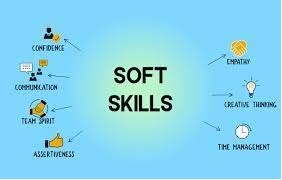
Soft Skills
Soft skills, also known as interpersonal or people skills, are non-technical skills that relate to how individuals interact with others and navigate their professional and personal lives. These skills are essential for building and maintaining positive relationships, communicating effectively, and excelling in various aspects of life. Soft skills complement technical or hard skills and are often considered just as crucial in the workplace and other social settings. Here are some important soft skills:
- Communication: The ability to convey ideas, thoughts, and information clearly and effectively, both verbally and in writing, is fundamental. Good communication skills include active listening, empathy, and the ability to adapt your communication style to different audiences.
- Teamwork: Working collaboratively with others to achieve common goals is a vital skill in most workplaces. Teamwork involves being a good team player, contributing your strengths, and resolving conflicts constructively.
- Leadership: Leadership skills encompass the ability to motivate, guide, and inspire others to achieve their best. Effective leaders can communicate a vision, make decisions, and delegate tasks.
- Problem-Solving: Being able to analyze complex situations, identify issues, and come up with practical solutions is highly valuable. Problem-solving often involves critical thinking, creativity, and adaptability.
- Adaptability: The world is constantly changing, and individuals who can adapt to new circumstances, technologies, and environments are more likely to thrive. This skill includes being open to learning and embracing change.
- Time Management: Efficiently managing your time and prioritizing tasks is crucial for productivity and meeting deadlines. Time management involves setting goals, planning, and organizing your work effectively.
- Conflict Resolution: Conflicts can arise in any setting, and the ability to resolve them peacefully and constructively is essential. This skill involves active listening, empathy, and finding mutually beneficial solutions.
- Emotional Intelligence: Understanding and managing your emotions, as well as recognizing and responding to the emotions of others, is a key aspect of emotional intelligence. It plays a significant role in building positive relationships.
- Networking: Building and maintaining professional relationships can open up opportunities and provide support throughout your career. Networking involves effective communication and relationship-building skills.
- Stress Management: In today’s fast-paced world, the ability to manage stress is crucial for overall well-being. This skill includes strategies for staying calm under pressure and maintaining a healthy work-life balance.
- Creativity: Thinking outside the box, generating innovative ideas, and finding unique solutions to problems are all part of creativity. This skill can be valuable in various aspects of work and life.
- Interpersonal Skills: These include politeness, courtesy, and the ability to interact with people from diverse backgrounds with respect and professionalism.
Soft skills are not only important in the professional world but also in personal relationships and everyday life. Developing these skills can enhance your career prospects, improve your communication with others, and lead to a more fulfilling and successful life overall.
What is required Soft Skills
The required soft skills can vary depending on the specific job, industry, and context, but there are several universally important soft skills that are highly sought after by employers and beneficial in various aspects of life. Here are some of the essential soft skills:
- Communication: Effective communication is at the top of the list. This includes not only the ability to articulate your thoughts clearly but also active listening, which is crucial for understanding others.
- Teamwork: Being able to collaborate and work well with others is vital in most workplaces. This involves sharing responsibilities, resolving conflicts, and contributing positively to group dynamics.
- Problem-Solving: The ability to identify issues, analyze problems, and come up with practical solutions is highly valued. Critical thinking and creativity play a role in effective problem-solving.
- Adaptability: In a rapidly changing world, the capacity to adapt to new situations, technologies, and environments is essential. Flexibility and a willingness to learn are key components of adaptability.
- Leadership: Even if you’re not in a formal leadership position, leadership skills can be valuable. This includes the ability to motivate, guide, and inspire others, make decisions, and take initiative.
- Emotional Intelligence: Understanding and managing your own emotions, as well as recognizing and responding to the emotions of others, is crucial for building positive relationships and navigating social situations effectively.
- Time Management: Efficiently managing your time and priorities is important for productivity and meeting deadlines. Good time management involves setting goals and staying organized.
- Conflict Resolution: Conflicts can arise in any setting, and the ability to resolve them peacefully and constructively is valuable. This includes active listening, empathy, and finding mutually beneficial solutions.
- Networking: Building and maintaining professional relationships can open up opportunities and provide support throughout your career. Effective networking involves communication and relationship-building skills.
- Stress Management: Being able to manage stress and maintain a healthy work-life balance is crucial for overall well-being and long-term success.
- Creativity: Thinking creatively, generating innovative ideas, and finding unique solutions to problems can set you apart in many roles and industries.
- Interpersonal Skills: Being polite, courteous, and able to interact with people from diverse backgrounds with respect and professionalism is important in both personal and professional settings.
- Negotiation Skills: The ability to negotiate effectively, whether in a business context or personal life, is valuable for reaching mutually beneficial agreements.
- Self-Motivation: The capacity to set and pursue goals independently, stay motivated, and work without constant supervision can make you a valuable asset in any workplace.
- Cultural Competence: In an increasingly globalized world, understanding and respecting cultural differences is crucial for working with diverse teams and engaging in international business.
- Presentation Skills: The ability to present information or ideas clearly and persuasively, whether in meetings, presentations, or public speaking engagements, is valuable in many professions.
These soft skills are not only important in the workplace but also in personal relationships and everyday life. The specific combination of soft skills required can vary widely depending on your career goals and the nature of the work you’re pursuing, so it’s a good idea to tailor your development of these skills to your individual needs and aspirations.
What is required Soft Skills
Required soft skills can vary depending on the specific job, industry, and role you are pursuing. However, some soft skills are universally valued and sought after by employers across various fields. Here are some of the most commonly required soft skills:
- Communication: Strong communication skills are crucial. This includes the ability to express ideas clearly, listen actively to others, and adapt your communication style to different audiences and situations.
- Teamwork: The ability to work effectively as part of a team is often a top priority for employers. This includes collaborating, sharing responsibilities, and contributing positively to group dynamics.
- Problem-Solving: Employers value individuals who can identify issues, analyze problems, and come up with innovative and practical solutions. Critical thinking and creativity are key components of this skill.
- Adaptability: In a rapidly changing world, the capacity to adapt to new situations, technologies, and environments is essential. Being open to learning and embracing change is highly valued.
- Leadership: Even if you’re not in a formal leadership role, leadership skills are important. This includes the ability to motivate, guide, and inspire others, make decisions, and take initiative.
- Emotional Intelligence: Understanding and managing your own emotions, as well as recognizing and responding to the emotions of others, is crucial for building positive relationships and effective communication.
- Time Management: Efficiently managing your time and priorities is important for meeting deadlines and staying organized. Effective time management involves setting goals and staying on track.
- Conflict Resolution: The ability to resolve conflicts in a constructive manner is highly valued. This includes active listening, empathy, and finding mutually acceptable solutions.
- Networking: Building and maintaining professional relationships can lead to opportunities and support throughout your career. Effective networking involves communication and relationship-building skills.
- Stress Management: Being able to manage stress and maintain a healthy work-life balance is crucial for overall well-being and sustained productivity.
- Creativity: Creative thinking, generating innovative ideas, and finding unique solutions to problems can set you apart in many roles and industries.
- Interpersonal Skills: Being polite, courteous, and able to interact with people from diverse backgrounds with respect and professionalism is important in both personal and professional settings.
- Negotiation Skills: The ability to negotiate effectively, whether in a business context or personal life, is valuable for reaching mutually beneficial agreements.
- Self-Motivation: The capacity to set and pursue goals independently, stay motivated, and work without constant supervision can make you a valuable asset in any workplace.
- Cultural Competence: Understanding and respecting cultural differences is crucial for working with diverse teams and engaging in international business.
- Presentation Skills: The ability to present information or ideas clearly and persuasively, whether in meetings, presentations, or public speaking engagements, is valuable in many professions.
Remember that the specific soft skills required can vary from one job or industry to another, so it’s essential to research the specific requirements and expectations for the position you’re interested in. Tailoring your soft skills development to align with the demands of your chosen career path can significantly enhance your employability and success in that field.
Who is required Soft Skills
I’m sorry, but your question is a bit unclear. It seems like you might be asking about individuals who are expected to have required soft skills. If that’s the case, here’s a more detailed explanation:
Required soft skills are expected from individuals in various contexts, including the workplace, education, and personal life. These skills are not limited to a specific group of people but are beneficial and often essential for everyone, regardless of their profession or role. Here’s a breakdown of who might require these soft skills:
- Employees: Soft skills are crucial for employees in virtually every job and industry. Communication, teamwork, adaptability, problem-solving, and other soft skills enable individuals to excel in their roles, work effectively with colleagues, and navigate the demands of their jobs.
- Job Seekers: When looking for employment, job seekers should highlight their soft skills on resumes and during interviews. Employers often value these skills as much as, if not more than, technical skills when making hiring decisions.
- Students: Soft skills are important for students at all levels of education. These skills help students excel academically, collaborate with peers on projects, and prepare for future careers.
- Entrepreneurs: If you’re starting or running your own business, soft skills like communication, negotiation, and leadership are vital for building and managing a team, negotiating deals, and establishing customer relationships.
- Leaders and Managers: Effective leaders and managers rely on soft skills to lead teams, communicate their vision, and resolve conflicts. Leadership and interpersonal skills are particularly important in these roles.
- Parents: Soft skills such as communication, empathy, and conflict resolution are essential in parenting. These skills help parents build strong relationships with their children and guide them through life’s challenges.
- Individuals in Personal Relationships: Soft skills play a crucial role in building and maintaining healthy personal relationships, such as friendships and romantic partnerships. Effective communication, empathy, and active listening are particularly important here.
- Community Leaders and Volunteers: Soft skills are valuable for individuals involved in community service and volunteer work. These skills can help them collaborate with others, address community issues, and make a positive impact.
- Public Speakers and Presenters: Those who engage in public speaking, presentations, or workshops rely on strong communication, presentation, and interpersonal skills to effectively convey their messages and engage with their audience.
In summary, soft skills are not limited to specific individuals or groups. They are valuable and applicable to virtually everyone in various aspects of life. Developing these skills can lead to personal and professional success, improved relationships, and greater overall satisfaction.
When is required Soft Skills
Required soft skills are relevant and necessary in various situations and contexts throughout one’s life. Here are some key instances when soft skills are required:
- In the Workplace: Soft skills are essential for employees in virtually every job and industry. They are required when collaborating with colleagues, communicating with supervisors, handling customer interactions, and working in teams to accomplish tasks and projects.
- During Job Interviews: Job seekers are often evaluated based on their soft skills during interviews. Employers look for effective communication, interpersonal skills, and other soft skills to assess a candidate’s fit for the organization.
- In Educational Settings: Students need soft skills to excel academically, work on group projects, participate in class discussions, and interact with teachers and peers. These skills are valuable throughout the education journey, from primary school to higher education.
- Entrepreneurship: If you’re an entrepreneur or small business owner, soft skills like negotiation, communication, leadership, and problem-solving are crucial for building your business, managing a team, and serving customers.
- Leadership and Management Roles: Soft skills are a requirement for leaders and managers. These individuals need to lead by example, communicate effectively, resolve conflicts, and motivate their teams to achieve organizational goals.
- In Personal Relationships: Soft skills play a vital role in building and maintaining healthy personal relationships. They are required in interactions with family members, friends, and romantic partners.
- During Networking Events: When attending networking events or professional gatherings, individuals need soft skills like communication, active listening, and relationship-building to connect with others in their field and build professional relationships.
- In Public Speaking and Presentations: Public speakers, presenters, and trainers require soft skills like effective communication, presentation, and engagement skills to convey their messages and connect with their audience.
- Conflict Resolution: Soft skills related to conflict resolution, such as negotiation, empathy, and active listening, are required when dealing with disagreements or disputes in personal and professional settings.
- Stressful Situations: Soft skills like stress management, adaptability, and resilience are needed when facing challenging or high-pressure situations, whether at work or in personal life.
- Volunteer and Community Service: When participating in volunteer work or community service, individuals need soft skills to collaborate with others, address community issues, and make a positive impact.
- In Cross-Cultural Interactions: Cultural competence and effective communication are required when interacting with individuals from different cultural backgrounds, whether in a multicultural workplace or when traveling internationally.
In essence, required soft skills are necessary in various life situations, especially in professional, educational, interpersonal, and community-oriented contexts. Developing and honing these skills can help individuals succeed and thrive in diverse situations and environments.
Where is required Soft Skills
Required soft skills are necessary in a wide range of contexts and settings. These skills are not limited to a specific location but are applicable in various places and situations. Here are some key places and environments where soft skills are required:
- Workplace: Soft skills are highly valuable and often essential in the workplace. They are required when interacting with colleagues, supervisors, clients, and customers. Examples include communication skills, teamwork, leadership, and problem-solving.
- Job Interviews: Job seekers need soft skills to succeed in interviews. Employers assess candidates for their interpersonal skills, communication abilities, and overall fit for the organization.
- Educational Institutions: Soft skills are crucial for students at all levels of education. These skills are needed for classroom participation, group projects, interactions with teachers and peers, and overall academic success.
- Entrepreneurship: Entrepreneurs and business owners require soft skills to build and grow their businesses. These skills are necessary for negotiation, customer service, team management, and networking.
- Leadership and Management Roles: Soft skills are a must for leaders and managers. They are required to motivate teams, communicate effectively, resolve conflicts, and lead by example.
- Personal Relationships: Soft skills play a critical role in personal relationships, including those with family members, friends, and romantic partners. Effective communication, empathy, and conflict resolution are essential.
- Networking Events: Soft skills like communication, active listening, and relationship-building are necessary when attending networking events or professional gatherings to connect with others in one’s field.
- Public Speaking and Presentations: Public speakers, presenters, and trainers need soft skills such as effective communication, presentation, and engagement to convey their messages and connect with their audience.
- Conflict Resolution: Soft skills related to conflict resolution, such as negotiation, empathy, and active listening, are required when dealing with disagreements or disputes in various contexts.
- Stressful Situations: Soft skills like stress management, adaptability, and resilience are beneficial when facing challenging or high-pressure situations, whether at work or in personal life.
- Volunteer and Community Service: Soft skills are necessary when participating in volunteer work or community service to collaborate with others, address community issues, and make a positive impact.
- Cross-Cultural Interactions: Cultural competence and effective communication are required when interacting with individuals from different cultural backgrounds, whether in a multicultural workplace or when traveling internationally.
- Online and Virtual Environments: Soft skills are also crucial in virtual settings, including remote work, online education, and virtual meetings. Effective communication, time management, and digital etiquette are examples of skills needed in these environments.
In summary, required soft skills are not confined to a specific physical location but are essential in a wide array of places and situations, encompassing professional, educational, interpersonal, and community-oriented contexts. Developing and applying these skills can enhance one’s success and effectiveness in various environments.
How is required Soft Skills
Required soft skills are demonstrated and assessed through your behavior, actions, and interactions in various situations. These skills are not only about what you know but also about how you apply that knowledge and how you interact with others. Here’s how required soft skills are typically observed and evaluated:
- Communication Skills:
- Verbal Communication: Your ability to express ideas clearly, confidently, and effectively through spoken words.
- Nonverbal Communication: This includes body language, facial expressions, and gestures, which can convey messages and emotions.
- Written Communication: Your proficiency in writing emails, reports, and other documents in a clear and concise manner.
- Listening Skills: Your capacity to actively listen to others, show empathy, and respond appropriately to what you’ve heard.
- Teamwork:
- Collaboration: Your ability to work harmoniously with others, contribute your skills to achieve common goals, and share responsibilities.
- Conflict Resolution: How you handle disagreements within a team, whether by facilitating discussions or finding mutually acceptable solutions.
- Problem-Solving:
- Analytical Thinking: Your aptitude for breaking down complex problems into manageable parts and analyzing them systematically.
- Creativity: Your ability to think outside the box and come up with innovative solutions to challenges.
- Adaptability:
- Flexibility: Your willingness to adapt to new situations, technologies, or environments, and your ability to embrace change.
- Learning Agility: How quickly you can acquire new skills or knowledge when faced with unfamiliar tasks or situations.
- Leadership:
- Motivation and Inspiration: Your capacity to motivate and inspire others, set a positive example, and guide them toward achieving common objectives.
- Decision-Making: Your ability to make informed decisions, take responsibility for the outcomes, and delegate tasks effectively.
- Emotional Intelligence:
- Self-Awareness: Your understanding of your emotions, strengths, weaknesses, and their impact on your behavior.
- Empathy: Your ability to recognize and understand the emotions and perspectives of others.
- Relationship Management: How you navigate and manage interpersonal relationships, including conflict resolution and communication with empathy.
- Time Management:
- Prioritization: Your skill in identifying and focusing on the most important tasks and managing your workload efficiently.
- Setting and Meeting Deadlines: Your ability to plan your work to meet established timelines and goals.
- Networking:
- Building Relationships: Your capacity to establish and nurture professional relationships, seek and provide support, and leverage your network for opportunities.
- Stress Management:
- Coping Strategies: Your methods for dealing with stress and maintaining a balanced approach to work and life.
- Resilience: How well you can bounce back from setbacks and maintain your productivity and well-being.
- Negotiation Skills:
- Communication and Bargaining: Your ability to engage in discussions to reach mutually beneficial agreements or resolutions.
- Self-Motivation:
- Initiative: Your willingness to take the lead, set goals, and pursue them independently.
- Persistence: How determined and committed you are in the face of challenges or setbacks.
- Cultural Competence:
- Cultural Awareness: Your knowledge and understanding of different cultures and their customs.
- Respect and Sensitivity: Your ability to interact with people from diverse backgrounds with respect and without prejudice.
These skills are not innate; they can be developed and improved over time through practice, self-awareness, and feedback. Demonstrating strong soft skills is essential in various aspects of life, from your career to personal relationships and community involvement. Employers, educators, and peers often assess and recognize these skills based on your actions and behavior in different situations.
Case Study on Soft Skills
Certainly! Let’s consider a case study that highlights the importance of soft skills in a workplace scenario.
Case Study: Improving Teamwork and Communication Skills
Background: ABC Technologies is a software development company with a team of 25 engineers working on various projects. While the company had a talented group of individuals, they were facing challenges related to teamwork and effective communication among team members. The management realized that these issues were impacting project timelines, quality, and overall employee satisfaction.
The Problem: The engineering teams were divided into smaller groups, each responsible for different aspects of a project. However, there were ongoing issues, including:
- Frequent misunderstandings and miscommunication among team members.
- Difficulty in sharing knowledge and expertise between teams.
- Tensions arising from differing opinions on project approaches.
- Reduced morale and job satisfaction among employees.
The Approach: ABC Technologies decided to address these issues by focusing on the improvement of soft skills among its engineering teams. They initiated the following steps:
- Soft Skills Training: The company organized workshops and training sessions on soft skills such as communication, active listening, conflict resolution, and teamwork. These sessions were conducted both in-house and with the help of external trainers.
- Team-Building Exercises: Regular team-building activities and exercises were introduced to improve collaboration and build trust among team members. These activities ranged from problem-solving challenges to group discussions.
- Mentoring and Peer Learning: A mentorship program was implemented, where experienced engineers mentored junior team members on both technical and soft skills. Peer learning sessions allowed team members to share knowledge and best practices.
- Feedback Mechanism: ABC Technologies established a feedback mechanism where team members could provide anonymous feedback on team dynamics and interpersonal issues. This helped in identifying specific areas for improvement.
The Results: Over a period of several months, the company observed significant improvements in the workplace environment and project outcomes:
- Enhanced Communication: Team members started to communicate more openly and effectively. They were better at articulating their ideas, actively listening to others, and asking clarifying questions.
- Improved Collaboration: With the breakdown of communication barriers, teams collaborated more efficiently. Knowledge sharing and cross-team support became common practices.
- Reduced Conflict: The soft skills training, along with the feedback mechanism, allowed the company to address and resolve conflicts more constructively. Disagreements were seen as opportunities for growth rather than obstacles.
- Increased Job Satisfaction: As the workplace became more harmonious, job satisfaction among employees improved. This, in turn, led to higher morale and retention rates.
- Better Project Outcomes: Project timelines improved, and the quality of deliverables increased. Clients noted the positive changes in communication and collaboration, leading to increased client satisfaction.
Conclusion: This case study demonstrates how focusing on the development of soft skills can have a transformative impact on a company’s workplace environment and performance. By investing in training, mentoring, and feedback mechanisms, ABC Technologies was able to address interpersonal issues, improve communication, and foster a more collaborative and productive work culture. This not only benefited employees but also positively influenced project outcomes and client satisfaction.
White Paper on Soft Skills
A white paper on soft skills would typically provide an in-depth analysis of the importance of soft skills in various contexts, such as the workplace, education, and personal development. It would also offer insights into how individuals, organizations, and educational institutions can develop and nurture these skills to achieve better outcomes. Below is a structure for a white paper on soft skills:
Title: The Power of Soft Skills: Nurturing Success in Work and Life
Abstract:
- Provide a brief summary of the white paper’s key findings and recommendations.
Table of Contents:
- Introduction
- Define soft skills and their significance in today’s world.
- State the purpose and scope of the white paper.
- Understanding Soft Skills
- Define and categorize various soft skills.
- Explain the difference between soft skills and hard skills.
- Provide examples of soft skills in action.
- The Impact of Soft Skills
- Discuss how soft skills contribute to personal and professional success.
- Highlight the role of soft skills in career development, job performance, and leadership.
- Soft Skills in the Workplace
- Explain why employers value soft skills in employees.
- Present case studies or statistics showcasing the impact of soft skills on workplace dynamics, productivity, and employee satisfaction.
- Soft Skills in Education
- Discuss the importance of integrating soft skills into educational curricula.
- Explore the benefits of teaching soft skills to students.
- Highlight successful programs or initiatives that promote soft skills development in schools and universities.
- Developing Soft Skills
- Provide strategies and tips for individuals to improve their soft skills.
- Offer guidance on assessing one’s soft skills and setting goals for improvement.
- Highlight the role of continuous learning and practice in developing soft skills.
- Organizational Perspective
- Discuss how organizations can foster a culture that values and encourages the development of soft skills.
- Share best practices for integrating soft skills training and assessment into employee development programs.
- Measuring Soft Skills
- Explain different methods and tools for assessing soft skills.
- Discuss the challenges and limitations of measuring soft skills accurately.
- The Future of Soft Skills
- Predict how the demand for soft skills might evolve in the future, considering technological advancements and changing workplace dynamics.
- Offer recommendations for staying adaptable and relevant in a rapidly changing world.
- Conclusion
- Summarize the key takeaways from the white paper.
- Reinforce the importance of soft skills in personal and professional growth.
- References
- Cite academic studies, research papers, and credible sources used throughout the white paper.
Additional Resources:
- Provide links or references to additional resources, such as books, articles, online courses, and tools for further exploration of soft skills.
About the Author:
- Briefly introduce the author or organization behind the white paper, highlighting their expertise in the field.
A well-researched and well-structured white paper on soft skills can serve as a valuable resource for individuals looking to enhance their skill set, educators seeking to improve their teaching methods, and organizations aiming to create more effective and collaborative workplaces.