
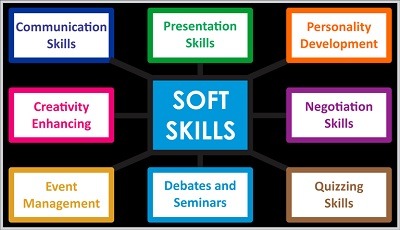
Soft Skills: Personality Development. Writing Skills
Soft skills like personality development and writing skills are crucial for personal and professional growth. Let’s break down each of these areas and provide some tips on how to improve them:
1. Personality Development:
Personality development involves enhancing your overall demeanor, communication abilities, and interpersonal skills. Here are some tips to work on your personality development:
- Self-awareness: Understand your strengths, weaknesses, values, and beliefs. This self-awareness forms the foundation for personal growth.
- Communication: Effective communication is key. Work on your verbal and non-verbal communication skills. This includes active listening, clear expression, and maintaining eye contact.
- Confidence: Believe in yourself and your abilities. Confidence can be developed by setting and achieving small goals, facing your fears, and practicing self-affirmation.
- Empathy: Try to understand and empathize with others’ perspectives. This will help in building better relationships.
- Adaptability: Be open to change and willing to learn. The ability to adapt to new situations is a valuable personality trait.
- Time Management: Organize your tasks and manage your time effectively. This reduces stress and increases productivity.
- Positive Attitude: Cultivate a positive mindset. Focus on solutions rather than problems, and maintain a “can-do” attitude.
- Networking: Build and nurture a strong network of contacts. Networking can open up new opportunities and help you learn from others.
2. Writing Skills:
Good writing skills are essential in many aspects of life, from academia to the workplace. Here are some tips to improve your writing skills:
- Read Regularly: Reading a variety of materials, including books, articles, and essays, can expose you to different writing styles and improve your vocabulary.
- Practice Writing: Write regularly to hone your skills. Set aside time for journaling, creative writing, or blogging.
- Edit and Revise: Don’t be satisfied with your first draft. Editing and revising are crucial steps in improving your writing. Check for grammar and spelling errors, clarity, and coherence.
- Seek Feedback: Share your writing with others and ask for constructive feedback. Other perspectives can help you identify areas for improvement.
- Grammar and Style Guides: Familiarize yourself with grammar and style guides like Strunk and White’s “The Elements of Style” or the Chicago Manual of Style.
- Expand Vocabulary: Work on expanding your vocabulary by learning new words and their correct usage.
- Structure and Organization: Ensure your writing has a clear structure with an introduction, body, and conclusion. Use paragraphs and headings to organize your content.
- Research Skills: If you’re writing on a specific topic, develop your research skills to gather reliable and relevant information.
- Practice Different Types of Writing: Experiment with various forms of writing, such as persuasive essays, informative articles, or storytelling. Each type requires different skills.
- Patience and Persistence: Improving writing skills takes time. Be patient and persistent in your efforts to become a better writer.
Remember that both personality development and writing skills are ongoing processes. Continuously work on them, and you’ll see improvement over time. Additionally, consider taking courses or seeking mentorship to further develop these skills.
What is Required Soft Skills: Presentation Skills. Writing Skills
Required soft skills for presentation skills and writing skills encompass a range of abilities and qualities that are essential for effectively conveying information, ideas, and messages in a clear, engaging, and persuasive manner. Here’s a breakdown of the required soft skills for each:
Required Soft Skills for Presentation Skills:
- Communication Skills: Effective verbal and non-verbal communication is the foundation of good presentations. This includes clear articulation, proper pronunciation, and the ability to convey ideas with confidence.
- Confidence: Confidence is crucial for engaging an audience and maintaining composure during presentations. It involves belief in your knowledge and the value of your message.
- Preparation: Thorough preparation, including research and organization of content, is essential for a well-structured and impactful presentation.
- Adaptability: The ability to adapt to unexpected situations or audience reactions is vital. Flexibility in adjusting your presentation approach can make a significant difference.
- Audience Awareness: Understanding your audience’s needs, interests, and expectations allows you to tailor your presentation to resonate with them.
- Empathy: Empathizing with your audience helps build a connection. It involves recognizing their perspectives, concerns, and emotions.
- Engagement: Engaging presentations captivate the audience’s attention through storytelling, visuals, and interactive elements.
- Confidence in Technology: Proficiency in using presentation software and other audio-visual aids is increasingly important for modern presentations.
- Time Management: Managing the time allotted for your presentation ensures that you cover your content effectively without exceeding the time limit.
- Feedback Reception: Welcoming feedback from peers or mentors and using it to improve your presentation skills is essential for continuous growth.
Required Soft Skills for Writing Skills:
- Clarity and Conciseness: Effective writers can convey complex ideas in a clear and concise manner, avoiding unnecessary jargon or wordiness.
- Grammar and Spelling: A strong grasp of grammar and correct spelling is fundamental to clear and error-free writing.
- Vocabulary: Expanding your vocabulary and using words accurately enhances your ability to express ideas precisely.
- Critical Thinking: The ability to think critically, analyze information, and make well-reasoned arguments is crucial for persuasive and informative writing.
- Creativity: Creativity in writing can captivate readers and inject originality into your content.
- Organization: A well-structured and organized piece of writing has a clear beginning, middle, and end. Proper paragraph and sentence structure contribute to effective organization.
- Editing and Proofreading: Careful review and editing of your work to correct errors and improve clarity are essential steps in the writing process.
- Research Skills: When writing research-based or informative content, the ability to gather, assess, and integrate information from reliable sources is critical.
- Adaptability in Writing Styles: Depending on the purpose and audience, writers should be able to adapt their style, whether it’s for academic essays, professional reports, creative storytelling, or online content.
- Patience and Persistence: Writing often requires multiple drafts and revisions. Being patient and persistent in refining your work is essential for achieving high-quality writing.
Remember that these soft skills are not only valuable in professional settings but also in personal and academic contexts. Developing and continually honing these skills can enhance your ability to communicate effectively and succeed in various aspects of life.
A wide range of individuals in various personal and professional contexts can benefit from the development of soft skills, including personality development and writing skills. Here are some examples of who requires these soft skills:
1. Students:
- Personality Development: Students need soft skills like effective communication, confidence, and adaptability to excel in their academic endeavors, participate in group projects, and build their self-esteem.
- Writing Skills: Strong writing skills are essential for academic success, including writing essays, research papers, reports, and assignments.
2. Professionals:
- Personality Development: Professionals can benefit from personality development skills to improve their communication, leadership abilities, and interpersonal relationships in the workplace.
- Writing Skills: Effective writing skills are crucial for professionals in various fields, including writing emails, reports, proposals, and other documents.
3. Job Seekers:
- Personality Development: Job seekers can enhance their soft skills to make a positive impression during job interviews, effectively network, and build their self-confidence.
- Writing Skills: Well-crafted resumes, cover letters, and thank-you notes are essential for job applications and interviews.
4. Entrepreneurs and Business Owners:
- Personality Development: Entrepreneurs and business owners benefit from personality development skills to build strong relationships with clients, investors, and employees. Effective leadership and adaptability are key.
- Writing Skills: Business owners often need strong writing skills for creating business plans, marketing materials, proposals, and communication with stakeholders.
5. Creative Professionals:
- Personality Development: Creative professionals, such as artists, writers, and designers, can use personality development skills to enhance their creativity, self-expression, and collaboration with others.
- Writing Skills: Writing is often an integral part of creative professions, especially for authors, bloggers, and content creators.
6. Leaders and Managers:
- Personality Development: Leaders and managers require strong personality development skills to effectively lead teams, communicate with employees, and resolve conflicts.
- Writing Skills: Writing reports, memos, and other documents is common in leadership roles.
7. Educators and Trainers:
- Personality Development: Educators and trainers can benefit from personality development skills to create engaging and effective learning environments, connect with students, and provide constructive feedback.
- Writing Skills: Educators often need strong writing skills for developing teaching materials, lesson plans, and assessments.
8. Individuals in Personal Relationships:
- Personality Development: Soft skills are valuable in personal relationships, helping individuals communicate effectively, resolve conflicts, and build strong emotional connections.
- Writing Skills: Thoughtful letters, messages, and notes can enhance personal relationships.
9. Public Speakers and Presenters:
- Personality Development: Public speakers and presenters require strong personality development skills, including confidence, effective communication, and audience engagement, to deliver impactful presentations.
- Writing Skills: Crafting compelling speeches, presentations, and scripts often involves strong writing abilities.
In summary, soft skills related to personality development and writing skills are required by a diverse group of people in various life situations. These skills are not only valuable in professional settings but also in personal growth and meaningful relationships. Developing these skills can lead to improved communication, personal development, and career success.
When is required Soft Skills: Personality Development. Writing Skills
Soft skills related to personality development and writing skills are required in a wide range of situations and contexts. Here are some common scenarios and situations where these skills are particularly necessary:
1. Educational Settings:
- Personality Development: Students need these skills for effective communication with teachers and peers, group projects, and personal growth.
- Writing Skills: Writing essays, research papers, reports, and assignments is fundamental to education.
2. Professional and Workplace Environments:
- Personality Development: Soft skills are essential for effective teamwork, leadership, conflict resolution, and career growth.
- Writing Skills: Clear and effective written communication is crucial for emails, reports, proposals, and documentation in the workplace.
3. Job Interviews and Networking:
- Personality Development: Soft skills play a significant role in job interviews and networking events. Confidence, communication, and adaptability are essential.
- Writing Skills: Crafting a compelling resume and cover letter is vital for job applications.
4. Entrepreneurship and Business:
- Personality Development: Entrepreneurs and business professionals need these skills to communicate with clients, partners, and employees effectively.
- Writing Skills: Writing business plans, marketing materials, pitches, and proposals is a common part of business operations.
5. Personal Relationships:
- Personality Development: Soft skills are essential for building and maintaining healthy personal relationships. Effective communication, empathy, and conflict resolution are key.
- Writing Skills: Thoughtful letters, messages, and notes can enhance personal relationships.
6. Creative Professions:
- Personality Development: Creative professionals, such as artists, writers, and designers, rely on personality development skills to enhance creativity and connect with their audience.
- Writing Skills: Authors, bloggers, and content creators use writing to express their creative ideas.
7. Leadership and Management Roles:
- Personality Development: Leaders and managers require strong personality development skills for effective communication, empathy, and decision-making.
- Writing Skills: Writing reports, memos, and documents is often necessary in leadership positions.
8. Public Speaking and Presentations:
- Personality Development: Effective public speakers and presenters need confidence, communication skills, and audience engagement to deliver impactful speeches.
- Writing Skills: Preparing speeches, presentations, and scripts often involves strong writing abilities.
9. Online and Social Media Presence:
- Personality Development: Effective online communication, personal branding, and networking require personality development skills.
- Writing Skills: Content creation, blogging, social media posts, and online discussions involve writing effectively to engage an online audience.
10. Academic Research and Publishing: – Personality Development: Collaborative research and presenting findings at conferences require strong interpersonal and communication skills. – Writing Skills: Academic writing, research papers, theses, and dissertations demand strong writing abilities.
In summary, soft skills related to personality development and writing skills are required in a wide range of life situations and contexts. Developing and continuously improving these skills can enhance your effectiveness, personal growth, and success in various aspects of life, both personally and professionally.
Where is required Soft Skills: Personality Development. Writing Skills
Soft skills related to personality development and writing skills are required in numerous locations and settings across various sectors and industries. Here are some specific places and situations where these skills are necessary:
1. Educational Institutions:
- Personality Development: Schools, colleges, and universities emphasize the development of soft skills to enhance students’ personal growth, interpersonal relationships, and communication abilities.
- Writing Skills: Educational settings involve various writing tasks, such as essays, research papers, presentations, and group projects.
2. Workplace:
- Personality Development: Employers seek employees with strong soft skills to promote effective teamwork, leadership, and communication within the organization.
- Writing Skills: Written communication is essential in workplaces for emails, reports, proposals, and documentation.
3. Job Interviews and Networking Events:
- Personality Development: Soft skills play a pivotal role in job interviews and networking events to create positive impressions, build rapport, and effectively communicate with potential employers or professional contacts.
- Writing Skills: Crafting a compelling resume and cover letter is vital for job applications.
4. Entrepreneurship and Startups:
- Personality Development: Entrepreneurs require strong personality development skills to pitch ideas, negotiate with investors, and lead their teams.
- Writing Skills: Business plans, marketing materials, and pitches often involve persuasive writing.
5. Community and Volunteering Organizations:
- Personality Development: Soft skills are crucial when working with community groups and volunteering organizations, where effective communication, empathy, and teamwork are essential.
- Writing Skills: Writing proposals, reports, and communication materials is often part of community and volunteer work.
6. Social and Networking Events:
- Personality Development: Soft skills like networking, active listening, and adaptability are valuable at social gatherings and professional networking events.
- Writing Skills: Exchanging contact information and follow-up emails can be important for building relationships.
7. Online and Social Media Platforms:
- Personality Development: Effective online communication, personal branding, and building an online presence require personality development skills.
- Writing Skills: Content creation, blogging, social media posts, and online discussions all involve writing effectively.
8. Creative Workspaces:
- Personality Development: Artists, writers, designers, and other creative professionals benefit from strong self-expression and communication skills.
- Writing Skills: Creative professionals often rely on writing to express their ideas, whether in novels, articles, scripts, or marketing materials.
9. Academic Research and Conferences: – Personality Development: Collaborative research and presenting findings at conferences necessitate strong interpersonal and communication skills. – Writing Skills: Academic writing, research papers, and conference presentations all rely on effective writing.
10. Business and Client Meetings: – Personality Development: Effective communication and presentation skills are vital in business meetings, negotiations, and client interactions. – Writing Skills: Preparing presentation materials, reports, and proposals require strong writing abilities.
In summary, soft skills related to personality development and writing skills are required in diverse locations and settings, both in personal and professional contexts. Developing and refining these skills can lead to success and effective communication in various situations and scenarios.
How is required Soft Skills: Personality Development. Writing Skills
Required soft skills related to personality development and writing skills are essential for individuals to excel in various aspects of their personal and professional lives. Here’s how these skills are required and their significance:
1. Personality Development:
a. Communication Skills: Effective communication is a fundamental aspect of personality development. It involves conveying thoughts, ideas, and emotions clearly and confidently. This skill is required in:
- Workplace: Good communication fosters teamwork, resolves conflicts, and enhances leadership abilities.
- Personal Life: Effective communication strengthens relationships, reduces misunderstandings, and improves social interactions.
b. Confidence: Confidence is essential in various situations, including:
- Job Interviews: Confidence makes a positive impression on potential employers.
- Public Speaking: Confidence is crucial for engaging an audience and delivering impactful presentations.
c. Adaptability: Adaptability and flexibility are required to navigate change and thrive in dynamic environments. For instance:
- Workplace: Adaptable individuals are more resilient and can adjust to new challenges and opportunities.
- Entrepreneurship: Entrepreneurs often face uncertainty and change, where adaptability is vital for success.
d. Empathy: Empathy involves understanding and sharing the feelings of others. It is necessary:
- Relationships: Empathy fosters better relationships by allowing individuals to connect on an emotional level.
- Leadership: Empathetic leaders can better understand the needs and concerns of their team members.
e. Leadership and Teamwork: Leadership skills are required in leadership roles, and teamwork is crucial in collaborative settings such as the workplace, sports teams, and volunteer organizations.
2. Writing Skills:
a. Clarity and Conciseness: Clarity in writing ensures that the intended message is easily understood, reducing the risk of misinterpretation. This skill is required:
- Workplace: Clear and concise writing in emails and reports enhances workplace communication.
- Academia: Essays and research papers benefit from clear and concise writing to convey complex ideas.
b. Grammar and Spelling: Proper grammar and spelling are vital to maintain professionalism in written communication, especially in formal contexts.
c. Critical Thinking: Critical thinking allows individuals to analyze information, evaluate arguments, and make informed decisions. This skill is crucial for:
- Problem Solving: Critical thinking aids in identifying and solving problems efficiently.
- Decision-Making: In professional and personal life, critical thinking helps in making well-reasoned decisions.
d. Creativity and Innovation: Creativity in writing can engage readers and inject originality into content. This skill is important for:
- Marketing and Advertising: Creative content stands out and attracts customers.
- Art and Literature: Creative writers and artists rely on creativity to produce unique work.
e. Research Skills: Research skills are necessary when gathering and integrating information from various sources for academic papers, reports, or data-driven content.
f. Editing and Proofreading: Editing skills are essential to review and improve written work, ensuring it is free from errors and adheres to quality standards.
g. Adaptability in Writing Styles: Being able to adapt writing style to different purposes and audiences is valuable. For example:
- Business Communication: Writing styles vary between emails, reports, and marketing materials.
- Creative Writing: Authors adapt their writing style to genres and themes.
In summary, required soft skills related to personality development and writing skills are integral to personal and professional success. They enable individuals to communicate effectively, build meaningful relationships, solve problems, and achieve their goals. Developing these skills involves self-awareness, practice, and continuous improvement, leading to better opportunities and a more fulfilling life.
Case Study on Soft Skills: Personality Development. Writing Skills
Certainly, here’s a hypothetical case study that illustrates the importance of soft skills, particularly focusing on personality development and writing skills:
Case Study: Emily’s Professional Transformation
Background: Emily is a 28-year-old marketing professional working for a mid-sized advertising agency. She possesses a strong technical background in digital marketing but has been encountering challenges in her career progression. Her manager, Sarah, recognizes that Emily’s soft skills need refinement to advance in her role and within the company.
Challenges:
1. Lack of Confidence (Personality Development): Emily often hesitates to share her ideas during team meetings, contributing less than her potential to discussions. She lacks the self-assuredness required for leadership roles and client interactions.
2. Ineffective Communication (Personality Development): Emily struggles with articulating her thoughts clearly, both in writing and verbally. Her emails are often lengthy and convoluted, leading to misunderstandings and delays in project timelines.
3. Writing Skills: Emily’s writing skills need improvement. Her reports and proposals lack clarity and are filled with grammatical errors. This affects client satisfaction and the agency’s reputation.
Steps Taken:
Personality Development:
- Confidence Building: Emily participates in confidence-building workshops offered by the company. She also receives guidance from a senior colleague who mentors her in developing self-assurance.
- Leadership Training: Emily enrolls in leadership training programs to acquire the skills necessary to take on more responsibility within the team. She learns how to delegate tasks effectively and provide constructive feedback to colleagues.
- Public Speaking Practice: Emily joins a public speaking club to enhance her presentation and communication skills. She regularly practices speaking in front of peers to overcome her fear of public speaking.
Writing Skills:
- Writing Workshops: Emily attends writing workshops to improve her written communication skills. These workshops cover topics like concise writing, grammar, and effective report structuring.
- Editing and Proofreading: She starts proofreading and editing her emails, reports, and proposals diligently before submission. She also seeks feedback from colleagues to identify areas for improvement.
- Online Writing Courses: Emily takes advantage of online writing courses to further enhance her writing skills at her own pace.
Results:
Personality Development:
- Emily’s increased confidence becomes evident to her colleagues and supervisors. She begins contributing more actively during team meetings, proposing innovative ideas, and volunteering for leadership roles.
- Her improved interpersonal skills lead to better team dynamics and more effective collaboration. This results in increased project success rates and client satisfaction.
Writing Skills:
- Emily’s writing skills show remarkable improvement. Her reports and proposals become more concise and reader-friendly, resulting in quicker client approvals and reduced project turnaround times.
- Her emails are now clear, concise, and free from grammatical errors, leading to better communication within the team and with clients.
Outcome:
After a year of dedicated efforts to improve her personality development and writing skills, Emily’s career takes a significant turn:
- She is promoted to a senior marketing manager role within the agency, thanks to her enhanced leadership qualities and effective communication.
- Emily becomes a mentor to junior team members, helping them develop their own soft skills and writing abilities.
- The agency’s client retention rate increases, and they start winning new clients due to the improved quality of communication, proposals, and marketing campaigns.
This case study illustrates how investing in soft skills, particularly personality development and writing skills, can lead to significant career growth and enhanced professional success. Emily’s journey demonstrates that continuous self-improvement in these areas can have a profound impact on personal and organizational success.
White Paper on Soft Skills: Personality Development. Writing Skills
Title: Unleashing Potential: The Synergy of Soft Skills in Personality Development and Writing Excellence
Abstract: This white paper delves into the symbiotic relationship between soft skills, focusing on personality development and writing skills. In an era where communication is paramount, we explore how the mastery of these skills can be transformative, leading to personal growth, professional success, and organizational excellence. This document investigates the significance of these soft skills, offers practical insights into their development, and showcases real-world applications that highlight their value.
Table of Contents:
- Introduction
- The Crucial Role of Soft Skills
- Soft Skills: Personality Development and Writing Skills
- Understanding Personality Development
- 2.1 Communication: The Heart of Personality Development
- 2.2 Confidence and Self-Esteem
- 2.3 Adaptability and Resilience
- 2.4 Empathy and Interpersonal Skills
- Mastery of Writing Skills
- 3.1 Clarity and Precision
- 3.2 Critical Thinking and Problem Solving
- 3.3 Creativity and Innovation
- 3.4 Attention to Detail and Editing
- The Interplay of Soft Skills
- 4.1 How Personality Development Enhances Writing Skills
- 4.2 How Writing Skills Boost Personality Development
- Real-World Applications
- 5.1 Case Studies: Leveraging Soft Skills in Diverse Fields
- 5.2 Testimonials: Personal Journeys of Transformation
- Developing Soft Skills
- 6.1 Training and Workshops
- 6.2 Coaching and Mentoring
- 6.3 Self-Guided Learning
- Challenges and Solutions
- 7.1 Challenges in Soft Skills Development
- 7.2 Strategies for Overcoming Challenges
- Organizational Impact
- 8.1 Building a Soft Skills Culture
- 8.2 Measuring the Return on Investment
- Conclusion
- The Ongoing Quest for Soft Skills Mastery
- A Call to Action: Nurturing the Power of Personality and the Art of Writing
1. Introduction:
In an age where communication transcends borders and boundaries, soft skills have emerged as indispensable tools for personal and professional growth. This white paper delves into the dynamic synergy between two vital categories of soft skills: personality development and writing skills.
As we embark on this journey, we will explore the fundamental components of personality development and writing skills, illustrating their significance in diverse contexts. From there, we will delve into their interconnected nature, showcasing how mastery in one domain can profoundly impact the other.
Through real-world case studies and testimonials, we will witness the transformative potential of these skills. We will also provide practical guidance on how individuals and organizations can foster the development of these skills, overcoming common challenges along the way.
Our ultimate goal is to empower individuals and organizations to unleash their potential through the harmonious blend of personality development and writing excellence.
2. Understanding Personality Development:
2.1 Communication: The Heart of Personality Development: Effective communication is the cornerstone of personality development. This section explores how honing communication skills can lead to personal growth and professional success.
2.2 Confidence and Self-Esteem: Confidence and self-esteem are the building blocks of a strong personality. We will discuss how cultivating these traits can open doors to new opportunities.
2.3 Adaptability and Resilience: In a world of constant change, adaptability and resilience are vital. We will explore how these skills can help individuals thrive in dynamic environments.
2.4 Empathy and Interpersonal Skills: Empathy and strong interpersonal skills are essential for building meaningful relationships. We will delve into their importance in personal and professional contexts.
3. Mastery of Writing Skills:
3.1 Clarity and Precision: Clear and precise writing is essential for effective communication. This section offers insights into how writing skills impact clarity and understanding.
3.2 Critical Thinking and Problem Solving: Critical thinking and problem-solving abilities are paramount in writing. We will discuss how these skills contribute to well-reasoned arguments and innovative ideas.
3.3 Creativity and Innovation: Creativity in writing can captivate readers. We will explore how fostering creativity can elevate written content.
3.4 Attention to Detail and Editing: Attention to detail and the art of editing are key for producing polished and error-free written work.
4. The Interplay of Soft Skills:
4.1 How Personality Development Enhances Writing Skills: We will showcase how improved communication and confidence from personality development can elevate writing skills.
4.2 How Writing Skills Boost Personality Development: Conversely, we will illustrate how mastering writing skills can enhance clarity and self-expression, contributing to a more well-rounded personality.
5. Real-World Applications:
5.1 Case Studies: Leveraging Soft Skills in Diverse Fields: Through real-world case studies, we will examine how individuals across various professions have harnessed the power of these soft skills.
5.2 Testimonials: Personal Journeys of Transformation: Personal testimonials will offer intimate insights into the transformative potential of personality development and writing skills.
6. Developing Soft Skills:
6.1 Training and Workshops: We will discuss the value of training programs and workshops in cultivating soft skills.
6.2 Coaching and Mentoring: Mentorship and coaching programs connect experienced professionals with those seeking to develop these skills.
6.3 Self-Guided Learning: Online resources, courses, and self-guided learning are valuable tools for individuals seeking to enhance their soft skills.
7. Challenges and Solutions:
7.1 Challenges in Soft Skills Development: We will explore common challenges individuals and organizations face in developing these skills.
7.2 Strategies for Overcoming Challenges: Practical strategies will be presented to help individuals and organizations overcome these obstacles.
8. Organizational Impact:
8.1 Building a Soft Skills Culture: We will discuss how organizations can foster a culture that values and promotes the development of these skills.
8.2 Measuring the Return on Investment: Methods for measuring the impact of soft skills development on organizational success will be outlined.
9. Conclusion:
In conclusion, the synergy of personality development and writing skills holds immense potential for personal and professional growth. This white paper serves as a call to action, encouraging individuals and organizations to invest in these soft skills and unlock their transformative power.
Through continuous learning, practice, and a commitment to excellence in communication and self-expression, individuals can embark on a journey of self-discovery and empowerment. In doing so, they not only enhance their personal lives but also contribute