
Basics of Computer Networks
Computer networks are fundamental to the modern world, enabling the exchange of information and resources between devices and systems. Here are the basics of computer networks:
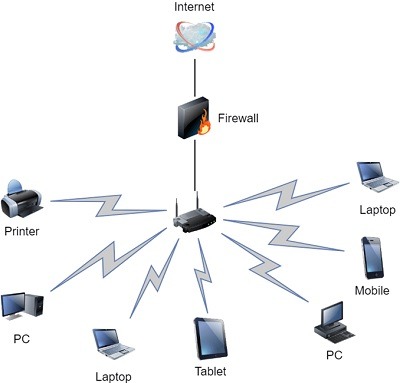
- Definition: A computer network is a collection of interconnected devices (computers, servers, routers, switches, etc.) that can communicate and share data with each other. The primary purpose of a network is to facilitate the exchange of information and resources.
- Nodes: Nodes are the devices connected to the network. Each node has a unique identifier (e.g., IP address or MAC address) that allows it to be distinguished from other devices on the network.
- Links: Links, also called communication channels, are the physical or logical connections between nodes. They can be wired (e.g., Ethernet cables, fiber optics) or wireless (e.g., Wi-Fi, Bluetooth).
- Topologies: Network topology defines how nodes are connected to one another. Common topologies include:
- Bus: All nodes share a single communication line.
- Star: All nodes connect to a central hub or switch.
- Ring: Nodes are connected in a circular fashion.
- Mesh: Every node is connected to every other node.
- Protocols: Network protocols are a set of rules and conventions that govern how data is transmitted and received in a network. Examples include TCP/IP, HTTP, and SMTP.
- OSI Model: The OSI (Open Systems Interconnection) model is a conceptual framework that standardizes the functions of a telecommunication or computing system into seven layers. These layers, from lowest to highest, are: Physical, Data Link, Network, Transport, Session, Presentation, and Application.
- IP Addressing: Every device in a network is typically assigned an IP (Internet Protocol) address, which is used to identify it on the network. IP addresses can be either IPv4 (e.g., 192.168.1.1) or IPv6 (e.g., 2001:0db8:85a3:0000:0000:8a2e:0370:7334).
- Subnetting: Subnetting is the practice of dividing an IP network into sub-networks (subnets) to improve efficiency and security. It involves creating smaller address spaces within a larger network.
- Routing: Routing is the process of determining the best path for data to travel between source and destination nodes. Routers are devices that play a crucial role in this process.
- Firewalls: Firewalls are security devices that monitor and control incoming and outgoing network traffic. They are used to protect a network from unauthorized access and threats.
- DNS (Domain Name System): DNS is a system that translates human-readable domain names (e.g., www.example.com) into IP addresses that computers can use to locate resources on the internet.
- Network Types: There are various types of networks, including:
- LAN (Local Area Network): A network that covers a small geographical area, such as a home or office.
- WAN (Wide Area Network): A network that spans a larger geographical area, often connecting LANs across cities or countries.
- MAN (Metropolitan Area Network): A network that covers a city or a metropolitan area.
- Internet: The global network of networks that connects millions of devices worldwide.
- Wireless Networks: Wi-Fi and cellular networks are examples of wireless networks that use radio waves to transmit data without physical cables.
- Security: Network security is vital to protect data from unauthorized access or malicious attacks. This includes encryption, access control, and monitoring for threats.
- Cloud Computing: Cloud networks use the internet to provide on-demand resources and services. They are the foundation of cloud computing platforms like AWS, Azure, and Google Cloud.
Understanding these basic concepts is essential for anyone working with or using computer networks, whether for personal use or in a professional IT context.
What is required Basics of Computer Networks
To grasp the basics of computer networks, you should have a foundation in several key concepts and principles. Here’s a list of what’s required:
- Understanding of Computers: Familiarity with how computers work, including hardware, software, and basic operating systems, is fundamental.
- OSI Model: A grasp of the OSI model and its seven layers (Physical, Data Link, Network, Transport, Session, Presentation, and Application) is essential for understanding how network protocols function.
- Network Topologies: Knowledge of common network topologies such as bus, star, ring, and mesh.
- Network Protocols: Understanding of basic network protocols, such as TCP/IP, HTTP, FTP, and SMTP, and how they facilitate communication.
- IP Addressing: Knowledge of IP addresses (both IPv4 and IPv6) and how they’re assigned and used to identify devices on a network.
- Subnetting: Understanding the concept of subnetting and how it’s used to segment IP networks.
- Routers and Switches: Familiarity with the roles of routers (for routing data between networks) and switches (for connecting devices within a network).
- Firewalls: Basic knowledge of firewalls and their role in network security.
- DNS: An understanding of how the Domain Name System (DNS) translates domain names to IP addresses.
- Network Types: Awareness of different types of networks, including LANs, WANs, and the internet.
- Wireless Networks: Knowledge of how Wi-Fi and cellular networks function, including concepts like SSIDs and wireless security protocols (WPA, WPA2, WPA3).
- Network Security: An understanding of network security principles, including encryption, access control, intrusion detection, and prevention systems.
- Cloud Computing: Awareness of how cloud networks work and their significance in modern computing.
- Basic Troubleshooting: Ability to perform basic network troubleshooting, including identifying connectivity issues and resolving them.
- Network Devices: Familiarity with common network devices such as modems, access points, and network cables.
- Internet Basics: Understanding of how the internet works, including concepts like ISPs, data transmission, and web hosting.
- Security Best Practices: Knowledge of best practices for securing network devices and data.
- Network Management Tools: Awareness of basic network management tools for monitoring and maintaining network performance.
- Network Diagrams: The ability to create and interpret network diagrams to visualize network structures and configurations.
- Terms and Concepts: Familiarity with key terms and concepts like bandwidth, latency, packets, and MAC addresses.
It’s important to start with the basics and progressively build your knowledge. There are various resources available, including books, online courses, tutorials, and practical hands-on experience, that can help you learn and apply these concepts. Building and configuring small-scale networks at home or in a lab setting can also be highly educational.
Who is required Basics of Computer Networks
Understanding the basics of computer networks is valuable and relevant to several groups of individuals and professions. Here are some examples of who may benefit from having a foundation in computer networks:
- IT Professionals: IT specialists, including network administrators, systems administrators, and IT support staff, must have a solid understanding of computer networks to set up, manage, and troubleshoot network infrastructure.
- Software Developers: Developers need to understand network protocols and communication to create applications that can operate over the internet or within local networks.
- System Administrators: System administrators are responsible for configuring and maintaining network services, such as DNS, DHCP, and network security, making network knowledge crucial to their role.
- Cybersecurity Professionals: Cybersecurity experts need to understand network security, threats, and vulnerabilities to protect networks from attacks and intrusions.
- Web Developers: Web developers should understand how web applications interact with networks, including HTTP, HTTPS, and REST APIs.
- Network Engineers: Network engineers design and implement complex network architectures and need an in-depth understanding of networking principles.
- Computer Science Students: Computer science students can benefit from learning about computer networks as it’s a fundamental component of modern computing.
- Business and Management Professionals: Executives and managers in technology companies or organizations that rely on networks should have a basic understanding of computer networks to make informed decisions.
- Freelancers and Entrepreneurs: Freelancers and entrepreneurs in tech-related fields, such as web development, should have some network knowledge to ensure the efficient operation of their systems and services.
- Educators: Teachers, instructors, and trainers in IT and computer science fields need to convey network concepts to their students.
- General Users: Even for non-technical individuals, a basic understanding of computer networks is useful for setting up home networks, troubleshooting common connectivity issues, and staying safe online.
- Telecommunications Professionals: Those working in the telecommunications industry need network knowledge for designing, implementing, and maintaining communication systems.
- Healthcare Professionals: Healthcare professionals need to understand network security and privacy to protect electronic health records and patient data.
- Legal and Compliance Experts: Legal and compliance professionals should have a grasp of network-related laws and regulations, especially in data protection and privacy.
- IoT (Internet of Things) Developers: As IoT devices often connect to networks, developers in this field should understand networking concepts for device communication.
- Quality Assurance and Testing Professionals: Testers and QA professionals should verify the functionality and performance of software and systems over networks.
- Data Analysts and Data Scientists: Data analysts and data scientists may work with network data, such as analyzing network traffic for security or performance insights.
Understanding the basics of computer networks is increasingly relevant in a world where connectivity and data exchange are critical to personal, professional, and societal functions. The level of knowledge required may vary depending on your specific role or field, but having a foundational understanding of network concepts is generally beneficial.
When is required Basics of Computer Networks
The knowledge of the basics of computer networks is required in various situations and scenarios. Here are some key instances when a fundamental understanding of computer networks is necessary:
- In the Workplace:
- IT Professionals: Network administrators, system administrators, and IT support staff need this knowledge daily to manage and troubleshoot network infrastructure.
- Software Developers: Understanding network protocols is crucial for creating applications that communicate over the internet or local networks.
- Cybersecurity Experts: To protect networks from threats and vulnerabilities.
- Network Engineers: For designing, implementing, and maintaining network architectures.
- Quality Assurance Professionals: To test software and systems for network-related issues.
- Education:
- Computer Science Students: Network concepts are a fundamental part of a computer science education.
- IT and Technology Courses: Students pursuing degrees or certifications in IT-related fields need a solid grasp of computer networks.
- Home and Personal Use:
- Setting up and maintaining home Wi-Fi networks and troubleshooting connectivity issues.
- Protecting personal information and devices from network-related threats.
- Entrepreneurship and Freelancing:
- Entrepreneurs and freelancers in tech-related fields need network knowledge to ensure the efficient operation of their services.
- Web Development and E-Commerce:
- Web developers and e-commerce professionals require network understanding to optimize website performance and security.
- Legal and Compliance:
- Legal and compliance professionals should be familiar with network-related laws and regulations, especially in data protection and privacy.
- IoT and Telecommunications:
- IoT developers and professionals in the telecommunications industry need network knowledge for communication systems and device connectivity.
- Healthcare and Data Security:
- Healthcare professionals must understand network security and privacy to protect electronic health records and patient data.
- General Users:
- General users need basic network knowledge for setting up and maintaining home networks, understanding Wi-Fi security, and navigating the internet safely.
- Business and Management:
- Executives and managers in technology companies or organizations that rely on networks need a basic understanding of computer networks to make informed decisions and manage resources efficiently.
- Job Interviews and Career Advancement:
- Many job interviews, especially in IT and technology-related roles, may include questions about computer networks to assess candidates’ qualifications.
- Career advancement in IT often requires deeper network knowledge, as you take on more complex roles and responsibilities.
- Emergencies and Crisis Situations:
- In the event of network-related emergencies or disruptions, having basic network knowledge can be valuable for quick troubleshooting and resolution.
In today’s interconnected world, knowledge of computer networks is increasingly important. It can be essential in various professional, educational, personal, and entrepreneurial contexts, and it’s valuable for both individuals and organizations.
Where is required Basics of Computer Networks
A foundational understanding of computer networks is required and valuable in a wide range of settings and industries. Here are some specific places and situations where knowledge of the basics of computer networks is needed:
- Information Technology (IT) Departments:
- IT professionals working in network administration, system administration, and technical support require network knowledge for maintaining and troubleshooting network infrastructure.
- Software Development Companies:
- Software developers and engineers need network expertise when designing and creating applications that rely on network communication.
- Cybersecurity Firms and Organizations:
- Cybersecurity experts must understand network security to protect systems and data from threats and vulnerabilities.
- Telecommunications and Internet Service Providers:
- Professionals in the telecommunications industry need network expertise to design, maintain, and expand communication systems.
- Web Development and E-Commerce:
- Web developers, e-commerce companies, and web hosting providers benefit from network understanding to optimize website performance and security.
- Healthcare Institutions:
- Healthcare professionals and organizations require network knowledge to secure electronic health records and patient data.
- Educational Institutions:
- Schools, colleges, and universities offer computer science and IT courses, where network basics are an integral part of the curriculum.
- Technology and IT Consulting Firms:
- Consultants working in technology and IT fields need to understand network concepts when advising clients.
- Government and Defense:
- Government agencies, including those related to defense and national security, require network expertise to maintain secure communication systems.
- Financial Institutions:
- Banks and financial institutions rely on network security and infrastructure to handle transactions and protect customer data.
- Legal and Compliance Departments:
- Legal professionals need to be familiar with network-related laws and regulations, particularly concerning data privacy and security.
- IoT (Internet of Things) and Electronics Manufacturing:
- Professionals working with IoT devices and electronics require network knowledge for device connectivity and communication.
- Media and Broadcasting:
- Media companies and broadcasters use networks for content delivery and need network expertise to ensure seamless operations.
- Aerospace and Transportation:
- Industries such as aviation and public transportation rely on networks for communication and data exchange.
- Home and Residential Environments:
- Individuals setting up home networks for personal use or small home offices need network understanding for connectivity and security.
- Freelancers and Entrepreneurs:
- Self-employed professionals and tech startups require network knowledge for establishing and maintaining their IT infrastructure.
- Career Advancement and Job Interviews:
- Basic network knowledge is often assessed in job interviews, especially in IT and technology-related roles, and it can be crucial for career advancement.
- Emergency Response and Disaster Management:
- In emergencies and crisis situations, such as natural disasters or cybersecurity incidents, network understanding can be essential for maintaining critical communication.
In essence, network knowledge is a foundational skill that can be applied in various professional, educational, personal, and entrepreneurial contexts. It plays a pivotal role in modern society and technology across industries and sectors.
How is required Basics of Computer Networks
The level of understanding and proficiency in the basics of computer networks that is required can vary depending on your role, industry, and specific job responsibilities. Here’s a breakdown of how the required basics of computer networks can differ:
- IT Professionals:
- Network Administrators: These professionals need a deep and comprehensive understanding of computer networks. They should be well-versed in network protocols, routing, and network security.
- System Administrators: System administrators need a solid foundation in networking but may not require the same level of expertise as network administrators.
- Technical Support Staff: Basic networking knowledge is essential for diagnosing and troubleshooting common connectivity issues.
- Software Developers:
- Web Developers: Web developers need a basic understanding of networking protocols like HTTP and HTTPS, as well as web security practices.
- Application Developers: Developers working on applications that communicate over networks, such as mobile apps, should have a deeper knowledge of network protocols and data transfer.
- Cybersecurity Experts:
- Cybersecurity professionals require an in-depth understanding of network security, including firewalls, intrusion detection systems, and penetration testing.
- Telecommunications Industry:
- Network engineers in the telecommunications industry need advanced knowledge of network protocols, wireless communication, and large-scale network design.
- IoT (Internet of Things):
- Professionals working on IoT devices should understand network connectivity for these devices, which may include knowledge of protocols like MQTT and CoAP.
- Home and Personal Use:
- Basic users need a foundational understanding to set up and secure home networks, troubleshoot common Wi-Fi issues, and use the internet safely.
- Educational Institutions:
- Students studying IT and computer science require a fundamental grasp of computer networks as part of their coursework.
- Legal and Compliance Professionals:
- Legal professionals need enough network knowledge to understand and apply laws and regulations related to data privacy and security.
- Entrepreneurs and Freelancers:
- Entrepreneurs and freelancers in tech-related fields should have a basic understanding of network concepts to ensure their IT infrastructure functions correctly.
- Web Development and E-Commerce:
- Proficiency in network concepts is necessary for web developers and e-commerce professionals to optimize website performance and security.
- Healthcare Industry:
- Healthcare professionals should have a basic understanding of network security to protect patient data.
- Government and Defense:
- Professionals working in government agencies, especially those involved in national security, need advanced knowledge of secure network communication.
- Aerospace and Transportation:
- Industries like aviation and transportation rely on advanced network systems for communication and data exchange.
The level of knowledge required also depends on your specific job responsibilities. Some positions may demand a deep understanding of network protocols, while others may only require a basic knowledge to handle day-to-day tasks.
In general, having a strong foundational understanding of computer networks is beneficial, as it allows individuals to adapt and learn as their roles and responsibilities evolve, and it positions them well in an increasingly interconnected world.
Case Study on Basics of Computer Networks
Certainly, here’s a simplified case study that illustrates the importance of understanding the basics of computer networks in a workplace setting:
Case Study: Network Downtime at a Small Business
Background: ABC Company is a small business that relies on a network to manage day-to-day operations. They have several computers and a server connected to a local area network (LAN). The company has an IT administrator, Sarah, responsible for maintaining the network.
Problem: One Monday morning, employees arrive at work and find that they cannot access any network resources. The server is unresponsive, and no one can connect to the internet. This sudden network downtime is causing significant disruptions to the workflow.
Scenario:
- Initial Troubleshooting: Sarah, the IT administrator, is immediately notified about the network issue. She starts by checking the physical connections and power supply of network devices (routers, switches, server) to rule out any hardware issues. She also confirms that the local workstations are powered on and connected to the network.
- Ping Test: Sarah uses the ping command to test connectivity between devices on the network. She pings the server from a workstation, and the result shows “Request Timed Out.” This suggests a network connectivity issue.
- Router and Switches: Sarah logs into the network router and switches to examine their configurations. She notices that the router’s WAN (Wide Area Network) port is showing no connection. She also observes unusual traffic patterns on the switches.
- Check ISP: She contacts the Internet Service Provider (ISP) to inquire if there are any issues on their end. The ISP confirms that their service is operational, indicating the issue is within the company’s network.
- Server Troubleshooting: Sarah logs into the server and realizes that it has crashed and is not booting up. The server houses critical company data and applications.
- Backup and Recovery: Luckily, the company has a backup of the server’s data. Sarah initiates the process to restore the data on a spare server they have in storage.
- Investigation and Preventive Measures: After resolving the issue, Sarah investigates what led to the server crash. She finds that the server’s hard drive had failed due to overheating. To prevent future occurrences, she repositions the server for better ventilation and schedules regular maintenance.
Lessons Learned: This case study highlights several key lessons:
- Understanding Network Basics: Sarah’s knowledge of network basics, including how to troubleshoot hardware, use command-line tools like ping, and access router configurations, was crucial in identifying and resolving the issue.
- Network Redundancy: Having a spare server and data backup was a lifesaver. This emphasizes the importance of network redundancy and regular data backups.
- Proactive Maintenance: Routine maintenance and monitoring of network devices are essential to prevent unexpected failures.
- Communication with ISP: Contacting the ISP to rule out external issues is an important troubleshooting step.
- Documentation: Keeping documentation of network configurations and setups helps in troubleshooting and recovery.
This case study demonstrates the vital role that network knowledge plays in maintaining the functionality and productivity of a business. Without a solid understanding of network basics, identifying and resolving the issue in a timely manner would have been much more challenging.
White Paper on Basics of Computer Networks
A white paper on the basics of computer networks is a comprehensive document that provides an in-depth understanding of network fundamentals. It is often used to educate and inform both technical and non-technical audiences about the core concepts, components, and principles of computer networks. Here’s an outline of what a white paper on this topic might include:
Title: Understanding the Basics of Computer Networks
Abstract
- A concise summary of the paper’s content and its relevance.
Table of Contents
- Introduction
- Explanation of the importance of computer networks.
- Overview of the paper’s structure.
- The Fundamentals of Networking
- Defining what a computer network is.
- The history and evolution of computer networks.
- Types of Networks
- Local Area Networks (LANs).
- Wide Area Networks (WANs).
- Metropolitan Area Networks (MANs).
- Internet as a global network.
- Network Components
- Nodes: Explaining devices connected to a network.
- Links: Describing the communication channels.
- Network Topologies: Overview of bus, star, ring, and mesh topologies.
- Network Protocols: Introduction to the role of protocols in data exchange.
- The OSI Model
- Explanation of the seven layers of the OSI model.
- How each layer contributes to data transmission and reception.
- IP Addressing and Subnetting
- Introduction to IP addressing (IPv4 and IPv6).
- The concept of subnetting to segment networks.
- Routing and Switching
- Routers and their role in directing data between networks.
- Switches and their role in connecting devices within a network.
- Network Security
- Fundamentals of network security, including firewalls, access control, and encryption.
- Common threats and vulnerabilities in computer networks.
- Wireless Networking
- Overview of wireless technologies.
- Wi-Fi and cellular networks.
- Internet and Domain Name System (DNS)
- How the internet functions as a global network.
- The DNS system for translating domain names into IP addresses.
- Cloud Computing and Virtual Networks
- The concept of cloud networks.
- The use of virtual networks in cloud computing.
- Network Maintenance and Troubleshooting
- Routine maintenance tasks.
- Troubleshooting common network issues.
- Real-World Applications
- Examples of how computer networks are used in various industries.
- Future Trends in Networking
- A brief look at emerging technologies and trends in the field of computer networks.
- Conclusion
- Summarizing key takeaways from the paper.
- References
- Citing sources and references used in the white paper.
Conclusion
The white paper should conclude by emphasizing the importance of computer networks in modern society, technology, and businesses. It should encourage readers to continue learning about this essential topic, whether for professional development or personal knowledge.
This white paper is designed to provide a comprehensive overview of computer networks, making it accessible to a broad audience, from beginners seeking a foundational understanding to professionals in need of a refresher or deeper insights into the field.