
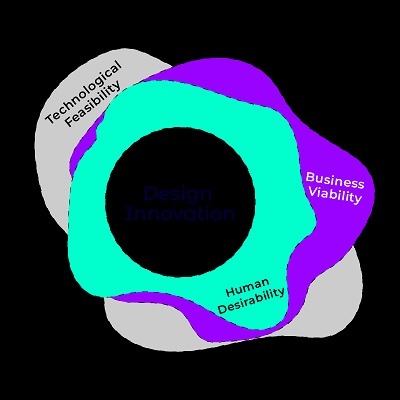
Designing Innovation
Designing innovation is a strategic and creative process that organizations use to develop new ideas, products, services, and processes. It involves fostering a culture of innovation, implementing structured methodologies, and encouraging creative thinking. Here are some key aspects of designing innovation:
- Cultivate a Culture of Innovation:
- Start by creating an organizational culture that values and rewards innovation. Encourage employees to think creatively and take calculated risks.
- Leadership and Vision:
- Effective leadership is essential in driving innovation. Leaders should articulate a clear vision for the organization’s innovation goals and inspire the team to achieve them.
- Diverse Teams:
- Build cross-functional and diverse teams to foster a wide range of perspectives and ideas. Diversity can lead to innovative solutions.
- Problem Identification:
- Identify specific challenges or problems that require innovative solutions. Clearly defining the problem is the first step toward designing innovative solutions.
- Design Thinking:
- Use design thinking methodologies to empathize with end-users, define problems, ideate, prototype, and test solutions. This human-centered approach encourages innovation by focusing on users’ needs.
- Open Innovation:
- Collaborate with external partners, including customers, suppliers, and other organizations. Open innovation can lead to fresh ideas and insights.
- Innovation Metrics:
- Define key performance indicators (KPI s) for innovation. Measure and analyze the impact of innovation efforts and adjust strategies accordingly.
- Continuous Learning:
- Create a learning culture where employees are encouraged to acquire new skills and knowledge. Learning and innovation go hand in hand.
- Resources and Support:
- Provide the necessary resources, both in terms of funding and time, to support innovative projects. Establish dedicated innovation teams if needed.
- Risk Tolerance:
- Foster an environment where calculated risk-taking is acceptable. Not all innovative ideas will succeed, but learning from failures is part of the innovation process.
- Technology and Tools:
- Utilize modern technology, software, and tools that facilitate collaboration, idea generation, and innovation management.
- Prototyping and Testing:
- Rapidly create prototypes and test innovative solutions. Iterative testing allows for refinement and improvement.
- Innovation Hubs:
- Consider creating physical or virtual innovation hubs or spaces where employees can brainstorm and work on innovative projects.
- Intellectual Property Protection:
- Address intellectual property concerns and protection for innovative ideas and products.
- Communication and Transparency:
- Keep all stakeholders informed about the progress of innovation initiatives. Transparency builds trust and support.
- Feedback Loops:
- Establish mechanisms for collecting feedback from employees, customers, and other stakeholders. Use this feedback to improve and refine innovations.
- Scale and Implementation:
- Once an innovation is proven to be successful, develop a plan for scaling and implementing it across the organization.
- Celebrate Success:
- Acknowledge and celebrate successful innovations to motivate the team and reinforce the culture of innovation.
- Regulatory Compliance:
- Ensure that innovative solutions comply with relevant laws and regulations, especially in industries with strict standards.
- Sustainability:
- Consider the environmental and social impact of innovations. Design with sustainability in mind.
Designing innovation is an ongoing and dynamic process that requires dedication, creativity, and a commitment to adapt to changing market conditions and customer needs. It’s not a one-time event but a strategic effort to keep organizations competitive and responsive to evolving challenges and opportunities.
What is required Designing Innovation
“Designing Innovation” requires several essential components and principles to create a structured and effective approach to innovation within an organization. Here’s what’s required to design innovation effectively:
- Clear Objectives and Strategy:
- Start by defining clear innovation objectives and goals that align with the organization’s overall strategy. Clearly articulate why innovation is important and what it aims to achieve.
- Innovation Leadership:
- Appoint innovation leaders or champions who have the authority and responsibility to drive innovation initiatives. These leaders should be empowered to allocate resources and guide the innovation process.
- Innovation Culture:
- Foster a culture of innovation within the organization where creativity, risk-taking, and learning from failure are encouraged and valued.
- Cross-Functional Teams:
- Form cross-functional innovation teams that bring together individuals with diverse skills and expertise. This diversity ensures a comprehensive approach to innovation.
- Problem Identification:
- Identify specific problems, challenges, or opportunities that require innovative solutions. Conduct thorough research to understand the root causes and potential impact.
- Structured Methodologies:
- Adopt structured innovation methodologies, such as design thinking, agile, or lean startup, to provide a framework for generating, testing, and implementing innovative ideas.
- Ideat ion and Brainstorming:
- Encourage ideat ion and brainstorming sessions where team members can freely generate ideas and solutions. Use techniques like mind mapping, brainstorming, and SWOT analysis.
- User-Centr ic Design:
- Prioritize a user-centr ic approach, which involves understanding the needs, preferences, and pain points of end-users through empathy interviews, user personas, and journey mapping.
- Prototyping and Testing:
- Develop prototypes and minimum viable products (MVP s) to test innovative solutions. Gather feedback from users and iterate on the prototypes.
- Feedback Mechanisms:
- Establish feedback mechanisms to collect input from employees, customers, and other stakeholders regarding their preferences, usability, and feedback on innovative solutions.
- Innovation Metrics:
- Define key performance indicators (KPI s) to measure the success and impact of innovation initiatives. Metrics can include cost savings, increased revenue, reduced carbon emissions, and customer satisfaction ratings.
- Resource Allocation:
- Allocate the necessary resources, including budget, time, and technology, to support innovation initiatives effectively. Ensure that innovation projects have the resources they need to succeed.
- Risk Management:
- Develop risk management strategies to address potential challenges and uncertainties associated with innovation projects. Understand that not all innovations will succeed, and plan for contingencies.
- Strategic Alignment:
- Ensure that innovation efforts align with the organization’s strategic goals and long-term vision. Innovation should support and contribute to the organization’s mission.
- Learning and Development:
- Invest in continuous learning and development opportunities for employees to acquire new skills and stay up-to-date with emerging trends and technologies.
- Innovation Portfolio Management:
- Manage an innovation portfolio that includes a variety of innovation projects, from incremental improvements to disruptive innovations. Diversifying the portfolio can mitigate risks and foster a culture of experimentation.
- Recognition and Celebration:
- Acknowledge and celebrate successful innovations and innovators. Recognition can motivate employees and reinforce the culture of innovation.
- Continuous Improvement:
- Continuously evaluate and improve the innovation process based on lessons learned and feedback. Be open to adapting and evolving your approach to innovation.
By incorporating these essential components, organizations can effectively design innovation processes that foster creativity, address challenges, and achieve strategic goals.
Who is required Designing Innovation
Designing innovation involves the active participation and contributions of various individuals and roles within an organization. Here are the key stakeholders or individuals who are required to drive and facilitate the process of designing innovation:
- Leadership Team:
- Senior executives and top-level management play a crucial role in setting the vision and strategy for innovation. They are responsible for providing the necessary resources, support, and guidance for innovation initiatives.
- Innovation Managers/Champions:
- Dedicated innovation managers or champions are responsible for overseeing the innovation process, coordinating innovation teams, and ensuring alignment with the organization’s goals.
- Innovation Teams:
- Cross-functional teams composed of individuals from different departments who collaborate on innovation projects. These teams bring diverse skills and perspectives to the process.
- Employees:
- All employees, regardless of their role, are potential sources of innovative ideas. Encouraging a culture of innovation means involving and empowering all team members to contribute their creativity.
- Customers and Users:
- Gathering feedback and insights from customers and end-users is essential for identifying their needs and preferences, which can drive innovation in product and service design.
- Design Thinkers and UX Experts:
- Design thinkers and user experience (U X) experts bring a human-centered approach to innovation, focusing on creating products and solutions that meet users’ needs and expectations.
- Research and Development Teams:
- R&D teams are often at the forefront of technological innovations, contributing to the development of new products and technologies.
- Market Research and Data Analysts:
- Professionals responsible for gathering market data and conducting research can provide insights into market trends and opportunities.
- Project Managers:
- Project managers oversee the planning and execution of innovation initiatives, ensuring that projects are completed on time and within budget.
- External Partners and Consultants:
- Collaboration with external partners, such as suppliers, research institutions, and consultants, can bring fresh perspectives and expertise to innovation projects.
- Legal and Regulatory Experts:
- Professionals with expertise in legal and regulatory matters are essential to ensure that innovations comply with relevant laws and standards.
- Educators and Trainers:
- Professionals responsible for training and educating employees on innovation methodologies, tools, and best practices.
- Sustainability Experts:
- Experts focused on environmental and social sustainability can guide organizations in designing innovations that are eco-friendly and socially responsible.
- Financial Analysts:
- Financial experts help assess the financial viability of innovation projects and allocate budgets effectively.
- Strategists:
- Strategic planners and analysts contribute to aligning innovation efforts with the organization’s overall strategy and goals.
- Quality Assurance and Testing Teams:
- Teams responsible for quality control and testing ensure that innovative solutions meet performance and reliability standards.
- Change Management Specialists:
- Change management professionals help manage the cultural and organizational shifts that often accompany innovation initiatives.
- Innovation Consultants:
- External consultants or experts in innovation management can provide guidance and expertise on innovation processes.
Designing innovation is a collaborative effort that requires input from a wide range of stakeholders and experts. Effective innovation often emerges from the synergy of diverse talents, experiences, and perspectives. These individuals and teams collectively contribute to the success of innovation initiatives within an organization.
When is required Designing Innovation
Designing innovation is required in various situations and contexts within organizations to address challenges, capitalize on opportunities, and stay competitive in dynamic markets. Here are some common scenarios when designing innovation is essential:
- Solving Complex Problems: When organizations face complex problems that require novel and creative solutions, the process of designing innovation becomes necessary. This includes challenges related to product development, operational efficiency, market expansion, and more.
- Keeping Pace with Technological Advances: In rapidly evolving industries, staying up-to-date with the latest technologies and trends is crucial. Designing innovation helps organizations leverage new technologies to improve their products, services, and processes.
- Market Disruption: When markets experience disruption due to new entrants, changing customer preferences, or technological advancements, organizations must innovate to adapt and maintain their market position.
- Competitive Pressure: In highly competitive industries, organizations need to continually innovate to differentiate themselves, improve customer value, and gain a competitive edge.
- Customer Needs and Expectations: As customer needs and expectations evolve, businesses must innovate to meet these changing demands. Understanding and responding to customer feedback is a critical driver of innovation.
- Cost Reduction and Efficiency Improvement: Organizations often use innovation to streamline processes, reduce operational costs, and improve resource utilization.
- Product and Service Development: Developing new products or services that meet emerging market demands and offer unique value requires a structured approach to innovation.
- Environmental and Social Responsibility: Organizations may be required to innovate to meet environmental or social responsibility goals, such as reducing carbon emissions, minimizing waste, or promoting ethical practices.
- Compliance with Regulations: In regulated industries, organizations must innovate to comply with changing legal and industry standards.
- Crisis Management: During crises, such as economic downturns or global events, organizations may need to innovate to adapt their business models and strategies to the new reality.
- Strategic Growth: When organizations aim to expand into new markets, enter new industries, or diversify their offerings, designing innovation helps them explore new opportunities and business models.
- Employee Engagement and Retention: Fostering a culture of innovation can be crucial for engaging and retaining talent. Employees often seek organizations that encourage creativity and personal growth.
- Reputation and Brand Enhancement: Innovations that improve products or services, contribute to sustainability, or support social causes can enhance an organization’s reputation and brand value.
- Mergers and Acquisitions: When organizations merge or acquire other companies, innovation is required to integrate different systems, processes, and cultures effectively.
- Digital Transformation: As organizations transition to digital platforms and technologies, innovation is necessary to maximize the benefits of digitization and improve customer experiences.
- Global Expansion: Organizations entering new international markets may need to innovate to tailor their offerings to diverse cultural and market needs.
In essence, designing innovation is an ongoing and adaptable process that is required whenever organizations aim to adapt, grow, or remain relevant in a constantly changing business environment. It is a proactive approach to addressing challenges and capitalizing on opportunities.
Where is required Designing Innovation
Designing innovation is required in various sectors, industries, and contexts, spanning both the public and private sectors. Here are some key areas where the requirement for designing innovation is particularly evident:
- Business Organizations:
- Private sector businesses across industries, including technology, healthcare, finance, manufacturing, retail, and more, require innovation to stay competitive, create new products and services, and adapt to changing market conditions.
- Startups and Entrepreneurship:
- Startups often thrive on innovative ideas and approaches. Entrepreneurs are required to design innovation to disrupt markets, address unmet needs, and create new solutions.
- Research and Development (R&D):
- R&D departments in industries such as pharmaceuticals, biotechnology, and technology rely on innovation to develop cutting-edge products, medicines, and technologies.
- Healthcare and Life Sciences:
- Innovations in healthcare are crucial for improving patient care, developing new treatments, and advancing medical technology.
- Education and Ed Tech:
- The education sector, including educational technology (Ed Tech), requires innovation to enhance teaching methods, student engagement, and the delivery of educational content.
- Government and Public Sector:
- Governments at various levels require innovation to improve public services, enhance governance, and address societal challenges, such as infrastructure, transportation, and healthcare.
- Nonprofit and Social Impact Organizations:
- Nonprofits use innovation to address social issues, promote sustainability, and achieve their philanthropic goals.
- Manufacturing and Industry 4.0:
- The manufacturing industry leverages innovation to adopt automation, robotics, and smart manufacturing processes.
- Aerospace and Defense:
- Aerospace and defense sectors innovate to develop advanced technologies, aircraft, defense systems, and space exploration.
- Energy and Sustainability:
- Innovations in energy production, renewable energy sources, and sustainability practices are essential to address environmental concerns.
- Financial Services and Fin tech:
- The financial sector depends on innovation to enhance banking services, create financial technologies (fin tech), and improve cyber security.
- Telecommunications and IC T:
- The telecommunications and information and communication technology (IC T) sectors require innovation for network infrastructure, digital services, and telecommunications equipment.
- Retail and E-commerce:
- Retailers use innovation to improve customer experiences, develop e-commerce platforms, and adopt data analytics for personalized marketing.
- Hospitality and Tourism:
- The hospitality and tourism industry innovates to provide unique guest experiences, optimize travel services, and adapt to changing consumer preferences.
- Art and Entertainment:
- The arts and entertainment sectors use innovation to create new forms of content, media, and experiences for audiences.
- Transportation and Mobility:
- Innovations in transportation include electric vehicles, autonomous vehicles, and improved public transportation systems.
- Smart Cities and Urban Planning:
- Urban areas incorporate innovation to create smarter and more sustainable cities, addressing urban challenges like traffic congestion, pollution, and resource management.
- Scientific Research and Academia:
- Scientific research and academia rely on innovation for discoveries, technologies, and educational methods.
- Cultural Institutions:
- Museums, galleries, and cultural institutions innovate to enhance visitor experiences and digital access to cultural heritage.
- Sports and Athletics:
- The sports industry innovates in areas such as sports equipment, data analytics, and fan engagement.
Designing innovation is required wherever progress, improvement, and adaptation are necessary. It is a critical process for addressing challenges, seizing opportunities, and making a positive impact on various aspects of our society and economy.
How is required Designing Innovation
The process of designing innovation involves several essential steps and practices that are required to create a structured and effective approach to innovation within an organization. Here’s how designing innovation is typically required:
- Establish Clear Objectives:
- Start by defining clear innovation objectives and goals. What specific challenges or opportunities are you addressing through innovation? These objectives should align with the organization’s overall strategy.
- Innovation Leadership:
- Appoint innovation leaders or champions within the organization who are responsible for driving and overseeing innovation initiatives. They should have the authority, resources, and support needed to execute innovation projects.
- Innovation Culture:
- Foster a culture of innovation where all employees are encouraged to contribute ideas, and creativity is valued. This culture should promote risk-taking and learning from failure.
- Cross-Functional Teams:
- Form cross-functional innovation teams that bring together individuals with diverse skills, backgrounds, and expertise. These teams collaborate to generate and implement innovative solutions.
- Problem Identification:
- Identify specific problems, challenges, or opportunities that require innovative solutions. Conduct thorough research and analysis to understand the root causes and potential impact of these issues.
- Structured Methodologies:
- Adopt structured innovation methodologies, such as design thinking, lean startup, or agile development. These methodologies provide a framework for generating and testing innovative ideas.
- Ideat ion and Brainstorming:
- Encourage ideat ion and brainstorming sessions where team members can freely generate ideas and solutions. Use techniques like mind mapping, brainstorming, and SWOT analysis to facilitate this process.
- User-Centr ic Design:
- Prioritize a user-centr ic approach to design innovation. Understand the needs, preferences, and pain points of end-users through empathy interviews, user personas, and journey mapping.
- Prototyping and Testing:
- Rapidly create prototypes and minimum viable products (MVP s) to test innovative solutions. Gather feedback from users and iterate on the prototypes.
- Feedback Mechanisms:
- Establish feedback mechanisms for collecting input from employees, customers, and other stakeholders. Regularly solicit and analyze feedback to refine and improve innovation efforts.
- Innovation Metrics:
- Define key performance indicators (KPI s) to measure the success and impact of innovation initiatives. These metrics help assess the RO I of innovation projects.
- Resource Allocation:
- Allocate the necessary resources, including budget, time, and technology, to support innovation initiatives effectively. Ensure that innovation projects have the resources they need to succeed.
- Risk Management:
- Develop risk management strategies to address potential challenges and uncertainties associated with innovation projects. Understand that not all innovations will succeed, and plan for contingencies.
- Strategic Alignment:
- Ensure that innovation efforts align with the organization’s strategic goals and long-term vision. Innovation should support and contribute to the organization’s mission.
- Learning and Development:
- Invest in continuous learning and development opportunities for employees to acquire new skills and stay up-to-date with emerging trends and technologies.
- Innovation Portfolio Management:
- Manage an innovation portfolio that includes a variety of innovation projects, from incremental improvements to disruptive innovations. Diversifying the portfolio can mitigate risks and foster a culture of experimentation.
- Recognition and Celebration:
- Acknowledge and celebrate successful innovations and innovators. Recognition can motivate employees and reinforce the culture of innovation.
- Continuous Improvement:
- Continuously evaluate and improve the innovation process based on lessons learned and feedback. Be open to adapting and evolving your approach to innovation.
Designing innovation requires a structured approach that encompasses the entire innovation life cycle, from problem identification to execution and impact assessment. When innovation is approached systematically, organizations are better positioned to create valuable solutions, enhance competitiveness, and adapt to changing market conditions.
Case Study on Designing Innovation
Certainly, here’s a case study that illustrates how a company successfully implemented the principles of designing innovation to address a specific challenge:
Case Study: “Green Tech Solutions” – Sustainable Packaging Innovation
Background: Green Tech Solutions is a mid-sized packaging manufacturing company with a strong commitment to environmental sustainability. They faced a growing challenge of reducing their carbon footprint and minimizing waste in their production processes while maintaining cost-effectiveness.
Challenges:
- Environmental Responsibility: Green Tech Solutions aimed to meet their sustainability goals by significantly reducing the environmental impact of their packaging materials and processes.
- Market Demands: Customers were increasingly demanding ec o-friendly packaging solutions, which required innovative approaches to meet these demands.
Solution:
1. Innovation Leadership:
- Green Tech Solutions appointed an innovation leader with a clear mandate to drive sustainable innovation. This leader had the support of senior management to allocate resources and guide the innovation process.
2. Cross-Functional Teams:
- The innovation leader formed cross-functional teams that included R&D experts, environmental scientists, packaging designers, and production engineers. This diversity of expertise ensured a comprehensive approach to innovation.
3. Problem Identification:
- The teams identified the key challenges, such as reducing the use of non-recyclable materials and minimizing energy consumption in production.
4. User-Centr ic Design:
- The teams conducted interviews with customers, retailers, and end-users to understand their preferences for ec o-friendly packaging and to gather insights on packaging usability.
5. Ideat ion and Brainstorming:
- Employees from various departments participated in brainstorming sessions to generate ideas. These ideas included alternative sustainable materials, innovative packaging designs, and efficient production methods.
6. Prototyping and Testing:
- Prototypes of new packaging designs and production processes were created and tested. Feedback from users, customers, and internal teams was collected to refine the prototypes.
7. Feedback Mechanisms:
- Green Tech Solutions implemented feedback mechanisms to continuously collect input from employees and customers regarding packaging preferences, usability, and environmental impact.
8. Innovation Metrics:
- The company defined key performance indicators (KPI s) to measure the success of their sustainable packaging solutions. Metrics included reduced carbon emissions, decreased material waste, and customer satisfaction ratings.
Results:
Green Tech Solutions’ approach to designing innovation in sustainable packaging resulted in significant improvements:
- Reduced Environmental Impact: The company successfully reduced its carbon emissions by 30% and minimized the use of non-recyclable materials in its packaging products.
- Market Leadership: By offering a wide range of sustainable packaging solutions, Green Tech Solutions gained a reputation as an industry leader in ec o-friendly packaging, attracting new customers and retaining existing ones.
- Cost Savings: The innovations led to cost savings in material procurement, energy consumption, and waste management.
- Customer Satisfaction: Customers and end-users reported high levels of satisfaction with the new ec o-friendly packaging, leading to increased loyalty.
- Competitive Advantage: Green Tech Solutions gained a competitive advantage by being an early adopter of sustainable packaging solutions, positioning the company as a preferred supplier.
Conclusion:
Green Tech Solutions’ case illustrates how the structured approach of designing innovation can help organizations address challenges and meet evolving market demands. By fostering a culture of innovation and involving cross-functional teams, the company achieved environmental sustainability, improved competitiveness, and reduced operational costs. The case emphasizes the importance of innovation in both solving problems and achieving strategic goals.
White Paper on Designing Innovation
Creating a comprehensive white paper on “Designing Innovation” would require a detailed analysis of the principles, methodologies, and best practices for fostering innovation within organizations. Below is an outline to get you started on such a white paper. A full white paper would require extensive research, references, and in-depth explanations for each section.
Title: Designing Innovation: A Strategic Framework for Creative Progress
Table of Contents:
1. Executive Summary
- An overview of the significance of innovation in the modern business landscape and the role of this white paper.
2. Introduction
- A definition of innovation and its importance for organizations in various industries.
3. The Case for Designing Innovation
- Exploring the imperative for structured innovation processes and their benefits for organizations.
4. Elements of Designing Innovation
- An in-depth examination of key elements that constitute the framework for designing innovation, including culture, leadership, and methodology.
5. Cultivating an Innovation Culture
- Exploring the role of organizational culture in fostering creativity, risk-taking, and idea generation.
6. Leadership and Innovation
- Discussing the critical role of leadership in championing and guiding innovation initiatives.
7. Cross-Functional Collaboration
- Exploring the benefits of cross-functional teams and their role in bringing diverse perspectives to innovation projects.
8. Problem Identification and Ideat ion
- A deep dive into the importance of identifying real problems and structured ideat ion processes.
9. User-Centr ic Design
- Discussing the significance of understanding and prioritizing user needs in innovation.
10. Prototyping and Testing – The role of prototyping and iterative testing in refining innovative solutions.
11. Structured Methodologies – An exploration of innovation methodologies, including design thinking, lean startup, and agile, and how they guide the innovation process.
12. Measuring Innovation Success – Defining key performance indicators (KPI s) and metrics to evaluate the impact of innovation projects.
13. Resource Allocation – Discussing the allocation of resources, including time, budget, and technology, to support innovation.
14. Risk Management and Learning from Failure – Strategies for managing risks and embracing failure as part of the innovation process.
15. Case Studies – In-depth case studies illustrating how organizations successfully applied the principles of designing innovation.
16. Best Practices – A compilation of best practices for implementing a structured innovation framework.
17. The Future of Designing Innovation – Exploring emerging trends and advancements in innovation, such as AI, sustainability, and open innovation.
18. Conclusion – Summarizing key takeaways and emphasizing the importance of designing innovation as a strategic approach for organizations.
19. References – Citations and references for sources and research used in the white paper.
A comprehensive white paper on designing innovation would serve as a valuable resource for businesses and organizations seeking to enhance their innovation capabilities and remain competitive in a rapidly changing world. It provides insights, practical guidance, and examples of successful innovation initiatives.