
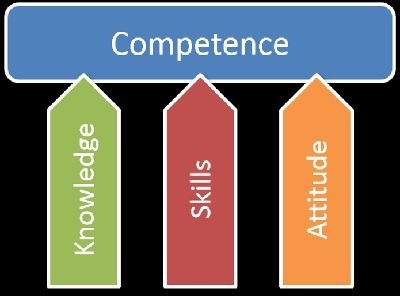
Develop Knowledge Skill and Competence
Developing knowledge, skills, and competence is a continuous and dynamic process that involves acquiring, refining, and applying expertise in various domains. Whether you’re an individual seeking personal development or an organization focusing on employee growth, here’s a guide on how to develop knowledge, skills, and competence:
1. Set Clear Goals:
Individual Level:
- Define Personal Objectives: Clearly outline what you want to achieve in terms of knowledge, skills, and competence.
- Identify Areas of Improvement: Assess your current strengths and weaknesses to determine where development is needed.
Organizational Level:
- Align with Business Objectives: Ensure that individual development goals align with the overall goals and strategy of the organization.
- Identify Critical Skills: Identify key skills and competencies necessary for individual and organizational success.
2. Continuous Learning:
Individual Level:
- Lifelong Learning Mindset: Cultivate a mindset that embraces continuous learning and improvement.
- Explore Various Learning Resources: Utilize books, online courses, webinars, podcasts, and workshops to gain knowledge.
Organizational Level:
- Provide Learning Opportunities: Offer access to training programs, workshops, and resources to employees.
- Encourage Collaboration: Foster a culture where employees can share knowledge and learn from each other.
3. Skill Development:
Individual Level:
- Practice Regularly: Skills are honed through consistent practice, so allocate time to practice regularly.
- Seek Feedback: Actively seek feedback from peers, mentors, or supervisors to identify areas for improvement.
Organizational Level:
- Training Programs: Implement targeted training programs that focus on skill development relevant to job roles.
- Mentorship and Coaching: Provide mentorship opportunities to help employees develop skills under the guidance of experienced mentors.
4. Competence Enhancement:
Individual Level:
- Apply Knowledge in Real Scenarios: Actively apply acquired knowledge and skills in real-world situations.
- Reflect and Iterate: Reflect on experiences, learn from mistakes, and iterate on approaches to improve competence.
Organizational Level:
- Performance Management: Establish performance management systems that recognize and reward competence.
- Create a Learning Culture: Foster a culture that values competence development and encourages employees to share insights.
5. Networking:
Individual Level:
- Connect with Peers: Network with professionals in your field to exchange ideas and gain diverse perspectives.
- Participate in Industry Events: Attend conferences, webinars, and industry events to stay updated on trends and best practices.
Organizational Level:
- Facilitate Networking Opportunities: Encourage employees to attend industry events and facilitate networking within the organization.
- Cross-Functional Collaboration: Promote collaboration across different departments to enhance cross-functional competence.
6. Stay Adaptable:
Individual Level:
- Embrace Change: Stay open to new ideas, technologies, and methodologies to adapt to evolving landscapes.
- Cultivate Resilience: Develop resilience to navigate challenges and setbacks positively.
Organizational Level:
- Encourage Innovation: Foster an environment that encourages employees to propose and implement innovative ideas.
- Support Change Management: Provide resources and support during organizational changes to ensure a smooth transition.
7. Evaluate and Iterate:
Individual Level:
- Self-Assessment: Regularly assess your progress against your goals and adjust your learning plan accordingly.
- Feedback Loops: Solicit feedback from mentors, colleagues, or supervisors to gain external perspectives.
Organizational Level:
- Performance Reviews: Incorporate competence development into performance reviews to assess and recognize individual growth.
- Adapt Training Programs: Continuously assess the effectiveness of training programs and update them to address evolving needs.
Conclusion:
Developing knowledge, skills, and competence is a lifelong journey that requires commitment, curiosity, and a proactive approach. Whether at an individual or organizational level, the key is to embrace a continuous learning mindset, stay adaptable, and regularly evaluate and iterate on the development strategy. Through intentional efforts and a dedication to growth, individuals and organizations can thrive in an ever-changing environment.
Developing knowledge and competence is a multifaceted process that involves a combination of intentional actions, learning strategies, and ongoing efforts. Whether you are an individual seeking personal development or an organization aiming to enhance the skills and competencies of its workforce, here are the key elements required for developing knowledge and competence:
**1. Set Clear Objectives:
Individual Level:
- Define Personal Goals: Clearly articulate what knowledge and competencies you want to develop.
- Establish Milestones: Break down larger goals into smaller, achievable milestones.
Organizational Level:
- Align with Organizational Goals: Ensure that individual development goals align with the strategic objectives of the organization.
- Identify Critical Competencies: Identify the key competencies required for individual and organizational success.
**2. Continuous Learning Culture:
Individual Level:
- Embrace a Growth Mindset: Cultivate a mindset that views challenges as opportunities for learning and growth.
- Utilize Diverse Learning Resources: Explore books, online courses, workshops, and mentorship to gain knowledge.
Organizational Level:
- Provide Learning Opportunities: Offer access to training programs, workshops, conferences, and industry events.
- Encourage Knowledge Sharing: Foster a culture where employees share their expertise and learn from each other.
**3. Skill Development:
Individual Level:
- Practice Regularly: Skills are developed through consistent practice, so allocate time for deliberate practice.
- Seek Feedback: Actively seek feedback from mentors, peers, or supervisors to identify areas for improvement.
Organizational Level:
- Tailored Training Programs: Implement training programs that address specific skill gaps identified in the workforce.
- Promote Cross-Training: Encourage employees to diversify their skill set through cross-training and exposure to different roles.
**4. Application of Knowledge:
Individual Level:
- Apply Learning in Real Contexts: Actively apply acquired knowledge and skills in practical, real-world situations.
- Reflect on Experiences: Reflect on experiences, learn from mistakes, and refine approaches for continuous improvement.
Organizational Level:
- Promote Knowledge Application: Create opportunities for employees to apply newly acquired knowledge and skills in their roles.
- Encourage Projects and Challenges: Assign challenging projects that require the application of both existing and newly acquired competencies.
**5. Feedback and Evaluation:
Individual Level:
- Solicit Regular Feedback: Seek feedback from mentors, colleagues, or supervisors to assess progress.
- Self-Assessment: Conduct regular self-assessments to identify areas for improvement.
Organizational Level:
- Performance Reviews: Integrate competence development into performance reviews to recognize and reward growth.
- 360-Degree Feedback: Implement a 360-degree feedback system to gather input from peers, subordinates, and supervisors.
**6. Networking and Collaboration:
Individual Level:
- Network Professionally: Engage with professionals in your field to exchange ideas and broaden your perspectives.
- Collaborate on Projects: Work collaboratively on projects to gain exposure to diverse skill sets and approaches.
Organizational Level:
- Facilitate Cross-Functional Teams: Encourage collaboration between individuals from different departments to foster knowledge exchange.
- Organize Networking Events: Facilitate events that bring employees together for networking and knowledge-sharing.
**7. Adaptability and Resilience:
Individual Level:
- Stay Adaptable: Embrace change and proactively seek opportunities to learn new things.
- Cultivate Resilience: Develop the ability to bounce back from setbacks and learn from challenges.
Organizational Level:
- Support Continuous Learning: Create an environment that supports employees in adapting to changes and acquiring new skills.
- Encourage Innovation: Foster a culture where employees are encouraged to experiment, innovate, and contribute to continuous improvement.
**8. Technology and Tools:
Individual Level:
- Stay Tech-Savvy: Stay updated on technological advancements relevant to your field.
- Master Relevant Tools: Familiarize yourself with tools and technologies commonly used in your industry.
Organizational Level:
- Provide Access to Tools: Ensure that employees have access to and training on the latest tools relevant to their roles.
- Invest in Technological Training: Support employees in gaining proficiency in technologies that enhance their competencies.
**9. Continuous Evaluation and Improvement:
Individual Level:
- Regular Self-Assessment: Conduct regular assessments to identify areas for improvement and adjust your learning plan accordingly.
- Iterate Learning Strategies: If certain approaches are not yielding desired results, be willing to iterate and try alternative learning strategies.
Organizational Level:
- Learning Culture: Foster a culture where continuous learning and improvement are embedded in the organizational DNA.
- Adapt Training Programs: Continuously assess the effectiveness of training programs and make adjustments based on feedback and evolving needs.
Conclusion:
Developing knowledge and competence is an ongoing and dynamic process that requires a proactive and intentional approach. Whether at the individual or organizational level, the key is to set clear objectives, cultivate a culture of continuous learning, actively apply knowledge and skills, seek feedback, and adapt to change. Through these efforts, individuals and organizations can thrive in an ever-evolving landscape and stay at the forefront of their respective fields.
The need to develop knowledge, skills, and competence is relevant for individuals, professionals, and organizations across various sectors. Here’s a breakdown of who is required to focus on this development:
**1. Individuals:
Students and Learners:
- High School and College Students: Individuals pursuing education can focus on developing foundational knowledge and skills relevant to their field of study.
- Graduate Students and Researchers: Advanced students engage in continuous learning and skill development to contribute to their academic and research pursuits.
Working Professionals:
- Entry-Level Employees: Those starting their careers need to develop industry-specific knowledge and skills.
- Mid-Career Professionals: Individuals in mid-career may focus on enhancing their existing skills, adapting to changes in their industry, and pursuing further education.
- Senior Executives and Leaders: Continuous learning is crucial for leaders to stay informed about industry trends, technology, and leadership strategies.
Career Changers:
- Individuals transitioning to new careers may need to acquire new knowledge and skills relevant to their chosen field.
**2. Professionals in Specific Fields:
Information Technology (IT) Professionals:
- Software developers, system administrators, and IT managers need to stay updated on the latest technologies and programming languages.
Healthcare Professionals:
- Doctors, nurses, and healthcare administrators must continuously learn about advancements in medical practices, technology, and healthcare policies.
Finance and Business Professionals:
- Financial analysts, accountants, and business executives need to stay informed about economic trends, regulatory changes, and financial strategies.
Engineering Professionals:
- Engineers in various disciplines should stay abreast of advancements in technology, materials, and design principles.
Creative and Artistic Professionals:
- Writers, artists, musicians, and designers benefit from continuous skill development to stay relevant and innovative in their creative fields.
**3. Entrepreneurs:
- Entrepreneurs and business owners need a broad range of skills, including business acumen, leadership, financial management, and industry-specific knowledge.
**4. Organizations:
Small and Medium-Sized Enterprises (SMEs):
- SMEs need to invest in the continuous development of their employees’ skills to remain competitive in the market.
Large Corporations:
- Large organizations must focus on workforce development, leadership training, and adapting to industry changes.
Government Agencies:
- Government agencies require employees with specialized skills and knowledge to fulfill their roles effectively.
Nonprofit Organizations:
- Nonprofits benefit from skilled professionals who can address specific social issues and contribute to organizational goals.
**5. Industries and Sectors:
- Every industry, whether technology, healthcare, finance, or manufacturing, requires professionals with up-to-date knowledge and skills relevant to that sector.
**6. Global Workforce:
- In the age of globalization, professionals worldwide need to develop cross-cultural competencies and stay informed about global industry trends.
Conclusion:
The requirement to develop knowledge, skills, and competence is universal and spans individuals at various stages of their careers, professionals in specific fields, entrepreneurs, organizations of all sizes, and entire industries. Embracing a culture of continuous learning and skill development is crucial for personal and professional growth and for staying competitive in a rapidly evolving world.
When is required Develop Knowledge Skill and Competence
The need to develop knowledge, skills, and competence is continuous and arises in various situations and stages throughout an individual’s life and career. Here are some key instances when this development is especially crucial:
**1. Education and Academic Pursuits:
High School and College:
- When Required: As students progress through high school and college, they are required to acquire foundational knowledge and skills in various subjects.
Graduate and Postgraduate Studies:
- When Required: Individuals pursuing advanced degrees engage in continuous learning and research to deepen their expertise in specific fields.
**2. Entry into the Workforce:
Entry-Level Jobs:
- When Required: Upon entering the workforce, individuals need to develop job-specific skills and knowledge relevant to their roles.
**3. Career Advancement:
Mid-Career Professionals:
- When Required: Mid-career professionals often seek additional training and education to advance in their careers, stay competitive, and adapt to industry changes.
Leaders and Managers:
- When Required: Executives, managers, and leaders continuously develop leadership skills, strategic thinking, and industry-specific knowledge to guide their teams and organizations effectively.
**4. Career Transitions:
Change of Industry or Role:
- When Required: Individuals transitioning to a new industry or role need to acquire new skills and knowledge relevant to the new environment.
**5. Technological Advances:
Emergence of New Technologies:
- When Required: Professionals in fields like information technology, engineering, and healthcare must continually update their skills to adapt to emerging technologies.
**6. Industry Changes and Regulations:
Changes in Industry Practices:
- When Required: Professionals need to adapt to changes in industry practices, regulations, and standards to remain compliant and effective in their roles.
**7. Globalization and Cross-Cultural Competence:
Global Work Environment:
- When Required: In a globalized world, individuals working in international settings must develop cross-cultural competencies to collaborate effectively.
**8. Entrepreneurship:
Starting a Business:
- When Required: Entrepreneurs and small business owners continually develop a range of skills, from business management to marketing and finance.
**9. Organizational Changes:
Mergers and Acquisitions:
- When Required: During organizational changes, employees may need to acquire new skills or adapt existing ones to align with the company’s evolving goals.
**10. Personal Development:
Lifelong Learning:
- When Required: Individuals committed to personal development and lifelong learning engage in continuous skill development, even when not directly linked to their current roles.
Conclusion:
The need to develop knowledge, skills, and competence is not confined to specific moments; it is a continuous process that evolves with changing circumstances, career stages, and industry trends. Individuals and organizations that recognize the importance of ongoing development are better positioned to thrive in dynamic and competitive environments.
The requirement to develop knowledge, skills, and competence exists in various contexts and environments. Here are some key areas where the development of these attributes is essential:
**1. Education and Academia:
Schools and Universities:
- Where Required: Educational institutions at all levels, from primary schools to universities, emphasize the development of foundational knowledge and skills.
**2. Workplace and Professional Settings:
Workforce Development:
- Where Required: In the workplace, employers often encourage and provide opportunities for employees to develop job-specific skills and competencies.
Professional Organizations:
- Where Required: Membership in professional organizations often comes with expectations for ongoing professional development to stay current in the field.
**3. Career-Specific Environments:
Technical and Vocational Training Centers:
- Where Required: Individuals seeking careers in technical fields often attend vocational training centers to acquire specific skills relevant to their chosen professions.
Industry-Specific Training Programs:
- Where Required: Many industries offer specialized training programs to ensure that professionals have the necessary skills and competencies for their roles.
**4. Leadership and Management:
Leadership Training Programs:
- Where Required: Organizations invest in leadership training programs to develop the leadership and management skills of their executives and managers.
Business Schools and Executive Education Programs:
- Where Required: Individuals seeking advanced leadership and management skills often attend business schools or executive education programs.
**5. Technological and Digital Environments:
IT and Technology Training Centers:
- Where Required: In the rapidly evolving field of technology, individuals attend training centers to stay updated on the latest programming languages, tools, and technologies.
Digital Skill Development Programs:
- Where Required: With the increasing digitization of various industries, there’s a growing need for individuals to develop digital skills, such as data analysis, digital marketing, and cybersecurity.
**6. Global Workforce:
Cross-Cultural Training Programs:
- Where Required: Individuals working in international settings or multicultural environments often undergo cross-cultural training to develop cultural competence.
**7. Entrepreneurship and Small Business:
Entrepreneurial Training Programs:
- Where Required: Entrepreneurs and small business owners may attend training programs to develop business management skills, financial acumen, and marketing strategies.
**8. Community and Social Settings:
Community Education Programs:
- Where Required: Community education programs provide opportunities for individuals to develop a range of skills, from practical skills to personal development.
Nonprofit and Social Organizations:
- Where Required: Professionals working in nonprofit and social organizations may need to develop specific skills related to community engagement, fundraising, and advocacy.
**9. Continuous Learning Platforms:
Online Learning Platforms:
- Where Required: Online platforms offer a wide range of courses for individuals looking to develop knowledge and skills in various domains.
Professional Development Workshops and Seminars:
- Where Required: Many professionals attend workshops and seminars to stay updated on industry trends and enhance their expertise.
Conclusion:
The need to develop knowledge, skills, and competence spans various sectors, industries, and environments. From formal education to workplace training, from leadership development to community programs, there are numerous contexts where individuals are required to continuously enhance their abilities to thrive in their chosen fiel
The process of developing knowledge, skills, and competence is multifaceted and involves a combination of intentional actions, strategies, and ongoing efforts. Whether you are an individual seeking personal development or an organization focusing on employee growth, here’s a guide on how to develop knowledge, skills, and competence:
1. Set Clear Objectives:
Individual Level:
- Define Personal Goals: Clearly articulate what knowledge, skills, and competence you want to develop.
- Establish Milestones: Break down larger goals into smaller, achievable milestones.
Organizational Level:
- Align with Organizational Goals: Ensure that individual development goals align with the strategic objectives of the organization.
- Identify Critical Competencies: Identify the key competencies required for individual and organizational success.
2. Continuous Learning:
Individual Level:
- Embrace a Growth Mindset: Cultivate a mindset that views challenges as opportunities for learning and growth.
- Utilize Diverse Learning Resources: Explore books, online courses, workshops, and mentorship to gain knowledge.
Organizational Level:
- Provide Learning Opportunities: Offer access to training programs, workshops, conferences, and industry events.
- Encourage Knowledge Sharing: Foster a culture where employees share their expertise and learn from each other.
3. Skill Development:
Individual Level:
- Practice Regularly: Skills are developed through consistent practice, so allocate time for deliberate practice.
- Seek Feedback: Actively seek feedback from mentors, peers, or supervisors to identify areas for improvement.
Organizational Level:
- Tailored Training Programs: Implement training programs that address specific skill gaps identified in the workforce.
- Promote Cross-Training: Encourage employees to diversify their skill set through cross-training and exposure to different roles.
4. Application of Knowledge:
Individual Level:
- Apply Learning in Real Contexts: Actively apply acquired knowledge and skills in practical, real-world situations.
- Reflect on Experiences: Reflect on experiences, learn from mistakes, and refine approaches for continuous improvement.
Organizational Level:
- Promote Knowledge Application: Create opportunities for employees to apply newly acquired knowledge and skills in their roles.
- Encourage Projects and Challenges: Assign challenging projects that require the application of both existing and newly acquired competencies.
5. Feedback and Evaluation:
Individual Level:
- Solicit Regular Feedback: Seek feedback from mentors, colleagues, or supervisors to assess progress.
- Self-Assessment: Conduct regular self-assessments to identify areas for improvement.
Organizational Level:
- Performance Reviews: Integrate competence development into performance reviews to recognize and reward growth.
- 360-Degree Feedback: Implement a 360-degree feedback system to gather input from peers, subordinates, and supervisors.
6. Networking and Collaboration:
Individual Level:
- Network Professionally: Engage with professionals in your field to exchange ideas and broaden your perspectives.
- Collaborate on Projects: Work collaboratively on projects to gain exposure to diverse skill sets and approaches.
Organizational Level:
- Facilitate Cross-Functional Teams: Encourage collaboration between individuals from different departments to foster knowledge exchange.
- Organize Networking Events: Facilitate events that bring employees together for networking and knowledge-sharing.
7. Adaptability and Resilience:
Individual Level:
- Stay Adaptable: Embrace change and proactively seek opportunities to learn new things.
- Cultivate Resilience: Develop the ability to bounce back from setbacks and learn from challenges.
Organizational Level:
- Support Continuous Learning: Create an environment that supports employees in adapting to changes and acquiring new skills.
- Encourage Innovation: Foster a culture where employees are encouraged to experiment, innovate, and contribute to continuous improvement.
8. Technology and Tools:
Individual Level:
- Stay Tech-Savvy: Stay updated on technological advancements relevant to your field.
- Master Relevant Tools: Familiarize yourself with tools and technologies commonly used in your industry.
Organizational Level:
- Provide Access to Tools: Ensure that employees have access to and training on the latest tools relevant to their roles.
- Invest in Technological Training: Support employees in gaining proficiency in technologies that enhance their competencies.
9. Continuous Evaluation and Improvement:
Individual Level:
- Regular Self-Assessment: Conduct regular assessments to identify areas for improvement and adjust your learning plan accordingly.
- Iterate Learning Strategies: If certain approaches are not yielding desired results, be willing to iterate and try alternative learning strategies.
Organizational Level:
- Learning Culture: Foster a culture where continuous learning and improvement are embedded in the organizational DNA.
- Adapt Training Programs: Continuously assess the effectiveness of training programs and make adjustments based on feedback and evolving needs.
Conclusion:
Developing knowledge, skills, and competence is an ongoing and dynamic process that requires a proactive and intentional approach. Whether at the individual or organizational level, the key is to set clear objectives, cultivate a culture of continuous learning, actively apply knowledge and skills, seek feedback, and adapt to change. Through these efforts, individuals and organizations can thrive in an ever-evolving landscape.
Case Study: Developing Knowledge, Skills, and Competence in a Technology Company
Introduction: XYZ Tech Solutions, a leading technology company, recognized the importance of continuous learning and skill development to stay competitive in the rapidly evolving tech landscape. The organization implemented a comprehensive strategy to foster the development of knowledge, skills, and competence among its employees.
Challenge: XYZ Tech Solutions faced the challenge of keeping its workforce updated with the latest technologies, ensuring that employees possessed the necessary skills to address client needs, and preparing the organization for future advancements in the tech industry.
Strategy Implementation:
- Needs Assessment:
- Conducted a thorough needs assessment to identify skills gaps and areas for improvement among employees.
- Engaged in regular discussions with team leaders and employees to understand individual career goals and aspirations.
- Training Programs:
- Implemented tailored training programs based on the identified needs, including technical workshops, coding bootcamps, and certifications.
- Collaborated with external training providers and industry experts to deliver specialized training sessions.
- Continuous Learning Platforms:
- Subscribed to online learning platforms and provided employees with access to a vast library of courses covering various technologies, programming languages, and soft skills.
- Encouraged employees to allocate dedicated time for self-paced learning.
- Mentorship and Coaching:
- Introduced a mentorship program where experienced employees guided newer team members in skill development.
- Facilitated coaching sessions to help employees set and achieve career development goals.
- Cross-Functional Collaboration:
- Encouraged cross-functional collaboration by organizing hackathons, innovation challenges, and collaborative projects.
- Provided opportunities for employees to work on projects outside their usual roles to diversify their skill sets.
- Feedback Mechanism:
- Established a regular feedback mechanism, including 360-degree feedback and performance reviews focused on skill development.
- Used feedback to identify areas for improvement and tailor future training initiatives.
Results:
- Increased Technical Proficiency:
- Employees demonstrated improved technical proficiency in emerging technologies such as artificial intelligence, machine learning, and cloud computing.
- Enhanced Problem-Solving Skills:
- Through collaborative projects and problem-solving exercises, employees developed enhanced critical thinking and analytical skills.
- Higher Employee Engagement:
- The emphasis on continuous learning and skill development contributed to higher employee engagement, job satisfaction, and a sense of professional growth.
- Improved Client Satisfaction:
- The organization witnessed increased client satisfaction as employees were better equipped to deliver innovative solutions and address client needs effectively.
- Reduced Turnover:
- The investment in employee development contributed to a reduction in turnover rates, as employees felt valued and recognized for their contributions.
White Paper: Strategies for Developing Knowledge, Skills, and Competence in the Modern Workplace
Abstract: This white paper explores the critical role of continuous learning and skill development in today’s dynamic and competitive business environment. As organizations face evolving challenges and technological advancements, the need for employees to continually acquire and refine their knowledge, skills, and competence has become paramount. This paper examines effective strategies for individual and organizational development, offering insights into creating a culture that fosters ongoing growth and adaptability.
1. Introduction: The Imperative of Continuous Development
In the ever-changing landscape of business and technology, organizations must prioritize the development of their workforce. This section outlines the challenges posed by rapid industry changes, the importance of staying current, and the benefits of investing in the continuous development of knowledge, skills, and competence.
2. Individual Development Strategies: Empowering Employees for Success
- Personalized Learning Plans: Discusses the importance of individualized learning plans tailored to employees’ roles, career goals, and preferred learning styles.
- Mentorship and Coaching: Explores the role of mentorship and coaching in providing guidance, feedback, and support for individual development.
- Self-Directed Learning: Highlights the benefits of empowering employees to take control of their learning journey through self-directed learning initiatives.
3. Organizational Initiatives: Creating a Learning Culture
- Training Programs and Workshops: Examines the impact of targeted training programs, workshops, and seminars on building organizational competence.
- Cross-Functional Collaboration: Discusses the advantages of promoting collaboration between teams and departments to foster knowledge exchange and diverse skill sets.
- Performance Feedback and Reviews: Explores the integration of performance reviews and feedback mechanisms to assess and recognize competence development.
4. Technological Integration: Leveraging Tools for Development
- Online Learning Platforms: Discusses the role of online learning platforms in providing accessible and up-to-date resources for knowledge and skill development.
- Technology-Specific Training: Explores the importance of investing in training programs that address technological advancements relevant to the organization’s industry.
- Data-Driven Insights: Highlights the use of data analytics to track and analyze employee development, enabling informed decision-making.
5. Case Studies: Real-World Success Stories
- Profiles of Organizations: Showcases examples of organizations that have successfully implemented strategies for knowledge, skills, and competence development.
- Measurable Outcomes: Discusses the tangible results achieved by organizations in terms of increased productivity, employee satisfaction, and organizational growth.
6. Overcoming Challenges: Navigating Barriers to Development
- Resistance to Change: Explores strategies for overcoming resistance to change and fostering a positive attitude toward continuous development.
- Resource Constraints: Provides insights into managing resource constraints and implementing cost-effective development initiatives.
- Balancing Work and Learning: Discusses strategies for striking a balance between work responsibilities and ongoing learning.
7. Future Trends: Adapting to the Evolving Landscape
- Continuous Learning as a Core Value: Discusses the shift toward making continuous learning a core organizational value.
- Integration of AI and Adaptive Learning: Explores the potential of artificial intelligence and adaptive learning technologies in personalized skill development.
- Global Collaboration and Remote Learning: Highlights the growing importance of global collaboration and remote learning in the modern workplace.
8. Conclusion: A Roadmap for Sustainable Development
- Key Takeaways: Summarizes the key strategies and insights discussed in the white paper.
- Call to Action: Encourages organizations to prioritize the development of knowledge, skills, and competence as a fundamental aspect of long-term success.
This white paper serves as a comprehensive guide for organizations seeking to navigate the complexities of developing knowledge, skills, and competence in a rapidly changing world. By adopting the strategies outlined in this paper, organizations can create a culture of continuous learning, empowering their workforce to thrive in the face of evolving challenges and opportunities.