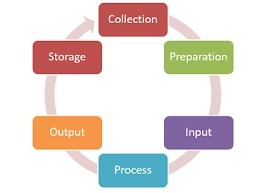
Concept of Data Processing
Data Processing: Unveiling the Core Concepts
Executive Summary:
In the digital age, where information is ubiquitous, understanding the concept of data processing is paramount. This document explores the fundamental concepts, stages, and methods of data processing, shedding light on its significance in contemporary applications.
Table of Contents:
- Introduction to Data Processing:
- Definition and Overview
- Evolution from Manual to Digital Processing
- Stages of Data Processing:
- Data Collection:
- Importance of Accurate and Relevant Data
- Methods of Data Collection
- Data Input:
- Technologies and Devices for Data Input
- Input Validation and Cleaning
- Data Processing:
- Algorithms and Logic in Data Processing
- Central Processing Unit (CPU) and Parallel Processing
- Data Storage:
- Database Systems and Storage Technologies
- Data Warehousing and Cloud Storage
- Data Output:
- Presentation and Visualization of Processed Data
- Output Devices and Formats
- Methods of Data Processing:
- Batch Processing:
- Processing Data in Batches or Groups
- Common Applications and Advantages
- Real-time Processing:
- Immediate Processing of Data as It Arrives
- Applications and Challenges
- Distributed Processing:
- Parallel Processing Across Multiple Systems
- Scalability and Fault Tolerance
- Data Processing Technologies:
- Machine Learning and Artificial Intelligence:
- Automating Data Processing through Algorithms
- Applications and Ethical Considerations
- Big Data Processing:
- Managing and Analyzing Large Volumes of Data
- Tools and Frameworks
- Security and Privacy in Data Processing:
- Data Encryption:
- Protecting Data During Processing and Storage
- Encryption Algorithms and Techniques
- Data Privacy Regulations:
- Compliance and Implications
- Balancing Innovation with Privacy Concerns
- Challenges in Data Processing:
- Volume and Velocity:
- Dealing with Large Volumes of Data in Real-Time
- Quality and Accuracy:
- Ensuring Data Integrity and Accuracy
- Security Challenges:
- Protecting Against Cyber Threats and Unauthorized Access
- Future Trends in Data Processing:
- Edge Computing:
- Processing Data Closer to the Source
- Quantum Computing:
- Potential for Revolutionizing Data Processing
- Blockchain Technology:
- Enhancing Security and Transparency in Data Transactions
- Conclusion:
- Recap of Key Concepts
- The Ongoing Evolution of Data Processing
Appendices:
- Glossary of Key Terms
- Recommended Reading and Resources
- Acknowledgments
Author Bio:
Provide a brief biography of the author, highlighting their expertise in data processing, technology, or related fields.
Acknowledgments:
Express gratitude to contributors, reviewers, and organizations that contributed to the creation of this document.
This exploration of data processing aims to empower readers with a comprehensive understanding of its core concepts, methodologies, and emerging trends, bridging the gap between data and meaningful insights in our increasingly digitized world.
What is required Concept of Data Processing
The concept of data processing involves the conversion of raw data into meaningful information through a series of organized steps. Here’s what is required to understand the concept of data processing:
- Understanding Raw Data:
- Raw data is the starting point. It can be in various forms such as numbers, text, images, or other formats. Understanding the nature and sources of raw data is crucial.
- Data Collection:
- Gathering relevant data is the first stage. This can involve manual data entry, automated data collection systems, or a combination of both. Ensuring the accuracy and completeness of collected data is essential.
- Data Input:
- The collected data needs to be input into a computer system. This can involve data entry through keyboards, scanning of documents, sensors capturing real-time data, or other input methods.
- Data Processing Algorithms:
- Algorithms are sets of instructions that define how data should be processed. Understanding the logic behind these algorithms is crucial. This includes mathematical calculations, logic operations, sorting, filtering, and more.
- Central Processing Unit (CPU):
- The CPU is the brain of a computer that executes the instructions specified by the data processing algorithms. Understanding the role of the CPU in processing data is fundamental.
- Data Storage:
- Processed data needs to be stored for future use. This involves understanding different storage systems such as databases, file systems, and cloud storage.
- Data Output:
- The results of data processing need to be presented to users in a human-readable format. This can involve generating reports, visualizations, or other forms of output.
- Batch Processing vs. Real-time Processing:
- Understanding the difference between batch processing (processing data in groups) and real-time processing (processing data as it is received) is crucial. Different applications may require different processing approaches.
- Data Security Measures:
- Considering security measures to protect data during processing is essential. This involves encryption, access controls, and other security protocols.
- Quality Assurance:
- Ensuring the quality of processed data is crucial. This involves validating and cleaning data to eliminate errors and inaccuracies.
- Scalability:
- Systems should be designed to handle increasing amounts of data as the organization grows. Scalability is a key consideration in data processing.
- Ethical Considerations:
- Understanding the ethical implications of processing data, especially when dealing with sensitive information, is important. This includes privacy concerns and compliance with data protection regulations.
- Adaptability to Emerging Technologies:
- The field of data processing continually evolves with technological advancements. Being aware of and adapting to new technologies such as machine learning, big data processing, and blockchain is essential.
- Continuous Improvement:
- Data processing systems should be subject to continuous improvement. Regularly reviewing and optimizing processes ensures efficiency and relevance.
- Documentation:
- Documenting data processing procedures, algorithms, and decisions is crucial for maintaining transparency, collaboration, and troubleshooting.
By considering these elements, individuals can develop a comprehensive understanding of the concept of data processing and its role in transforming raw data into meaningful information for decision-making and analysis.
Who is required Computer and its Components
The need for computers and their components spans across various individuals, organizations, and industries. Here are some key stakeholders who require computers and their components:
- Individuals:
- Students: For educational purposes, research, and personal use.
- Professionals: To perform work-related tasks, communicate, and collaborate.
- Gamers: To run video games and engage in gaming experiences.
- Businesses and Organizations:
- Small Businesses: For day-to-day operations, record-keeping, and communication.
- Large Corporations: To manage complex business processes, data analytics, and collaboration.
- Startups: To develop and run software applications, conduct research, and manage operations.
- Educational Institutions:
- Schools: To support teaching, learning, and administrative tasks.
- Universities: For research, academic activities, and managing campus operations.
- Government Agencies:
- Administrative Agencies: For managing government operations, data collection, and public services.
- Research Institutions: For scientific research, data analysis, and policy development.
- Healthcare Providers:
- Hospitals and Clinics: To manage patient records, medical imaging, and healthcare administration.
- Research Institutions: For medical research, drug discovery, and epidemiological studies.
- Creative Professionals:
- Graphic Designers: To run graphic design software and create visual content.
- Video Editors: For video editing and production tasks.
- Architects and Engineers: To run design and CAD software for architectural and engineering projects.
- Scientists and Researchers:
- Research Institutions: For conducting experiments, simulations, and data analysis.
- Space Agencies: For managing space exploration missions and analyzing astronomical data.
- Financial Institutions:
- Banks: To manage financial transactions, customer accounts, and data analytics.
- Investment Firms: For financial modeling, risk analysis, and trading activities.
- Manufacturing and Industry:
- Manufacturing Plants: For process control, automation, and quality assurance.
- Logistics Companies: For managing supply chains and inventory.
- Agricultural Sector:
- Farmers: To access agricultural information, manage crops, and monitor weather conditions.
- Agricultural Research Institutions: For agricultural research, data analysis, and innovation.
- Telecommunication Companies:
- Network Operators: To manage telecommunication networks, data traffic, and customer services.
- Entertainment Industry:
- Media Companies: For content creation, editing, and distribution.
- Gaming Studios: For developing and running video games.
- Nonprofit Organizations:
- NGOs and Charities: To manage operations, fundraising, and advocacy efforts.
- Home Users:
- Individuals use computers for personal tasks, entertainment, and communication.
In essence, computers and their components are required by a diverse range of users and organizations across various sectors. The specific requirements vary based on the intended use, whether for personal, professional, educational, or industrial purposes.
When is required Concept of Data Processing
The concept of data processing is required in various situations and scenarios where there is a need to organize, analyze, and derive meaningful insights from raw data. Here are some situations where the concept of data processing is essential:
- Business Operations:
- In daily business activities, organizations process data related to sales, inventory, customer interactions, and financial transactions to make informed decisions and improve efficiency.
- Research and Analysis:
- Researchers and analysts use data processing to analyze research findings, conduct experiments, and draw conclusions in fields such as science, social sciences, economics, and more.
- Education:
- Educational institutions process student data, grades, and attendance records. Data processing is also used in educational research and analysis to improve teaching methods and curriculum development.
- Healthcare:
- Hospitals and healthcare providers process patient data for medical records, treatment plans, and billing. Data processing is vital for medical research and clinical trials.
- Finance and Banking:
- Financial institutions use data processing for managing transactions, risk analysis, fraud detection, and customer account management.
- E-commerce:
- Online retailers process vast amounts of data related to customer transactions, product preferences, and inventory management to enhance the shopping experience and optimize business operations.
- Government and Public Services:
- Governments process data for census, public health monitoring, law enforcement, tax collection, and other public services to make informed policy decisions.
- Manufacturing and Industry:
- Manufacturing plants use data processing for quality control, supply chain management, and process optimization to ensure efficient production.
- Telecommunications:
- Telecommunication companies process data to manage networks, analyze call patterns, and optimize infrastructure for efficient communication services.
- Entertainment and Media:
- Entertainment industries use data processing for content creation, audience analysis, and personalized recommendations.
- Agriculture:
- Farmers and agricultural businesses use data processing for precision farming, weather forecasting, and crop management.
- Human Resources:
- Organizations process HR data for employee management, payroll processing, and workforce planning.
- Social Media:
- Social media platforms process user data for personalized content delivery, targeted advertising, and user engagement analysis.
- Energy and Utilities:
- Utility companies use data processing for monitoring energy consumption, managing grids, and optimizing resource distribution.
- Transportation and Logistics:
- Companies in the transportation sector use data processing for route optimization, tracking shipments, and managing logistics.
- Smart Cities:
- Cities use data processing for urban planning, traffic management, and public services to create efficient and sustainable urban environments.
In summary, the concept of data processing is required whenever there is a need to manage, analyze, and extract valuable information from data, spanning across various industries and sectors. The application of data processing is ubiquitous in today’s data-driven world.
Where is required Concept of Data Processing
The concept of data processing is required in a wide array of fields and industries where there is a need to manage, analyze, and derive insights from data. Here are some specific areas where the concept of data processing is crucial:
- Business and Commerce:
- Sales and Marketing: Analyzing customer data, sales trends, and marketing campaign performance.
- Supply Chain Management: Optimizing inventory, logistics, and procurement processes through data analysis.
- Finance: Managing financial transactions, conducting risk analysis, and financial forecasting.
- Healthcare:
- Electronic Health Records (EHR): Maintaining and managing patient records for accurate healthcare delivery.
- Medical Research: Analyzing clinical trial data and medical research findings.
- Education:
- Student Information Systems (SIS): Managing student data, grades, and academic performance.
- Educational Research: Analyzing educational data for improving teaching methods and curriculum design.
- Government and Public Services:
- Census and Demographics: Collecting, processing, and analyzing population data for policy planning.
- Law Enforcement: Analyzing crime data for predictive policing and criminal investigations.
- Finance and Banking:
- Transaction Processing: Managing and processing financial transactions securely.
- Fraud Detection: Analyzing patterns to identify and prevent fraudulent activities.
- Technology and IT:
- Network Management: Processing data for monitoring and optimizing network performance.
- Cybersecurity: Analyzing data for identifying and mitigating cybersecurity threats.
- Manufacturing and Industry:
- Quality Control: Processing data to ensure product quality and adherence to manufacturing standards.
- Predictive Maintenance: Analyzing machine data to predict and prevent equipment failures.
- Agriculture:
- Precision Farming: Processing data for optimizing crop yield, irrigation, and resource management.
- Weather Forecasting: Analyzing meteorological data for planning agricultural activities.
- Telecommunications:
- Call Data Records (CDR): Processing data for billing, network optimization, and customer service.
- Customer Behavior Analysis: Analyzing data to understand and cater to customer preferences.
- Transportation and Logistics:
- Route Optimization: Processing data to optimize transportation routes and reduce fuel consumption.
- Inventory Management: Analyzing data for efficient supply chain and logistics operations.
- Energy and Utilities:
- Smart Grids: Processing data for monitoring and optimizing energy distribution.
- Resource Management: Analyzing data for efficient utilization of energy resources.
- Entertainment and Media:
- Content Recommendation: Processing user data for personalized content recommendations.
- Audience Analytics: Analyzing viewer data for content optimization and marketing strategies.
- Environmental Science:
- Climate Modeling: Processing environmental data for climate modeling and prediction.
- Natural Resource Management: Analyzing data for sustainable resource management.
- Social Media and Technology Platforms:
- User Engagement Analysis: Processing user data for improving platform features and user experience.
- Ad Targeting: Analyzing user data for targeted advertising.
- Human Resources:
- Payroll Processing: Managing salary and compensation data for employees.
- Workforce Analytics: Analyzing HR data for talent management and organizational development.
The concept of data processing is pervasive and plays a critical role in enhancing efficiency, decision-making, and innovation across diverse industries and sectors.
How is required Concept of Data Processing
The concept of data processing is required in various ways, and its necessity is deeply rooted in the modern digital landscape. Here’s how the concept of data processing is essential:
- Information Extraction:
- Why: Raw data, in its original form, lacks organization and meaning. Data processing is required to extract valuable information from this raw data.
- How: Through processing techniques such as sorting, filtering, and aggregating, information is organized and presented in a usable format.
- Decision-Making:
- Why: Businesses and organizations often deal with vast amounts of data. Processing this data is crucial for informed decision-making.
- How: Data processing involves analyzing historical data, current trends, and relevant variables to support decision-making processes.
- Automation and Efficiency:
- Why: Manual processing of data is time-consuming and error-prone. Automation through data processing enhances efficiency and reduces the likelihood of errors.
- How: Automated scripts, algorithms, and systems can process large volumes of data quickly and consistently.
- Pattern Recognition:
- Why: Patterns and trends within data can provide valuable insights. Recognizing these patterns is essential for understanding and predicting behavior.
- How: Data processing involves employing algorithms and statistical methods to identify patterns within datasets.
- Personalization:
- Why: In industries such as marketing and e-commerce, personalized experiences are crucial for customer engagement.
- How: By processing user data, organizations can tailor recommendations, content, and services based on individual preferences and behaviors.
- Risk Management:
- Why: Businesses need to identify and mitigate risks to ensure stability and longevity.
- How: Data processing involves risk analysis through techniques like statistical modeling and scenario analysis.
- Scientific Research:
- Why: Researchers rely on data processing to analyze experimental results, conduct simulations, and derive conclusions.
- How: Various scientific disciplines use data processing techniques to extract meaningful insights from research data.
- Real-time Decision Support:
- Why: In dynamic environments, real-time processing is crucial for making decisions based on the latest information.
- How: Technologies like real-time analytics and processing engines enable quick decision support.
- Customer Service and Interaction:
- Why: Businesses aim to provide seamless and personalized customer experiences.
- How: Data processing enables real-time analysis of customer interactions, leading to improved customer service and satisfaction.
- Security and Fraud Detection:
- Why: Detecting anomalies and unauthorized activities is critical for security.
- How: Data processing involves analyzing patterns and deviations to identify potential security threats and fraudulent activities.
- Innovation and Product Development:
- Why: Organizations strive to innovate and develop products that meet market demands.
- How: Data processing helps analyze market trends, customer feedback, and competitive landscapes to inform innovation and product development.
- Optimization of Processes:
- Why: Continuous improvement is vital for operational efficiency.
- How: By processing data on operational processes, organizations can identify areas for optimization and improvement.
In essence, the concept of data processing is required to transform raw data into actionable insights, drive decision-making, enhance efficiency, and support various applications across diverse domains. The methods and tools used for data processing continue to evolve with technological advancements, reflecting its ongoing importance in the digital age.
Case Study on Concept of Data Processing
Case Study: Optimizing Inventory Management through Data Processing
Background: XYZ Retail, a leading e-commerce platform, faced challenges in managing its vast inventory efficiently. With a diverse product range, fluctuations in demand, and seasonal trends, the company needed a solution to streamline its inventory management processes. The adoption of a robust data processing strategy was deemed essential to address these challenges.
Objectives:
- Improve Inventory Accuracy:
- Enhance the accuracy of inventory data to reduce instances of stockouts and overstocking.
- Optimize Order Fulfillment:
- Implement data-driven order fulfillment strategies to improve delivery times and customer satisfaction.
- Forecast Demand:
- Utilize historical sales data to forecast demand, enabling proactive inventory replenishment.
- Reduce Holding Costs:
- Minimize holding costs by optimizing stock levels and turnover rates.
Implementation:
- Data Collection:
- Collected data from various sources, including sales transactions, customer orders, and supplier information.
- Integrated data from online platforms, in-store POS systems, and suppliers’ databases.
- Data Cleaning and Validation:
- Implemented data cleaning processes to address inconsistencies and errors in the collected data.
- Validated data accuracy by cross-referencing information from multiple sources.
- Centralized Database:
- Established a centralized database to store and manage inventory data in real-time.
- Integrated the database with the company’s order processing and fulfillment systems.
- Implementing Data Processing Algorithms:
- Utilized data processing algorithms to analyze historical sales patterns, identify seasonal trends, and forecast future demand.
- Implemented algorithms for dynamic pricing based on demand fluctuations.
- Real-time Monitoring:
- Implemented real-time monitoring of inventory levels, sales, and order fulfillment processes.
- Automated alerts for low-stock items, potential stockouts, and overstock situations.
- Integration with Suppliers:
- Integrated the data processing system with supplier databases to automate order placements based on demand forecasts.
- Improved communication with suppliers for timely restocking and order fulfillment.
- Customer Feedback Analysis:
- Analyzed customer feedback data to identify popular products, preferences, and areas for improvement.
- Adjusted inventory levels based on customer demand and preferences.
- Continuous Improvement:
- Regularly reviewed and updated data processing algorithms to adapt to changing market dynamics.
- Conducted periodic audits to ensure data accuracy and system reliability.
Results:
- Improved Inventory Accuracy:
- Achieved a significant reduction in inventory discrepancies and inaccuracies.
- Virtually eliminated instances of stockouts and overstock situations.
- Optimized Order Fulfillment:
- Reduced order fulfillment times, leading to increased customer satisfaction.
- Implemented dynamic order routing based on real-time inventory and order data.
- Forecasting Accuracy:
- Improved demand forecasting accuracy by 20%, resulting in better inventory planning.
- Minimized the impact of sudden demand spikes or drops.
- Cost Reduction:
- Reduced holding costs by maintaining optimal stock levels and improving inventory turnover rates.
- Lowered the cost associated with emergency restocking.
- Enhanced Supplier Relationships:
- Strengthened relationships with suppliers through timely and accurate order placements.
- Collaborated on joint initiatives to reduce lead times and improve supply chain efficiency.
Conclusion: By leveraging data processing techniques, XYZ Retail transformed its inventory management processes, achieving higher accuracy, reduced costs, and improved customer satisfaction. The case study highlights the critical role of data processing in optimizing operations and making informed decisions in the dynamic and competitive e-commerce landscape.
White Paper on Concept of Data Processing
White Paper: Unraveling the Concept of Data Processing
Executive Summary:
In an era defined by unprecedented data generation, the concept of data processing emerges as a linchpin in transforming raw information into actionable insights. This white paper delves into the intricacies of data processing, exploring its significance, methodologies, and the evolving landscape shaping this critical aspect of the digital age.
Table of Contents:
- Introduction to Data Processing:
- Definition and Evolution
- The Growing Importance in the Digital Era
- Stages of Data Processing:
- Data Collection:
- Methods, Technologies, and Challenges
- Data Input:
- From Manual Entry to Automated Input
- Data Processing:
- Algorithms, Logic, and the Role of CPUs
- Data Storage:
- Databases, Cloud Storage, and Trends
- Data Output:
- Visualization, Reporting, and User Interaction
- Methods of Data Processing:
- Batch Processing:
- Pros, Cons, and Applications
- Real-time Processing:
- Instantaneous Insights and Challenges
- Distributed Processing:
- Scalability, Fault Tolerance, and Distributed Systems
- Data Processing Technologies:
- Machine Learning and AI:
- Automation, Predictive Analytics, and Challenges
- Big Data Processing:
- Handling Massive Volumes of Data
- Tools and Frameworks for Big Data Analytics
- Security and Privacy in Data Processing:
- Data Encryption:
- Protecting Sensitive Information
- Data Privacy Regulations:
- Compliance, Implications, and the Role of Ethics
- Challenges in Data Processing:
- Volume and Velocity:
- Coping with the Data Deluge
- Quality and Accuracy:
- Security Challenges:
- Safeguarding Against Cyber Threats
- Future Trends in Data Processing:
- Edge Computing:
- Processing Data at the Source
- Quantum Computing:
- Shaping the Future of Data Processing
- Blockchain Technology:
- Enhancing Security and Transparency
- Conclusion:
- Recap of Key Concepts
- The Ongoing Evolution of Data Processing
Appendices:
- Glossary of Key Terms
- Recommended Reading and Resources
- Acknowledgments
Author Bio:
Provide a brief biography of the author, emphasizing their expertise in data processing, technology, or related fields.
Acknowledgments:
Express gratitude to contributors, reviewers, and organizations that assisted in the creation of this white paper.
This white paper aims to serve as a comprehensive guide for individuals and organizations seeking to grasp the essence of data processing, its methodologies, challenges, and future trajectories. In an era dominated by data-driven insights, understanding the nuances of data processing is paramount for informed decision-making and innovation.
