
Basic of computer network innovation
Computer networks have undergone several innovations since their inception. Here are some of the most significant innovations in the basics of computer networks:
- Internet Protocol (IP): IP is the foundational technology that enables communication over the internet. The development of IP has been crucial to the growth and widespread adoption of computer networks.
- Ethernet: Ethernet is a technology that allows devices to connect and communicate over a local area network (LAN). Ethernet has been an important innovation in computer networking because it enables high-speed data transfer between devices.
- Wireless Networks: The development of wireless networking technology has enabled devices to connect to computer networks without the need for physical cables. This innovation has revolutionized the way we use and interact with computer networks, making it possible for us to access the internet and network resources from anywhere.
- Network Switching: Network switching is a technique that allows data to be transferred between devices on a network. Switching has become an essential innovation in computer networks because it allows for faster and more efficient data transfer.
- Virtual Private Networks (VPNs): VPNs allow users to securely access a private network over a public network such as the internet. VPNs are an important innovation in computer networking because they enable remote workers to access corporate networks and resources securely.
- Cloud Computing: Cloud computing allows users to access computing resources such as servers, storage, and software over the internet. This innovation has revolutionized the way we use computer networks by making it possible to access and use resources without the need for physical hardware.
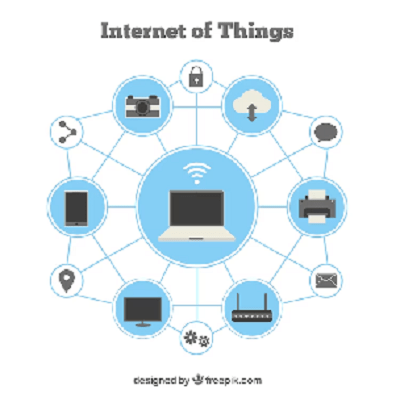
- Internet of Things (IoT): IoT refers to the network of devices, vehicles, and appliances that are connected to the internet and can communicate with each other. The development of IoT has led to new applications of computer networking, such as smart homes, self-driving cars, and smart cities.
Overall, these innovations have led to more efficient, more secure, and more accessible computer networks, enabling people to connect and communicate in ways that were previously unimaginable.