
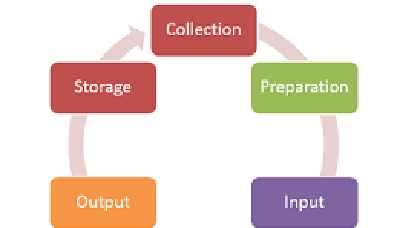
Concept of data processing
Data processing refers to the conversion of raw data into meaningful information through various methods and techniques. It involves the collection, organization, analysis, interpretation, and presentation of data to produce useful information that can be used for decision-making.
The process of data processing typically involves several steps, including:
- Data collection: Data is collected from various sources, such as surveys, questionnaires, sensors, or other data collection methods.
- Data entry: The collected data is then entered into a computer system, either manually or through automated means.
- Data cleaning: Data cleaning involves the identification and correction of errors, inconsistencies, or missing data in the collected data.
- Data transformation: The collected data is transformed into a format that is suitable for analysis, such as by converting it into a standard format, aggregating it, or creating new variables.
- Data analysis: The transformed data is analyzed using various statistical or computational methods to identify patterns, trends, and relationships.
- Data visualization: The results of the data analysis are presented in a graphical or visual format, such as charts, graphs, or dashboards, to make them easier to understand and interpret.
- Data interpretation: The final step involves interpreting the results of the data analysis and drawing conclusions from the information to inform decision-making.
Overall, the concept of data processing is an important aspect of data management and analysis, as it enables the transformation of raw data into actionable insights that can be used to improve decision-making and drive business outcomes.
What is required concept of data processing
To effectively carry out data processing, several requirements must be met, including:
- Clear objectives: Data processing should have clear objectives and goals that are aligned with the overall business strategy. This ensures that the processed data is relevant and useful for decision-making.
- Reliable data sources: High-quality data is essential for accurate data processing. Data sources should be reliable and consistent, and any errors or inconsistencies should be identified and corrected before processing.
- Effective data management: Proper data management practices, such as data storage, backup, and security, are critical to ensure that data is available when needed and protected from loss or unauthorized access.
- Skilled personnel: Skilled personnel with expertise in data processing and analysis are necessary to ensure accurate and meaningful results.
- Appropriate tools and technology: Appropriate software and technology tools should be used to ensure efficient and accurate data processing, analysis, and visualization.
- Legal and ethical considerations: Data processing should be conducted in compliance with legal and ethical considerations, such as privacy regulations and data protection laws.
Overall, the concept of data processing requires careful planning, effective data management practices, skilled personnel, appropriate tools and technology, and compliance with legal and ethical considerations to ensure accurate and meaningful results that support decision-making.
Data processing is required by a wide range of industries and organizations, including:
- Businesses: Businesses of all sizes require data processing to make informed decisions, improve operations, and gain a competitive advantage.
- Healthcare: Healthcare organizations rely on data processing to manage patient records, track medical trends, and make informed decisions about patient care.
- Finance: The finance industry relies heavily on data processing for financial analysis, risk assessment, and fraud detection.
- Government: Government agencies use data processing to manage citizen data, track trends, and inform policy decisions.
- Education: Educational institutions use data processing to manage student records, track academic progress, and inform decision-making around curriculum and instruction.
- Scientific research: Scientific researchers use data processing to analyze data from experiments and simulations to draw conclusions and make discoveries.
Overall, any organization that collects and uses data can benefit from the concept of data processing to improve operations, inform decision-making, and achieve their goals.
When is required Concept of data processing
The concept of data processing is required whenever an organization or individual needs to work with data in order to achieve their goals. Here are some common scenarios when data processing is required:
- Data analysis: Data processing is required when an organization needs to analyze data to gain insights or make decisions. This could include analyzing customer behavior to inform marketing strategies, or analyzing financial data to assess business performance.
- Record-keeping: Data processing is required when an organization needs to store and manage large amounts of data over time. This could include maintaining patient records in a healthcare organization, or storing financial records in a business.
- Automation: Data processing is required when an organization wants to automate processes that involve data. For example, a business may want to automate invoicing processes using data processing tools.
- Reporting: Data processing is required when an organization needs to generate reports or visualizations based on data. This could include creating financial reports or generating charts and graphs to help visualize trends or patterns in data.
Overall, the concept of data processing is required whenever an organization or individual needs to work with data in a systematic way to achieve specific goals.
Where is required Concept of Data processing
The concept of data processing is required in many different settings, including:
- Business: In the business world, data processing is used to analyze customer behavior, assess financial performance, automate processes, and generate reports.
- Healthcare: In healthcare, data processing is used to maintain patient records, track health outcomes, and manage clinical trials.
- Education: In education, data processing is used to track student progress, generate reports, and automate administrative tasks.
- Government: In government, data processing is used to manage public records, track population statistics, and automate administrative tasks.
- Research: In research, data processing is used to analyze data collected in experiments, generate visualizations, and draw conclusions.
Overall, the concept of data processing is required in any setting where large amounts of data need to be managed, analyzed, or reported on in order to achieve specific goals.
The concept of data processing is implemented through a series of steps that involve converting raw data into meaningful information. The steps involved in data processing include:
- Data collection: The first step in data processing is to collect data from various sources, such as surveys, sensors, databases, and social media platforms.
- Data entry: The collected data is then entered into a computer system or database. This involves converting the data into a digital format that can be processed by a computer.
- Data processing: Once the data has been entered, it can be processed using various methods such as sorting, filtering, aggregation, and analysis. This step involves using software tools and algorithms to manipulate the data to extract meaningful insights.
- Data storage: The processed data is then stored in a database or other data storage system for future use. This step involves ensuring that the data is secure and easily accessible when needed.
- Data retrieval: The stored data can be retrieved when needed for various purposes such as reporting, analysis, or decision making.
- Data visualization: The final step in data processing is to visualize the processed data using graphs, charts, and other visual tools. This step involves presenting the data in a way that is easy to understand and interpret.
Overall, the concept of data processing involves a combination of manual and automated processes that work together to transform raw data into meaningful insights that can be used to inform decision making and drive business outcomes.
One example of the concept of data processing can be seen in the banking industry. Banks use data processing to manage and maintain their financial records and transactions. The process involves collecting, sorting, and analyzing large volumes of data to produce reports, balance sheets, and income statements.
For instance, when a customer deposits a check, the bank uses a machine to scan the check and create a digital image. This image is then processed by software that reads and interprets the data, including the check amount and the account number. The software then transfers the funds from the customer’s account to the recipient’s account.
Moreover, data processing can also be used by banks to analyze customer data and behavior, such as transaction patterns and account balances. This analysis can help banks offer customized products and services to their customers based on their individual needs and preferences.
For example, if a bank notices that a customer regularly spends a significant amount of money on travel, they may offer them travel rewards or credit cards with travel-related benefits.
Overall, data processing has become a critical aspect of the banking industry, helping banks manage their financial operations more efficiently and offer better services to their customers.
Introduction: The concept of data processing has become increasingly important in today’s digital world. It involves the collection, storage, manipulation, and analysis of large volumes of data to produce meaningful insights and outcomes. This white paper aims to provide an overview of the concept of data processing, its various components, and how it is used in different industries.
Components of Data Processing: Data processing involves several key components, including data collection, data storage, data manipulation, and data analysis. These components are interconnected and are essential in producing meaningful insights from raw data.
Data Collection: Data collection is the process of gathering information from various sources, such as sensors, surveys, or databases. The data collected can be structured or unstructured, depending on the source.
Data Storage: Once the data has been collected, it needs to be stored in a way that makes it accessible for processing. Data can be stored in traditional databases, data warehouses, or data lakes, depending on the volume and type of data.
Data Manipulation: Data manipulation involves transforming raw data into a format that can be analyzed. This process includes cleaning, filtering, and transforming data to ensure it is accurate and relevant.
Data Analysis: Data analysis involves applying statistical methods and machine learning algorithms to extract meaningful insights from the data. This can help identify patterns and trends, make predictions, and inform decision-making.
Applications of Data Processing: Data processing has applications across various industries, including healthcare, finance, retail, and manufacturing. For example, in healthcare, data processing can be used to analyze patient records and identify disease patterns. In finance, it can be used to detect fraud and manage financial risk.
Conclusion: In conclusion, the concept of data processing is a critical aspect of modern business and society. It involves several interconnected components that work together to produce meaningful insights and outcomes. The applications of data processing are numerous, and as the amount of data continues to grow, its importance will only increase.