
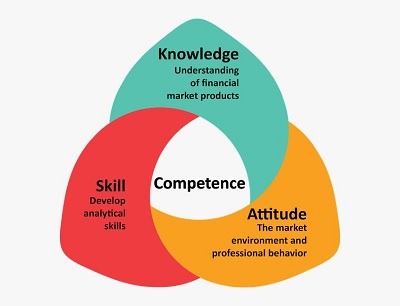
Developing Knowledge Skills and Competence
Developing knowledge, skills, and competence is essential for personal and professional growth. This process involves acquiring new information, refining existing skills, and gaining expertise in specific areas. Here are steps and strategies to help you develop knowledge, skills, and competence effectively:
1. Self-Assessment:
- Identify Your Goals: Determine what knowledge, skills, or competencies you want to develop and why.
- Strengths and Weaknesses: Assess your current strengths and weaknesses in the areas you wish to improve.
2. Set Clear Objectives:
- Specific Goals: Define clear, specific, and measurable goals for your development.
- Long-Term and Short-Term: Break down your objectives into long-term and short-term goals to track progress.
3. Create a Learning Plan:
- Plan of Action: Develop a structured plan outlining the steps, resources, and timelines for your development.
- Resources: Identify the resources you’ll need, such as books, courses, mentors, or tools.
4. Continuous Learning:
- Stay Curious: Cultivate a curious mindset to remain open to new knowledge and experiences.
- Read and Research: Consistently read books, articles, and research papers related to your area of interest or expertise.
5. Skill Acquisition:
- Practice Regularly: For skill development, practice regularly and consistently. The more you practice, the more competent you become.
- Feedback: Seek feedback from mentors or peers to identify areas for improvement.
6. Take Courses and Training:
- Formal Education: Consider formal education, such as enrolling in courses, workshops, or degree programs.
- Online Learning: Utilize online learning platforms and resources, such as Coursera, edX, or Khan Academy.
7. Networking and Mentoring:
- Networking: Connect with professionals in your field to exchange knowledge, experiences, and best practices.
- Mentorship: Find a mentor who can guide you in your development journey and provide valuable insights.
8. Practice Reflective Learning:
- Reflection: Regularly reflect on your experiences and what you’ve learned from them.
- Adjust and Adapt: Adjust your approach based on lessons learned from both successes and failures.
9. Feedback and Assessment:
- Assessment: Regularly assess your progress against your goals and make adjustments if necessary.
- 360-Degree Feedback: Solicit feedback from peers, supervisors, and subordinates to gain a holistic perspective.
10. Stay Current:
- Stay Informed: Stay current with the latest developments and trends in your area of interest or expertise.
- Subscribe to Industry Publications: Subscribe to industry-related magazines, journals, or online forums.
11. Join Professional Associations:
- Association Membership: Consider joining professional associations related to your field. They often offer valuable resources, events, and networking opportunities.
12. Embrace Challenges:
- Take on New Projects: Volunteer for projects or tasks that challenge you and allow you to apply your newly acquired knowledge and skills.
- Stretch Assignments: Seek assignments that are slightly beyond your current level of competence.
13. Accountability and Discipline:
- Stay Disciplined: Developing competence requires discipline and commitment to your learning and improvement plan.
- Accountability: Share your development goals with someone who can hold you accountable.
14. Celebrate Achievements:
- Recognize Successes: Celebrate your achievements, both small and significant, to maintain motivation and momentum.
15. Time Management:
- Effective Time Management: Allocate dedicated time for learning and skill development in your daily or weekly schedule.
Remember that developing knowledge, skills, and competence is a lifelong journey. It requires dedication, patience, and continuous effort. By following these steps and strategies, you can make meaningful progress in your personal and professional development.
What is required Developing Knowledge Skills and Competence
Developing knowledge, skills, and competence is a continuous and multifaceted process that requires specific elements and actions. Here’s what is required to effectively develop knowledge, skills, and competence:
- Clear Goals and Objectives:
- Define clear and specific goals for what you want to achieve in terms of knowledge, skills, or competence. These objectives provide a sense of direction and purpose.
- Self-Motivation:
- A strong intrinsic motivation to learn and improve is essential. You should have a genuine interest in the subject matter and a desire to grow.
- Self-Awareness:
- Understand your current knowledge, skills, and competence levels. Self-awareness allows you to identify areas that need improvement.
- Learning Resources:
- Access to learning resources, such as books, courses, mentors, or online materials, is required to acquire new knowledge and skills.
- Time and Commitment:
- Allocate dedicated time and effort to your development. Consistency and commitment are crucial for progress.
- Practice and Application:
- Active practice and application of what you learn is vital to reinforce knowledge and skills. Hands-on experience is often the best teacher.
- Feedback Mechanisms:
- Seek feedback from peers, mentors, or supervisors to identify areas for improvement and adjust your approach accordingly.
- Structured Learning Plan:
- Develop a structured plan that outlines the steps, resources, and timelines for your learning and skill development.
- Mentorship or Guidance:
- Having a mentor or a guide who can provide insights, advice, and direction can accelerate your learning and development.
- Continuous Learning:
- Embrace a mindset of continuous learning, remaining open to new information and experiences that can enhance your competence.
- Networking:
- Building a network of professionals in your field allows for knowledge sharing, collaboration, and exposure to different perspectives.
- Adaptability:
- Be adaptable and willing to adjust your approach in response to changing circumstances or new information.
- Assessment and Evaluation:
- Regularly assess your progress against your goals and evaluate your competence. Self-assessment and self-reflection are crucial.
- Challenges and Stretch Assignments:
- Challenge yourself with tasks or projects that are slightly outside your comfort zone to expand your skills and capabilities.
- Accountability:
- Share your development goals with someone who can hold you accountable for your progress and offer support and encouragement.
- Time Management:
- Effective time management skills are essential to allocate time for learning and skill development within your schedule.
- Measuring Results:
- Establish clear indicators or metrics to measure the outcomes of your learning and development efforts.
- Resilience:
- Developing knowledge, skills, and competence can be challenging. Resilience in the face of setbacks or obstacles is crucial to keep moving forward.
- Celebration of Achievements:
- Acknowledge and celebrate your achievements, as this can boost motivation and maintain a positive attitude.
- Reflective Learning:
- Regularly reflect on your experiences and what you have learned from both successes and failures.
Developing knowledge, skills, and competence is an ongoing and dynamic process that involves self-awareness, commitment, and a structured approach to continuous learning and improvement. By addressing these requirements, you can make significant progress in your personal and professional development.
Who is required Developing Knowledge ,Skills and Competence
The need for developing knowledge, skills, and competence applies to a wide range of individuals and groups. Here are various scenarios in which different entities or individuals may require and benefit from the development of knowledge, skills, and competence:
- Individuals:
- Professionals: Individuals in various professions seek to improve their knowledge and skills to advance in their careers or remain competitive.
- Students: Educational development involves acquiring new knowledge and skills to succeed academically.
- Entrepreneurs: Business owners and startups require a diverse skill set to manage and grow their ventures.
- Job Seekers: Developing relevant skills and knowledge is crucial for job seekers to secure employment.
- Lifelong Learners: People interested in personal growth and self-improvement continuously pursue new knowledge and skills.
- Workforce:
- Organizations: Companies invest in the development of employees’ knowledge and skills to enhance productivity, innovation, and competitiveness.
- Human Resources: HR departments play a crucial role in designing and implementing training and development programs.
- Teams: Cross-functional teams and departments often engage in skill-building activities to meet organizational goals.
- Education Sector:
- Educators: Teachers and professors continuously develop their knowledge and teaching skills to deliver effective education.
- Students: Educational institutions provide learning opportunities for students to gain knowledge and skills.
- Government and Public Sector:
- Public Servants: Government employees and civil servants require training and development to serve the public effectively.
- Policy Makers: Government bodies may focus on policies and initiatives that promote skill development in the workforce.
- Industry and Trade Associations:
- Members: Professional associations and trade groups offer resources and training to members to enhance their knowledge and competence.
- Industries: Various industries invest in skill development to ensure that their workforce meets industry-specific standards.
- Non-Governmental Organizations (NGOs):
- NGO Workers: Employees and volunteers in NGOs often need specialized skills to address societal and humanitarian challenges.
- Academic and Research Institutions:
- Researchers: Researchers and scholars continuously seek to expand their knowledge and skills in their respective fields.
- Students: Students at academic institutions acquire knowledge and skills to prepare for their chosen careers.
- Community and Nonprofit Organizations:
- Volunteers: Community and nonprofit organizations rely on volunteers who often require training to carry out specific tasks.
- Startups and Entrepreneurs:
- Founders: Entrepreneurs and startup founders need to acquire diverse skills and knowledge to establish and grow their businesses.
- Healthcare Sector:
- Healthcare Professionals: Healthcare providers, including doctors, nurses, and medical staff, continuously update their skills and knowledge to deliver high-quality care.
- Technology and IT Sector:
- IT Professionals: Technology professionals and IT experts need to stay updated with the latest technological advancements and tools.
- Arts and Creative Industries:
- Artists and Creatives: Those in creative fields, such as artists, designers, and writers, consistently develop their skills and knowledge to produce innovative work.
In summary, the need for developing knowledge, skills, and competence is widespread and applies to individuals, organizations, educational institutions, government bodies, and various sectors and industries. It is a fundamental aspect of personal and professional growth and plays a vital role in addressing the demands of a rapidly evolving world.
When is required Developing Knowledge Skills and Competence
Developing knowledge, skills, and competence is required in various situations and throughout one’s life. Here are common scenarios and instances when the need for developing knowledge, skills, and competence arises:
- Education and Academic Growth:
- Students continuously develop knowledge and skills as they progress through their academic journey, from kindergarten to higher education.
- Career Advancement:
- Employees seek to develop their skills and competence to advance in their careers, qualify for promotions, or explore new opportunities.
- Job Changes:
- When transitioning to a new job or field, individuals often need to acquire new skills and knowledge to excel in their roles.
- New Technologies:
- Advancements in technology and software often require individuals to update their skills and competence to stay relevant.
- Industry Changes:
- Changes in industry standards, regulations, or practices can necessitate skill development to maintain compliance and competitiveness.
- Startup and Entrepreneurship:
- Entrepreneurs and startup founders require diverse skills to establish and grow their businesses.
- Personal Growth and Hobbies:
- Pursuing new interests, hobbies, or personal goals may require individuals to acquire relevant knowledge and skills.
- Leadership Roles:
- Those in leadership positions often need to develop leadership and management skills to effectively lead teams or organizations.
- Cross-Functional Teams:
- Team members in cross-functional projects or departments often require new skills to collaborate effectively.
- Changing Roles or Responsibilities:
- When taking on new roles or responsibilities within an organization, employees may need to develop different skills and competencies.
- Career Transitions:
- Shifting careers entirely may necessitate the acquisition of a new skill set and knowledge base.
- Technological Advancements:
- Rapid technological advancements may require professionals to continually update their skills to work with the latest tools and software.
- Innovations in Industry:
- Emerging trends and innovations within an industry may drive the need for professionals to adapt and learn new methods and technologies.
- Emerging Markets:
- Entering new markets or expanding internationally can require individuals and businesses to develop knowledge of diverse cultures, markets, and regulations.
- Global Events and Crises:
- Global events, such as pandemics or economic crises, may prompt the need for individuals to acquire new skills or pivot their careers.
- Changing Consumer Preferences:
- Shifts in consumer preferences and market demands can drive the need for product development and marketing skills.
- Legal and Regulatory Changes:
- Updates to laws and regulations can demand that individuals in legal or compliance roles acquire new legal knowledge.
- Healthcare and Medical Advancements:
- Healthcare professionals must continually update their medical knowledge and clinical skills to provide optimal care.
- Environmental and Social Responsibility:
- Growing emphasis on sustainability and ethical practices may require individuals to develop knowledge in these areas.
In summary, the need for developing knowledge, skills, and competence can arise in a multitude of situations, including education, career development, personal growth, industry changes, technological advancements, and global events. It is a dynamic and ongoing process that supports personal and professional growth and adaptability in a rapidly changing world.
Where is required Developing Knowledge ,Skills and Competence
Developing knowledge, skills, and competence is required in various settings and locations. It’s a universal need that spans across different environments and sectors. Here are some of the key places and contexts where developing knowledge, skills, and competence is necessary:
- Educational Institutions:
- Schools, colleges, and universities are primary locations for students to acquire knowledge and skills relevant to their academic pursuits.
- Workplace:
- Organizations and businesses offer training and development programs to enhance the skills and competence of their employees.
- Online Learning Platforms:
- E-learning platforms, such as Coursera, edX, and Khan Academy, provide accessible opportunities for skill development and knowledge acquisition.
- Professional Workshops and Seminars:
- Workshops, conferences, and seminars offer opportunities for professionals to learn and upgrade their skills in a specific domain.
- Skill Development Centers:
- Some regions have specialized skill development centers and institutes that provide training in areas like vocational skills and trades.
- Mentorship Programs:
- Mentorship relationships enable individuals to learn from experienced mentors, acquiring both knowledge and practical skills.
- Online Communities:
- Online forums, social media groups, and community platforms serve as spaces for shared learning and the exchange of knowledge and skills.
- Research and Development Centers:
- R&D centers and laboratories facilitate research and skill development for scientists and researchers.
- Nonprofit Organizations:
- NGOs often conduct training and capacity-building programs to enhance the skills and knowledge of their members and volunteers.
- Professional Associations:
- Professional organizations offer resources and training for their members to improve their competence within their industries.
- Healthcare Facilities:
- Hospitals and healthcare institutions provide training for medical professionals to update their knowledge and clinical skills.
- Government Agencies:
- Government bodies may offer training programs for civil servants and public employees to improve their competence in their roles.
- Artistic and Creative Spaces:
- Studios, art schools, and creative workshops are hubs for artists and creatives to develop their skills and creative competencies.
- Community Centers:
- Community centers may offer programs that cater to the diverse learning and development needs of community members.
- Agricultural and Farming Environments:
- Farmers and agricultural workers may attend training programs to acquire new farming techniques and knowledge.
- Manufacturing and Industrial Facilities:
- Workers in manufacturing plants often receive training to operate machinery and develop industrial skills.
- Environmental Conservation Organizations:
- Organizations focused on environmental conservation may provide training on sustainable practices and conservation methods.
- Startups and Innovation Hubs:
- Startup incubators and innovation hubs offer resources and mentorship for entrepreneurs and innovators.
- Online Freelancing Platforms:
- Freelancers can access online platforms that provide courses and resources to enhance their skills and competencies.
- Retail and Customer Service:
- Retail businesses invest in training programs to improve the customer service skills of their employees.
- Construction and Trade Schools:
- Trade schools and apprenticeships provide hands-on training and skills development for tradespeople.
In summary, the need for developing knowledge, skills, and competence is pervasive and can be found in numerous locations and contexts, ranging from formal educational institutions to online platforms, workplaces, and community centers. It is essential for personal growth, professional success, and adaptation to changing environments and industries.
How is required Developing Knowledge ,Skills and Competence
Developing knowledge, skills, and competence is a multifaceted process that involves specific strategies and approaches. Here’s how it is required and how it can be achieved effectively:
1. Self-Assessment:
- Assess Your Current State: Understand your existing knowledge, skills, and competence in the areas you want to develop. Identify strengths and weaknesses.
2. Set Clear Objectives:
- Define Clear Goals: Establish clear and specific objectives for your development. Make them measurable and time-bound.
3. Create a Learning Plan:
- Plan Your Development: Develop a structured plan that outlines the steps, resources, and timelines for your learning and skill development.
4. Continuous Learning:
- Stay Curious: Cultivate a curious mindset and remain open to new knowledge and experiences.
- Read and Research: Consistently read books, articles, and research papers related to your area of interest or expertise.
5. Skill Acquisition:
- Practice Regularly: For skill development, practice regularly and consistently. The more you practice, the more competent you become.
- Feedback: Seek feedback from mentors or peers to identify areas for improvement.
6. Take Courses and Training:
- Formal Education: Consider enrolling in formal courses, workshops, or degree programs relevant to your objectives.
- Online Learning: Utilize online learning platforms and resources, such as Coursera, edX, or Khan Academy.
7. Networking and Mentoring:
- Networking: Connect with professionals in your field to exchange knowledge, experiences, and best practices.
- Mentorship: Find a mentor who can guide you in your development journey and provide valuable insights.
8. Practice Reflective Learning:
- Reflection: Regularly reflect on your experiences and what you’ve learned from them.
- Adjust and Adapt: Adjust your approach based on lessons learned from both successes and failures.
9. Feedback and Assessment:
- Assessment: Regularly assess your progress against your goals and make adjustments if necessary.
- 360-Degree Feedback: Solicit feedback from peers, supervisors, and subordinates to gain a holistic perspective.
10. Time Management:
- Effective Time Management: Allocate dedicated time for learning and skill development in your daily or weekly schedule.
11. Accountability and Discipline:
- Stay Disciplined: Developing competence requires discipline and commitment to your learning and improvement plan.
- Accountability: Share your development goals with someone who can hold you accountable.
12. Celebrate Achievements:
- Recognize Successes: Celebrate your achievements, both small and significant, to maintain motivation and momentum.
Incorporate these strategies into your development journey to effectively acquire knowledge, improve skills, and enhance your competence. Remember that developing knowledge, skills, and competence is an ongoing process that requires dedication, patience, and continuous effort.
Case Study on Developing Knowledge ,Skills and Competence
Certainly, let’s explore a case study on developing knowledge, skills, and competence in the context of a professional’s career advancement:
Case Study: John’s Career Advancement Through Skill Development
Background
John is a mid-level marketing professional in a well-established marketing agency. While he has been successful in his role, he aspires to take on more responsibilities, advance in his career, and potentially move into a leadership role. He recognizes that developing additional skills and enhancing his competence is crucial to achieving his goals.
The Challenge
John is facing several challenges in his career development:
- Career Growth: John aims to advance his career, but he realizes that he needs a broader skill set to be considered for higher-level positions.
- Leadership Aspirations: He aspires to become a team leader or manager but knows that leadership skills are essential for this transition.
- Changing Industry Trends: The marketing industry is continually evolving, and John needs to stay up-to-date with the latest digital marketing strategies and tools.
Developing Knowledge, Skills, and Competence
To address these challenges, John takes the following steps:
1. Self-Assessment:
- John assesses his current skills, identifies his strengths in areas like content marketing and SEO, but acknowledges gaps in leadership and data analytics.
2. Clear Objectives:
- He sets specific goals: improving leadership skills, becoming proficient in data analysis, and staying updated on industry trends.
3. Learning Plan:
- John develops a plan, which includes the following components:
- Enrolling in a leadership training program to improve his leadership skills.
- Taking online courses in data analysis to acquire a new skill.
- Subscribing to industry publications, attending webinars, and joining relevant online communities to stay informed.
4. Continuous Learning:
- John dedicates time each week to reading industry-related articles, following thought leaders on social media, and participating in discussions.
5. Skill Acquisition:
- For leadership skills, John actively participates in the leadership training program, which includes exercises, workshops, and mentorship from experienced leaders.
- For data analysis, he completes online courses, practices using real data sets, and seeks feedback from experts.
6. Networking and Mentorship:
- John connects with senior colleagues and leaders in his organization for mentorship and guidance on leadership development.
- He also joins marketing industry groups and forums to network with peers.
7. Feedback and Assessment:
- John actively seeks feedback from his mentors, peers, and trainers to track his progress.
8. Celebrate Achievements:
- He acknowledges his milestones, such as successfully leading a project or mastering a new data analysis technique.
Results
Through his dedicated efforts to develop knowledge, skills, and competence, John achieves the following results:
- He is promoted to a senior role where he leads a marketing team.
- John’s ability to analyze marketing data helps the company make data-driven decisions, improving overall campaign performance.
- He remains at the forefront of industry trends and leverages this knowledge to develop cutting-edge marketing strategies.
Conclusion
John’s case study illustrates how proactive skill development and knowledge acquisition can lead to career advancement and competence in a competitive industry. By assessing his strengths and weaknesses, setting clear objectives, and continually learning and seeking feedback, John successfully advances his career and remains relevant in his field. His journey emphasizes the importance of ongoing development for personal and professional growth.
White Paper on Developing Knowledge, Skills and Competence
Creating a comprehensive white paper on developing knowledge, skills, and competence is beyond the scope of this platform, but I can provide you with an outline of what a white paper on this topic might include. You can use this as a starting point to create a detailed white paper:
White Paper Title: Developing Knowledge, Skills, and Competence for Personal and Professional Growth
Table of Contents:
- Executive Summary
- Overview of the white paper’s key findings and recommendations.
- Introduction
- Background and significance of knowledge, skills, and competence development.
- The importance of continuous learning and growth in the modern world.
- Understanding Knowledge, Skills, and Competence
- Definitions and distinctions between knowledge, skills, and competence.
- The role of each in personal and professional development.
- The Need for Development
- Discussing why knowledge, skills, and competence development is essential.
- Highlighting the changing nature of work and the skills demanded by the job market.
- Self-Assessment and Goal Setting
- The importance of self-assessment in identifying strengths and areas for development.
- Setting clear, measurable, and time-bound objectives.
- Strategies for Knowledge Acquisition
- Strategies for continuous learning and staying informed in a rapidly changing world.
- The role of formal education, online courses, reading, and research.
- Skills Development
- Practical approaches for acquiring and improving skills.
- The importance of practice, feedback, and seeking expert guidance.
- Mentoring and Networking
- The role of mentors and networking in knowledge and skill development.
- Tips for building a professional network.
- Staying Current and Adaptable
- Strategies for keeping up with industry trends and technological advancements.
- The importance of adaptability in the face of change.
- Measurement and Evaluation
- The role of assessment in tracking progress and making improvements.
- Methods for self-assessment and 360-degree feedback.
- Leadership Development
- Strategies for developing leadership skills and competencies.
- The significance of effective leadership in personal and professional growth.
- Case Studies
- Real-world examples of individuals or organizations that have successfully developed their knowledge, skills, and competence.
- Challenges and Obstacles
- Common challenges individuals may face in their development journey.
- Strategies for overcoming obstacles.
- Conclusion
- Summarizing key takeaways and the importance of continuous development.
- Recommendations
- Offering actionable recommendations for individuals, organizations, and educational institutions to foster knowledge, skills, and competence development.
- Additional Resources
- Providing a list of books, websites, courses, and organizations that support knowledge and skill development.
- Acknowledgments
- Recognizing contributors or sources of support for the white paper.
- References
- Citing sources and references used in the white paper.
This outline serves as a framework for creating a comprehensive white paper on developing knowledge, skills, and competence. You can expand on each section with in-depth research, analysis, and real-life examples to create a detailed and informative document.