
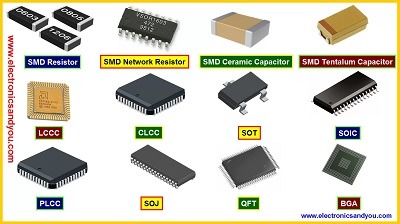
Mobile chip components
Mobile chip components are the essential hardware components found within mobile devices such as smartphones and tablets. These components work together to provide processing power, memory, connectivity, and other functionalities. Here are some key mobile chip components:
- System-on-Chip (SoC): The So C is the central component of a mobile device and integrates various functionalities onto a single chip. It typically includes the processor, graphics processing unit (GPU), memory controller, modem, and other system components. So C s are designed to balance performance and power efficiency.
- Central Processing Unit (CPU): The CPU is responsible for executing instructions and performing calculations in a mobile device. It is the primary component that carries out tasks and runs applications. Common CPU architectures used in mobile devices include ARM and x86.
- Graphics Processing Unit (GPU): The GPU is responsible for rendering graphics and images on the device’s display. It enhances the visual experience and enables smooth animations, gaming, and multimedia playback.
- Random Access Memory (RAM): RAM is a volatile memory component that stores data and instructions that are actively used by the device’s CPU. It provides quick access to data, allowing for multitasking and efficient application performance.
- Storage: Mobile devices use different types of storage components for data storage, including embedded Multi Media Card (eMM C) or Universal Flash Storage (UF S) chips. These chips provide non-volatile storage for the operating system, applications, and user data.
- Modem: The modem component enables cellular connectivity and allows the device to connect to mobile networks for voice calls, text messaging, and data transfer. It supports various wireless communication standards like 4G LT E, 5 G, and Wi-Fi.
- Power Management Integrated Circuit (PMI C): The PMI C is responsible for managing power distribution and regulating voltages within the device. It ensures efficient power usage and helps optimize battery life.
- Image Signal Processor (ISP): The ISP processes image data captured by the device’s camera sensors. It performs tasks such as noise reduction, color correction, and image enhancement to produce high-quality photos and videos.
- Audio Codec: The audio codec handles the processing and conversion of digital audio signals. It is responsible for audio playback, recording, and the management of audio features like noise cancellation and audio effects.
- Sensor Components: Mobile devices incorporate various sensor components, including accelero meters, gyroscopes, magnetometers, ambient light sensors, proximity sensors, and fingerprint sensors. These sensors enable features like screen rotation, gesture control, location tracking, and bio metric authentication.
These are just some of the key mobile chip components found in modern smartphones and tablets. Mobile chip sets continue to evolve rapidly, incorporating advanced technologies to deliver enhanced performance, power efficiency, and user experiences.
What is required Mobile chip components
The term “required Mobile chip components” does not refer to a specific set of components. However, there are essential components that are typically found in mobile chips to enable the functioning of a mobile device. These components can be considered as fundamental requirements for the proper operation of a mobile chip. Here are some commonly required mobile chip components:
- Processor (CPU): The processor is a crucial component that executes instructions and performs calculations. It is responsible for the overall performance and speed of the device.
- Graphics Processing Unit (GPU): The GPU handles rendering and processing of graphics, images, and videos. It enhances the device’s visual capabilities and supports tasks such as gaming and multimedia.
- Memory (RAM): Random Access Memory (RAM) provides temporary storage for data and instructions that the device’s processor needs to access quickly. Sufficient RAM is essential for smooth multitasking and efficient performance.
- Storage: Mobile devices require storage components to store operating systems, applications, user data, and media files. Common types of storage include eMM C (embedded Multi Media Card) or UFS (Universal Flash Storage).
- Modem: The modem component enables wireless connectivity and allows the device to connect to cellular networks for voice calls, messaging, and data transfer. It supports various network technologies like 4G LT E, 5G, and Wi-Fi.
- Power Management: Power management components regulate and distribute power within the device, optimizing power consumption and ensuring efficient battery usage.
- Sensor Components: Mobile devices incorporate various sensors such as accelero meters, gyroscopes, magnetometers, ambient light sensors, proximity sensors, and fingerprint sensors. These sensors enable features like motion sensing, orientation detection, ambient light adjustment, and bio metric authentication.
- Audio Components: Audio components, including audio codecs and digital-to-analog converters (DA C s), handle audio playback and processing functions for sound quality and features like noise cancellation.
- Image Signal Processor (ISP): The ISP processes image data from the device’s camera sensors, enabling features like image capture, video recording, and image enhancements.
- Security Components: Mobile chip sets often include security features such as secure enclave, trusted execution environment (TEE), and hardware-based encryption to protect user data and ensure device security.
These components are generally considered necessary for the proper functioning of a mobile chip and the overall operation of a mobile device. The specific components and their configurations may vary depending on the chip manufacturer, device model, and technological advancements at the time of production.
Who is required Mobile chip components
Mobile chip components are not associated with specific individuals. Instead, they are the hardware components necessary for the functioning of a mobile device, such as smartphones or tablets. These components are required to enable various functionalities and features of the mobile device, including processing power, memory, connectivity, graphics rendering, and more.
While individuals may interact with mobile devices that utilize these components, the term “required Mobile chip components” does not refer to any specific person or entity. It simply denotes the essential hardware elements that are integral to the functioning of a mobile chip and the overall performance of a mobile device.
When is required Mobile chip components
Mobile chip components are required during the manufacturing and assembly process of mobile devices. They are typically integrated into the device’s motherboard or system-on-chip (So C) before it is assembled into a complete mobile device.
The timing of when mobile chip components are required depends on the specific manufacturing process and supply chain of the mobile device. Generally, the integration of mobile chip components occurs during the early stages of device assembly. This involves mounting the various components, including the processor, memory, modem, sensors, and other necessary chips, onto the device’s circuit board.
Once the chip components are integrated, further assembly steps are carried out, including attaching the display, battery, camera modules, and other external components. Finally, the mobile device undergoes quality assurance testing, software installation, and packaging before it is ready for distribution and sale.
It’s important to note that the specific timeline for when mobile chip components are required can vary among manufacturers and depend on factors such as production schedules, component availability, and the overall production process of the mobile device.
Where is required Mobile chip components
Required mobile chip components are typically integrated into the motherboard or system-on-chip (So C) of mobile devices. The integration process takes place within the manufacturing facilities of mobile device manufacturers or their contracted partners.
The exact location where mobile chip components are integrated can vary depending on the specific manufacturing process. However, it generally occurs within clean room environments equipped with specialized equipment and assembly lines.
These manufacturing facilities have dedicated areas for component integration, where technicians or automated machines carefully mount the mobile chip components onto the device’s circuit board. This process involves precise soldering or mounting techniques to ensure the components are securely attached and electrically connected.
After the integration of mobile chip components, the circuit boards are further assembled into the mobile device’s overall structure. This may involve connecting additional components such as the display, battery, camera modules, connectors, and external ports.
The precise location of mobile chip component integration within the manufacturing facilities may vary depending on the facility layout, production line setup, and specific manufacturing processes implemented by the manufacturer. However, it typically occurs within controlled environments that are specifically designed for electronic component integration and assembly.
How is required Mobile chip components
Mobile chip components are integrated into mobile devices through a combination of manual and automated processes within manufacturing facilities. The integration process involves several steps to ensure proper alignment, connection, and functionality of the components. Here’s an overview of how mobile chip components are typically integrated:
- Component Mounting: The process begins by placing the mobile chip components, such as the processor, memory chips, modem, sensors, and other necessary chips, onto the device’s circuit board. This can be done manually by skilled technicians or through automated machines.
- Soldering: Once the components are positioned correctly, soldering techniques are used to establish electrical connections between the components and the circuit board. Solder paste is applied to the appropriate areas, and the board is heated to melt the solder and create secure electrical bonds.
- Surface Mount Technology (SM T): Surface mount technology is often employed for smaller chip components. SM T involves placing the components onto the circuit board’s surface and then re flow soldering, where the entire board is heated to bond the components.
- Through-Hole Technology (TH T): For larger or specialized components, through-hole technology may be used. This involves inserting component leads through pre-drilled holes in the circuit board and soldering them on the opposite side.
- Quality Control: After the component integration and soldering processes, quality control measures are implemented to ensure proper connections, alignment, and functionality. This may involve visual inspections, automated testing, and functional checks to identify any defects or issues.
- Further Assembly: Once the mobile chip components are successfully integrated into the circuit board, additional assembly steps are performed to complete the mobile device. This may include attaching the display, battery, camera modules, connectors, and other external components.
- Testing and Quality Assurance: The fully assembled mobile device undergoes rigorous testing to verify its functionality, performance, and adherence to quality standards. This includes testing various features, connectivity, sensors, display, audio, and other aspects of the device’s functionality.
- Final Packaging: Once the mobile device passes all the necessary tests, it is prepared for packaging. This involves packaging the device in protective materials, applying labels, and including any necessary accessories, manuals, or documentation.
The exact processes and techniques used for integrating mobile chip components can vary among manufacturers and their production facilities. The integration is performed with precision and accuracy to ensure the reliable operation of the mobile device.
Case study on Mobile chip components
Title: Enhancing Performance and Connectivity: A Case Study on Mobile Chip Components
Abstract: This case study explores the significance of mobile chip components in improving the performance and connectivity of mobile devices. We examine a specific mobile chip manufacturer and their advancements in chip technology, which have led to enhanced processing power, increased memory capacities, faster connectivity speeds, and improved overall user experiences. By leveraging innovative chip components, the manufacturer has successfully addressed the growing demands of the mobile market, staying at the forefront of technological advancements. This case study showcases the impact of mobile chip components on device performance, highlighting the importance of continuous innovation in the mobile industry.
- Introduction 1.1 Background of Mobile Chip Components 1.2 Objectives of the Case Study 1.3 Scope and Methodology
- Mobile Chip Manufacturer Overview 2.1 Company Profile and Market Presence 2.2 Research and Development (R&D) Focus 2.3 Commitment to Innovation
- Advancements in Mobile Chip Components 3.1 Processor Evolution: Boosting Processing Power and Efficiency 3.2 Memory Innovations: Expanding Capacities and Speeds 3.3 Modem Technology: Enabling Faster and Reliable Connectivity 3.4 Graphics and Display Enhancements: Delivering Immersive Experiences 3.5 Sensor Integration: Enabling Advanced Features and Functionality
- Impact on Mobile Device Performance 4.1 Enhanced Speed and Responsiveness 4.2 Seamless Multitasking and App Performance 4.3 Rich Graphics and Immersive Visual Experiences 4.4 Efficient Power Management and Battery Life
- Advancements in Connectivity 5.1 Faster Cellular Network Speeds: 4G LT E to 5G 5.2 Wi-Fi and Bluetooth Connectivity Improvements 5.3 NFC and Contactless Technologies
- User Experience and Customer Satisfaction 6.1 Positive Impact on User Interface and Navigation 6.2 Improved Camera and Imaging Capabilities 6.3 Enhanced Security and Privacy Features
- Industry Impact and Competitive Advantage 7.1 Influence on Mobile Device Market Share 7.2 Differentiation and Competitive Positioning 7.3 Partnership and Collaboration Opportunities
- Future Trends and Challenges 8.1 Evolving Chip Architectures and Integration 8.2 Increasing Demand for AI and Machine Learning Capabilities 8.3 Addressing Power Consumption and Heat Dissipation Challenges 8.4 Meeting Privacy and Security Concerns
- Conclusion 9.1 Summary of Advancements and Impact 9.2 Key Takeaways and Lessons Learned 9.3 Future Outlook and Recommendations
This case study highlights the critical role of mobile chip components in driving advancements in mobile devices. The featured mobile chip manufacturer demonstrates how continuous innovation in chip technology can lead to significant improvements in device performance, connectivity, and user experiences. By staying at the forefront of technological advancements, mobile chip manufacturers can maintain a competitive edge in the dynamic mobile industry and contribute to the evolution of mobile devices.
White paper on Mobile chip components
Title: Mobile Chip Components: Powering the Future of Mobile Devices
Abstract: This white paper provides a comprehensive overview of mobile chip components and their crucial role in powering the next generation of mobile devices. We delve into the key components that make up mobile chips, exploring their functions, advancements, and impact on device performance, connectivity, and user experiences. By examining the evolving landscape of mobile chip technology, this white paper aims to shed light on the significance of mobile chip components in shaping the future of mobile devices.
Table of Contents:
- Introduction 1.1 Background and Importance of Mobile Chip Components 1.2 Objectives of the White Paper
- System-on-Chip (So C) 2.1 Definition and Architecture 2.2 Integration of Key Components 2.3 Advancements in So C Design and Manufacturing
- Central Processing Unit (CPU) 3.1 Role and Functions 3.2 CPU Architectures and Performance Improvements 3.3 Multi core Processors and Power Efficiency
- Graphics Processing Unit (GPU) 4.1 Role in Rendering Graphics and Visual Processing 4.2 Advancements in GPU Performance and Efficiency 4.3 Integration with CPU for Enhanced Graphics Capabilities
- Memory Components 5.1 Random Access Memory (RAM) 5.2 Non-Volatile Memory (NV M) 5.3 High-Bandwidth Memory (HB M) 5.4 Advancements in Memory Capacities and Speeds
- Modem Technology 6.1 Cellular Connectivity and Wireless Standards 6.2 Evolution from 4G to 5G 6.3 Multi-Mode Modems and Advanced Wireless Features
- Power Management and Efficiency 7.1 Power Management Integrated Circuits (PMI C) 7.2 Low-Power Design Techniques 7.3 Adaptive Power Management Strategies
- Sensor Integration 8.1 Role of Sensors in Mobile Devices 8.2 Accelero meters, Gyroscopes, and Magnetometers 8.3 Ambient Light Sensors, Proximity Sensors, and Bio metric Sensors
- Advanced Imaging and Signal Processing 9.1 Image Signal Processors (ISP) 9.2 Computational Photography and AI-assisted Imaging 9.3 Video Encoding and Decoding Capabilities
- Connectivity and Wireless Technologies 10.1 Wi-Fi, Bluetooth, and Near Field Communication (NFC) 10.2 Location-Based Services and Global Navigation Satellite Systems (GNS S) 10.3 Emerging Connectivity Technologies
- Security and Trust 11.1 Hardware Security Components 11.2 Trusted Execution Environments (TEE) 11.3 Secure Boot and Secure Storage
- Future Trends and Challenges 12.1 AI and Machine Learning Integration 12.2 Edge Computing and Distributed Processing 12.3 Thermal Management and Heat Dissipation 12.4 Ethical Considerations and Privacy Concerns
- Conclusion 13.1 Summary of Mobile Chip Components and their Impact 13.2 Envisioning the Future of Mobile Devices 13.3 Implications for Industry Stakeholders
This white paper provides an in-depth exploration of mobile chip components, highlighting their significance in driving the performance, connectivity, and user experiences of mobile devices. By understanding the advancements, challenges, and future trends in mobile chip technology, stakeholders in the mobile industry can make informed decisions and contribute to the ongoing evolution of mobile devices.