
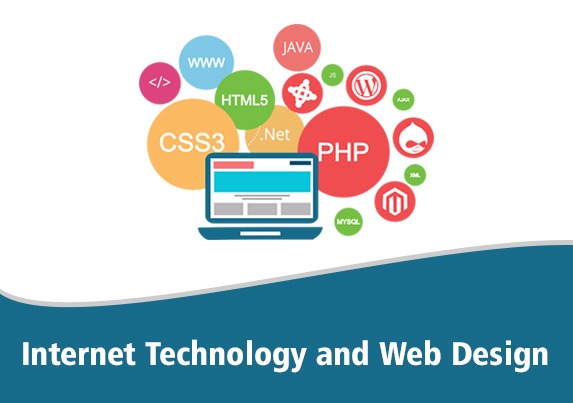
Internet and web design innovation
The Internet and web design have seen numerous innovations over the years. Here are some examples:
- Responsive web design: With the rise of mobile devices, web designers needed to find a way to create websites that worked well on screens of all sizes. Responsive web design emerged as a solution, allowing websites to adjust their layout and content based on the screen size of the device being used.
- Web typography: In the early days of the web, designers were limited to a small set of web-safe fonts. However, with the introduction of web fonts, designers can now use a wide range of typefaces to create visually engaging websites.
- Web animations: Advances in web technologies such as CSS 3 and HTML 5 have made it possible to create animations and interactive effects that were previously only possible with Flash. Web animations can now be used to add visual interest and enhance the user experience.
- Artificial intelligence (AI): AI technologies are being used to improve website performance and user experience in a number of ways, such as personalizing content, optimizing user flows, and automating repetitive tasks.
- Virtual and augmented reality (VR/AR): V R and AR technologies are being used to create immersive experiences on the web, such as virtual tours, interactive product demos, and educational simulations.
Overall, the Internet and web design continue to evolve and innovate, with new technologies and techniques constantly emerging to improve the user experience and push the boundaries of what is possible online.