
Basic of computer network
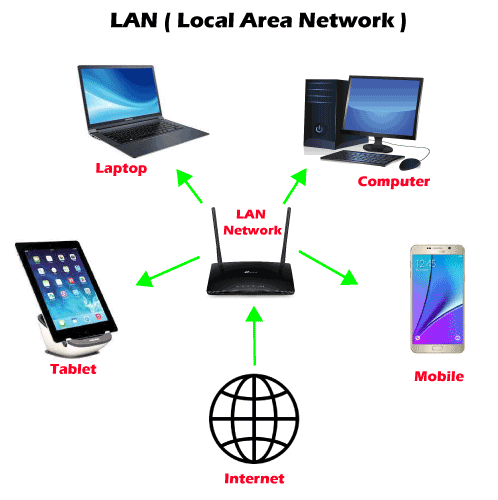
A computer network is a group of computers and other devices connected together to share resources and communicate with each other. The basic components of a computer network include:
- Nodes: These are the devices that are connected to the network, such as computers, servers, printers, routers, switches, and other networking devices.
- Network Interface Card (NI C): Each node must have a network interface card (NI C) that allows it to communicate with the other nodes on the network.
- Network Topology: The physical arrangement of nodes and the way in which they are connected is known as network topology. The most common topo logies are bus, star, ring, and mesh.
- Transmission Media: This refers to the physical media that is used to transmit data between the nodes on the network. Common transmission media include twisted-pair cable, coaxial cable, fiber optic cable, and wireless technologies.
- Network Protocol: A network protocol is a set of rules that govern the communication between the nodes on the network. Common network protocols include TC P/IP, HTTP, FTP, and SMT P.
- Network Services: These are the applications and services that are provided by the network, such as file sharing, email, remote access, and printing.
- Network Security: This refers to the measures that are taken to protect the network and its resources from unauthorized access, attacks, and other security threats. Common security measures include firewalls, encryption, and authentication mechanisms.
Overall, computer networks allow users to share resources, collaborate, and communicate with each other, making them an essential part of modern computing.