
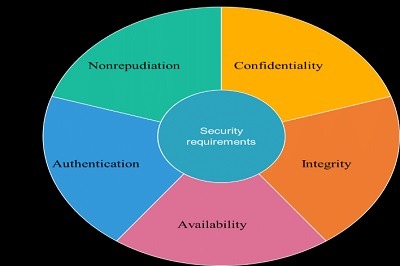
Fundamental security
Fundamental Security Principles for Hardware and Networking:
Ensuring the security of hardware and networking infrastructure is paramount to protect sensitive data, maintain business continuity, and prevent unauthorized access. Here are fundamental security principles to consider:
- Access Control:
- Implement strict access controls to limit who can access critical hardware and network resources. Use strong authentication methods like multi-factor authentication (MFA) to verify user identities.
- Network Segmentation:
- Divide the network into segments to isolate different types of traffic. This limits the potential spread of threats and unauthorized access within the network.
- Encryption:
- Use encryption protocols (such as SSL/TLS) to secure data in transit. Additionally, encrypt sensitive data stored on hardware devices to protect it from unauthorized access in case of physical theft.
- Regular Updates and Patching:
- Keep all hardware and networking equipment up to date with the latest security patches and firmware updates to address known vulnerabilities.
- Firewalls:
- Deploy firewalls to monitor and filter incoming and outgoing network traffic. Configure firewalls to block unauthorized access attempts and allow only necessary traffic.
- Intrusion Detection and Prevention Systems (IDPS):
- Implement IDPS to monitor network traffic for suspicious behavior and automatically block or alert on potential threats.
- Least Privilege:
- Grant users and devices only the minimum permissions necessary to perform their tasks. This reduces the potential impact of compromised accounts or devices.
- Regular Auditing and Monitoring:
- Monitor network traffic and system logs for signs of unauthorized access or unusual activity. Regularly review audit logs to identify potential security incidents.
- Backup and Recovery:
- Regularly back up critical data and configurations. Implement a robust disaster recovery plan to quickly restore operations in case of a security breach or hardware failure.
- Physical Security:
- Secure physical access to hardware components, such as servers and networking devices, by using locked server rooms, access controls, and surveillance systems.
- User Training and Awareness:
- Educate employees about security best practices, social engineering risks, and the importance of reporting suspicious activities.
- Vulnerability Management:
- Conduct regular vulnerability assessments and penetration tests to identify weaknesses in the infrastructure. Address discovered vulnerabilities promptly.
- Incident Response Plan:
- Develop a comprehensive incident response plan outlining steps to take in case of a security breach. This plan should cover communication, containment, eradication, and recovery procedures.
- Secure Remote Access:
- If remote access is necessary, use secure Virtual Private Network (VPN) connections to ensure encrypted and authenticated communication.
- Vendor Security:
- Evaluate the security practices of hardware and networking vendors before purchasing equipment. Ensure they follow security best practices and provide regular updates.
- Policy Enforcement:
- Define and enforce security policies that outline acceptable use, password requirements, data handling practices, and other security-related guidelines.
- Continual Improvement:
- Security is an ongoing process. Continually assess, update, and improve security measures as new threats emerge and the organization evolves.
By adhering to these fundamental security principles, organizations can build a strong foundation for safeguarding their hardware and networking infrastructure against potential threats and ensuring the integrity and confidentiality of their data.
What is required Fundamental security
Fundamental security refers to the basic principles, practices, and measures that are essential for establishing a strong and reliable foundation of security within an organization’s digital and physical environments. These fundamental security elements are crucial for safeguarding data, protecting assets, and mitigating risks. Here are some required fundamental security components:
- Access Control:
- Ensure that only authorized personnel have access to critical systems, data, and physical locations. Implement strong authentication mechanisms like passwords, PINs, and biometrics.
- Authentication and Authorization:
- Require users to prove their identity through authentication methods before granting access. Once authenticated, enforce proper authorization to ensure users can only access resources they are allowed to.
- Encryption:
- Use encryption to protect sensitive data both in transit and at rest. This prevents unauthorized individuals from intercepting or reading the data.
- Patch Management:
- Regularly update operating systems, software applications, and firmware to address known vulnerabilities and security patches. Unpatched systems can be exploited by attackers.
- Firewalls:
- Deploy firewalls to filter and monitor network traffic. This helps block unauthorized access attempts and prevents malicious traffic from entering the network.
- Intrusion Detection and Prevention Systems (IDPS):
- Set up IDPS to monitor network and system activity for signs of unauthorized or malicious behavior. These systems can trigger alerts or take actions to prevent threats.
- Security Awareness Training:
- Educate employees about security best practices, including how to identify phishing emails, avoid social engineering attacks, and report suspicious activities.
- Backup and Recovery:
- Regularly back up critical data and system configurations. Have a well-defined plan for data recovery in case of data loss or system compromise.
Who is required Fundamental security
It seems like there might be some confusion in your question. “Who” usually refers to individuals or entities. Fundamental security principles and practices are not tied to a specific person or entity but rather represent a set of essential security measures that any organization, individual, or system should follow to protect their digital and physical assets. These principles are universally applicable to various contexts, such as businesses, individuals, government agencies, and more.
In essence, fundamental security is required by:
- Businesses and Organizations:
- Businesses of all sizes, from small startups to large enterprises, need to implement fundamental security practices to safeguard their data, systems, and operations from cyber threats and risks.
- Individuals:
- Individuals also need to adhere to fundamental security practices to protect their personal information, online accounts, and devices from unauthorized access and cyberattacks.
- Government and Public Entities:
- Government agencies and public institutions are responsible for protecting sensitive information, critical infrastructure, and citizen data. Implementing fundamental security is crucial to ensure the confidentiality, integrity, and availability of such resources.
- Non-Profit Organizations:
- Non-profit organizations also handle valuable data and resources, making it important for them to adopt security measures to prevent data breaches and other security incidents.
- Healthcare and Educational Institutions:
- Healthcare organizations and educational institutions possess sensitive patient or student data. Fundamental security is essential to maintain privacy and prevent data breaches.
- Anyone Connected to the Internet:
- As more aspects of our lives become digitized, individuals using the internet for communication, shopping, social media, or any other purpose need to practice fundamental security to protect themselves from online threats.
In summary, anyone or any entity that handles data, uses digital systems, or accesses the internet is required to follow fundamental security principles. These principles are essential for protecting sensitive information, preventing cyberattacks, and maintaining the integrity and functionality of systems and operations.
When is required Fundamental security
Fundamental security is required in various contexts and scenarios where the protection of digital assets, data, and systems is of utmost importance. Here are some situations where fundamental security measures are essential:
- Business Operations:
- Organizations of all sizes and industries need fundamental security to protect their sensitive data, customer information, and proprietary business processes. Without proper security measures, they could be vulnerable to data breaches, financial losses, and damage to their reputation.
- E-commerce and Online Transactions:
- E-commerce platforms must ensure the security of customer data, including payment information, to establish trust and prevent unauthorized access or fraud.
- Healthcare and Medical Records:
- Healthcare providers and facilities need robust security measures to protect patient health records and comply with regulations like the Health Insurance Portability and Accountability Act (HIPAA).
- Financial Institutions:
- Banks, credit unions, and other financial institutions require stringent security to safeguard customer accounts, transactions, and sensitive financial information.
- Government and Public Services:
- Government agencies must secure sensitive citizen data and critical infrastructure to prevent unauthorized access and potential cyberattacks.
- Educational Institutions:
- Educational organizations need to protect student records, research data, and intellectual property against unauthorized access and data breaches.
- Critical Infrastructure:
- Power plants, transportation systems, and other critical infrastructure entities need fundamental security to prevent disruptions that could have severe societal and economic impacts.
- Internet of Things (IoT) Devices:
- With the proliferation of IoT devices, security measures are vital to prevent unauthorized access and potential misuse of connected devices that may control physical systems.
- Cloud Computing and Data Storage:
- Cloud service providers and organizations utilizing cloud services need robust security to protect data stored on remote servers and transmitted across networks.
- Remote Work Environments:
- With the rise of remote work, securing remote connections, devices, and sensitive data is crucial to prevent data breaches and unauthorized access.
- Mobile Applications:
- Mobile apps that handle sensitive user data must incorporate fundamental security measures to protect user privacy and prevent unauthorized access.
- Personal Devices:
- Individuals using personal computers, smartphones, and other devices for online activities need to implement security measures to protect their personal information.
- Data Privacy Regulations:
- Organizations operating in regions with data protection regulations (e.g., GDPR, CCPA) need fundamental security to ensure compliance and avoid legal penalties.
- Emerging Technologies:
- New technologies such as artificial intelligence, blockchain, and quantum computing require fundamental security to address their unique security challenges.
In essence, fundamental security is required whenever there’s a need to protect digital assets, sensitive information, and the overall integrity of systems. It’s not limited to specific industries or sectors but applies across the spectrum of technology, business, and personal activities in the digital age
Where is required Fundamental security
Fundamental security is required in various aspects of technology, information systems, and communication to ensure the protection of sensitive data, resources, and the overall integrity of systems. Here are some areas where fundamental security is required:
- Network Security: This involves protecting networks and their components (routers, switches, firewalls) from unauthorized access, attacks, and data breaches. Implementing measures like firewalls, intrusion detection systems (IDS), and virtual private networks (VPNs) helps safeguard network infrastructure.
- Cybersecurity: Cybersecurity encompasses the protection of computer systems, networks, and data from cyber threats such as malware, phishing, and hacking. It involves practices like regular software patching, using strong passwords, and employing antivirus software.
- Information Security: Information security focuses on protecting sensitive and confidential information from unauthorized access, modification, or disclosure. Encryption, access controls, and data classification are important components of information security.
- Application Security: Application security involves ensuring that software applications are designed and developed with security in mind. This includes identifying and addressing vulnerabilities in the code to prevent potential exploitation.
- Physical Security: Physical security pertains to securing physical assets such as data centers, servers, and hardware devices from theft, unauthorized access, and environmental hazards.
- Endpoint Security: Endpoint security focuses on securing individual devices (computers, smartphones, tablets) that are connected to a network. This involves measures like antivirus software, device encryption, and remote wipe capabilities.
- Cloud Security: As more data and services are moved to the cloud, ensuring cloud security becomes critical. This includes securing data stored on cloud platforms and managing access controls to prevent unauthorized data exposure.
- Social Engineering Prevention: Social engineering involves manipulating individuals to reveal confidential information or perform actions that compromise security. Training employees to recognize and resist social engineering attempts is essential.
- Security Policies and Procedures: Establishing and enforcing security policies and procedures helps guide users and administrators in making secure decisions. This includes guidelines for password management, data handling, and incident response.
- Incident Response and Disaster Recovery: Having plans in place to respond to security incidents and recover from disasters is crucial. This ensures that organizations can minimize the impact of security breaches and quickly restore operations.
- User Education and Awareness: Educating users about security risks and best practices helps prevent human-related security vulnerabilities. Regular training sessions and awareness campaigns can significantly reduce the likelihood of security breaches.
- Regulatory Compliance: Depending on the industry and location, organizations may be subject to various security regulations and standards. Ensuring compliance with these requirements is essential to avoid legal and financial consequences.
Fundamental security measures should be integrated throughout an organization’s technology infrastructure and practices to create a layered defense against potential threats. It’s important to note that security is an ongoing process that requires continuous monitoring, adaptation, and improvement as new threats and vulnerabilities emerge.
How is required Fundamental security
To implement fundamental security, you should follow a structured approach that addresses key aspects of security across your organization’s technology infrastructure. Here’s a step-by-step guide on how to establish the required fundamental security:
- Risk Assessment:
- Begin by conducting a comprehensive risk assessment. Identify the assets you need to protect (data, systems, networks), potential threats (such as malware, insider threats, natural disasters), and vulnerabilities (weaknesses in your systems or practices).
- Security Policies and Procedures:
- Develop clear and comprehensive security policies and procedures. These documents should outline security best practices, standards, and guidelines for employees to follow.
- Access Control:
- Implement strong access controls. This includes user authentication (e.g., strong passwords or multi-factor authentication), role-based access control (RBAC), and ensuring that users have the minimum level of access necessary for their roles.
- Data Encryption:
- Encrypt sensitive data both in transit and at rest. Use encryption protocols like HTTPS for web traffic and encryption tools or services to protect data stored on servers or in the cloud.
- Firewalls and Intrusion Detection/Prevention Systems (IDS/IPS):
- Set up firewalls to filter incoming and outgoing network traffic. Consider implementing IDS and IPS to detect and prevent unauthorized access and malicious activities.
- Regular Software Updates and Patch Management:
- Keep all software, operating systems, and applications up to date with the latest security patches. Vulnerabilities in outdated software are often exploited by attackers.
- Employee Training and Awareness:
- Educate your employees about security risks and best practices. Regular training can help them recognize phishing attempts, avoid social engineering, and understand their role in maintaining security.
- Endpoint Security:
- Ensure that all endpoint devices (computers, mobile devices) have up-to-date antivirus software, firewalls, and security configurations. Enable encryption on mobile devices to protect data in case of loss or theft.
- Incident Response Plan:
- Develop an incident response plan that outlines the steps to take in case of a security incident. This plan should include incident detection, containment, eradication, and recovery procedures.
- Backup and Disaster Recovery:
- Regularly back up critical data and systems, and test the restoration process to ensure that you can recover from data loss or system failures.
- Physical Security:
- Implement physical security measures to protect servers, data centers, and other critical infrastructure from unauthorized access, theft, and environmental hazards.
- Security Audits and Monitoring:
- Regularly audit your security measures and monitor network and system logs for suspicious activities. Implement real-time security monitoring tools to detect and respond to threats promptly.
- Compliance and Regulations:
- Ensure that your security practices align with industry-specific regulations and compliance standards relevant to your organization.
- Vendor Security:
- Evaluate the security practices of third-party vendors and service providers to ensure they meet your security standards, especially when outsourcing critical functions.
- Security Awareness Culture:
- Foster a culture of security awareness and responsibility throughout the organization. Security should be everyone’s concern, not just the responsibility of the IT department.
- Regular Security Updates:
- Stay informed about the latest security threats and best practices by subscribing to security news sources and participating in industry forums and groups.
- Continuous Improvement:
- Security is an ongoing process. Continuously assess and improve your security posture based on evolving threats and technologies.
Remember that security is a layered approach, and no single solution can provide complete protection. Implementing these fundamental security measures will help create a robust security foundation, but it’s important to adapt and evolve your security practices as the threat landscape changes.
Case study on Fundamental security
Certainly, here’s a hypothetical case study that illustrates the implementation of fundamental security measures in a small e-commerce startup called “SecureMart”:
Case Study: Secure Mart – Ensuring Fundamental Security for an E-Commerce Startup
Background: Secure Mart is a newly established e-commerce startup that sells various consumer electronics online. The company is committed to providing a secure and trustworthy online shopping experience for its customers. As they begin operations, they understand the importance of implementing fundamental security measures to safeguard customer data, protect their website, and maintain their reputation.
Challenges: Secure Mart faces several challenges in ensuring fundamental security:
- Data Protection: The company handles sensitive customer information, including personal details and payment data, which must be protected against unauthorized access or breaches.
- Website Security: As an e-commerce business, Secure Mart’s website is a crucial touchpoint for customers. It needs to be secured against hacking attempts, data breaches, and other cyber threats.
- User Authentication: Ensuring strong user authentication is important to prevent unauthorized access to customer accounts and sensitive data.
- Regulatory Compliance: Secure Mart must adhere to data protection regulations and industry standards to maintain customer trust and avoid legal repercussions.
Solution: Secure Mart takes the following steps to implement fundamental security measures:
- Secure Website Development:
- The website is developed using secure coding practices and regularly updated to address vulnerabilities.
- SSL/TLS encryption is implemented to secure data transmitted between customers and the website.
- User Authentication:
- Secure Mart enforces strong password policies, requiring customers to create complex passwords.
- Multi-factor authentication (MFA) is enabled for customer accounts, adding an extra layer of security.
- Regular Software Updates:
- The company maintains a schedule for applying security patches to the website, web server, and underlying software.
- Data Encryption:
- Sensitive customer data, such as payment information, is encrypted both during transmission and when stored in the database.
- Access Control:
- Role-based access control is implemented to ensure that only authorized personnel can access customer data and administrative functions.
- Employee Training:
- All employees undergo security awareness training to recognize phishing attempts, social engineering, and other security risks.
- Incident Response Plan:
- Secure Mart develops a comprehensive incident response plan outlining steps to detect, contain, and recover from security incidents.
- Backup and Disaster Recovery:
- Regular data backups are performed, and recovery procedures are tested to ensure the ability to restore data in case of an incident.
- Vendor Security:
- Secure Mart evaluates the security practices of payment gateway providers and partners to ensure they meet security standards.
- Customer Communication:
- Secure Mart educates customers about the security measures they implement and provides tips for safe online shopping.
Results: By implementing these fundamental security measures, Secure Mart achieves the following outcomes:
- Customer Trust: Customers feel confident shopping on the platform due to the visible security measures in place, resulting in increased sales and customer retention.
- Data Protection: Sensitive customer data remains confidential, reducing the risk of data breaches and potential legal liabilities.
- Website Reliability: The website experiences fewer downtime incidents due to proactive security maintenance.
- Regulatory Compliance: Secure Mart complies with data protection regulations, avoiding legal penalties and maintaining a positive reputation.
- Incident Management: In the event of a security incident, Secure Mart responds swiftly and effectively, minimizing potential damage.
Overall, SecureMart’s commitment to implementing fundamental security measures ensures a secure online environment for its customers, builds trust, and establishes a solid foundation for future growth.
White paper on Fundamental security
A white paper is a formal document that requires in-depth research, analysis, and a thorough understanding of the topic. It typically includes sections such as an introduction, problem statement, methodology, discussion of solutions, case studies or examples, and conclusion.
However, I can provide you with a high-level outline for a white paper on fundamental security, which you can then use as a starting point to develop your own white paper:
Title: Fundamental Security: Building a Strong Foundation for Digital Protection
Abstract: Provide a brief overview of the white paper’s content and highlight the importance of fundamental security measures in safeguarding digital assets.
1. Introduction: Explain the significance of security in today’s digital landscape. Discuss the increasing threats faced by organizations and individuals due to the growing reliance on technology.
2. The Need for Fundamental Security:
- Explore the concept of fundamental security and its role in establishing a solid security posture.
- Discuss real-world examples of security breaches that could have been prevented with proper fundamental security measures.
3. Key Elements of Fundamental Security:
- Network Security: Explain the importance of securing networks against unauthorized access and attacks.
- Data Protection: Discuss data encryption, access controls, and secure data handling practices.
- User Authentication and Access Control: Highlight the significance of strong user authentication and role-based access control.
- Application Security: Explain the importance of secure software development and code review processes.
- Incident Response and Disaster Recovery: Describe the need for a well-defined incident response plan and data recovery procedures.
4. Implementing Fundamental Security:
- Risk Assessment: Discuss the process of identifying and evaluating potential risks to an organization’s digital assets.
- Security Policies and Procedures: Explain the role of clear security policies in guiding employees and users.
- Regular Software Updates and Patch Management: Highlight the importance of staying up to date with security patches.
- Employee Training and Awareness: Discuss the benefits of educating employees about security best practices.
- Physical Security: Explain the significance of securing physical assets, such as data centers.
5. Case Studies:
- Present real-world case studies that demonstrate the impact of implementing fundamental security measures.
- Highlight success stories where organizations effectively prevented security incidents through proper security practices.
6. Regulatory Compliance and Legal Considerations:
- Discuss the importance of adhering to industry regulations and legal requirements related to data protection.
- Highlight potential legal consequences of inadequate security measures.
7. Challenges and Future Trends:
- Explore challenges organizations might face in implementing and maintaining fundamental security measures.
- Discuss emerging trends in security and how they might impact the implementation of fundamental security.
8. Conclusion: Summarize the key points discussed in the white paper and reiterate the importance of establishing fundamental security as the foundation of a robust security strategy.
Remember, a white paper is a detailed and well-researched document. You’ll need to gather reliable sources, conduct thorough research, and provide evidence to support your statements. If you’re creating a white paper for a specific organization or purpose, make sure to tailor the content to your audience’s needs and interests.