
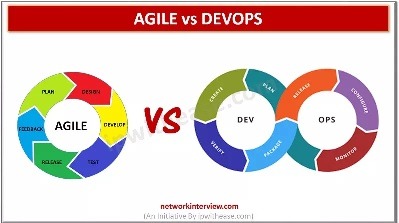
Agile and Dev Ops
Agile and Dev Ops are two closely related methodologies or sets of practices used in the software development and IT operations domains. While they have distinct focuses and origins, they are often used together to streamline and enhance the software development and delivery process. Here’s an overview of both Agile and Dev Ops:
Agile:
- Focus: Agile is a software development methodology that emphasizes iterative development, collaboration, customer feedback, and adaptability. Its primary focus is on delivering functional software in shorter cycles, known as “sprints” or iterations.
- Principles: Agile is guided by the Agile Manifesto, which outlines values and principles for agile development. Key principles include customer collaboration, responding to change, and delivering working software frequently.
- Methodologies: Agile includes various methodologies, such as Scrum, Kan b an, and Extreme Programming (XP), each with its own practices and processes. For example, Scrum uses time-boxed iterations and roles like Scrum Master and Product Owner.
- Benefits: Agile promotes faster development, early and continuous feedback, and the ability to adapt to changing requirements. It enhances customer satisfaction and product quality.
Dev Ops:
- Focus: Dev Ops is a set of practices that promote collaboration and communication between development (Dev) and IT operations (Ops) teams. The primary focus is on automating and streamlining the software delivery and deployment process.
- Principles: Dev Ops is built on principles such as continuous integration, continuous delivery (CI/CD), automation, and infrastructure as code (Ia C). It aims to break down silos between development and operations, resulting in a more efficient and reliable software delivery pipeline.
- Tools: Dev Ops relies on a range of tools and technologies, including version control systems, automated testing frameworks, containerization (e.g., Docker), and configuration management tools (e.g., Ansible).
- Benefits: Dev Ops accelerates the software delivery process, improves deployment reliability, and enhances collaboration. It reduces manual tasks and errors, leading to faster recovery in case of failures.
Agile and Dev Ops Together:
Agile and Dev Ops are often used in conjunction to create a more efficient end-to-end software development and delivery process. Here’s how they can work together:
- Continuous Integration: Agile teams often use Dev Ops practices to continuously integrate code changes and automate testing. This ensures that new features are thoroughly tested and ready for deployment.
- Continuous Delivery: Dev Ops principles of continuous delivery align with Agile’s goal of delivering working software frequently. Dev Ops pipelines automate the deployment process and ensure that code changes can be deployed to production as soon as they are ready.
- Feedback Loop: Agile practices encourage customer feedback, which informs development. Dev Ops practices facilitate rapid feedback by enabling quick deployments and monitoring of production systems.
- Collaboration: Both Agile and Dev Ops emphasize collaboration and communication among cross-functional teams. This shared focus on collaboration helps eliminate traditional barriers between development and operations teams.
- Flexibility: Agile’s adaptive nature allows teams to respond to changing requirements, while Dev Ops practices enable rapid and reliable adjustments to the production environment, facilitating rapid changes to software in production.
In summary, while Agile and Dev Ops have distinct origins and primary focuses, they can complement each other to create a more efficient and collaborative software development and delivery process. Many organizations use both methodologies to achieve faster, more reliable, and customer-focused software delivery.
What is required Agile and Dev Ops
The adoption of Agile and Dev Ops practices typically requires several key elements and considerations to be successful. Here are the essential requirements for implementing Agile and Dev Ops in your organization:
1. Leadership Buy-In:
- Executive Support: Leadership, from top executives to team leaders, should be committed to and supportive of Agile and Dev Ops adoption. They need to set the tone for cultural and process changes.
2. Cultural Transformation:
- Collaborative Culture: Foster a culture of collaboration, openness, and shared responsibility among development and operations teams.
- Continuous Improvement: Embrace a mindset of continuous improvement, where teams learn from failures and successes and adapt their processes accordingly.
3. Skilled Teams:
- Training and Education: Ensure that teams have the necessary skills and knowledge to work effectively in Agile and Dev Ops environments.
- Cross-Functional Teams: Compose teams with diverse skills to facilitate end-to-end responsibility for delivering and operating software.
4. Agile Frameworks and Practices:
- Select an Agile Framework: Choose an Agile framework that aligns with your organization’s goals and context. Common options include Scrum, Kan ban, and Lean.
- Backlog Management: Maintain a product backlog and prioritize user stories or work items for development.
5. Dev Ops Tools and Practices:
- Automation Tools: Invest in Dev Ops automation tools for continuous integration, continuous delivery, and infrastructure as code.
- Monitoring and Logging: Implement effective monitoring and logging practices to gain visibility into the performance and health of your applications and infrastructure.
6. Continuous Integration and Continuous Delivery (CI/CD):
- CI/CD Pipelines: Create CI/CD pipelines that automate the building, testing, and deployment of software.
- Deployment Automation: Enable automated deployments to various environments, from development to production.
7. Quality Assurance:
- Automated Testing: Implement comprehensive automated testing, including unit tests, integration tests, and end-to-end tests.
- Shift Left: Promote the “shift-left” approach, which involves addressing quality and testing earlier in the software development life cycle.
8. Infrastructure as Code (Ia C):
- Define Infrastructure: Use Ia C to define infrastructure resources and configurations in a code format, making it easier to manage and version control.
9. Continuous Feedback:
- Feedback Loops: Establish feedback mechanisms, including regular retrospectives and feedback from end-users, to identify areas for improvement.
10. Security Integration:
- Security in Dev Ops: Integrate security practices into your Dev Ops pipelines to ensure that security vulnerabilities are identified and addressed early in the development process.
11. Change Management:
- Change Control: Implement change management processes that are compatible with Agile and D e v Ops practices, allowing for controlled yet efficient changes.
12. Metrics and Key Performance Indicators (KP I s):
- Define Metrics: Establish and track relevant metrics and KP I s that measure the performance and effectiveness of your Agile and Dev Ops practices.
13. Continuous Learning and Adaptation:
- Retrospectives: Regularly conduct retrospectives to assess the effectiveness of your Agile and De v Ops adoption and identify areas for improvement.
14. Compliance and Governance:
- Compliance Measures: Ensure that Agile and De v Ops practices adhere to industry regulations and internal governance requirements.
15. Change Management:
- Change Control: Implement change management processes that are compatible with Agile and De v Ops practices, allowing for controlled yet efficient changes.
These requirements form the foundation for a successful adoption of Agile and Dev Ops in your organization. Tailor them to your specific context and continually monitor progress and adapt as needed to ensure that the transition to Agile and Dev Ops is effective and sustainable.
Who is required Agile and Dev Ops
The implementation of Agile and Dev Ops methodologies in an organization typically involves various roles and individuals who play essential parts in the process. Here are key stakeholders who are required for a successful Agile and Dev Ops transformation:
1. Executive Leadership:
- CI O/CT O: Chief Information Officers or Chief Technology Officers provide strategic direction and support for the adoption of Agile and Dev Ops practices.
- CEO: Chief Executive Officers often set the overall vision for the organization, which includes a commitment to Agile and Dev Ops principles.
- Vice Presidents and Directors: Senior leaders in various departments must be aligned with the transformation, as they have a significant impact on decision-making and resource allocation.
2. Product Owners and Managers:
- Product Owners: Responsible for defining and prioritizing features and requirements in Agile projects.
- Product Managers: Oversee the product’s overall strategy and are accountable for the product’s success.
3. Development Teams:
- Developers: Responsible for writing, testing, and delivering code.
- Testers: Ensure that code changes are rigorously tested to maintain software quality.
- Scrum Masters or Team Leads: Facilitate the Agile process, remove impediments, and promote continuous improvement.
4. Operations and IT Teams:
- System Administrators: Manage infrastructure and server configurations.
- Network Administrators: Handle network configurations and maintenance.
- Dev Ops Engineers: Specialized professionals who bridge the gap between development and operations by automating processes and managing CI/CD pipelines.
5. Quality Assurance (QA) Teams:
- QA Engineers: Responsible for creating and executing test plans, ensuring the software meets quality standards.
6. Business Analysts:
- Business Analysts: Work closely with stakeholders to define business requirements and ensure alignment with development efforts.
7. Security Teams:
- Security Specialists: Responsible for integrating security practices into the development and operations processes and addressing security vulnerabilities.
8. Change Management and Compliance Specialists:
- Change Managers: Help implement change control processes compatible with Agile and Dev Ops practices.
- Compliance Officers: Ensure that Agile and Dev O ps practices adhere to industry regulations and internal governance requirements.
9. Scrum and Agile Coaches:
- Scrum and Agile Coaches: Provide guidance, training, and coaching to teams and individuals on Agile principles and practices.
10. Release Managers:
- Release Managers: Oversee the planning and execution of software releases, ensuring a smooth deployment process.
11. End-Users and Customers:
- End-Users: Provide feedback on the software throughout development and use the final product.
- Customers: Offer insights and expectations, particularly in businesses that develop customer-facing software.
12. Data Analysts:
- Data Analysts: Contribute to data-driven decision-making by extracting insights from data generated by Agile and Dev Ops processes.
13. Continuous Improvement Champions:
- Continuous Improvement Champions: Encourage a culture of continuous learning and adaptation within the organization.
In summary, the successful adop Ops practices requires collaboration and alignment among a diverse group of individuals and roles. It’s important for these stakeholders to work together to break down silos and achieve the goals of faster, more reliable, and customer-focused software delivery.
When is required Agile and Dev Ops
Agile and Dev Ops methodologies are typically required in various scenarios and situations in the field of software development and IT operations. Here are some common scenarios where Agile and Dev Ops are beneficial and often necessary:
- Software Development Projects: Agile methodologies are well-suited for software development projects where requirements are subject to change, and close collaboration with stakeholders is essential.
- Product Development: Agile and Dev Ops are crucial for companies focused on developing and improving digital products, whether it’s a mobile app, web platform, or software application.
- IT Operations: Dev Ops practices are essential for IT operations teams managing infrastructure, servers, and networks. Dev Ops helps automate and streamline operational processes.
- Continuous Software Delivery: When there’s a need for continuous software delivery, such as frequent updates or patches, Agile and Dev Ops practices are essential to maintain the release pace while ensuring quality.
- Startups and Small Businesses: Agile and Dev Ops are often vital for startups and small businesses looking to iterate quickly, stay competitive, and deliver value to customers with limited resources.
- Legacy System Modernization: When modernizing or upgrading legacy systems, Agile and Dev Ops practices help ensure that the migration process is efficient and that the new systems are continuously improved.
- Cloud Computing and Micro services: In cloud-based environments and micro services architectures, Agile and Dev Ops are essential for efficiently managing and scaling infrastructure and applications.
- Highly Regulated Industries: In industries with strict regulations like healthcare and finance, Agile and Dev Ops help ensure compliance, traceability, and reliability.
- Customer-Cen tric Development: Agile methodologies are necessary when the development process relies heavily on customer feedback and rapid feature adjustments.
- Competitive Markets: In markets where rapid development and time-to-market are critical for staying competitive, Agile and Dev Ops are required to deliver products and services quickly.
- Custom Software Development: When developing custom software tailored to specific business needs, Agile methodologies ensure that the software evolves to meet changing requirements.
- Digital Transformation Initiatives: Organizations looking to undergo digital transformation need Agile and Dev Ops practices to drive change, adopt new technologies, and remain competitive in the digital age.
- Complex Software Projects: For large, complex software projects, Agile and Dev Ops provide a structured approach to manage the development, testing, and deployment phases.
- Global and Distributed Teams: Agile practices facilitate collaboration and communication within globally distributed development teams, ensuring that everyone stays aligned.
- Data-Intensive Applications: In projects involving data analytics, machine learning, and big data, Agile and Dev Ops practices help manage data pipelines and model deployment efficiently.
- Mobile App Development: Agile and Dev Ops are crucial for mobile app development to address the dynamic nature of app stores and customer expectations for frequent updates.
- E-commerce and Online Services: In the world of e-commerce and online services, Agile and Dev Ops are necessary to handle high traffic, maintain availability, and respond quickly to market changes.
In these scenarios, Agile methodologies and Dev Ops practices help organizations stay adaptable, deliver value to customers, and maintain high-quality software and services efficiently. The specific application and extent of Agile and Dev Ops may vary based on the organization’s goals and needs.
Agile and Dev Ops methodologies are required in a variety of settings and industries to enhance software development, deployment, and IT operations. Here are some key areas where Agile and Dev Ops are commonly applied:
- Software Development: Agile and De v Ops are fundamental to the software development process. They help in managing software projects, reducing development cycle times, and improving software quality.
- Web Development: Agile and Dev Ops are crucial for web application development, ensuring rapid feature delivery, continuous deployment, and robust web services.
- Mobile App Development: The development of mobile applications, whether for iOS or Android, benefits from Agile and Dev Ops practices to ensure frequent updates and responsive development cycles.
- Cloud Computing: In cloud environments, where scalability and flexibility are essential, Agile and Dev Ops practices streamline the management of cloud resources and services.
- Io T (Internet of Things): Agile and Dev Ops are used to develop, deploy, and maintain Io T devices and applications, ensuring the efficient handling of data and continuous improvements.
- E-commerce: Online retailers employ Agile and Dev Ops to manage e-commerce platforms, respond to customer demands, and ensure that online services remain available and secure.
- Finance and Banking: Agile and Dev Ops help financial institutions manage software systems, offer new digital services, and maintain secure and reliable transaction processing.
- Healthcare and Tele medicine: Agile and Dev Ops are used to develop healthcare software, electronic health records, and tele medicine applications, ensuring data privacy and regulatory compliance.
- Education: Educational institutions and e-learning platforms utilize Agile and Dev Ops to manage online courses and learning management systems.
- Media and Entertainment: Agile and Dev Ops practices enable the rapid development of content delivery platforms, streaming services, and interactive media applications.
- Manufacturing and Industry 4.0: In manufacturing, Agile and Dev Ops support automation, process optimization, and real-time data processing for Industry 4.0 initiatives.
- Agriculture: The agriculture sector leverages Agile and Dev Ops to develop precision farming solutions, monitor crop health, and optimize agricultural processes.
- Logistics and Supply Chain: Agile and Dev Ops facilitate the management of transportation, inventory, and supply chain operations, ensuring timely deliveries and efficient logistics.
- Energy and Utilities: Agile and Dev Ops are used to manage energy distribution systems, monitor power grids, and improve energy efficiency.
- Government and Public Services: Government agencies apply Agile and Dev Ops practices to deliver digital public services, ensure data security, and enhance citizen engagement.
- Startups and Entrepreneurship: Agile and Dev Ops methodologies are highly popular in the startup ecosystem, allowing young companies to develop, test, and deploy products quickly.
- Nonprofit and Social Impact: Agile and Dev Ops are applied in nonprofit organizations to manage databases, online platforms, and data analysis tools for social impact initiatives.
- Telecommunications: Telecommunications companies use Agile and Dev Ops to manage complex network infrastructure, deliver new services, and maintain network reliability.
- Automotive and Autonomous Vehicles: The automotive industry employs Agile and Dev Ops to develop software for connected cars, autonomous vehicles, and in-car entertainment systems.
- Scientific Research: In scientific fields, Agile and Dev Ops facilitate the development of research tools, data analysis platforms, and scientific simulations.
In summary, Agile and Dev Ops methodologies have broad applicability and are used in a wide range of industries and sectors to improve software development, deployment, and operational efficiency. The specific application of Agile and Dev Ops practices may vary depending on the needs and objectives of each organization or project.
Implementing Agile and Dev Ops methodologies effectively requires a structured approach and careful consideration of various factors. Here is how the implementation of Agile and Dev Ops can be accomplished:
1. Assess Your Current State:
- Begin by assessing your organization’s current software development and IT operations practices. Identify areas where Agile and Dev Ops can bring improvements.
2. Define Objectives and Goals:
- Clearly define your objectives for adopting Agile and Dev Ops. What do you hope to achieve? Are you aiming for faster development, better quality, or more frequent releases?
3. Gain Leadership Buy-In:
- Secure support from executive leadership to ensure that Agile and Dev Ops principles are embraced throughout the organization.
4. Create Cross-Functional Teams:
- Form cross-functional teams that include developers, operations, quality assurance, and business stakeholders. These teams will collaborate closely to streamline the development process.
5. Select Agile and Dev Ops Frameworks:
- Choose the Agile and Dev Ops frameworks that best suit your organization’s needs. For Agile, options include Scrum, Kan ban, and others. For Dev Ops, focus on continuous integration and continuous delivery (CI/CD) principles.
6. Training and Skill Development:
- Invest in training and skill development for your teams. Ensure that team members understand the Agile and Dev Ops practices they will be implementing.
7. Implement Agile Practices:
- Start applying Agile practices such as sprint planning, daily stand-up meetings, and retrospectives to improve collaboration and productivity.
8. Automate Continuous Integration and Continuous Delivery (CI/CD):
- Implement CI/CD pipelines to automate the build, test, and deployment process. Use tools like Jenkins, Travis CI, or Git Lab CI/CD.
9. Infrastructure as Code (Ia C):
- Implement Infrastructure as Code (Ia C) to define and manage infrastructure resources through code, making infrastructure changes more predictable and reproducible.
10. Monitor and Feedback:
- Implement effective monitoring and logging to track the performance and health of applications and infrastructure. Use feedback loops to continuously improve processes.
11. Security Integration:
- Integrate security practices into your development and deployment pipelines to identify and address security vulnerabilities early.
12. Agile and Dev Ops Culture:
- Foster a culture of collaboration, continuous learning, and innovation. Encourage teams to take ownership of their work and embrace experimentation.
13. Collaboration Tools:
- Use collaboration tools and platforms to facilitate communication and information sharing among teams, such as chat systems and issue tracking software.
14. Change Management:
- Implement change management practices that accommodate Agile and Dev Ops changes while ensuring compliance and risk management.
15. Metrics and Key Performance Indicators (KPIs):
- Define and measure relevant metrics and KPI s to evaluate the effectiveness of your Agile and Dev Ops practices.
16. Continuous Learning and Adaptation:
- Continuously assess your processes and adapt them as needed to align with Agile and D e v Ops principles and achieve your objectives.
17. Compliance and Governance:
- Ensure that Agile and Dev Ops practices comply with industry regulations and internal governance requirements.
18. Communication and Documentation:
- Maintain effective communication within teams and document processes and changes to enhance knowledge sharing and transparency.
19. Customer-Cen tric Focus:
- Keep the end-users and customers in mind by soliciting feedback and incorporating it into development decisions.
20. Encourage Innovation:
- Encourage teams to experiment, innovate, and seek out opportunities for improvement.
21. Scaling Agile and Dev Ops:
- If your organization is large, consider how to scale Agile and Dev Ops practices effectively to multiple teams or departments.
Implementing Agile and Dev Ops is an ongoing process that involves cultural, process, and technological changes. It’s important to tailor these practices to your organization’s specific needs and continuously monitor progress to ensure that the transformation is successful and sustainable.
Title: “Transforming Software Delivery: A Case Study on Agile and Dev Ops Implementation”
Introduction: Company XY Z, a mid-sized software development company, faced challenges in delivering high-quality software on time. To address these issues, they embarked on a transformation journey to implement Agile and Dev Ops practices. This case study explores their successful transformation.
Challenges: Before implementing Agile and Dev Ops, Company XY Z encountered several challenges:
- Slow Delivery: Software releases were infrequent, causing delays in delivering features and bug fixes to customers.
- Quality Issues: Quality assurance was time-consuming and often resulted in late-stage defects, leading to customer dissatisfaction.
- Lack of Collaboration: Silos existed between development and operations teams, hindering collaboration and slowing down the release process.
- Manual Processes: Manual deployment processes were error-prone and led to down times and rollbacks.
Transformation Plan: Company XY Z developed a comprehensive transformation plan that included the following steps:
- Leadership Buy-In: Senior management committed to the transformation, ensuring support and resources were available.
- Training and Skill Development: Employees received training in Agile and Dev Ops principles and tools to develop the required skills.
- Cross-Functional Teams: Teams were restructured to include developers, operations, and quality assurance members to foster collaboration.
- Agile Adoption: The company adopted the Scrum framework for Agile, introducing sprint planning, daily stand-up meetings, and retrospectives.
- Automation: A CI/CD pipeline was established, automating the entire software delivery process, from code commit to deployment.
- Infrastructure as Code (Ia C): Infrastructure was defined and managed through code, enhancing predictability and re produc ibility.
- Monitoring and Feedback: Monitoring tools were introduced, and feedback loops were established to continuously improve processes.
- Security Integration: Security practices were integrated into the CI/CD pipeline to identify and address vulnerabilities early.
Results: The Agile and Dev Ops transformation yielded significant results for Company XY Z:
- Accelerated Delivery: Software release cycles were shortened from months to weeks, allowing the company to deliver new features and fixes promptly.
- Quality Improvement: The implementation of automated testing and continuous integration significantly reduced the number of defects in production.
- Enhanced Collaboration: Cross-functional teams improved collaboration, with developers, operations, and QA working together to achieve common goals.
- Reduced Downtime: Automated deployments decreased downtime, and rollbacks were virtually eliminated.
Challenges Encountered: Company XY Z faced some challenges during the transformation:
- Resistance to Change: Some team members were initially resistant to adopting Agile and Dev Ops practices.
- Tool Selection: Selecting and implementing the right tools for automation and monitoring required careful consideration.
Lessons Learned: The following lessons were learned from this transformation:
- Cultural Change: The success of Agile and Dev Ops relies on cultural change, requiring communication, patience, and continuous encouragement of innovation.
- Continuous Improvement: Agile and Dev Ops are not static; continuous improvement and adaptation are essential.
- Effective Training: Adequate training and support are crucial to ensure employees have the skills required to embrace the new practices.
Conclusion: The implementation of Agile and Dev Ops practices transformed Company XY Z’s software delivery process, resulting in faster, higher-quality software releases and improved collaboration. The case study highlights the importance of leadership commitment, employee training, and cultural change in successfully adopting Agile and Dev Ops practices.
White Paper on Agile and Dev Ops
Creating a white paper on Agile and Dev Ops is a comprehensive undertaking, but I can provide you with an outline to help you get started. You can expand upon each section to create a detailed white paper on this important topic.
Title: “Mastering Agile and Dev Ops: A Comprehensive Guide”
Abstract:
- A brief summary of the white paper’s content, objectives, and key findings.
Table of Contents:
- Introduction
- Explain the growing importance of Agile and Dev Ops in modern software development.
- Define the objectives and scope of the white paper.
- Agile Methodologies
- Explore the core principles, values, and practices of Agile, including the Agile Manifesto.
- Discuss Agile methodologies such as Scrum, Kan ban, and Extreme Programming (X P).
- Dev Ops Principles and Practices
- Define the principles and practices of Dev Ops, emphasizing continuous integration, continuous delivery (CI/CD), and automation.
- Discuss the role of culture, automation, measurement, and sharing (CAMS) in Dev Ops.
- Agile vs. Waterfall
- Compare Agile with traditional Waterfall methodologies, highlighting the benefits of Agile in terms of flexibility, responsiveness, and customer satisfaction.
- Implementing Agile
- Provide a step-by-step guide on how to introduce Agile practices in an organization, covering cultural change, leadership support, and training.
- Implementing Dev Ops
- Offer practical insights into the adoption of Dev Ops principles, tools, and automation, including CI/CD pipelines and infrastructure as code (Ia C).
- Agile and Dev Ops in Synchronization
- Explain how Agile and Dev Ops complement each other, creating a seamless software development and delivery process.
- Real-World Case Studies
- Present real case studies of organizations that have successfully implemented Agile and Dev Ops practices, including the challenges they faced and the results achieved.
- Challenges and Best Practices
- Address common challenges encountered during Agile and Dev Ops adoption and provide best practices to overcome them.
- Security in Agile and Dev Ops
- Discuss the integration of security practices into Agile and Dev Ops pipelines and the importance of secure software development.
- Scaling Agile and Dev Ops
- Explore strategies for scaling Agile and Dev Ops practices in large organizations and across multiple teams.
- Measuring Success
- Define key performance indicators (KPI s) and metrics to evaluate the success of Agile and Dev Ops adoption.
- Continuous Learning and Improvement
- Emphasize the importance of a culture of continuous learning, experimentation, and adaptation in Agile and Dev Ops.
- The Future of Agile and Dev Ops
- Speculate on emerging trends, technologies, and innovations in Agile and Dev Ops, including the impact of AI, machine learning, and cloud-native development.
- Conclusion
- Summarize the key takeaways from the white paper, reinforcing the value of Agile and Dev Ops in modern software development.
- References
- Cite all the sources and references used in the white paper.