
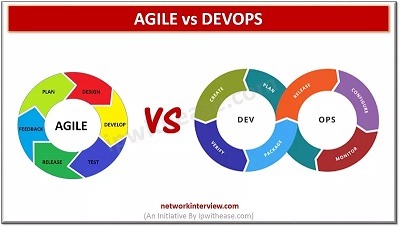
Agile and Dev ops
Agile and Dev Ops are two interconnected methodologies that have gained significant popularity in the software development industry. While Agile focuses on the iterative and collaborative approach to project management, Dev Ops emphasizes collaboration, automation, and continuous delivery of software. Together, they enable organizations to develop high-quality software products more efficiently and effectively. Let’s explore each methodology in more detail:
Agile: Agile is an iterative and incremental approach to project management and software development. It emphasizes flexibility, adaptability, and collaboration among team members. The key principles of Agile include:
- Customer Collaboration: Actively involving customers or stakeholders throughout the development process to ensure their needs are met.
- Adaptive Planning: Embracing change and adjusting project plans based on feedback and new insights.
- Iterative Development: Breaking down the project into smaller increments or iterations, allowing for frequent feedback and continuous improvement.
- Self-organizing Teams: Empowering cross-functional teams to make decisions and manage their work collaboratively.
- Continuous Improvement: Encouraging ongoing reflection and learning to improve processes, products, and team performance.
By adopting Agile, organizations can deliver value to customers faster, respond to changing requirements more effectively, and foster a culture of collaboration and continuous improvement.
Dev Ops: Dev Ops is a set of practices that brings together development (Dev) and operations (Ops) teams to improve collaboration, automate processes, and ensure faster and more reliable software delivery. Key elements of Dev Ops include:
- Collaboration and Communication: Breaking down silos between development and operations teams, encouraging shared goals, and fostering effective communication.
- Continuous Integration and Delivery: Automating the build, integration, testing, and deployment processes to ensure frequent and reliable software releases.
- Infrastructure as Code: Managing infrastructure and environments through code, enabling scalability, consistency, and version control.
- Continuous Monitoring: Monitoring applications and infrastructure in real-time to detect issues, identify trends, and improve system performance.
- Feedback and Learning: Emphasizing continuous feedback loops and learning from production deployments to drive improvements in software quality and processes.
Dev Ops aims to bridge the gap between development and operations, enabling organizations to deliver software more rapidly, reliably, and efficiently. By embracing Dev Ops practices, teams can increase collaboration, reduce errors, and enhance the overall software delivery life cycle.
Integration of Agile and Dev Ops: Agile and Dev Ops complement each other and can work together to enhance software development practices. While Agile focuses on project management and product development, Dev Ops provides the necessary tools and practices to automate and streamline the delivery process. The integration of Agile and Dev Ops allows for:
- Continuous Feedback: Agile’s iterative approach ensures frequent feedback from stakeholders, which helps drive continuous improvement in both development and operations.
- Collaboration: Agile emphasizes collaboration within the development team, while Dev Ops extends this collaboration to include operations teams, fostering a culture of shared responsibility and collective ownership.
- Continuous Delivery: Dev Ops practices, such as automation and continuous integration, align with Agile’s goal of delivering working software in short iterations, enabling faster and more frequent releases.
- Faster Time-to-Market: The combined use of Agile and Dev Ops reduces time-to-market by facilitating rapid development, efficient testing, and automated deployment.
- Quality Assurance: The iterative nature of Agile and the continuous testing and monitoring practices of Dev Ops contribute to improved software quality and reduced defects.
Organizations that adopt Agile and Dev Ops practices can gain a competitive edge by accelerating software development, improving collaboration, and delivering high-quality products to market faster.
In conclusion, Agile and Dev Ops are complementary methodologies that, when integrated effectively, can optimize the software development life cycle. Agile provides the principles and framework for iterative development and customer collaboration, while Dev Ops focuses on automation, collaboration, and continuous delivery. By leveraging both methodologies
What is required Agile and Dev ops
To effectively implement Agile and Dev Ops methodologies, certain requirements need to be met. Here are some key requirements for Agile and Dev Ops:
Agile Requirements:
- Cross-functional Teams: Agile teams should consist of cross-functional members who possess the necessary skills and expertise to complete the project independently.
- Clear Product Vision and Requirements: A clear understanding of the product vision and well-defined requirements are essential for Agile teams to prioritize and plan their work effectively.
- Iterative Planning and Delivery: Agile teams work in short iterations or sprints, requiring regular planning sessions to determine the scope of work for each iteration and deliver incrementally.
- Collaborative Environment: Agile emphasizes collaboration and communication, so a supportive and collaborative work environment is essential for the success of Agile projects.
- Customer Involvement: Active involvement and feedback from customers or stakeholders throughout the development process help ensure that the product meets their needs and expectations.
Dev Ops Requirements:
- Automated Infrastructure and Deployment: Automation tools are required to provision and manage infrastructure, automate software deployments, and facilitate continuous integration and delivery.
- Configuration Management: A robust configuration management system is necessary to manage and track changes in software and infrastructure configurations consistently.
- Continuous Integration and Testing: Automated testing frameworks and continuous integration tools are required to ensure that code changes are tested thoroughly and integrated seamlessly.
- Monitoring and Logging: Implementing monitoring and logging solutions helps in identifying and resolving issues quickly, as well as gaining insights into system performance.
- Collaboration and Communication Tools: Dev Ops teams rely on collaboration and communication tools to facilitate effective communication and knowledge sharing among team members.
- Security and Compliance: Dev Ops practices should include security measures, such as vulnerability scanning, secure coding practices, and compliance checks, to ensure the integrity and protection of software and data.
- Continuous Learning and Improvement: A culture of continuous learning and improvement is crucial for Dev Ops teams, encouraging them to embrace new technologies, evaluate processes, and implement feedback-driven enhancements.
It’s important to note that the specific requirements may vary based on the organization’s size, industry, and specific project needs. Agile and De v Ops implementations often require organizational buy-in, training and up skilling of team members, and a supportive leadership culture that encourages experimentation, collaboration, and continuous improvement.
By meeting these requirements, organizations can effectively implement Agile and Dev Ops methodologies, enabling faster delivery of high-quality software and improved collaboration between development and operations teams.
Who is required Agile and Dev ops
Agile and Dev Ops methodologies involve various roles and individuals with specific responsibilities. Here are some key roles typically required in Agile and Dev Ops teams:
Agile Roles:
- Product Owner: Represents the stakeholders, defines and prioritizes product requirements, and ensures the team delivers value to the customers.
- Scrum Master: Facilitates the Agile process, removes obstacles, and ensures that the team adheres to Agile principles and practices.
- Development Team: Cross-functional team members responsible for designing, developing, and testing the product increment.
- Stakeholders: Individuals or groups who have an interest in or will be affected by the product, such as customers, end-users, management, and other business units.
DevOps Roles:
- Dev Ops Engineer: Responsible for implementing and maintaining the tools, infrastructure, and processes to enable continuous integration, delivery, and deployment.
- Release Manager: Coordinates the release process, ensures smooth deployments, and manages the release schedule.
- Operations Team: Manages and maintains the production environment, monitors system performance, and responds to incidents and issues.
- Security Specialist: Ensures that security measures are integrated into the development and deployment processes and maintains compliance with relevant regulations.
- Automation Engineer: Develops and maintains the automation framework and scripts for building, testing, and deploying software.
- Quality Assurance (QA) Engineer: Works closely with the development team to define and execute testing strategies and ensure the software meets quality standards.
It’s important to note that in Agile and Dev Ops, there is often an emphasis on collaboration and shared responsibility. While these roles exist, there is a culture of cross-functional collaboration and knowledge-sharing, where team members may take on multiple responsibilities or contribute to tasks outside their primary role.
Furthermore, the specific roles and responsibilities may vary depending on the organization’s size, structure, and project requirements. Some organizations may have additional roles, such as a Continuous Integration Specialist or a Data Ops Engineer, based on their specific needs and focus areas.
Ultimately, successful Agile and Dev Ops implementation relies on a collaborative team effort, where individuals with different expertise work together towards the common goal of delivering high-quality software efficiently and continuously improving processes.
When is required Agile and Dev ops
Agile and Dev Ops methodologies are beneficial in various situations and contexts. Here are some scenarios where Agile and Dev Ops are commonly required:
- Software Development Projects: Agile and Dev Ops methodologies are particularly well-suited for software development projects, especially those that require frequent changes, iterative development, and continuous delivery. These methodologies enable teams to adapt to changing requirements, deliver working software in short iterations, and maintain a rapid and reliable release cycle.
- Fast-paced Environments: In industries where speed is essential, such as technology, e-commerce, or startups, Agile and Dev Ops methodologies help organizations stay competitive by enabling faster time-to-market and quick adaptation to evolving customer demands. These methodologies promote flexibility, efficiency, and responsiveness, allowing teams to deliver value rapidly.
- Complex and Dynamic Projects: Agile and Dev Ops methodologies are effective in managing complex projects with evolving requirements and a high degree of uncertainty. The iterative and collaborative nature of Agile helps teams break down complex projects into manageable increments, while Dev Ops enables continuous integration, delivery, and feedback loops, reducing the risk associated with complex projects.
- Cross-functional Teams: Agile and Dev Ops methodologies are beneficial when working with cross-functional teams that include members from different disciplines, such as developers, testers, operations, and business stakeholders. These methodologies promote collaboration, communication, and shared responsibility, facilitating effective coordination and knowledge sharing among team members.
- Continuous Improvement and Innovation: Agile and Dev Ops foster a culture of continuous improvement and innovation. Organizations seeking to enhance their software development practices, embrace new technologies, and continuously deliver value to customers can benefit from implementing Agile and Dev Ops methodologies. These methodologies promote experimentation, feedback, and learning, enabling teams to drive continuous improvement and innovation.
- Collaboration between Development and Operations: Organizations looking to break down silos and improve collaboration between development and operations teams can benefit from adopting Dev Ops practices. Dev Ops emphasizes close collaboration, shared goals, and a focus on automation and continuous delivery, enabling smoother hand offs between development and operations, reducing bottlenecks, and accelerating the software delivery process.
It’s important to assess the specific needs, goals, and constraints of your organization and project to determine if Agile and Dev Ops methodologies are the right fit. While Agile and Dev Ops can offer significant benefits, successful adoption requires organizational commitment, alignment with business objectives, and the necessary infrastructure, tools, and resources to support these methodologies effectively.
Where is required Agile and Dev ops
Agile and De v Ops methodologies can be applied in various contexts and industries where software development and delivery are integral. Here are some areas where Agile and Dev Ops are commonly required:
- Software Development Companies: Agile and Dev Ops are extensively used in software development companies of all sizes, including startups, mid-sized firms, and large enterprises. These methodologies help teams deliver software products rapidly, respond to changing customer requirements, and ensure continuous improvement in development and delivery processes.
- Technology and IT Organizations: Agile and Dev Ops are highly relevant in the technology and IT industry, where software development, infrastructure management, and system administration are core functions. These methodologies enable technology teams to streamline their processes, automate deployments, and ensure efficient collaboration between developers, operations personnel, and other stakeholders.
- E-commerce and Online Businesses: In the e-commerce sector, where rapid delivery of new features and updates is crucial, Agile and Dev Ops play a vital role. These methodologies help businesses stay competitive by enabling frequent releases, ensuring system reliability, and providing a seamless user experience.
- Cloud Computing and Saa S Providers: Agile and Dev Ops methodologies align well with cloud computing and Software-as-a-Service (Saa S) models. Organizations that offer cloud-based services or Saa S products can leverage Agile and Dev Ops practices to rapidly deliver updates, scale their infrastructure, and maintain high availability for their customers.
- Digital Transformation Initiatives: Organizations undergoing digital transformation initiatives can benefit from Agile and Dev Ops methodologies. These methodologies enable faster adoption of new technologies, facilitate collaboration between business and IT teams, and ensure a customer-centric approach in developing digital solutions.
- Mobile Application Development: With the increasing demand for mobile applications, Agile and Dev Ops are commonly used in mobile app development projects. These methodologies help teams deliver mobile apps with shorter development cycles, continuous integration of new features, and seamless deployment across multiple platforms.
- Internet of Things (IoT): Agile and Dev Ops are relevant in IoT projects, where software and hardware components need to work together seamlessly. These methodologies enable iterative development of Io T systems, rapid prototyping, and continuous integration of firmware updates to ensure the stability and functionality of IoT devices.
- Regulatory and Compliance-driven Industries: Even in industries with strict regulatory and compliance requirements, such as finance, healthcare, and government sectors, Agile and Dev Ops can be adopted while adhering to the necessary standards. These methodologies enable organizations to improve software quality, automate compliance checks, and maintain audit trails for regulatory purposes.
It’s worth noting that Agile and Dev Ops can be applied in various other domains as well. The key is to assess the specific needs, constraints, and objectives of the organization and project to determine how Agile and Dev Ops principles and practices can be effectively utilized to achieve the desired outcomes.
How is required Agile and dev ops
To effectively implement Agile and Dev Ops methodologies, certain practices and approaches are required. Here are some key aspects of how Agile and Dev Ops are required:
Agile:
- Iterative and Incremental Approach: Agile projects follow an iterative and incremental development process, where work is divided into short iterations or sprints. Each iteration delivers a working increment of the product, allowing for frequent feedback, adaptation, and value delivery.
- Cross-functional Collaboration: Agile teams are typically cross-functional, consisting of members with diverse skills and expertise. Collaboration and communication among team members are essential to ensure shared understanding, effective decision-making, and collective ownership of the product.
- Agile Ceremonies: Agile methodologies, such as Scrum or Kan ban, require specific ceremonies or meetings to facilitate collaboration and progress tracking. These include daily stand-up meetings, sprint planning sessions, sprint reviews, and retrospectives, where the team plans, inspects, and adapts their work.
- User Stories and Backlog Management: Agile teams capture product requirements in the form of user stories, which are short descriptions of a desired feature from the user’s perspective. These user stories are managed in a prioritized backlog, allowing the team to plan and deliver work based on customer value and business priorities.
- Continuous Feedback and Adaptation: Agile emphasizes frequent feedback loops, allowing stakeholders and customers to provide input and validate progress. This feedback drives continuous adaptation and improvement of the product and development processes.
Dev Ops:
- Continuous Integration and Deployment: Dev Ops emphasizes continuous integration, where code changes are frequently merged into a shared repository and automatically tested. Continuous deployment enables the automated release of software changes into production environments, ensuring a fast and reliable delivery pipeline.
- Infrastructure as Code: Dev Ops encourages the use of infrastructure as code (IaC), where infrastructure and configuration settings are defined and managed through code. This approach enables the automation of infrastructure provisioning, making deployments consistent, repeatable, and version-controlled.
- Collaboration and Communication: Dev Ops fosters collaboration and communication between development, operations, and other teams involved in the software delivery process. This involves breaking down silos, encouraging shared responsibility, and establishing effective channels for communication and knowledge sharing.
- Automated Testing and Quality Assurance: Dev Ops promotes automated testing practices, such as unit tests, integration tests, and acceptance tests, to ensure software quality. Automated testing frameworks and tools help detect issues early, enabling rapid feedback and reducing the risk of defects reaching production.
- Continuous Monitoring and Feedback: Dev Ops teams focus on continuous monitoring of applications and infrastructure to identify performance bottlenecks, errors, and security vulnerabilities. Monitoring tools provide real-time insights, enabling teams to proactively address issues and optimize system performance.
- Continuous Learning and Improvement: Dev Ops encourages a culture of continuous learning and improvement, where teams regularly reflect on their processes, share knowledge, and implement feedback-driven enhancements. This includes conducting post-incident reviews, promoting learning opportunities, and experimenting with new tools and technologies.
Both Agile and Dev Ops methodologies require a shift in mindset, emphasizing collaboration, flexibility, and continuous improvement. Successful implementation of Agile and Dev Ops involves adopting the necessary practices, investing in automation and tooling, fostering a culture of trust and shared responsibility, and ensuring alignment with organizational goals and customer needs.
Case study on Agile and Dev ops
Certainly! Here’s a case study illustrating the implementation of Agile and Dev Ops methodologies in a software development project:
Case Study: Agile and Dev Ops in a Software Development Project
Company Overview: ABC Software Solutions is a mid-sized software development company specializing in enterprise-level applications. They recently undertook a project to develop a new customer relationship management (CR M) software for a large client in the retail industry.
Challenges:
- Changing Requirements: The client’s requirements for the CR M software were evolving rapidly due to market dynamics and changing business needs. The development team needed to adapt quickly and deliver incremental value to meet the client’s evolving expectations.
- Integration and Deployment Complexity: The CR M software required seamless integration with existing systems and databases within the client’s infrastructure. The deployment process was complex and required coordination with the client’s IT team.
- Quality Assurance: The company had experienced delays and quality issues in previous projects due to manual testing processes and lack of automated test coverage. They wanted to ensure comprehensive testing and early detection of defects to improve the software’s quality.
Solution: ABC Software Solutions decided to adopt Agile and Dev Ops methodologies to address their challenges and deliver the CR M software successfully.
Agile Implementation:
- Cross-functional Team: A dedicated cross-functional team was formed, consisting of developers, testers, a product owner, and a Scrum Master. This team had all the necessary skills to design, develop, test, and deploy the CR M software.
- Iterative Development: The project was divided into two-week sprints. At the start of each sprint, the team collaborated with the client to define and prioritize user stories. The team then focused on delivering a working increment of the software at the end of each sprint.
- Continuous Collaboration: Daily stand-up meetings were conducted to promote communication, provide updates on progress, and address any impediments. The product owner worked closely with the team to provide clarifications and ensure the client’s expectations were met.
Dev Ops Implementation:
- Infrastructure Automation: The company adopted infrastructure-as-code principles using tools like Terra form and An sible. Infrastructure provisioning and configuration were automated, enabling consistent and repeatable deployments across environments.
- Continuous Integration and Deployment: A continuous integration and deployment pipeline was set up using Jenkins. Code changes were automatically built, tested, and deployed to development, staging, and production environments, ensuring faster and reliable software delivery.
- Automated Testing: The testing process was automated using frameworks such as Selenium and J Unit. Unit tests, integration tests, and end-to-end tests were included in the pipeline, providing quick feedback on code quality and reducing the risk of defects.
Results:
- Increased Collaboration and Adaptability: The Agile approach allowed the development team to collaborate closely with the client, adapt to changing requirements, and deliver value in shorter iterations. Regular feedback from the client ensured the software aligned with their evolving needs.
- Faster Time-to-Market: Dev Ops practices facilitated faster deployment cycles and reduced time spent on manual configuration and deployment tasks. This resulted in quicker delivery of features and updates to the client, enabling them to gain a competitive edge.
- Improved Quality and Reliability: The implementation of automated testing processes and continuous integration helped detect defects early in the development cycle. This led to improved software quality, reduced bugs, and enhanced overall system reliability.
- Enhanced Customer Satisfaction: The Agile and Dev Ops implementation enabled the development team to deliver a CR M software solution that met the client’s changing requirements, improved collaboration, and delivered features quickly. The client expressed high satisfaction with the software’s functionality and responsiveness to their needs.
This case study highlights how the combination of Agile and Dev Ops methodologies helped ABC Software Solutions overcome challenges, improve collaboration, and deliver a high-quality CR M software solution to their client. By embracing iterative development, automation, and continuous feedback, they
White paper on Agile and Dev ops
However, I can provide you with an outline and key points that you can use as a starting point to create your own white paper on Agile and Dev Ops. Here’s a suggested outline:
Title: Embracing Agile and Dev Ops: Transforming Software Development for Efficiency and Innovation
- Introduction
- Brief overview of the challenges faced in traditional software development approaches
- Introduction to Agile and Dev Ops as modern methodologies to address these challenges
- Understanding Agile Methodology
- Explanation of Agile principles and values
- Overview of Agile frameworks (e.g., Scrum, Kan ban)
- Key practices and ceremonies in Agile (e.g., user stories, sprints, retrospectives)
- Exploring Dev Ops Philosophy
- Definition and principles of Dev Ops
- Key components of Dev Ops (people, process, technology)
- Alignment of Dev Ops with Agile for continuous delivery and collaboration
- Benefits of Agile and Dev Ops
- Improved collaboration and communication between teams
- Accelerated software delivery and time-to-market
- Enhanced quality and reliability through automated testing and continuous integration
- Flexibility and adaptability to changing requirements
- Increased customer satisfaction and value delivery
- Agile and Dev Ops Implementation
- Steps for successful Agile and Dev Ops adoption
- Organizational changes and cultural transformation required
- Tools and technologies to support Agile and Dev Ops practices (e.g., version control, CI/CD tools)
- Case Studies
- Real-world examples of organizations that have successfully implemented Agile and Dev Ops
- Results achieved, challenges faced, and lessons learned
- Best Practices and Considerations
- Tips for successful Agile and Dev Ops implementation
- Scaling Agile and Dev Ops for large projects and organizations
- Addressing security and compliance requirements in Agile and Dev Ops environments
- Future Trends and Innovations
- Emerging trends in Agile and Dev Ops (e.g., DevSec Ops, Data Ops)
- Integration of Agile and Dev Ops with emerging technologies (e.g., AI, cloud-native architectures)
- Conclusion
- Recap of the benefits and impact of Agile and Dev Ops on software development
- Call to action for organizations to embrace Agile and Dev Ops for competitive advantage
Remember to conduct further research, gather relevant data and examples, and structure your white paper in a coherent and well-supported manner. Good luck with your white paper on Agile and Dev Ops!