
Basics of computer networks
Computer networks are essential for connecting devices and facilitating communication and data sharing. They enable computers, servers, and other devices to interact with each other, access shared resources, and exchange information. Here are some basics of computer networks:
- Network Topo logies: A network topology refers to the arrangement of devices and connections in a network. Common topo logies include bus, star, ring, mesh, and tree. Each has its advantages and disadvantages in terms of scalability, fault tolerance, and cost.
- Network Protocols: Network protocols are a set of rules and standards that define how devices communicate and exchange data over a network. Examples include TC P/IP (Transmission Control Protocol/Internet Protocol), Ethernet, Wi-Fi (Wireless Fidelity), and HTTP (Hypertext Transfer Protocol).
- Network Components: Networks consist of various components, including:
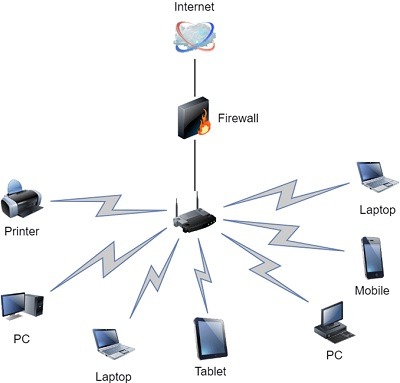
- Devices: These include computers, servers, routers, switches, modems, access points, and network printers.
- Cables: Network cables, such as Ethernet cables, are used to establish wired connections between devices.
- Wireless: Wireless networks use radio waves or infrared signals to transmit data without cables.
- Network Interfaces: Devices are equipped with network interfaces (e.g., network cards) to connect them to the network.
- Network Addressing: To identify devices on a network, each device is assigned a unique address. In IP-based networks, devices have IP addresses (e.g., IPv 4 or IPv 6) that allow them to send and receive data. MAC (Media Access Control) addresses are used at the data link layer to uniquely identify network interfaces.
- Network Layers: Networks are often organized into layers, each responsible for specific functions. The most commonly referenced model is the OS I (Open Systems Interconnection) model, which consists of seven layers: Physical, Data Link, Network, Transport, Session, Presentation, and Application. The TC P/IP model combines some of these layers into four: Network Interface, Internet, Transport, and Application.
- Network Security: Network security aims to protect networks and their data from unauthorized access, attacks, and vulnerabilities. It involves measures like firewalls, encryption, virtual private networks (VPN s), and secure protocols (e.g., HTTP S).
- Network Types: Different types of networks serve various purposes:
- Local Area Network (LAN): A LAN connects devices within a limited geographic area, such as a home, office, or campus.
- Wide Area Network (WAN): A WAN spans large distances, connecting LAN s or other networks across cities, countries, or continents. The Internet is the largest WAN.
- Wireless Networks: Wireless networks enable devices to connect without physical cables, using technologies like Wi-Fi, Bluetooth, or cellular networks.
- Cloud Networks: Cloud networks leverage remote servers and resources to provide scal able and flexible computing and storage services over the Internet.
These basics provide a starting point for understanding computer networks. The field is vast, and there are many additional concepts and technologies involved in designing, implementing, and managing networks effectively.
What is required Basics of computer networks
To grasp the basics of computer networks, you need to understand the following key concepts:
- Network Topo logies: Familiarize yourself with various network topo logies, such as bus, star, ring, mesh, and tree, and understand their advantages and disadvantages.
- Network Protocols: Learn about common network protocols like TC P/IP, Ethernet, Wi-F i, and HTTP. Understand how these protocols facilitate communication and data transfer between devices.
- Network Components: Gain knowledge about different network devices, including computers, servers, routers, switches, modems, access points, and network printers. Understand their roles and functions within a network.
- Network Addressing: Learn about IP addressing (IPv 4 and IPv 6) and MAC addressing. Understand how devices are uniquely identified on a network.
- Network Layers: Study the OS I model and the TC P/IP model to comprehend the layered structure of networks and the functions of each layer, such as the physical, data link, network, transport, session, presentation, and application layers.
- Network Security: Acquire knowledge about network security measures, such as firewalls, encryption, VP N s, secure protocols (e.g., HTTP S), and common threats like malware, phishing, and denial-of-service (Do S) attacks.
- Network Types: Understand the distinctions between different types of networks, including LAN s, WAN s, wireless networks, and cloud networks. Learn their characteristics, use cases, and connectivity options.
In addition to these core concepts, it’s helpful to familiarize yourself with network troubleshooting techniques, network performance optimization, network management tools, and network design principles.
To solidify your understanding, you can explore online tutorials, textbooks, or courses specifically focused on computer networking. Hands-on experience through practical exercises, network simulations, or setting up a small network at home can greatly enhance your understanding and practical skills in computer networks.
Who is required Basics of computer networks
Basics of computer networks are required by various individuals and professionals who work with or rely on computer networks. Some of the key individuals who benefit from understanding computer networks include:
- Network Administrators: Network administrators are responsible for designing, implementing, and managing computer networks within an organization. They need a strong foundation in computer networks to configure network devices, troubleshoot issues, ensure network security, and optimize network performance.
- System Administrators: System administrators often work closely with network administrators to maintain and manage the servers, operating systems, and software applications that rely on computer networks. They need a basic understanding of computer networks to ensure proper network connectivity and to troubleshoot system-level network issues.
- Network Engineers: Network engineers specialize in the design and implementation of computer networks. They require a deep understanding of network protocols, topo logies, and technologies to create robust and scal able networks that meet the organization’s requirements.
- IT Support Professionals: IT support professionals, including help desk technicians and technical support specialists, assist end-users with network-related issues. They need a fundamental knowledge of computer networks to diagnose and resolve common network connectivity problems faced by users.
- Software Developers: Software developers may develop network-based applications or work with network protocols in their applications. Understanding computer networks allows them to design and develop software that effectively utilizes network resources and communicates over networks.
- IT Managers: IT managers oversee the IT infrastructure within an organization, including computer networks. They need a broad understanding of computer networks to make informed decisions about network upgrades, investments, and security measures.
- Students and IT Enthusiasts: Students pursuing degrees or certifications in IT-related fields or individuals interested in learning about computer networks benefit from understanding the basics. It provides a strong foundation for further learning and specialization in networking.
While these individuals are commonly associated with requiring knowledge of computer networks, anyone who uses computer networks in their personal or professional life can benefit from understanding the basics. This includes home users, small business owners, and individuals working in various industries that rely on network connectivity and data sharing.
When is required Basics of computer networks
Basics of computer networks are required in various situations and scenarios. Here are some common instances when a basic understanding of computer networks is necessary:
- Network Setup and Configuration: When setting up a new network, whether at home or in an organization, understanding computer networks is crucial. It helps in configuring network devices, establishing proper connectivity, and ensuring the network is secure and optimized.
- Network Troubleshooting: When network connectivity issues arise, having a basic understanding of computer networks allows individuals to diagnose and troubleshoot common network problems. It helps in identifying issues with network devices, addressing IP or DN S configuration problems, or resolving connectivity errors.
- Network Maintenance and Management: Regular network maintenance involves tasks like monitoring network performance, upgrading network devices, applying security patches, and optimizing network resources. Knowledge of computer networks is essential to effectively manage and maintain the network infrastructure.
- Supporting End Users: IT support professionals often encounter network-related issues reported by end users. A basic understanding of computer networks enables them to assist users with troubleshooting network connectivity problems, resolving IP address conflicts, or providing guidance on connecting to wireless networks.
- Implementing Network Security Measures: Protecting computer networks from cyber threats requires implementing appropriate security measures. Understanding computer networks helps in configuring firewalls, setting up secure protocols, implementing encryption, and detecting and mitigating network-based attacks.
- Network Expansion or Upgrades: When expanding an existing network or upgrading network infrastructure, a basic understanding of computer networks is necessary. It helps in designing the network architecture, selecting appropriate network devices, ensuring compatibility between components, and integrating new technologies.
- Working with Network-Dependent Applications: Many software applications rely on network connectivity for their functionality. Understanding computer networks is crucial for developers working on network-dependent applications, enabling them to design, develop, and test software that effectively communicates over networks.
- IT Decision Making: IT managers and decision-makers often need to evaluate network-related proposals, make informed decisions about network investments, and assess the impact of network changes on the organization. Having a basic understanding of computer networks helps in assessing the feasibility, benefits, and risks associated with network-related decisions.
In summary, understanding the basics of computer networks is required whenever there is a need to set up, maintain, troubleshoot, secure, or make decisions related to computer networks. It is a foundational knowledge that enables individuals to effectively work with and manage network infrastructure and connectivity.
Where is required Basics of computer networks
Basics of computer networks are required in various domains and industries where computer networks play a critical role. Here are some common areas where a basic understanding of computer networks is necessary:
- Information Technology (IT) Departments: IT departments in organizations of all sizes require professionals with a strong foundation in computer networks. Network administrators, system administrators, network engineers, and IT support personnel all need to understand computer networks to effectively manage and troubleshoot network infrastructure.
- Telecommunications Companies: Telecommunications companies, including internet service providers (ISP s), rely heavily on computer networks to provide connectivity to their customers. Network engineers and technicians working in these companies require a deep understanding of computer networks to design, deploy, and maintain network infrastructure.
- Software Development: Computer networks are integral to developing network-based applications and services. Software developers working on applications that rely on network connectivity, such as web applications, cloud services, or network protocols, need to understand the basics of computer networks to design and develop robust and efficient software solutions.
- Cyber security and Network Security: In the field of cyber security, professionals need a solid understanding of computer networks to identify and mitigate network-based threats. Network security analysts, ethical hackers, and cyber security engineers require knowledge of computer networks to detect vulnerabilities, secure network infrastructure, and respond to security incidents.
- Cloud Computing and Data Centers: Cloud computing providers and data centers rely on computer networks to deliver their services. Professionals working in these environments need to understand network architectures, virtual networks, network virtualization, and network management techniques to ensure reliable and efficient service delivery.
- Networking Equipment Manufacturers: Companies that manufacture networking equipment, such as routers, switches, and network interfaces, require engineers with a deep understanding of computer networks. These professionals are involved in designing and testing network equipment to ensure compatibility, performance, and reliability.
- Academic Institutions and Training Centers: Educational institutions and training centers that offer courses and programs in computer science, information technology, and networking require instructors and educators with a strong grasp of computer networks. They need to effectively teach networking concepts, protocols, and practical skills to students.
- Small Businesses and Home Networks: Even in small businesses and home environments, a basic understanding of computer networks is necessary for setting up and managing local networks, connecting devices, troubleshooting network issues, and ensuring secure connectivity.
Overall, the demand for professionals with knowledge of computer networks extends across industries and sectors where computer networks are essential for communication, data transfer, and information sharing.
How is required Basics of computer networks
Understanding the basics of computer networks is essential for several reasons:
- Network Setup and Configuration: When setting up a network, whether it’s a home network or an enterprise-level network, a basic understanding of computer networks is required. This knowledge helps in properly configuring network devices, establishing network connectivity, and ensuring the network is functioning correctly.
- Network Troubleshooting: Networks can encounter various issues, such as connectivity problems, slow performance, or security breaches. With a basic understanding of computer networks, individuals can diagnose and troubleshoot common network problems, identify faulty devices or configurations, and implement appropriate solutions.
- Network Security: Computer networks are vulnerable to security threats like unauthorized access, data breaches, and malware attacks. Knowledge of computer networks allows individuals to implement network security measures, such as setting up firewalls, configuring secure protocols, and implementing encryption, to protect the network and its data.
- Network Optimization: Understanding computer networks enables individuals to optimize network performance and efficiency. This includes tasks like managing network bandwidth, reducing network congestion, implementing Quality of Service (Qo S) measures, and optimizing network protocols for better throughput.
- Collaboration and Communication: In an interconnected world, computer networks facilitate collaboration and communication. With a basic understanding of computer networks, individuals can effectively use network-based collaboration tools, such as email, instant messaging, video conferencing, and file sharing applications, to connect and communicate with others.
- Network Administration and Management: Network administrators and IT professionals responsible for managing networks require a solid foundation in computer networks. This knowledge allows them to configure and manage network devices, monitor network performance, troubleshoot issues, and ensure the overall health and reliability of the network infrastructure.
- Career Opportunities: Proficiency in computer networks opens up various career opportunities in fields like network administration, network engineering, cyber security, system administration, and telecommunications. Understanding the basics of computer networks is often a prerequisite for pursuing specialized certifications and advancing in these career paths.
- Adaptation to Technological Advances: As technology continues to evolve, new networking concepts and technologies emerge. Having a basic understanding of computer networks equips individuals to adapt to these advancements, learn new networking concepts, and leverage emerging technologies in their personal and professional lives.
Overall, a basic understanding of computer networks is essential in today’s digital age. It empowers individuals to set up and maintain networks, troubleshoot issues, implement security measures, optimize network performance, collaborate effectively, and pursue career opportunities in the field of networking.
How is required Basics of computer networks
Understanding the basics of computer networks is essential for several reasons:
- Network Setup and Configuration: When setting up a network, whether it’s a home network or an enterprise-level network, a basic understanding of computer networks is required. This knowledge helps in properly configuring network devices, establishing network connectivity, and ensuring the network is functioning correctly.
- Network Troubleshooting: Networks can encounter various issues, such as connectivity problems, slow performance, or security breaches. With a basic understanding of computer networks, individuals can diagnose and troubleshoot common network problems, identify faulty devices or configurations, and implement appropriate solutions.
- Network Security: Computer networks are vulnerable to security threats like unauthorized access, data breaches, and malware attacks. Knowledge of computer networks allows individuals to implement network security measures, such as setting up firewalls, configuring secure protocols, and implementing encryption, to protect the network and its data.
- Network Optimization: Understanding computer networks enables individuals to optimize network performance and efficiency. This includes tasks like managing network bandwidth, reducing network congestion, implementing Quality of Service (Qo S) measures, and optimizing network protocols for better throughput.
- Collaboration and Communication: In an interconnected world, computer networks facilitate collaboration and communication. With a basic understanding of computer networks, individuals can effectively use network-based collaboration tools, such as email, instant messaging, video conferencing, and file sharing applications, to connect and communicate with others.
- Network Administration and Management: Network administrators and IT professionals responsible for managing networks require a solid foundation in computer networks. This knowledge allows them to configure and manage network devices, monitor network performance, troubleshoot issues, and ensure the overall health and reliability of the network infrastructure.
- Career Opportunities: Proficiency in computer networks opens up various career opportunities in fields like network administration, network engineering, cyber security, system administration, and telecommunications. Understanding the basics of computer networks is often a prerequisite for pursuing specialized certifications and advancing in these career paths.
- Adaptation to Technological Advances: As technology continues to evolve, new networking concepts and technologies emerge. Having a basic understanding of computer networks equips individuals to adapt to these advancements, learn new networking concepts, and leverage emerging technologies in their personal and professional lives.
Overall, a basic understanding of computer networks is essential in today’s digital age. It empowers individuals to set up and maintain networks, troubleshoot issues, implement security measures, optimize network performance, collaborate effectively, and pursue career opportunities in the field of networking.
Case study on Basics of computer networks
Case Study: Small Business Network Setup
Scenario: ABC Consulting is a small business that provides IT consulting services to local clients. They have recently moved to a new office location and need to set up a reliable and secure computer network to support their operations. The network will need to accommodate a dozen computers, a file server, printers, and provide internet connectivity.
Solution:
- Network Topology Selection: After assessing the office layout and requirements, ABC Consulting decides to implement a star topology for their network. This topology offers centralized control and easy scalability.
- Network Devices: The following network devices are selected and deployed:
- Router: A router is chosen as the central device that connects the office network to the internet. It provides network address translation (NAT), firewall capabilities, and manages internet connectivity.
- Switch: A network switch is used to connect the computers, printers, and file server within the office. It enables efficient data transfer and ensures all devices can communicate with each other.
- Wireless Access Point (WA P): To provide Wi-Fi connectivity for laptops and mobile devices, a wireless access point is installed. It allows secure wireless connections within the office premises.
- Ethernet Cables: Cat 6 Ethernet cables are used to establish wired connections between devices, ensuring reliable and high-speed communication.
- IP Addressing: ABC Consulting decides to use IPv 4 addressing for their network. They configure the router’s DH C P (Dynamic Host Configuration Protocol) server to automatically assign IP addresses to the computers, printers, and other devices on the network. Each device is assigned a unique IP address for identification and communication.
- Network Security: To secure their network, ABC Consulting implements the following measures:
- Firewall Configuration: The router’s firewall is configured to restrict incoming and outgoing network traffic based on predefined rules. This helps protect the network from unauthorized access and potential threats.
- Wi-Fi Security: The wireless access point is secured with WP A 2-PS K (Wi-Fi Protected Access 2 – Pre-Shared Key) encryption. A strong and unique passphrase is set to prevent unauthorized access to the wireless network.
- Network Monitoring: ABC Consulting sets up network monitoring software to track network activity, detect anomalies, and proactively identify potential security issues or performance bottlenecks.
- Shared Resources and Services: The file server is configured to provide central file storage and data backup for the employees. Printers are connected to the network, allowing users to print from any computer within the office.
- Internet Connectivity: The router is connected to an internet service provider (ISP) to provide internet connectivity for the office. The ISP may provide a modem or a fiber termination point, which is connected to the router using appropriate interfaces (e.g., Ethernet, DS L, or fiber optic).
- Network Documentation: ABC Consulting maintains documentation of their network setup, including IP addresses, device configurations, network diagrams, and security measures implemented. This documentation serves as a reference for future troubleshooting, maintenance, and network expansion.
Conclusion:
By setting up a basic computer network, ABC Consulting ensures reliable connectivity, efficient data transfer, and secure communication within their office. The implemented network infrastructure supports their business operations and allows employees to collaborate effectively. Understanding the basics of computer networks enabled them to make informed decisions in selecting network devices, addressing schemes, and security measures. The network setup lays a solid foundation for future network expansion and scalability as the business grows.
White paper on Basics of computer networks
Title: Basics of Computer Networks: An Overview and Foundation
Abstract: This white paper provides a comprehensive overview of the basics of computer networks. It aims to serve as a foundational resource for individuals seeking to understand the fundamental concepts, components, and principles that underpin computer networks. The paper covers topics such as network topo logies, protocols, addressing, layers, security, and types of networks. By exploring these key areas, readers will develop a solid understanding of computer networks, enabling them to navigate and engage with network-related tasks and challenges effectively.
- Introduction
- Definition and Importance of Computer Networks
- Historical Evolution and Impact of Networks
- Network Topo logies
- Overview of Bus, Star, Ring, Mesh, and Tree Topo logies
- Advantages and Disadvantages of Each Topology
- Selection Criteria for Different Network Topo logies
- Network Protocols
- Role of Protocols in Network Communication
- Common Network Protocols: TC P/IP, Ethernet, Wi-Fi, HTTP
- Protocol Stacks: OS I Model and TC P/IP Model
- Network Components
- Understanding Network Devices: Computers, Servers, Routers, Switches, Modems, Access Points, Network Printers
- Functions and Interactions of Network Components
- Network Addressing
- IP Addressing: IPv 4 and IPv 6
- MAC Addressing and AR P (Address Resolution Protocol)
- Sub netting and CID R (Classless Inter-Domain Routing)
- Network Layers
- Overview of OS I Model: Physical, Data Link, Network, Transport, Session, Presentation, Application Layers
- TC P/IP Model: Network Interface, Internet, Transport, Application Layers
- Functions and Protocols at Each Layer
- Network Security
- Importance of Network Security
- Common Network Security Measures: Firewalls, Encryption, VPN s
- Threats and Attacks: Malware, Phishing, Do S (Denial-of-Service)
- Secure Protocols: HTTP S, SS L/TL S
- Types of Networks
- Local Area Networks (LAN s)
- Wide Area Networks (WAN s)
- Wireless Networks: Wi-Fi, Cellular Networks
- Cloud Networks and Virtual Private Networks (VPN s)
- Network Troubleshooting and Performance Optimization
- Network Troubleshooting Techniques and Tools
- Network Performance Monitoring and Optimization
- Network Design Principles
- Factors to Consider in Network Design: Scalability, Reliability, Security
- Best Practices for Network Design and Implementation
- Conclusion
- Summary of Key Concepts Covered
- Importance of Continual Learning in the Evolving Field of Computer Networks
This white paper serves as a comprehensive guide for individuals seeking to grasp the basics of computer networks. By providing a clear understanding of network topo logies, protocols, components, addressing, layers, security, and network types, readers will be well-equipped to engage with network-related tasks, troubleshooting, and decision-making. A solid foundation in computer networks is essential in today’s interconnected world, enabling individuals to leverage the power of networks for communication, collaboration, and efficient information exchange.