
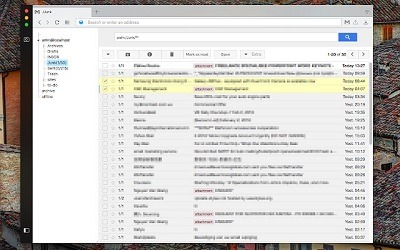
Basics of E-mail.opening E mail client
Opening an email client typically involves the following steps:
- Launching the Email Client Application: Locate and open the email client application on your computer or mobile device. Common email clients include Microsoft Outlook, Gmail, Apple Mail, Mozilla Thunderbird, and others.
- Logging In or Adding an Account: If it’s your first time using the email client or if you haven’t added your email account yet, you’ll need to log in or set up your account. Provide your email address and password, and follow the prompts to complete the setup process. Some email clients may require additional server settings, such as incoming and outgoing server addresses, to configure the account properly.
- Accessing the Inbox: Once you’ve logged in or added your email account, the email client will typically take you to your inbox automatically. The inbox is where you can view and manage your received emails.
- Reading Emails: In the inbox, you’ll see a list of your emails, usually sorted by the most recent ones. Click on an email to open and read its contents. The email client will display the sender, subject, date, and time of the email, as well as the message body.
- Managing Emails: After opening an email, you can perform various actions depending on the email client and its features. Common actions include replying, forwarding, deleting, marking as read or unread, archiving, or organizing emails into folders or labels.
- Composing New Emails: To create a new email, look for a “Compose” or “New Email” button in the email client interface. Click on it, and a new window or screen will appear, allowing you to enter the recipient’s email address, subject, and compose your message.
- Sending Emails: Once you’ve composed your email, review it for accuracy and completeness. Click on the “Send” button to send the email to the recipient(s). The email client will take care of delivering the message through the configured email server.
It’s important to note that the exact steps and interface may vary slightly depending on the email client you are using. However, the basic principles of accessing the inbox, reading and managing emails, composing new emails, and sending them are consistent across most email client applications
What is required Basics of E-mail .opening E-mail client
The basics of opening an email client involve the following essential elements:
- Computer or Mobile Device: You’ll need a computer, laptop, smartphone, or tablet with internet connectivity to access and open an email client.
- Email Client Application: An email client application is software specifically designed for managing and accessing email. Examples include Microsoft Outlook, Gmail, Apple Mail, Mozilla Thunderbird, and others. Ensure that you have a compatible email client installed on your device.
- Email Account: To use an email client, you’ll need an email account. This could be from a free email service provider like Gmail, Yahoo Mail, or from a custom domain email address associated with your organization. Make sure you have your email address and password ready.
- Launching the Email Client: Locate the email client application on your device, either from the desktop or the applications list. Double-click on the email client icon to launch the application.
- Account Setup: If you’re launching the email client for the first time or haven’t added your email account yet, you’ll need to set it up. Click on “Add Account” or a similar option within the email client interface. Provide your email address, password, and any additional information required, such as server settings. The email client may guide you through the setup process step by step.
- Accessing the Inbox: Once you’ve added your email account, the email client will typically take you to the inbox automatically. The inbox is where your received emails are stored. You’ll see a list of emails in chronological order, with the newest emails appearing at the top.
- Reading Emails: To open and read an email, click on its subject line or sender’s name in the inbox. The email client will display the contents of the email, including the sender, subject, date, and the actual message.
By following these basics, you can open an email client, set up your email account, and access your inbox to read and manage your emails. The specific steps and options may vary slightly depending on the email client application you are using, but the core principles remain the same.
Who is required Basics of E-mail.opening E-mail client
Anyone who wants to send and receive emails would benefit from understanding the basics of email and opening an email client. This includes individuals who use email for personal communication, professionals who rely on email for work-related correspondence, and anyone who needs to stay connected and communicate electronically.
To open an email client, you typically need to perform the following steps:
- Choose an Email Client: There are several email clients available, both web-based (e.g., Gmail, Outlook.com) and desktop applications (e.g., Microsoft Outlook, Mozilla Thunderbird). Select the email client that suits your needs and preferences.
- Access the Email Client: If you’re using a web-based email client, open your preferred web browser and navigate to the email client’s website. If you have a desktop email client installed, locate and launch the application on your computer.
- Sign In or Create an Account: If you already have an email account, sign in using your username and password. If not, create a new account by following the instructions provided by the email client. Typically, you’ll need to provide personal information and choose a unique email address.
- Navigate to the Inbox: Once you’ve signed in, you’ll be directed to your inbox, which is the central hub for managing your received emails.
- Open an Email: In your inbox, locate the email you want to open. Click or tap on the email’s subject line or sender’s name to open it. The email will open in a new window or within the same interface, depending on your email client.
- Read and Interact with the Email: Once the email is open, you can read its contents, view any attachments, and interact with the email as needed. This may involve replying, forwarding, archiving, deleting, or performing other actions based on the available options within your email client.
It’s important to note that the exact steps may vary slightly depending on the email client you’re using. However, the general process outlined above should apply to most email clients
When is required Basics of E-mail.opening E-mail client
Understanding the basics of email and opening an email client is required when you want to send, receive, and manage emails electronically. Here are some specific situations when it becomes necessary:
- Personal Communication: If you want to stay connected with friends, family, or acquaintances via email, knowing how to open an email client is essential. It allows you to read and respond to emails from your loved ones, share updates, and maintain communication.
- Professional Communication: In the workplace, email is a primary method of communication. Opening an email client enables you to access work-related emails, communicate with colleagues, respond to client inquiries, and stay informed about important updates from your organization.
- Job Applications: When applying for jobs, employers often require applicants to submit their resumes and cover letters via email. Knowing how to open an email client allows you to compose and send these application materials, increasing your chances of securing employment.
- Educational Purposes: Many educational institutions use email as a means of communication with students. By opening an email client, you can access important messages from teachers, professors, and administrators, stay updated on class schedules, submit assignments, and receive feedback.
- Online Services and Accounts: Opening an email client is necessary when creating accounts for various online services. Often, a confirmation or verification email is sent to the provided email address to verify the account. By opening your email client, you can access these emails and complete the account setup process.
- Subscriptions and Notifications: If you subscribe to newsletters, online platforms, or websites, they often send updates, notifications, or promotional offers via email. Opening an email client allows you to manage these emails, read the content, and take necessary actions based on the information provided.
In summary, understanding the basics of email and opening an email client is required whenever you need to send or receive emails for personal, professional, educational, or transactional purposes. It is a fundamental skill in today’s digital world, enabling efficient and effective communication.
Where is required Basics of client.opening E-mail client
The requirement to understand the basics of opening an email client arises in various settings, including:
- Personal Devices: If you have a personal computer, laptop, tablet, or smartphone, you may want to access your email account through an email client. Opening an email client on your device allows you to conveniently manage your emails, whether you’re at home, on the go, or in any location where you have internet access.
- Workplace: In many professional environments, email clients are commonly used for business communication. Whether you work in an office, remote setting, or a combination of both, being familiar with opening an email client is essential for accessing work-related emails, collaborating with colleagues, and responding to client inquiries.
- Educational Institutions: Students in schools, colleges, and universities often use email clients to communicate with teachers, professors, and classmates. Opening an email client enables students to access course-related information, receive assignments, submit projects, and communicate with their educational community.
- Internet Cafes and Public Computers: When using public computers or internet cafes, understanding how to open an email client is crucial if you need to access your email account. It allows you to securely log in to your email and manage your messages, ensuring privacy and security of your personal information.
- Libraries and Shared Spaces: Libraries, cowork ing spaces, and other shared work spaces often provide computers for public use. Being familiar with opening an email client allows you to access your email account and retrieve important messages while utilizing these shared resources.
- Traveling: While traveling, having access to your email through an email client can be valuable. Opening an email client on your laptop or mobile device enables you to stay connected, receive important travel updates, access bookings and itineraries, and communicate with others during your journey.
In summary, understanding how to open an email client is necessary in personal, professional, educational, and public settings where accessing emails is required. It empowers individuals to stay connected, manage their messages efficiently, and communicate effectively across various contexts and devices.
How is required Basics of client.opening E-mail client
Understanding the basics of opening an email client involves knowing the necessary steps to access and use an email client effectively. Here’s how the basics of opening an email client typically work:
- Choose an Email Client: Select the email client that suits your needs. This can be a web-based client like Gmail or Outlook.com, or a desktop application like Microsoft Outlook or Mozilla Thunderbird. Consider factors such as user interface, features, and compatibility with your device.
- Access the Email Client: Depending on the type of email client, there are different ways to access it:
- Web-Based Client: Open your preferred web browser (e.g., Google Chrome, Mozilla Firefox) and visit the website of the email client you use (e.g., or www.outlook. com). Look for the login or sign-in page and proceed to the next step.
- Desktop Application: If you have a desktop email client installed, locate the application on your computer. This can typically be done by searching for the application name in the Start menu (Windows) or the Applications folder (Mac). Click or tap on the application to open it.
- Sign In or Create an Account: If you already have an email account, sign in using your username and password. If you don’t have an account, look for the option to create a new account and follow the instructions provided. You may need to provide personal information and choose a unique email address during the account creation process.
- Navigate to the Inbox: Once you’ve signed in, you will be directed to your inbox. The inbox is the central location where you can find all your received emails.
- Open an Email: In the inbox, look for the email you want to open. Emails are typically listed with information such as the sender’s name, subject line, and date received. Click or tap on the email’s subject line or sender’s name to open it. The email will open in a new window or within the same interface, depending on your email client.
- Read and Interact with the Email: Once the email is open, you can read the contents, view any attachments, and interact with the email as needed. This may include replying, forwarding, archiving, deleting, or performing other actions based on the available options within your email client.
It’s important to note that the specific steps may vary slightly depending on the email client you are using, as each client may have its own unique interface and features. However, the general process outlined above should provide a good starting point for opening an email client and accessing your emails.
Case study on Basics of E-mail.opening E-mail client
Case Study: Basics of Opening an Email Client for Business Communication
Client: ABC Corporation
Background: ABC Corporation is a medium-sized company that specializes in software development. They have recently implemented a new email system to streamline internal and external communication. However, many employees are unfamiliar with the basics of opening an email client and need guidance to effectively use the new system.
Objective: The objective of this case study is to provide a step-by-step guide on the basics of opening an email client, specifically tailored to ABC Corporation employees. The guide aims to enhance their understanding of the email system and enable efficient communication within the company.
Process:
- Needs Assessment: ABC Corporation’s HR department conducted a needs assessment to identify the knowledge gaps and challenges faced by employees regarding the email system. The assessment revealed that a significant number of employees lacked experience in opening an email client and required training on the basics.
- Training Material Development: Based on the needs assessment, the HR department collaborated with the IT department to develop training materials. They created a comprehensive guide that covered the following topics:
- Introduction to the email client and its benefits
- Selection and installation of the email client on various devices
- Account creation and configuration
- Logging in to the email client
- Navigating the email client interface
- Opening and managing emails
- Interacting with email features such as replying, forwarding, and archiving
- Training Session: The HR department organized a training session for all ABC Corporation employees. The session was conducted by a trainer who demonstrated the process of opening an email client using a combination of slides, live demos, and hands-on exercises. Employees were encouraged to ask questions and actively participate in the session.
- Hands-on Practice: Following the training session, employees were given the opportunity to practice opening an email client on their own devices. They were provided with a user guide that summarized the key steps and included troubleshooting tips. Additionally, IT support staff were available to assist employees who encountered difficulties.
- Evaluation and Feedback: To assess the effectiveness of the training, a post-training evaluation was conducted. Employees were asked to provide feedback on the clarity of the training materials, the usefulness of the hands-on practice, and their overall confidence in opening an email client. Based on the feedback, any necessary revisions or clarifications were made to improve the training materials for future use.
Results:
The case study on the basics of opening an email client for ABC Corporation employees yielded positive outcomes:
- Increased Understanding: Employees gained a better understanding of the email client and its features, enabling them to effectively open and manage their emails.
- Improved Efficiency: With a clear grasp of the email client’s basics, employees were able to navigate the interface swiftly and perform necessary actions such as replying to emails and managing attachments more efficiently.
- Enhanced Communication: The training improved communication within the company, as employees were able to promptly access and respond to emails, resulting in smoother internal and external interactions.
- Greater Confidence: Employees reported feeling more confident in their ability to use the email client effectively, reducing anxiety and promoting a positive attitude towards digital communication.
Conclusion:
By providing employees with training on the basics of opening an email client, ABC Corporation successfully empowered its workforce to utilize the new email system effectively. This case study highlights the importance of providing clear instructions, hands-on practice, and ongoing support to ensure employees can confidently access and manage emails through an email client. The training initiative contributed to enhanced communication, improved efficiency, and increased employee confidence in utilizing the email system for business communication.
Title: White Paper: Basics of Opening an Email Client for Effective Communication
Abstract: This white paper aims to provide a comprehensive understanding of the basics of opening an email client for effective communication. In today’s digital age, email is a vital communication tool used by individuals and organizations worldwide. By mastering the fundamentals of opening an email client, users can efficiently send, receive, and manage emails, streamlining their communication process. This white paper explores the importance of email communication, outlines the key steps involved in opening an email client, and highlights the benefits and best practices for maximizing the use of email clients.
- Introduction
- Importance of email communication in personal and professional contexts
- Overview of email clients and their role in managing email accounts
- Benefits of Opening an Email Client
- Streamlined communication: Accessing emails from a central location
- Organizational efficiency: Managing and categorizing emails effectively
- Accessibility: Accessing emails from various devices and locations
- Key Steps in Opening an Email Client
- Choosing an email client: Web-based or desktop application
- Accessing the email client: Logging in or creating a new account
- Navigating the email interface: Exploring inbox, folders, and settings
- Opening and reading emails: Understanding email headers and content
- Interacting with emails: Replying, forwarding, archiving, and deleting
- Best Practices for Effective Email Client Usage
- Maintaining email etiquette: Proper salutations, concise communication, and tone
- Managing email folders: Organizing emails into categories for easy retrieval
- Utilizing search and filtering options: Locating specific emails efficiently
- Securing your email account: Enabling two-factor authentication and regularly updating passwords
- Managing email notifications: Setting preferences to avoid information overload
- Common Challenges and Troubleshooting Tips
- Connection issues: Ensuring a stable internet connection for seamless email access
- Login problems: Troubleshooting login errors and password issues
- Configuration difficulties: Troubleshooting account setup and email client compatibility
- Handling spam and phishing: Identifying and managing unsolicited or malicious emails
- Training and Resources
- Importance of training programs to educate users on email client basics
- Online tutorials, documentation, and user forums as valuable resources
- Collaborating with IT support for assistance and guidance
- Conclusion
- Recap of the significance of mastering the basics of opening an email client
- Emphasizing the importance of ongoing learning and staying updated with email client features and best practices
By understanding the basics of opening an email client, users can harness the full potential of email communication for personal and professional purposes. This white paper serves as a guide to empower individuals and organizations to effectively use email clients, optimize communication efficiency, and enhance productivity in the digital realm.