
Basic of computer network
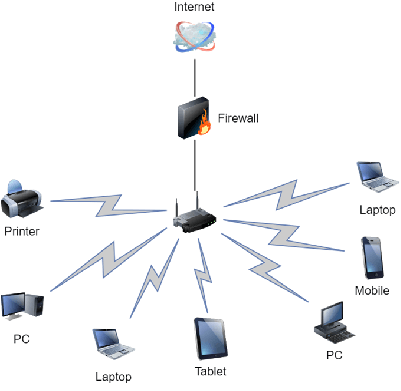
A computer network is a collection of interconnected devices that can communicate and share resources with one another. The devices in a network can be computers, servers, printers, routers, switches, and other hardware components.
Here are some basic concepts related to computer networks:
- Protocol: A protocol is a set of rules that governs how data is transmitted and received over a network. The most common network protocols include TCP/IP, HTTP, and FTP.
- Network Topology: Network topology refers to the physical or logical layout of the network. Some common network topologies include bus, star, ring, and mesh.
- Network Devices: Network devices are the hardware components used to build a network. Some common network devices include routers, switches, hubs, and modems.
- Network Addressing: Network addressing refers to the process of assigning unique addresses to devices on a network. IP addresses are the most common type of network address.
- Network Security: Network security is the practice of protecting a network from unauthorized access, use, disclosure, disruption, modification, or destruction. Some common network security measures include firewalls, encryption, and intrusion detection systems.
- Network Services: Network services are the software components that provide specific functions on a network, such as file sharing, email, and web hosting.
- Bandwidth: Bandwidth refers to the amount of data that can be transmitted over a network in a given amount of time. Bandwidth is typically measured in bits per second (bps), kilobits per second (kbps), or megabits per second (Mbps).
These are some of the basic concepts related to computer networks. Understanding these concepts is essential for building, configuring, and maintaining a network.