
Basics of computer networks
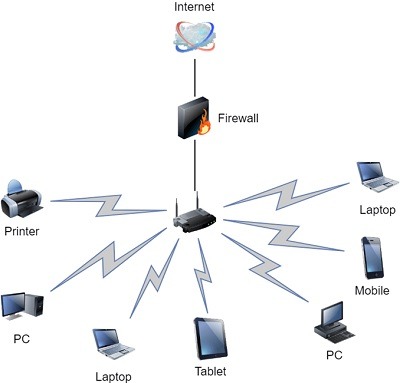
Computer networks are essential for connecting devices and enabling communication and data transfer between them. They allow computers, smartphones, servers, and other devices to share resources, exchange information, and collaborate. Here are some basics of computer networks:
- Network Components: A computer network consists of various components, including:
- Nodes/Devices: These are the devices connected to the network, such as computers, routers, switches, servers, and printers.
- Links: Links refer to the physical connections between devices, such as wired Ethernet cables or wireless connections like Wi-Fi.
- Network Interfaces: Network interfaces are the ports or network adapters on devices that enable them to connect to the network.
- Network Topologies: Network topology refers to the layout or structure of a network. Common network topologies include:
- Bus: All devices are connected to a single shared communication line.
- Star: Devices are connected to a central hub or switch.
- Ring: Devices are connected in a circular loop.
- Mesh: Each device is connected to every other device in the network.
- Network Protocols: Network protocols are sets of rules and conventions that govern how devices communicate and exchange data in a network. Some widely used protocols include:
- TCP/IP: Transmission Control Protocol/Internet Protocol is the foundation of the internet and most computer networks. It ensures reliable data transmission and addressing.
- HTTP: Hypertext Transfer Protocol is used for transmitting web pages and other resources over the internet.
- FTP: File Transfer Protocol is used for transferring files between computers on a network.
- SMTP: Simple Mail Transfer Protocol is used for sending and receiving email.
- Network Models: Network models provide a framework for understanding and designing networks. The two most commonly referenced models are:
- OSI Model: The Open Systems Interconnection model defines seven layers of network functionality, including physical, data link, network, transport, session, presentation, and application layers.
- TCP/IP Model: The TCP/IP model is a simplified version of the OSI model, consisting of four layers: network interface, internet, transport, and application layers.
- Network Addressing: Devices in a network are identified using unique addresses. In IP-based networks, devices have an IP address (e.g., IPv4 or IPv6) that enables them to send and receive data. MAC (Media Access Control) addresses are used at the data link layer to uniquely identify network interface cards.
- Network Security: Network security is crucial to protect data and ensure the integrity of network resources. It involves measures such as firewalls, encryption, authentication, access control, and intrusion detection systems.
- Types of Networks: Networks can be categorized based on their geographic scope:
- LAN: Local Area Network covers a small area like an office, home, or a single building.
- WAN: Wide Area Network spans across large distances, connecting LANs and other networks, often through internet connections.
- MAN: Metropolitan Area Network covers a larger geographic area, such as a city or town.
- CAN: Campus Area Network connects multiple LANs within a university campus or corporate facility.
- Internet: The global system of interconnected networks, enabling worldwide communication and information exchange.
These are some foundational concepts of computer networks, providing a starting point for understanding the complex infrastructure that underlies modern communication and connectivity.
What is required Basics of computer networks
To understand the basics of computer networks, there are several key concepts and components that you should be familiar with. Here are some essential requirements for grasping the basics of computer networks:
- Network Components: Understand the various components that make up a network, such as computers, servers, routers, switches, modems, network cables, and wireless access points.
- Network Topologies: Learn about different network topologies, including bus, star, ring, and mesh, and understand how devices are connected within each topology.
- Network Protocols: Gain knowledge of network protocols, such as the TCP/IP protocol suite, which forms the foundation for communication on the internet and most modern networks. Familiarize yourself with protocols used at different layers of the OSI model.
- IP Addressing: Understand IP addressing, including IPv4 and IPv6, subnetting, and CIDR notation. Learn how IP addresses are assigned to devices and how they are used for routing and identifying devices on a network.
- Data Transmission: Learn about data transmission methods, including digital and analog signals, transmission media such as copper, fiber, and wireless, and concepts like data encapsulation, headers, trailers, and payloads.
- Local Area Networks (LANs): Understand the basics of LANs, including their components, such as Ethernet switches, and their common topologies, such as star topologies. Learn about Ethernet standards, LAN addressing, and LAN protocols.
- Wide Area Networks (WANs): Gain an understanding of WANs, which connect geographically dispersed networks. Learn about WAN components, WAN technologies like leased lines, MPLS, and ATM, and the concepts of circuit-switching and packet-switching.
- Network Security: Acquire knowledge of network security fundamentals, including common threats and attacks, authentication and encryption mechanisms, firewalls, intrusion detection systems (IDS), and virtual private networks (VPNs).
- Network Management and Troubleshooting: Familiarize yourself with network management practices, including network monitoring, performance evaluation, and troubleshooting techniques to identify and resolve network issues.
- Emerging Trends: Stay informed about emerging trends in computer networks, such as the Internet of Things (IoT), software-defined networking (SDN), and advancements in wireless technologies like 5G networks.
Having a solid grasp of these requirements will provide you with a strong foundation in computer networks and enable you to understand network architectures, design principles, troubleshooting methodologies, and security considerations. It will also help you effectively communicate and collaborate with network professionals and make informed decisions regarding network-related matters.
Who is required Basics of computer networks
Knowledge of computer networks is beneficial for various individuals and professionals who interact with or work in the field of networking, information technology, or computer science. Some of the individuals who may require a basic understanding of computer networks include:
- Network Administrators: Network administrators are responsible for designing, implementing, and managing computer networks within organizations. They need to have a solid understanding of network fundamentals to set up and maintain networks, configure network devices, troubleshoot issues, and ensure network security.
- System Administrators: System administrators often work closely with network administrators to manage and maintain the overall IT infrastructure of an organization. They need to understand computer networks to ensure that network services, such as file sharing, email, and remote access, are properly configured and functioning.
- Network Engineers: Network engineers are involved in designing, planning, and implementing network infrastructures. They need a strong foundation in computer networks to architect efficient and scalable network solutions, select appropriate hardware and software components, and optimize network performance.
- IT Support Professionals: IT support personnel assist users with troubleshooting network connectivity issues, diagnosing network-related problems, and providing basic network support. They should have a basic understanding of computer networks to assist users effectively.
- Software Developers: Software developers who create network-based applications or work on projects involving network communication need to understand the principles and protocols of computer networks. This knowledge helps them develop robust and secure applications that can interact with other systems over a network.
- IT Managers: IT managers oversee the IT infrastructure of an organization, including networks. While they may not have hands-on involvement with network configuration, having a basic understanding of computer networks enables them to make informed decisions about network-related investments, security measures, and resource allocation.
- Computer Science Students: Computer science students or anyone pursuing a degree in a related field benefit from learning the basics of computer networks. It provides them with a foundation for understanding network architectures, protocols, and communication principles, which are applicable in various IT-related roles.
- General Users: Even for non-technical users, a basic understanding of computer networks can be helpful. It allows them to troubleshoot basic network connectivity issues, set up home networks, and understand concepts like Wi-Fi, IP addresses, and internet connectivity.
While the depth of knowledge required may vary depending on the specific role or responsibility, having a basic understanding of computer networks is valuable in today’s interconnected world. It helps individuals effectively navigate and utilize networked systems and technologies.
When is required Basics of computer networks
A basic understanding of computer networks is required in various situations and scenarios. Here are some instances when knowledge of computer networks is beneficial:
- Setting up Home Networks: When setting up a home network, such as connecting multiple devices to share internet access or printers, understanding basics like IP addresses, Wi-Fi configurations, and network security helps in the setup process.
- Troubleshooting Network Issues: Whether it’s a connectivity problem at home or in an office environment, having basic knowledge of computer networks allows users to troubleshoot common network issues. It can involve diagnosing problems with IP configurations, router settings, or network cables.
- Working in IT Support: IT support professionals often encounter network-related issues from end-users. Having a basic understanding of computer networks enables them to diagnose and resolve common network problems effectively, such as connectivity issues, DNS configuration, or firewall settings.
- Managing Small Business Networks: Small business owners or managers responsible for managing their organization’s network infrastructure benefit from understanding the basics of computer networks. It helps them make informed decisions regarding network equipment, security measures, and troubleshooting common network issues.
- Developing Network-Based Applications: Software developers working on network-based applications or projects involving network communication need a solid understanding of computer networks. This knowledge helps them design and develop applications that interact with other systems over the network using protocols like TCP/IP or HTTP.
- Pursuing Networking Certifications: Individuals aiming to obtain networking certifications, such as Cisco Certified Network Associate (CCNA) or CompTIA Network+, need to grasp the basics of computer networks. These certifications validate skills in network administration, troubleshooting, and configuration, requiring a foundational understanding of network concepts.
- Working in Network Administration and Engineering: Professionals working in network administration and engineering roles require an in-depth understanding of computer networks. They design, configure, and manage complex network infrastructures, implement security measures, optimize performance, and troubleshoot advanced network issues.
- Researching or Studying Network-related Topics: Individuals involved in academic research, studying computer science, or pursuing advanced degrees in networking need to grasp the fundamentals of computer networks. It forms the basis for exploring advanced networking concepts, protocols, and architectures.
While the level of expertise required varies depending on the specific role, industry, or project, having a basic understanding of computer networks is valuable in various personal, professional, and educational contexts. It empowers individuals to work with networked systems, troubleshoot issues, and make informed decisions related to networking.
Where is required Basics of computer networks
A basic understanding of computer networks is required in various professional settings and industries where computer systems and connectivity play a crucial role. Here are some examples of where the basics of computer networks are necessary:
- Information Technology (IT) Departments: IT departments of organizations require professionals with knowledge of computer networks. They are responsible for managing and maintaining the organization’s network infrastructure, including setting up and configuring network devices, troubleshooting network issues, and ensuring network security.
- Telecommunications Companies: Telecommunications companies that provide internet, telephone, and data services rely heavily on computer networks. Their technicians and engineers need a solid understanding of computer networks to design and operate the underlying network infrastructure, monitor network performance, and troubleshoot network-related problems.
- Internet Service Providers (ISPs): ISPs deliver internet connectivity to homes and businesses. They require network specialists who can manage their network infrastructure, ensure high-speed and reliable internet service, and resolve network-related issues for their customers.
- Network Equipment Manufacturers: Companies that manufacture network devices, such as routers, switches, and firewalls, need professionals who possess a deep understanding of computer networks. They work on designing, developing, and testing network equipment to meet the requirements of modern networks.
- Cybersecurity Firms: Computer networks form the backbone of an organization’s IT security infrastructure. Cybersecurity firms employ experts who understand computer networks to assess network vulnerabilities, implement security measures, and protect networks from cyber threats and attacks.
- Software Development Companies: Software development companies often build applications and systems that rely on network communication. Software developers and engineers need a basic understanding of computer networks to develop applications that can communicate over networks effectively and securely.
- Financial Institutions: Banks, insurance companies, and other financial institutions utilize computer networks extensively to manage transactions, secure customer data, and provide online services. IT professionals in these institutions must have a good grasp of computer networks to maintain network reliability and security.
- Healthcare Organizations: Hospitals, clinics, and healthcare providers increasingly rely on computer networks for electronic medical records, telemedicine, and medical device integration. IT staff working in these organizations need to understand computer networks to ensure seamless connectivity and protect patient information.
- Research and Academic Institutions: Universities, research institutions, and laboratories conducting research in computer networks, telecommunications, and related fields require professionals and researchers with in-depth knowledge of computer networks. They work on advancing network technologies, developing new protocols, and exploring network-related research areas.
These are just a few examples of industries and settings where a basic understanding of computer networks is necessary. As computer networks continue to play a vital role in modern infrastructure, the demand for individuals with network knowledge is widespread across various sectors.
How is required Basics of computer networks
Understanding the basics of computer networks is essential for several reasons. Here’s how this knowledge is beneficial:
- Effective Network Setup: A solid foundation in computer networks allows individuals to set up networks correctly. They can configure network devices, establish connectivity, and assign appropriate IP addresses to devices, ensuring smooth communication and resource sharing.
- Troubleshooting and Issue Resolution: When network issues arise, basic knowledge of computer networks enables individuals to diagnose problems effectively. They can identify connectivity issues, faulty configurations, or network hardware failures, and take appropriate steps to resolve them.
- Network Security: Understanding computer networks helps in implementing security measures to protect networks and connected devices. Knowledge of network protocols, encryption, firewalls, and access controls assists in safeguarding data and preventing unauthorized access.
- Optimizing Network Performance: With basic network knowledge, individuals can optimize network performance by analyzing network traffic, identifying bottlenecks, and implementing appropriate solutions. They can configure quality of service (QoS) settings, prioritize network traffic, and ensure efficient data transmission.
- Collaboration and Resource Sharing: Networks enable collaboration and resource sharing among devices and users. A grasp of computer networks allows individuals to set up shared folders, printers, and other network resources, facilitating seamless collaboration and efficient resource utilization.
- Understanding Internet Connectivity: The internet relies on computer networks. Knowing the basics of networks helps individuals comprehend how devices connect to the internet, the role of routers and internet service providers (ISPs), and how data is transmitted over the internet.
- Networked Application Development: Developing applications that communicate over networks requires a fundamental understanding of network protocols and communication principles. This knowledge enables developers to create robust, efficient, and secure networked applications.
- Network Expansion and Scalability: As organizations grow, their networks need to expand and accommodate additional devices and users. Basic network understanding allows individuals to design scalable network architectures, plan for network expansion, and ensure proper network segmentation.
- Interoperability and Integration: In heterogeneous environments, where different devices and operating systems coexist, knowledge of computer networks helps in achieving interoperability and seamless integration. It enables individuals to configure network protocols, establish network connections, and ensure compatibility between various devices and platforms.
- Decision Making and Planning: Having a basic understanding of computer networks empowers individuals to make informed decisions when selecting network technologies, devices, and infrastructure. They can evaluate network requirements, compare options, and make strategic choices to meet organizational needs.
In summary, a grasp of computer networks is essential for effective network setup, troubleshooting, security, performance optimization, collaboration, application development, and decision making. It empowers individuals to manage networks efficiently, solve network-related issues, and utilize network resources effectively in various personal and professional settings.
Case study on Basics of computer networks
Case Study: Implementing a Local Area Network (LAN) for a Small Business
Overview: A small marketing agency with 20 employees wants to enhance their internal communication, file sharing, and resource accessibility by implementing a Local Area Network (LAN). They aim to create a secure and efficient network infrastructure to support their day-to-day operations. Let’s explore how the basics of computer networks come into play in this case.
- Network Design and Topology:
- A network engineer assesses the company’s requirements and suggests a star topology for the LAN. All devices, including computers, printers, and servers, will be connected to a central switch for easy management and scalability.
- Hardware and Connectivity:
- The network engineer recommends Ethernet switches and Cat6 Ethernet cables for reliable and high-speed connections within the LAN. Each device will have a network interface card (NIC) for network connectivity.
- IP Addressing and DHCP:
- The network engineer configures the LAN to use the TCP/IP protocol and assigns a unique IP address to each device. They set up a DHCP server to automatically assign IP addresses to devices, simplifying network management.
- Network Security:
- To ensure network security, the network engineer configures a firewall to protect the LAN from external threats. They implement network segmentation, creating separate VLANs for different departments to control access to sensitive resources.
- File Sharing and Resource Accessibility:
- The network engineer sets up a file server where employees can centrally store and access shared files. They configure file sharing permissions to restrict access based on user roles and implement secure access protocols like FTPS or SFTP.
- Network Monitoring and Troubleshooting:
- The network engineer implements network monitoring tools to proactively identify performance issues, bandwidth utilization, and potential bottlenecks. They set up alerts for network administrators to quickly address any network-related problems.
- Network Documentation and Maintenance:
- The network engineer maintains thorough documentation of the network infrastructure, including network diagrams, device configurations, and IP addressing schemes. This documentation assists in future troubleshooting, upgrades, and expansions.
- Employee Training and Support:
- The network engineer conducts training sessions for employees, providing an overview of the LAN, network security practices, and guidelines for accessing network resources. They also offer ongoing support to address any network-related queries or issues.
By implementing a LAN based on the basics of computer networks, the marketing agency successfully establishes a secure and efficient network infrastructure. Employees can seamlessly communicate, access shared files, and collaborate, leading to improved productivity and streamlined operations.
The knowledge of computer networks, including network design, IP addressing, security, troubleshooting, and documentation, enables the network engineer to design and deploy a reliable and scalable LAN that meets the organization’s needs.
White paper on Basics of computer networks
Title: Basics of Computer Networks: A Comprehensive White Paper
Abstract: This white paper provides an in-depth exploration of the fundamentals of computer networks. It aims to equip readers with a solid understanding of network concepts, protocols, architectures, and best practices. By delving into the basics of computer networks, this white paper serves as a valuable resource for individuals seeking to enhance their knowledge in this domain. From network components to data transmission and network security, this paper covers a wide range of topics to establish a strong foundation in computer networks.
Table of Contents:
- Introduction
- Definition and Importance of Computer Networks
- Evolution and Growth of Computer Networks
- Network Components and Infrastructure
- Network Nodes: Computers, Servers, Routers, Switches, Modems
- Network Media: Wired (Ethernet, Fiber) and Wireless (Wi-Fi, Bluetooth)
- Network Topologies: Bus, Star, Ring, Mesh
- Network Protocols and Models
- TCP/IP Protocol Suite
- OSI Model and its Layers
- Functions and Protocols at Each OSI Layer
- Data Transmission and Encapsulation
- Data Representation: Bits, Bytes, and Binary Numbering
- Analog and Digital Signals
- Transmission Media: Copper, Fiber, Wireless
- Data Encapsulation: Headers, Trailers, and Payload
- Local Area Networks (LANs)
- LAN Basics and Components
- Ethernet Standards and Switching
- LAN Topologies: Bus, Ring, Star
- Wide Area Networks (WANs)
- WAN Basics and Components
- Circuit-Switching and Packet-Switching
- WAN Technologies: Leased Lines, MPLS, Frame Relay, ATM
- Network Addressing and IP Protocols
- IPv4 and IPv6 Addressing
- Subnetting and CIDR
- Address Resolution Protocol (ARP) and Internet Control Message Protocol (ICMP)
- Network Security Fundamentals
- Common Network Threats and Attacks
- Authentication and Encryption
- Firewalls, Intrusion Detection Systems (IDS), and Virtual Private Networks (VPNs)
- Network Management and Troubleshooting
- Network Monitoring and Performance Evaluation
- Troubleshooting Network Issues
- Network Documentation and Best Practices
- Future Trends in Computer Networks
- Internet of Things (IoT) and Networked Devices
- Software-Defined Networking (SDN)
- 5G Networks and Beyond
- Conclusion
- Recap of Key Concepts Covered
- Importance of Continuing Education in Computer Networks
This comprehensive white paper serves as a reference guide for individuals seeking to gain a solid understanding of computer networks. By covering the basics, including network components, protocols, data transmission, LANs, WANs, security, and troubleshooting, readers can establish a strong foundation in this field. With the knowledge gained from this white paper, individuals can better navigate the world of computer networks and contribute effectively in various professional roles and industries.