
Components
Components are individual elements or parts that are combined or integrated to create a larger system or product. They serve as the fundamental building blocks in various industries and play a crucial role in the design, construction, and functionality of a wide range of systems. Components can be found in electronic devices, machinery, software applications, infrastructure, and many other areas.
Components can be classified into different types based on their nature and purpose. Here are some common categories:
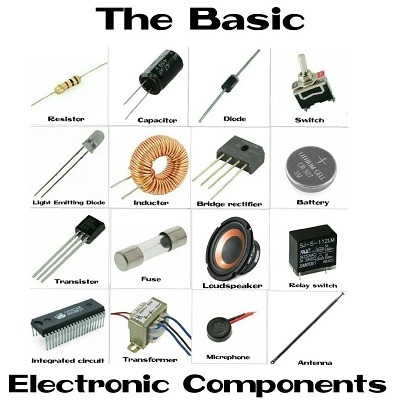
- Electronic Components: These are the basic elements used in electronic circuits to control the flow of electric current. Examples include resistors, capacitors, diodes, transistors, integrated circuits (ICs), sensors, and displays.
- Mechanical Components: These are physical parts used to transmit, control, or transform mechanical energy. They include gears, bearings, shafts, belts, pulleys, springs, valves, actuators, and various mechanical structures.
- Electrical Components: These are elements used in electrical systems to perform specific functions. Examples include connectors, switches, relays, circuit breakers, fuses, transformers, and power supplies.
- Software Components: In the realm of software development, components refer to reusable modules or libraries of code that provide specific functionalities. They can be used to build applications, websites, and software systems. Examples include software libraries, frameworks, APIs (Application Programming Interfaces), and modules.
Components possess certain characteristics that define their performance and suitability for a given application. Some key characteristics include:
- Performance Specifications: Components have specific operational parameters, such as voltage, current, power rating, frequency range, data transfer rate, and processing speed. These specifications determine their functionality and compatibility with other components and systems.
- Environmental Considerations: Components may have to operate in different environmental conditions, such as temperature, humidity, vibration, or exposure to chemicals. Their ability to withstand such conditions without degradation or failure is essential.
- Reliability and Durability: Components should be designed and manufactured to ensure reliability and long-term performance. They should withstand stress, wear, and aging, and meet specified operational lifetimes.
- Cost and Availability: The cost of components can impact the overall product cost, so balancing performance and affordability is crucial. Availability, including factors like lead times and reliable sourcing, is important for ensuring consistent production and maintenance.
When selecting components, engineers and designers consider various factors, including the component’s specifications, compatibility with the system, reliability, cost, and availability. Lifecycle management is also crucial, as components may become obsolete over time, requiring replacements or upgrades.
Components find applications across numerous industries and sectors. Some common application areas include:
- Consumer Electronics: Components are used in smartphones, computers, televisions, audio systems, gaming consoles, and other consumer electronic devices.
- Automotive and Transportation: Components are integral to automotive systems, including engine control, navigation, safety features, lighting, and entertainment systems.
- Industrial Machinery and Equipment: Components are utilized in various industrial machines, such as robotics, manufacturing equipment, assembly lines, and control systems.
- Energy Generation and Distribution: Components play a vital role in power generation systems, renewable energy technologies, electrical grids, transformers, and distribution networks.
- Telecommunications and Networking: Components are crucial in telecommunications infrastructure, network equipment, routers, switches, and data centers.
- Aerospace and Defense: Components are essential for aircraft, satellites, radar systems, missile guidance, communication systems, and military equipment.
- Medical Devices and Healthcare: Components are used in medical imaging devices, patient monitoring systems, surgical equipment, and diagnostic instruments.
The field of components is continuously evolving, driven by technological advancements and market demands. Some current trends and innovations include:
- Miniaturization and Micro components: The trend towards smaller and more compact devices has led to
What is required Components
The term “required components” typically refers to the specific elements or parts that are necessary for the proper functioning or construction of a system or product. Required components can vary depending on the context and the specific system being discussed. However, in general, required components are the essential elements that must be present to achieve the desired functionality or performance.
For example, in electronic circuits, required components may include resistors, capacitors, transistors, and integrated circuits. These components are necessary to control the flow of electricity, store energy, amplify signals, and perform other important functions within the circuit.
In mechanical systems, required components may include gears, bearings, shafts, motors, and actuators. These components are vital for transmitting and converting mechanical energy, facilitating movement, and enabling precise control.
In software development, required components may refer to the libraries, modules, or APIs that are necessary to implement specific functionalities or features in an application or system. These components provide the building blocks and tools for software developers to create the desired functionality.
The identification of required components typically involves analyzing the system requirements, specifications, and design constraints. It may also involve considering factors such as performance, compatibility, reliability, cost, and availability. The selection and integration of the required components are critical steps in the design and development process to ensure that the system functions as intended.
It is important to note that the specific components deemed “required” may vary depending on the specific system, industry, and application. Therefore, it is essential to carefully analyze the system requirements and consult relevant technical documentation or expert advice to determine the specific set of required components for a given system or product.
Who is required Components
“Required components” refers to the specific elements or parts that are necessary for the proper functioning or construction of a system or product. It is not appropriate to attribute the concept of “required components” to an individual or an entity. Instead, required components are determined based on the specific requirements and design of the system or product.
The identification of required components is typically done by engineers, designers, or technical experts who are responsible for analyzing the system requirements, specifications, and constraints. They assess the necessary functionalities, performance parameters, and compatibility requirements to determine the components that are essential for the system’s operation.
The process of identifying required components involves considering various factors such as the desired functionality, performance specifications, environmental conditions, reliability, cost, and availability. The selection and integration of the required components are crucial steps in the design and development process to ensure that the system meets its intended purpose.
It is important to note that the required components may vary depending on the specific system or product being developed. Therefore, the determination of required components is based on the unique characteristics and requirements of each individual project.
When is required Components
Required components” are necessary at different stages of a system or product’s lifecycle. The specific timing and context in which components are considered “required” can vary based on the nature of the project and the industry involved. Here are some key instances when required components are typically identified and addressed:
- System Design and Development: During the initial design phase of a system or product, engineers and designers analyze the functional requirements and specifications. They identify the essential components needed to meet these requirements. This includes selecting components based on performance, compatibility, and other relevant factors.
- Prototyping and Testing: As the system or product design progresses, prototypes are developed to validate functionality and performance. Required components are crucial in building these prototypes, ensuring that they accurately represent the final product. Components are tested and refined to meet the desired specifications and performance metrics.
- Manufacturing and Assembly: When transitioning from the design phase to manufacturing, the identification and sourcing of required components becomes critical. Manufacturers work closely with suppliers to procure the necessary components in the right quantities and quality. This stage involves ensuring that the required components are available and compatible with the manufacturing processes.
- Maintenance and Repairs: Throughout the lifecycle of a system or product, maintenance and repairs may be required. In such cases, identifying the required components is necessary to restore or replace faulty parts. This involves having a thorough understanding of the system’s components and their availability in the market.
- Upgrades and Enhancements: Over time, systems and products may require upgrades or enhancements to keep up with evolving technology or customer demands. In these situations, the identification of required components is necessary to implement the desired improvements. Compatibility with existing components and system integration considerations play a role in this phase.
- End-of-Life and Disposal: When a system or product reaches the end of its life cycle, appropriate measures for component disposal or recycling are important. Identifying the required components becomes crucial for determining the proper handling and disposal methods, taking into account any hazardous or regulated materials.
It is important to note that the timing and identification of required components can be iterative throughout the lifecycle of a system or product. As the design, manufacturing, and maintenance processes progress, the understanding of required components may evolve, necessitating adjustments and reevaluation.
Where is required Components
Required components” can be found in various locations depending on the stage of the system or product lifecycle. Here are some common places where required components can be found:
- Component Suppliers: Suppliers or manufacturers of components are a primary source for acquiring required components. They typically maintain inventories of various components and provide them to system designers, manufacturers, or end-users.
- Electronic Component Distributors: Distributors specialize in providing a wide range of electronic components from various manufacturers. They act as intermediaries between component suppliers and customers, offering a convenient and centralized source for acquiring required components.
- Hardware Stores: For more common or generic components used in construction or household applications, hardware stores may stock the required components. These include items like screws, nuts, bolts, connectors, switches, and basic electrical components.
- Online Marketplaces: Online platforms or marketplaces dedicated to components and electronic parts offer a wide selection of required components. These platforms often provide a convenient way to browse, compare, and purchase components from multiple suppliers or sellers.
- Internal Inventories: In some cases, organizations or manufacturers maintain their own inventories of components that are commonly used in their systems or products. These internal inventories ensure a ready supply of required components for production or maintenance purposes.
- Component Libraries and Repositories: In software development, required software components, such as libraries, frameworks, and APIs, can be sourced from online repositories or libraries specific to the programming language or platform being used. These repositories provide a centralized location for accessing and downloading the required software components.
It is important to note that the specific location or source for required components may vary depending on factors such as the industry, type of system or product, and the specific components needed. Engineers, designers, or procurement specialists typically explore these various sources to identify and acquire the required components for their specific project or application.
How is required Components
Required components” are acquired and integrated into a system or product through a series of steps and processes. Here is a general overview of how required components are typically handled:
- Requirements Analysis: Engineers, designers, or project stakeholders analyze the system or product requirements to determine the necessary functionalities and performance specifications. This analysis helps identify the required components that will fulfill these requirements.
- Component Selection: Based on the requirements analysis, the appropriate components are selected. Factors considered during component selection include performance parameters, compatibility with the system or product, environmental considerations, reliability, cost, and availability.
- Supplier Identification: Once the required components are identified, suitable suppliers or manufacturers are sought out. This involves researching reputable suppliers, considering factors such as quality, pricing, lead times, and reliability.
- Procurement: The necessary components are procured from the selected suppliers. This typically involves placing orders, negotiating contracts, and managing the logistics of component acquisition.
- Quality Control: Incoming components are subjected to quality control measures to ensure they meet the specified standards and requirements. This may involve inspections, testing, or certification processes to verify the quality and performance of the components.
- Integration: The acquired components are integrated into the system or product according to the design and assembly plans. This involves following appropriate procedures, guidelines, and specifications to ensure proper installation and connection of the components.
- Testing and Validation: Once the components are integrated, the system or product undergoes testing and validation to verify its functionality, performance, and compliance with the requirements. This testing phase may involve functional testing, stress testing, environmental testing, or other relevant procedures.
- Maintenance and Replacement: Throughout the lifecycle of the system or product, required components may require maintenance or replacement due to wear, failure, or obsolescence. Proper maintenance practices and inventory management ensure that the necessary components are readily available for maintenance and replacement tasks.
- Documentation and Traceability: Accurate documentation of the required components, including part numbers, specifications, supplier information, and relevant documentation, is maintained. This documentation helps track the components used, supports future maintenance and repairs, and assists in identifying suitable replacements or upgrades.
The process of handling required components may vary depending on the specific industry, project, or organization involved. It is important to follow industry best practices, quality standards, and applicable regulations when dealing with components to ensure the overall success and performance of the system or product.
Case study on Components
Case Study: Component Selection for an Electric Vehicle Battery Management System
Introduction: In this case study, we will explore the process of component selection for a battery management system (BMS) in an electric vehicle (EV). The BMS is a critical component that ensures the safe and efficient operation of the vehicle’s battery pack. We will focus on the selection of key components within the BMS.
- Requirements Analysis: The design team analyzes the requirements for the BMS, including voltage range, current sensing accuracy, temperature range, communication protocols, and safety features. They also consider factors such as system integration, cost-effectiveness, and reliability.
- Component Selection: a. Voltage and Current Sensors: The team identifies suitable voltage and current sensors capable of accurately measuring the battery pack’s voltage and current levels. They consider factors such as measurement accuracy, response time, isolation requirements, and temperature stability.
b. Microcontroller: A microcontroller is chosen based on its processing power, communication capabilities, and compatibility with the BMS software. The team selects a microcontroller with sufficient processing power to handle real-time battery monitoring, fault detection, and balancing algorithms.
c. Cell Balancing Circuitry: The BMS requires cell balancing circuitry to ensure the optimal performance and longevity of the battery pack. The team evaluates various cell balancing techniques and selects an appropriate circuitry that can equalize the voltage levels across individual battery cells.
d. Communication Interface: The BMS needs to communicate with other vehicle systems, such as the motor controller and dashboard display. The team selects a communication interface, such as CAN (Controller Area Network), to facilitate seamless data exchange and system integration.
e. Safety Features: To ensure the safe operation of the battery pack, the team selects components for overvoltage protection, under voltage protection, overcurrent protection, and temperature monitoring. They consider safety certifications, fault detection capabilities, and fail-safe mechanisms.
- Supplier Identification: The team researches and identifies reputable suppliers who specialize in components for BMS applications. They consider factors such as supplier reputation, product quality, pricing, lead times, technical support, and long-term availability of components.
- Procurement: The selected components are procured from the chosen suppliers. The procurement team negotiates contracts, manages orders, and ensures timely delivery of the components. They maintain communication with suppliers to address any technical or logistical issues that may arise.
- Integration and Testing: The BMS components are integrated into the overall system design. The team follows the manufacturer’s specifications and best practices for proper installation and connection of the components. Testing procedures are carried out to verify the functionality, accuracy, and reliability of the BMS, including simulations, bench tests, and real-world trials.
- Documentation and Traceability: Detailed documentation is maintained throughout the process, including component datasheets, specifications, test results, and supplier information. This documentation ensures traceability and assists in future maintenance, repairs, and potential component upgrades.
Conclusion: Component selection for the BMS of an electric vehicle battery management system is a crucial process that involves careful analysis, evaluation, and decision-making. By considering requirements, selecting appropriate components, identifying reliable suppliers, and conducting thorough testing, the design team ensures the BMS operates safely and efficiently, contributing to the overall performance and longevity of the electric vehicle.
White paper on Components
Title: Components: The Building Blocks of Modern Systems
Abstract: This white paper explores the fundamental concept of components in various industries and their pivotal role in the development of modern systems. It provides an overview of components, their types, characteristics, and the critical considerations involved in their selection and integration. Furthermore, it discusses the challenges and opportunities in component-based design and the future trends shaping the world of components. This white paper aims to provide a comprehensive understanding of components and their significance in creating innovative and efficient systems.
- Introduction:
- Definition and Importance of Components
- Role of Components in System Development
- Types of Components:
- Mechanical Components
- Electrical and Electronic Components
- Software Components
- Characteristics of Components:
- Functionality and Purpose
- Performance and Specifications
- Compatibility and Interoperability
- Reliability and Durability
- Cost and Availability
- Component Selection Process:
- Requirements Analysis
- Performance Evaluation
- Compatibility Assessment
- Supplier Evaluation and Procurement
- Integration of Components:
- System Architecture and Design
- Interface and Interconnection Considerations
- Testing and Verification
- Challenges and Opportunities:
- Component Standardization
- Obsolescence Management
- Supply Chain and Sourcing
- Intellectual Property and Licensing
- Component-Based Design Benefits:
- Modularity and Reusability
- Rapid Prototyping and Time-to-Market
- Scalability and Flexibility
- Simplified Maintenance and Upgrades
- Future Trends in Components:
- Miniaturization and Nanotechnology
- Internet of Things (IoT) Integration
- Advances in Material Science
- Artificial Intelligence and Machine Learning
- Conclusion:
- Recap of Key Points
- Importance of Component Selection and Integration
- Future Outlook for Components
This white paper provides a comprehensive exploration of components, their types, selection processes, integration considerations, challenges, and future trends. It serves as a valuable resource for engineers, designers, and decision-makers involved in system development across various industries. Understanding the role of components is crucial for creating innovative, reliable, and efficient systems that meet the evolving needs of our rapidly advancing technological landscape.