
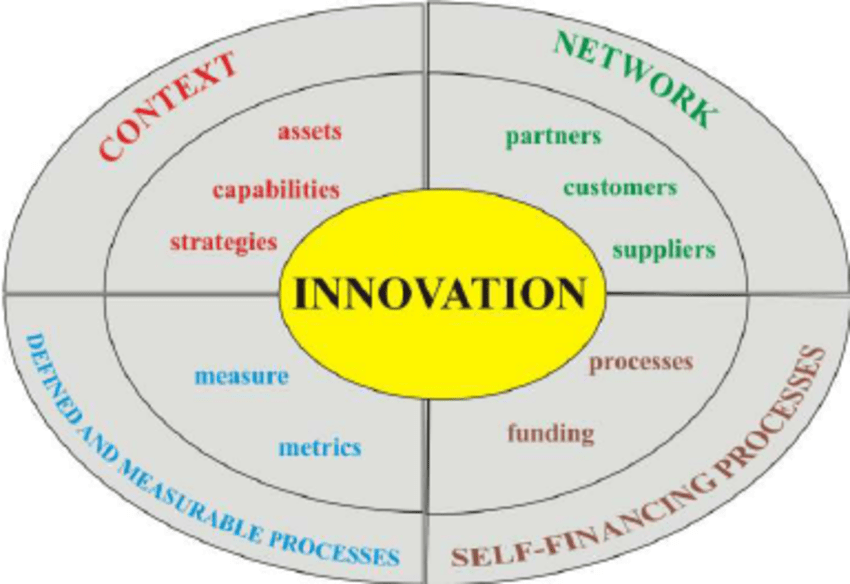
Components innovation
Components innovation refers to the development and advancement of individual parts or elements that make up a larger system or product. It involves improving the design, materials, functionality, performance, and efficiency of various components to enhance overall product performance and user experience. Components innovation often contributes to advancements in industries such as electronics, automotive, aerospace, medical devices, and many others.
Here are some examples of components innovation across different industries:
- Electronics: Integrated circuits (IC s) have seen continuous innovation, with manufacturers developing smaller, faster, and more power-efficient chips. This has led to advancements in mobile devices, computers, and other electronic gadgets.
- Automotive: Engine components, such as fuel injection systems, turbochargers, and exhaust systems, have undergone significant innovation to improve fuel efficiency, reduce emissions, and enhance performance. Additionally, advancements in electric vehicle (E V) batteries and electric drive train components have played a crucial role in the growth of the E V industry.
- Aerospace: Aerospace components have seen innovation in areas such as lightweight materials, advanced composites, and additive manufacturing techniques. These advancements have resulted in lighter aircraft, improved fuel efficiency, and increased durability.
- Medical devices: Medical device components, such as implantable devices, prosth etics, and surgical tools, have seen innovations in terms of materials used, miniaturization, and improved functionality. These innovations have led to more precise and effective medical procedures and better patient outcomes.
- Renewable energy: Components used in renewable energy systems, such as solar panels and wind turbines, have undergone continuous innovation to improve energy conversion efficiency, durability, and cost-effectiveness. For example, solar cells have seen advancements in efficiency and manufacturing processes.
- Consumer goods: Various consumer products, such as smartphones, wear ables, and home appliances, have seen component innovations to improve performance, energy efficiency, and user experience. For instance, the development of high-resolution displays, advanced sensors, and energy-efficient processors has significantly enhanced the capabilities of these devices.
Components innovation is driven by advancements in materials science, manufacturing processes, engineering design, and technological breakthroughs. It plays a vital role in pushing the boundaries of what is possible in terms of product performance, efficiency, and user satisfaction.
Who is required Components innovation
Components innovation is relevant to a wide range of industries and sectors where products or systems are composed of various components. Here are some examples of industries that require components innovation:
- Electronics and Technology: The electronics industry heavily relies on components innovation for the development of advanced integrated circuits, microprocessors, memory modules, displays, sensors, and other electronic components. Innovation in these areas drives the advancement of consumer electronics, telecommunications, computer hardware, and other technological devices.
- Automotive and Transportation: The automotive industry requires components innovation to improve various parts and systems, such as engines, transmissions, braking systems, suspension components, safety features, and electric drive train components. Advancements in these areas contribute to fuel efficiency, performance, safety, and sustainability in vehicles.
- Aerospace and Aviation: Components innovation is crucial in the aerospace industry for aircraft manufacturing, including engines, avionics systems, structural components, and materials. Innovations in lightweight materials, fuel-efficient engines, advanced navigation systems, and aerodynamic designs are vital for improving aircraft performance, reducing emissions, and ensuring safety.
- Medical and Healthcare: The medical and healthcare sectors rely on components innovation for the development of medical devices, diagnostic equipment, surgical instruments, implants, and prosth etics. Advancements in materials, miniaturization, precision manufacturing, and bio compatibility contribute to improved patient care, diagnostics, and treatment outcomes.
- Energy and Renewable Resources: Components innovation is essential in the energy sector for the development of renewable energy technologies, such as solar panels, wind turbines, energy storage systems, and smart grid components. Innovations in these areas drive efficiency, cost reduction, and sustainability in energy production and consumption.
- Manufacturing and Industrial Processes: Components innovation is crucial for various manufacturing industries, including machinery, equipment, automation systems, robotics, and industrial processes. Advancements in components like sensors, actuators, control systems, and materials contribute to increased productivity, efficiency, and quality in manufacturing operations.
These are just a few examples of industries that require components innovation. In reality, almost every industry can benefit from advancements in component design, materials, and functionality to improve products, processes, and overall performance.
When is required Components innovation
Components innovation is required in various scenarios throughout the life cycle of a product or system. Here are some common situations where components innovation is necessary:
- Product Development: When developing a new product or system, components innovation is crucial to ensure that the individual parts meet the desired performance, functionality, and efficiency requirements. Innovative components may be needed to enable new features, improve reliability, reduce size and weight, or enhance user experience.
- Upgrades and Enhancements: As technology advances and customer demands evolve, existing products often require upgrades and enhancements. Components innovation plays a role in improving performance, adding new functionalities, increasing energy efficiency, or reducing manufacturing costs. This allows companies to stay competitive and meet changing market demands.
- Cost Reduction: Components innovation can also be driven by the need to reduce costs in manufacturing processes. By developing innovative components that are more cost-effective to produce or procure, companies can optimize their supply chains, streamline assembly processes, and ultimately offer products at lower prices while maintaining quality.
- Performance Optimization: Components innovation is required when seeking to optimize the performance of a product or system. This could involve developing new materials, refining designs, or integrating advanced technologies to achieve higher efficiency, reliability, durability, or precision. Examples include improving engine components for better fuel efficiency in vehicles or developing high-efficiency solar cells for enhanced energy conversion.
- Regulatory Compliance: In regulated industries such as medical devices, automotive, or aerospace, components innovation may be necessary to meet new or updated regulatory standards. This could involve developing components that are more reliable, safer, or environmentally friendly, ensuring compliance with regulations and standards.
- Sustainability and Environmental Considerations: With growing environmental concerns, components innovation is often required to develop more sustainable and ec o-friendly products. This includes reducing energy consumption, minimizing waste, using recyclable materials, or developing components with a lower environmental footprint.
- Emerging Technologies: Components innovation is frequently driven by the emergence of new technologies. For example, the advent of artificial intelligence, internet of things (Io T), or advanced sensing technologies may require the development of innovative components that enable these technologies to be integrated into products and systems.
It’s important to note that the need for components innovation can arise at any stage of a product’s life cycle, from initial design and development to manufacturing, upgrades, and even during maintenance and repairs. The specific timing and requirement for components innovation depend on the industry, market dynamics, technological advancements, and the specific goals and challenges faced by companies.
Where is required Components innovation
Components innovation is required in various settings and contexts across different industries. Here are some key areas where components innovation is often necessary:
- Research and Development (R&D) Labs: Components innovation often begins in research and development laboratories where scientists, engineers, and designers work on developing new materials, technologies, and designs. R&D labs are crucial for exploring and pushing the boundaries of what is possible in terms of component performance, functionality, and efficiency.
- Manufacturing Facilities: Components innovation is required in manufacturing facilities where the production of components takes place. Manufacturers continually seek to optimize manufacturing processes, improve component quality, and reduce costs. Innovations in manufacturing techniques, automation, and quality control systems contribute to efficient and scal able production of innovative components.
- Supplier Networks: Many companies rely on suppliers to provide specialized components for their products. In these cases, components innovation can occur within supplier networks. Suppliers may invest in research and development to improve their components, meet specific customer requirements, or develop new features that can enhance the overall product performance.
- Collaborative Partnerships: Components innovation often happens through collaborative partnerships between different organizations. This can involve collaboration between companies within the same industry, academia, research institutions, and even cross-industry collaborations. Collaborative partnerships foster knowledge sharing, access to expertise, and pooled resources to drive innovation in components.
- Startups and Entrepreneurial Ventures: Startups and entrepreneurial ventures frequently focus on developing innovative components as part of their core business proposition. These organizations often bring fresh ideas, disruptive technologies, and novel approaches to component design and development. Startups can play a significant role in driving components innovation, especially in emerging fields and industries.
- Industry Associations and Consortia: Industry associations and consortia often facilitate collaboration and innovation within specific sectors. They bring together companies, research institutions, and experts to collectively address industry challenges and promote advancements in components. These associations may organize collaborative R&D projects, standardization efforts, and knowledge sharing initiatives to foster components innovation.
- Academic and Research Institutions: Academic and research institutions contribute to components innovation through their research activities, publications, and collaborations. Universities and research centers often conduct cutting-edge research in materials science, engineering, and related fields, leading to breakthroughs that drive components innovation in various industries.
It is important to note that components innovation can happen in diverse settings, from large corporations with dedicated R&D departments to small research teams, startups, and academic institutions. The specific context and environment for components innovation may vary depending on the industry, organizational structure, and resources available.
How is required Components innovation
Components innovation is driven by various factors and approaches that are essential for its successful implementation. Here are some key aspects of how components innovation is required:
- Market Demands and Customer Needs: Components innovation is often driven by market demands and customer needs. Understanding customer requirements and staying attuned to market trends and preferences is crucial in identifying areas where components innovation is necessary. This involves conducting market research, gathering customer feedback, and anticipating future needs to develop innovative components that align with market expectations.
- Technological Advancements: Components innovation is closely linked to technological advancements. New discoveries, breakthroughs, and emerging technologies can inspire the development of innovative components. Staying abreast of the latest advancements in materials science, manufacturing processes, electronics, software, and other relevant fields is vital for identifying opportunities for components innovation.
- Research and Development (R&D) Efforts: Companies invest in research and development activities to drive components innovation. This involves dedicated teams, laboratories, and resources focused on exploring new materials, technologies, and design concepts. R&D efforts may involve conducting experiments, simulations, and prototyping to validate ideas and push the boundaries of component performance and functionality.
- Collaboration and Partnerships: Collaboration and partnerships play a significant role in components innovation. Working together with suppliers, customers, research institutions, and industry peers can facilitate knowledge exchange, resource sharing, and access to specialized expertise. Collaborative efforts can result in synergistic innovations, where multiple organizations contribute their strengths to develop innovative components.
- Design Thinking and Iterative Processes: Components innovation often follows iterative design processes that involve multiple iterations, testing, and feedback loops. Design thinking methodologies, such as empathizing with end-users, defining problem statements, ideat ion, prototyping, and testing, help guide the development of innovative components. This approach allows for continuous improvement and ensures that components meet the desired performance and user requirements.
- Quality and Performance Standards: Components innovation is driven by the need to meet or exceed quality and performance standards. Industries such as automotive, aerospace, medical devices, and electronics have stringent standards and regulations that components must adhere to. Innovations in materials, manufacturing processes, and design are necessary to meet these standards while delivering improved performance, reliability, and safety.
- Continuous Improvement and Competitive Advantage: Companies strive for continuous improvement to maintain a competitive edge in the market. Components innovation enables companies to differentiate their products by offering improved features, enhanced functionality, increased energy efficiency, or cost reductions. It allows organizations to stay ahead of competitors and meet evolving customer expectations.
Components innovation is a dynamic and iterative process that involves a combination of technological expertise, market insights, customer-cen tric approaches, collaborative efforts, and a focus on continuous improvement. By embracing these approaches, companies can drive the development of innovative components that bring value to their products, processes, and overall business performance.
Case study on Components innovation
Case Study: Tesla’s Battery Technology Innovation
One notable case study in components innovation is Tesla’s advancements in battery technology. Tesla, a leading electric vehicle (EV) manufacturer, has made significant strides in developing innovative battery components, contributing to the growth and success of the company.
Background: Tesla recognized early on that the key to widespread adoption of electric vehicles lies in developing high-performance and cost-effective battery systems. They aimed to address the limitations of existing battery technology, such as limited range, long charging times, and high costs. Tesla’s focus on battery components innovation has played a crucial role in their goal of accelerating the world’s transition to sustainable transportation.
Components Innovation:
- Battery Cell Design: Tesla has worked extensively on improving the design of battery cells. They have developed custom cell formats, such as the cylindrical “18650” and later the “2170” cells, to optimize energy density, durability, and thermal management. These innovations have allowed Tesla to increase the energy capacity and overall performance of their batteries.
- Chemistry and Materials: Tesla has invested in research and development to improve the chemistry and materials used in their battery cells. They have collaborated with partners to develop new chemist r ies, including nickel-rich cathodes and advanced electrolytes, which enhance energy storage and overall battery efficiency. These advancements have contributed to increased range and improved charging capabilities of Tesla vehicles.
- Manufacturing Process: Tesla has innovated in battery manufacturing processes to improve efficiency, scale, and cost reduction. They have implemented automated manufacturing lines and advanced robotics to streamline production and ensure consistency in cell assembly. Tesla’s Giga factories, such as the one in Nevada, showcase cutting-edge manufacturing technologies for battery components.
- Energy Storage Systems: In addition to electric vehicles, Tesla has focused on developing energy storage systems using their battery technology. They have introduced the Power wall for residential energy storage and the Power pack for commercial and utility-scale applications. These energy storage solutions leverage the same innovative battery components developed for their vehicles, allowing for efficient energy management and grid integration.
Impact and Benefits: Tesla’s components innovation in battery technology has yielded several significant benefits:
- Increased Range: The advancements in battery components have significantly increased the driving range of Tesla vehicles. This has addressed one of the main concerns for E V adoption, providing customers with longer-range capabilities and reducing range anxiety.
- Faster Charging: Tesla’s battery innovations have enabled faster charging times, allowing drivers to recharge their vehicles more quickly. The introduction of Supercharger stations, which leverage high-power charging capabilities, has facilitated long-distance travel and improved convenience for Tesla owners.
- Cost Reduction: Tesla’s focus on battery components innovation has contributed to cost reductions in E V production. By improving energy density, optimizing manufacturing processes, and scaling up production, Tesla has been able to lower the overall cost of their battery systems, making EVs more accessible to a broader market.
- Grid Integration and Renewable Energy: Tesla’s energy storage systems, powered by their innovative battery components, have facilitated the integration of renewable energy sources into the electrical grid. By storing excess energy generated from renewable sources, these systems help stabilize the grid and promote the use of clean energy.
- Industry Influence: Tesla’s advancements in battery technology have had a significant impact on the automotive industry. They have driven other automakers to invest more in electric vehicles and battery innovations, creating a positive ripple effect and accelerating the overall adoption of sustainable transportation.
Tesla’s relentless focus on components innovation in battery technology has positioned them as a leader in the EV industry. Their continuous advancements in battery design, chemistry, manufacturing processes, and energy storage systems have set new benchmarks and inspired innovation across the automotive and energy sectors.
White paper on Components innovation
Title: Components Innovation: Unlocking the Potential for Next-Generation Products
Abstract: Components innovation plays a pivotal role in driving the advancement of industries, enabling the development of next-generation products with improved performance, enhanced functionality, and increased efficiency. This white paper explores the significance of components innovation across various sectors, highlighting its impact on product development, manufacturing processes, and overall business performance. By understanding the key drivers, challenges, and approaches to components innovation, organizations can harness its potential to gain a competitive edge in the market.
- Introduction
- Definition and Importance of Components Innovation
- Significance in Driving Technological Advancement
- Drivers of Components Innovation
- Market Demands and Customer Needs
- Technological Advancements and Emerging Trends
- Regulatory Requirements and Industry Standards
- Sustainability and Environmental Considerations
- Challenges and Barriers to Components Innovation
- Cost and Resource Constraints
- Technical Complexity and Integration Challenges
- Intellectual Property Protection
- Collaboration and Knowledge Exchange
- Approaches to Components Innovation
- Research and Development (R&D) Initiatives
- Collaborative Partnerships and Supplier Networks
- Design Thinking and User-Cent ric Approaches
- Continuous Improvement and Iterative Processes
- Leveraging Advanced Technologies and Tools
- Impact of Components Innovation
- Improved Product Performance and Functionality
- Enhanced Efficiency and Cost Reductions
- Market Differentiation and Competitive Advantage
- Environmental Sustainability and Reduced Footprint
- Industry Influence and Market Expansion
- Case Studies in Components Innovation
- Automotive Industry: Advancements in Electric Vehicle Components
- Electronics and Technology: Cutting-Edge Semiconductor Innovations
- Medical and Healthcare: Breakthroughs in Medical Device Components
- Energy and Renewable Resources: Innovations in Energy Storage Systems
- Future Trends and Opportunities
- Advanced Materials and Nanotechnology
- Internet of Things (Io T) Integration in Components
- Artificial Intelligence and Machine Learning Applications
- Sustainable and Circular Economy Approaches
- Cross-Industry Collaboration and Convergence
- Conclusion
- Harnessing the Power of Components Innovation
- Embracing a Culture of Continuous Improvement
- Shaping the Future of Industries through Innovative Components
This white paper serves as a comprehensive guide for organizations seeking to leverage components innovation to drive their business growth, product development, and competitiveness in the dynamic marketplace. By embracing innovative approaches, collaboration, and technological advancements, companies can unlock the true potential of components innovation and pave the way for a sustainable and trans formative future.