
Computer assembly and system innovation
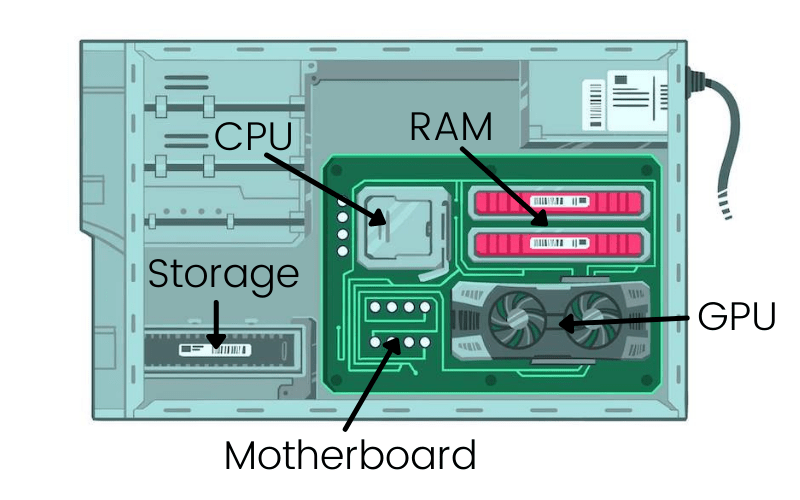
Computer assembly refers to the process of putting together various computer components, such as the motherboard, CPU, RAM, hard drive, power supply, and other peripherals, into a functional computer system. This process requires knowledge of computer hardware, as well as basic tools and a workspace.
System innovation, on the other hand, refers to the process of developing new and improved computer systems that offer better performance, functionality, and features than previous generations. This requires a deep understanding of computer technology, as well as the ability to identify user needs and develop solutions to meet those needs.
Innovation in computer systems can take many forms, including the development of new hardware components, the design of more efficient software, the creation of new user interfaces, and the implementation of new networking technologies. The goal of system innovation is to create computer systems that are more powerful, more user-friendly, and more reliable than previous generations, and that can support a wide range of applications and use cases.