
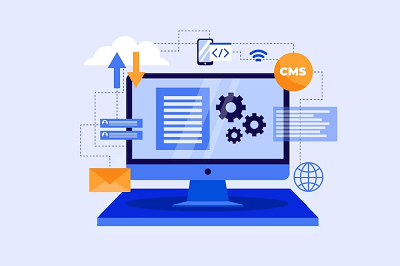
Computer fundamental
Computer Fundamentals are the basic principles that underlie the design and operation of computers. They are essential to understanding how computers work and how to use them effectively. Some of the key concepts of computer fundamentals include:
- Hardware – The physical components of a computer system, such as the central processing unit (CPU), memory, storage devices, input/output devices, and peripherals.
- Software – The programs and applications that run on a computer system, including operating systems, productivity software, games, and utilities.
- Data – The information that is stored and processed by a computer system, including text, images, videos, and audio files.
- Networks – The systems and protocols used to connect computers and devices, such as the internet, LAN s (local area networks), and WAN s (wide area networks).
- Security – The measures and techniques used to protect computer systems and data from unauthorized access, theft, and damage.
- User Interfaces – The methods used to interact with computer systems, including graphical user interfaces ( ), command-line interfaces (CLI s), and natural language interfaces (NLI s).
- Algorithms – The procedures and rules used by computer systems to solve problems and perform tasks, including sorting, searching, and data analysis.
- Programming Languages – The formal languages used to write software programs and applications, including C++, Java, Python, and others.
By understanding these fundamental concepts, computer users can better understand how computers work and how to use them more effectively. This knowledge is also essential for professionals working in the fields of computer science, information technology, and other related areas.
Computer fundamental knowledge is necessary for anyone who wants to use a computer effectively. Some of the requirements for computer fundamental knowledge include:
- Understanding of hardware components – Knowing the basic components of a computer, such as the CPU, memory, and storage devices, is essential for understanding how the computer works.
- Familiarity with software – Basic knowledge of software such as operating systems, word processors, and spreadsheet programs is essential for effective computer usage.
- Knowledge of file management – The ability to create, organize, and manage files and folders is essential for organizing information and accessing it easily.
- Understanding of basic computer operations – Basic operations such as starting up and shutting down a computer, installing and uninstalling software, and connecting peripherals should be understood.
- Internet and network basics – Basic knowledge of internet and network concepts, such as web browsing, email, and file sharing, is necessary for effective communication and collaboration.
- Awareness of computer security – Knowledge of computer security threats, such as malware and phishing, is essential to protect personal and professional data.
- Problem-solving skills – Being able to troubleshoot and resolve basic computer issues is important to minimize downtime and frustration.
Overall, computer fundamental knowledge is necessary for anyone who wants to use a computer effectively and efficiently in their personal or professional life.
Computer fundamental knowledge is required by anyone who uses a computer or digital device, including:
- Students – Basic computer skills are essential for students of all ages to complete assignments, research topics, and communicate with teachers and peers.
- Professionals – Almost every profession today requires the use of computers and digital devices. Basic computer skills are necessary for tasks such as data entry, email communication, and document management.
- Entrepreneurs – Many entrepreneurs rely on computers for tasks such as accounting, social media marketing, and website development. Basic computer skills are necessary for managing these tasks effectively.
- Seniors – Many seniors are interested in using computers to stay connected with family and friends, shop online, and access entertainment. Basic computer skills can help seniors stay connected and engaged with the digital world.
- Job seekers – Many job applications today require basic computer skills, such as proficiency in word processing, email communication, and internet browsing. Job seekers with strong computer skills are often more competitive in the job market.
- Everyday users – Even individuals who primarily use computers for personal tasks such as browsing the internet, shopping online, or managing personal finances can benefit from basic computer skills.
Overall, computer fundamental knowledge is required by almost everyone in today’s digital age. The specific level of knowledge required may vary depending on the individual’s personal or professional needs.
When is required Computer fundamentalComputer fundamental knowledge is required in various situations, including:
- Education – Computer fundamental knowledge is required by students of all ages to complete assignments, research topics, and communicate with teachers and peers.
- Employment – Many jobs require computer skills, such as proficiency in word processing, email communication, and internet browsing. Basic computer fundamental knowledge is necessary to be competitive in the job market.
- Entrepreneurship – Many entrepreneurs rely on computers for tasks such as accounting, social media marketing, and website development. Basic computer fundamental knowledge is necessary for managing these tasks effectively.
- Personal use – Even individuals who primarily use computers for personal tasks such as browsing the internet, shopping online, or managing personal finances can benefit from basic computer fundamental knowledge.
- Digital transformation – As more and more industries become digitized, computer fundamental knowledge is becoming increasingly important for individuals in all sectors.
- Cyber security – Understanding computer fundamental concepts and being able to identify security risks is essential to protect personal and professional data from cyber attacks.
Overall, computer fundamental knowledge is required in a wide range of situations, from education to employment to personal use. The specific level of knowledge required may vary depending on the individual’s needs and the situation, but basic computer fundamental knowledge is becoming increasingly essential in today’s digital world.
Computer fundamental knowledge is required in various settings, including:
- Educational institutions – Basic computer fundamental knowledge is necessary for students of all ages to complete assignments, research topics, and communicate with teachers and peers.
- Business organizations – Many businesses rely on computers for various tasks such as accounting, marketing, and customer service. Basic computer fundamental knowledge is necessary for employees to perform their job duties effectively.
- Government agencies – Many government agencies use computers for tasks such as record-keeping, data analysis, and communication. Basic computer fundamental knowledge is necessary for employees to perform their job duties effectively.
- Non-profit organizations – Many non-profit organizations rely on computers for tasks such as fundraising, marketing, and volunteer management. Basic computer fundamental knowledge is necessary for employees and volunteers to perform their duties effectively.
- Personal use – Even individuals who primarily use computers for personal tasks such as browsing the internet, shopping online, or managing personal finances can benefit from basic computer fundamental knowledge.
- Cyber security – Understanding computer fundamental concepts and being able to identify security risks is essential to protect personal and professional data from cyber attacks.
Overall, computer fundamental knowledge is required in various settings, both professional and personal. The specific level of knowledge required may vary depending on the individual’s needs and the setting, but basic computer fundamental knowledge is becoming increasingly essential in today’s digital world.
Computer fundamental knowledge is required in many ways, including:
- Basic computer operations – Understanding basic computer operations such as how to turn on and shut down a computer, how to use a keyboard and mouse, and how to navigate through different applications is essential.
- Operating system – Understanding the operating system, such as Windows or Mac, is necessary for performing basic tasks such as managing files, installing software, and adjusting settings.
- Internet and web browsing – Understanding how to connect to the internet, browse websites, and use search engines is essential for many tasks, such as online research, shopping, and communication.
- Email communication – Knowing how to compose, send, receive, and manage email is important for personal and professional communication.
- Word processing – Understanding how to create, format, and edit documents using word processing software such as Microsoft Word is necessary for many jobs and academic assignments.
- Spreadsheet software – Understanding how to create, edit, and analyze data using spreadsheet software such as Microsoft Excel is important for many jobs and academic assignments.
- Cyber security – Understanding computer fundamental concepts such as malware, viruses, phishing scams, and other online security risks is essential for protecting personal and professional data from cyber attacks.
Overall, computer fundamental knowledge is required in many ways, including basic computer operations, operating systems, internet and web browsing, email communication, word processing, spreadsheet software, and cyber security. The specific level of knowledge required may vary depending on the individual’s needs and the situation, but having a solid foundation of computer fundamental knowledge is becoming increasingly essential in today’s digital world.
Case Study: Computer Fundamentals in Small Business
Background: A small retail business owner, John, has been running his store for several years, but recently he has noticed a decline in sales. He realized that he needs to leverage technology to improve his operations, but he is not very familiar with computers.
Problem: John needs to understand computer fundamentals to better manage his business operations and increase sales.
Solution: John decided to enroll in a basic computer fundamentals course offered by a local community college. The course covered topics such as computer hardware, software, operating systems, internet and web browsing, email communication, and basic cyber security.
After completing the course, John was able to make several improvements to his business operations:
- Inventory Management: John started using spreadsheet software to track his inventory and make better purchasing decisions. He learned how to create, edit, and analyze data using Microsoft Excel, and he was able to keep his inventory levels optimized to meet customer demand while minimizing excess inventory.
- Online Marketing: John created a website for his business and started using social media to reach new customers. He learned how to browse the web, use search engines, and manage online accounts. He also used email communication to keep in touch with his customers and promote special offers and discounts.
- Cyber security: John learned how to protect his business from cyber threats. He understood computer fundamental concepts such as malware, viruses, and phishing scams, and he implemented basic security measures such as antivirus software, firewalls, and strong passwords.
Results: By leveraging his new computer fundamental knowledge, John was able to improve his business operations and increase sales. He was able to optimize his inventory levels, reach new customers through online marketing, and protect his business from cyber threats.
Conclusion: In today’s digital world, computer fundamental knowledge is becoming increasingly essential for small business owners. By taking a basic computer fundamentals course, John was able to better manage his business operations and increase sales. It is important for small business owners to understand the basic concepts of computer operations, software, and cyber security to stay competitive in the market.
White paper on Computer fundamental
Introduction: Computer fundamental knowledge is essential in today’s world. Whether you are a student, a professional, or a small business owner, understanding basic computer operations is necessary for performing everyday tasks. This white paper provides an overview of computer fundamental concepts, including computer hardware, software, operating systems, internet and web browsing, email communication, word processing, spreadsheet software, and cyber security.
Computer Hardware: Computer hardware includes all the physical components of a computer system, such as the processor, memory, hard drive, keyboard, mouse, and monitor. Understanding computer hardware is important for performing basic tasks such as turning on and shutting down a computer, and connecting external devices such as printers, scanners, and external hard drives.
Computer Software: Computer software includes all the programs and applications that run on a computer system. Understanding computer software is important for performing tasks such as word processing, spreadsheet analysis, internet browsing, and email communication. Some of the most common types of computer software include operating systems, productivity software, utility software, and security software.
Operating Systems: An operating system is the software that manages the computer hardware and provides a platform for other software programs to run. The most common operating systems are Windows, Mac OS, and Linux. Understanding the operating system is essential for performing tasks such as managing files, installing software, and adjusting settings.
Internet and Web Browsing: Understanding how to connect to the internet, browse websites, and use search engines is essential for many tasks, such as online research, shopping, and communication. Internet browsers such as Google Chrome, Mozilla Firefox, and Microsoft Edge provide a platform for accessing the internet and browsing websites.
Email Communication: Knowing how to compose, send, receive, and manage email is important for personal and professional communication. Email clients such as Microsoft Outlook and Gmail provide a platform for email communication.
Word Processing: Understanding how to create, format, and edit documents using word processing software such as Microsoft Word is necessary for many jobs and academic assignments. Word processing software provides a platform for creating documents, reports, and other written materials.
Spreadsheet Software: Understanding how to create, edit, and analyze data using spreadsheet software such as Microsoft Excel is important for many jobs and academic assignments. Spreadsheet software provides a platform for organizing and analyzing data.
: Understanding computer fundamental concepts such as malware, viruses, phishing scams, and other online security risks is essential for protecting personal and professional data from cyber attacks. Basic measures such as antivirus software, firewalls, and strong passwords can help protect against cyber threats.
Conclusion: In conclusion, computer fundamental knowledge is essential in today’s world. Understanding basic computer operations, software, and cyber security is necessary for performing everyday tasks and staying competitive in the job market. Whether you are a student, a professional, or a small business owner, having a solid foundation in computer fundamental concepts is becoming increasingly essential in today’s digital world.