
Concept of data processing
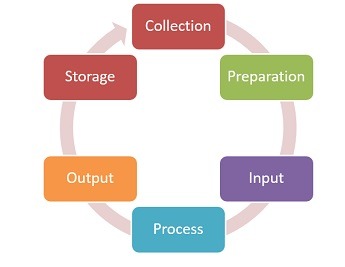
Data processing is the systematic and organized manipulation of raw data into meaningful information. It involves various actions and steps to convert data into a usable format for analysis, interpretation, and decision-making. Data processing plays a crucial role in almost every field, including business, science, finance, healthcare, and more. The process involves several key stages, as outlined below:
- Data Collection: The first step in data processing is gathering raw data from various sources. Data can be collected through manual data entry, automated systems, sensors, surveys, or other methods.
- Data Entry: After collecting the data, it needs to be entered into a system for processing. This step involves converting data from its original form, such as physical documents or sensor readings, into a digital format.
- Data Validation: Data validation ensures that the entered data is accurate, consistent, and conforms to predefined rules and criteria. Validation may involve data type checks, range checks, and verification against known standards.
- Data Cleaning: Data cleaning, also known as data cleansing, is the process of identifying and rectifying errors, inconsistencies, and duplicates in the dataset. This step ensures data accuracy and improves the quality of the dataset.
- Data Transformation: In this stage, data is transformed into a standardized format suitable for further analysis. It may involve converting data units, normalizing values, or converting data types.
- Data Aggregation: Data aggregation involves summarizing and combining data from multiple sources or records to create a unified view. Aggregated data provides a broader perspective and facilitates analysis.
- Data Analysis: Once the data is cleaned and aggregated, it can be subjected to various analytical techniques to uncover patterns, trends, and insights. Data analysis helps in making informed decisions and predictions.
- Data Visualization: Data visualization is the graphical representation of analyzed data. Visualizations such as charts, graphs, and maps make complex data more understandable and accessible.
- Data Interpretation: Data interpretation involves understanding the insights gained from the data analysis and drawing meaningful conclusions from the findings.
- Reporting and Presentation: The final step is to present the processed data and analysis in a comprehensible format to stakeholders. Reports, dashboards, and presentations communicate the results effectively.
Data processing can be done manually, but in modern settings, it is mostly automated using computer systems and specialized software. Automation speeds up the process, reduces human error, and allows for the processing of large volumes of data quickly.
The concept of data processing is fundamental to various fields, including business intelligence, scientific research, machine learning, and artificial intelligence. It enables organizations and individuals to make data-driven decisions, gain insights, and improve overall efficiency and effectiveness. As the volume of data continues to grow exponentially, data processing remains a critical aspect of harnessing the power of data for various applications.
What is required Concept of data processing
The required concept of data processing involves understanding the fundamental principles and stages involved in transforming raw data into meaningful and usable information. Here are the key aspects of the concept of data processing:
- Data Collection: The process starts with the collection of raw data from various sources, such as surveys, sensors, databases, or manual data entry. Accurate and relevant data is crucial for meaningful processing.
- Data Entry: Raw data is entered into a computer system or database, converting it from its original format (e.g., paper documents) into a digital format for further processing.
- Data Validation: Data validation ensures that the collected data is accurate, complete, and adheres to specific rules and standards. It involves identifying and correcting errors or inconsistencies in the dataset.
- Data Cleaning: Data cleaning, also known as data cleansing, involves the detection and removal of errors, duplicates, or irrelevant data from the dataset to improve data quality.
- Data Transformation: Data may need to be transformed or converted into a standardized format to ensure consistency and comparability. This step might include normalization, scaling, or converting data types.
- Data Aggregation: Data aggregation combines and summarizes data from various sources or records to provide a more comprehensive view or summary of the information.
- Data Analysis: Data analysis involves applying various techniques and algorithms to uncover patterns, trends, and insights within the processed data.
- Data Visualization: Data visualization represents the analyzed data in graphical or visual formats such as charts, graphs, or maps. It helps users better understand complex data and identify trends at a glance.
- Data Interpretation: Data interpretation involves making sense of the results obtained from the data analysis and drawing meaningful conclusions or insights from the processed information.
- Reporting and Presentation: The final step is to present the processed data and analysis in a clear and understandable manner to stakeholders, decision-makers, or the intended audience. Reports, dashboards, and presentations communicate the findings effectively.
- Automation and Efficiency: In modern data processing, automation using computer systems and specialized software is often employed to speed up the process, reduce errors, and handle large volumes of data efficiently.
- Data Security and Privacy: Ensuring data security and protecting sensitive information is essential throughout the data processing cycle to maintain the confidentiality and integrity of the data.
The concept of data processing is essential in various domains, including business intelligence, scientific research, healthcare, finance, and more. It empowers organizations and individuals to leverage data for informed decision-making, gaining insights, and addressing challenges effectively. Understanding the required concept of data processing enables individuals to harness the power of data to solve complex problems, drive innovation, and achieve meaningful outcomes.
Who is required Concept of data processing
The concept of data processing is required and relevant to various individuals and organizations across different fields. Here are some key stakeholders who benefit from understanding the concept of data processing:
- Data Analysts and Scientists: Data analysts and data scientists are directly involved in processing and analyzing data to extract insights and support decision-making.
- Business Professionals: Business professionals, including managers and executives, require an understanding of data processing to make data-driven decisions, identify trends, and optimize business processes.
- Researchers and Academics: Researchers and academics often deal with large datasets, and understanding data processing helps them analyze and interpret research findings accurately.
- Information Technology (IT) Professionals: IT professionals are responsible for implementing data processing systems and ensuring data security and integrity.
- Data Engineers and Database Administrators: Data engineers and database administrators are involved in the technical aspects of data processing, managing databases, and ensuring data is properly stored and accessible.
- Market Analysts and Economists: Professionals in market analysis and economics rely on data processing to forecast trends, assess market dynamics, and make informed predictions.
- Healthcare Professionals: Healthcare professionals use data processing to analyze patient records, clinical data, and medical research for improved healthcare outcomes.
- Government and Policy Makers: Governments and policymakers utilize data processing to analyze social, economic, and demographic data for informed decision-making and policy formulation.
- Educators and Trainers: Educators and trainers benefit from understanding data processing to use data effectively in educational research and planning.
- Data Privacy and Security Professionals: Professionals in data privacy and security need to understand data processing to ensure compliance with data protection regulations and safeguard sensitive information.
- Financial Analysts and Accountants: Financial analysts and accountants use data processing to analyze financial data and generate reports for financial planning and reporting.
- Marketing Professionals: Marketers leverage data processing to analyze customer data, consumer behavior, and marketing campaign effectiveness.
- Scientists and Engineers: Scientists and engineers rely on data processing for experimental data analysis, simulations, and research findings.
- Social Media Analysts: Professionals analyzing social media data require data processing skills to identify trends, sentiment, and user behavior.
- Entrepreneurs and Startups: Entrepreneurs and startup founders use data processing to validate business hypotheses and analyze market opportunities.
In summary, the concept of data processing is essential for a wide range of individuals, professionals, and organizations across different sectors. Understanding data processing allows stakeholders to make informed decisions, draw meaningful insights, and gain a competitive advantage in their respective fields. As data becomes increasingly central to modern decision-making, the need for a solid understanding of data processing continues to grow.
When is required Concept of data processing
The concept of data processing is required in various situations and contexts when dealing with data in any form. Here are some specific instances when understanding the concept of data processing is essential:
- Data Analysis and Decision-Making: Data processing is required when analyzing data to make informed decisions in business, research, healthcare, finance, marketing, and other fields.
- Research and Academics: Researchers and academics need to process data to analyze research findings, draw conclusions, and publish their results.
- Business Intelligence and Reporting: Data processing is crucial for generating business reports, dashboards, and insights that aid in strategic planning and performance evaluation.
- Data-driven Product Development: In technology and product development, data processing helps in understanding user behavior, preferences, and feedback to improve products and services.
- Quality Control and Assurance: Data processing plays a role in quality control processes, ensuring product quality, and identifying defects in manufacturing.
- Financial Analysis and Forecasting: Financial analysts use data processing to analyze financial data and forecast market trends.
- Healthcare Diagnostics and Treatment: In healthcare, data processing is necessary for diagnosing medical conditions, analyzing patient data, and determining treatment plans.
- Customer Relationship Management (CRM): Companies use data processing to manage customer data, track interactions, and provide personalized customer experiences.
- Predictive Analytics: Data processing enables the application of predictive analytics to anticipate future trends and behavior.
- Personalization and Recommendation Systems: E-commerce and entertainment platforms use data processing to create personalized recommendations for users.
- Internet of Things (IoT) and Sensor Data: Data processing is vital for handling and analyzing large volumes of data generated by IoT devices and sensors.
- Social Media and Online Platforms: Social media platforms require data processing to handle vast amounts of user-generated content and deliver relevant content to users.
- Supply Chain Management: Data processing is essential in supply chain management for inventory control, demand forecasting, and logistics optimization.
- Fraud Detection and Security: Data processing helps identify patterns and anomalies to detect fraud and improve data security.
- Regulatory Compliance: Organizations need to process data to ensure compliance with data protection and privacy regulations.
- Human Resources and Workforce Management: Data processing assists in managing employee data, performance evaluations, and talent acquisition.
- Educational Institutions: Educational institutions process data for student records, assessments, and performance evaluations.
In essence, the concept of data processing is required in almost every sector where data is generated, collected, and utilized. Understanding data processing enables individuals and organizations to harness the power of data for informed decision-making, problem-solving, and achieving their objectives efficiently. As the world becomes increasingly data-driven, the need for effective data processing skills continues to grow across various industries and professions.
Where is required Concept of data processing
The concept of data processing is required in various domains and industries where data is collected, analyzed, and used to inform decision-making and achieve specific goals. Here are some specific areas where the concept of data processing is essential:
- Business and Finance: Companies require data processing to analyze financial data, track sales, manage inventory, and make data-driven business decisions.
- Healthcare: In healthcare, data processing is necessary to manage patient records, analyze medical data, and support clinical decision-making.
- Education: Educational institutions use data processing for student information systems, academic assessments, and educational research.
- Marketing and Advertising: Data processing is critical for analyzing consumer behavior, conducting market research, and targeting specific audiences for marketing campaigns.
- Manufacturing and Quality Control: Data processing is used in manufacturing to monitor production processes, ensure quality control, and optimize manufacturing operations.
- Science and Research: Scientists and researchers rely on data processing to analyze experimental data, conduct statistical analyses, and draw conclusions from research findings.
- Government and Public Policy: Governments use data processing to analyze demographic data, assess the impact of policies, and make informed decisions.
- Transportation and Logistics: Data processing is essential for managing transportation routes, tracking shipments, and optimizing logistics operations.
- Social Media and Technology: Social media platforms and technology companies process vast amounts of data to personalize content, improve user experiences, and enhance platform performance.
- Environmental Monitoring: Data processing is used in environmental science to analyze data from sensors and remote sensing technologies to monitor environmental conditions.
- Human Resources and Workforce Management: HR departments use data processing to manage employee data, performance evaluations, and workforce planning.
- E-commerce: Online retailers use data processing to track customer behavior, manage inventory, and offer personalized shopping experiences.
- Energy and Utilities: Data processing is used in the energy sector for monitoring energy consumption, optimizing energy distribution, and predicting demand.
- Telecommunications: Telecommunication companies process data for managing network performance, analyzing call data records, and improving service quality.
- Travel and Hospitality: Data processing is utilized in the travel industry for managing bookings, customer preferences, and optimizing travel experiences.
- Security and Surveillance: Security organizations use data processing for video surveillance, facial recognition, and threat detection.
- Artificial Intelligence and Machine Learning: Data processing is the foundation of AI and machine learning algorithms, enabling the training and prediction processes.
In virtually every industry and sector, the concept of data processing is essential for extracting valuable insights, identifying patterns, and making informed decisions. The ability to process and analyze data effectively has become a crucial skill for individuals and organizations seeking to stay competitive and innovative in a data-driven world.
How is required Concept of data processing
The concept of data processing is required in various ways across different fields and industries. Here are some specific ways in which the concept of data processing is essential:
- Informed Decision-Making: Data processing allows individuals and organizations to analyze and interpret data, enabling them to make informed and evidence-based decisions.
- Problem Solving: By processing data, patterns, trends, and correlations can be identified, leading to more effective problem-solving and optimization of processes.
- Business Efficiency: Data processing helps businesses streamline operations, improve efficiency, and identify areas for cost savings or revenue growth.
- Personalization and Customer Experience: Data processing enables businesses to personalize products, services, and marketing efforts to cater to individual customer preferences.
- Risk Management: In finance, insurance, and other sectors, data processing helps assess risks, detect anomalies, and make informed risk management decisions.
- Scientific Advancements: In scientific research, data processing is essential for analyzing experimental results, conducting simulations, and advancing knowledge in various fields.
- Healthcare Diagnostics and Treatment: Data processing aids in diagnosing medical conditions, analyzing patient data, and developing personalized treatment plans.
- Forecasting and Predictive Analytics: Data processing enables businesses to forecast trends, demand, and market behavior, supporting future planning and strategy.
- Process Automation: Data processing is a foundation for automating repetitive tasks and implementing artificial intelligence and machine learning solutions.
- Digital Transformation: In the digital age, data processing is vital for transforming businesses, processes, and services to adapt to changing market demands.
- Educational Insights: In education, data processing helps identify student performance trends, assess teaching effectiveness, and enhance learning experiences.
- Government and Policy Decisions: Data processing supports evidence-based policy decisions, resource allocation, and public service optimization.
- Security and Fraud Detection: Data processing is instrumental in detecting security threats, fraud, and anomalies in various domains.
- Supply Chain Optimization: Data processing aids in optimizing supply chain operations, inventory management, and logistics.
- Environmental Monitoring: Data processing is crucial for analyzing environmental data, such as air quality, climate changes, and natural disaster patterns.
- Personal Development and Well-being: Data processing in fitness trackers, health apps, and personal analytics helps individuals improve their well-being and lifestyle choices.
- Social Impact Initiatives: Non-profit organizations use data processing to assess the impact of their initiatives and allocate resources efficiently.
The concept of data processing is required wherever data is collected, managed, and utilized to gain insights, solve problems, and achieve specific objectives. Its significance continues to grow as data becomes increasingly abundant and central to decision-making in diverse fields. The ability to process data effectively empowers individuals and organizations to unlock the full potential of information and make positive contributions to their respective domains.
Case study on Concept of data processing
Title: Leveraging Data Processing for Enhanced Customer Insights – A Retail Case Study
Abstract: This case study explores how a leading retail company, “Trend Wear,” utilized data processing techniques to gain valuable customer insights, optimize operations, and enhance the overall shopping experience. By implementing data-driven strategies, Trendi Wear successfully improved customer engagement, increased sales, and strengthened its market position in a highly competitive industry.
Background: Trendi Wear is a popular fashion retail chain with numerous stores and a thriving e-commerce platform. While the company had a loyal customer base, it faced challenges in understanding customer preferences, optimizing inventory management, and offering personalized shopping experiences.
Challenge: Trendi Wear recognized the need to leverage the vast amount of customer data it collected to address its business challenges effectively. The primary challenges were:
- Limited Customer Insights: The company lacked comprehensive customer insights, making it challenging to tailor marketing efforts and product offerings to specific customer segments.
- Inventory Management: Inefficient inventory management resulted in overstocking of certain products and stock outs of popular items, leading to revenue losses.
- Competitive Landscape: The retail industry was highly competitive, requiring Trendi Wear to stay ahead by understanding and responding to changing customer preferences quickly.
Solution: To address these challenges, Trendi Wear implemented data processing strategies:
- Data Collection and Integration: The company consolidated data from various sources, including point-of-sale systems, online transactions, loyalty programs, and social media interactions.
- Data Cleaning and Validation: Data cleaning techniques were applied to eliminate duplicates, correct errors, and ensure data accuracy for reliable analysis.
- Customer Segmentation: By analyzing purchase history and demographic data, Trendi Wear segmented customers into distinct groups based on their preferences and buying behaviors.
- Predictive Analytics: Data processing enabled predictive analytics models to forecast customer demand, identify popular products, and optimize inventory levels.
- Personalized Marketing: Using customer segmentation, the company personalized marketing campaigns through targeted emails, promotions, and product recommendations.
- Real-time Data Analysis: Trendi Wear adopted real-time data processing capabilities to analyze customer feedback and adjust marketing strategies accordingly.
Results: The implementation of data processing techniques yielded significant results:
- Enhanced Customer Insights: Trendi Wear gained a deeper understanding of customer preferences, allowing the company to offer tailored product recommendations and personalized shopping experiences.
- Optimized Inventory Management: The predictive analytics model optimized inventory levels, reducing stock outs and overstocking, leading to cost savings and increased revenue.
- Improved Customer Engagement: Personalized marketing efforts resulted in improved customer engagement and loyalty, increasing repeat purchases and customer retention.
- Competitive Advantage: By leveraging data processing for agility and customer-centric strategies, Trendi Wear outperformed competitors in responding to market trends.
Conclusion: This case study demonstrates the transformative power of data processing in the retail industry. By harnessing customer data and employing data-driven strategies, Trend i Wear achieved enhanced customer insights, optimized inventory management, and improved customer engagement. The success of the data processing initiatives enabled Trendi Wear to remain competitive in a dynamic market while offering a personalized and seamless shopping experience. The case study underscores the importance of data processing as a fundamental tool for businesses to thrive and evolve in the ever-changing landscape of the retail industry.
White paper on Concept of data processing
Title: Unleashing the Potential of Data Processing: Empowering Decision-Making and Innovation
Abstract: This white paper delves into the concept of data processing and its pivotal role in transforming raw data into valuable insights, driving informed decision-making, and fostering innovation. By exploring the essential components of data processing, the paper highlights its significance across diverse industries, including business, healthcare, education, and technology. Additionally, the white paper discusses emerging trends, challenges, and best practices for organizations seeking to harness the true potential of data processing in the digital age.
Table of Contents:
- Introduction 1.1 Importance of Data in the Modern World 1.2 Objectives of the White Paper
- Understanding Data Processing 2.1 Definition and Core Concepts 2.2 Data Collection and Integration 2.3 Data Cleaning and Validation 2.4 Data Transformation and Aggregation
- The Power of Data Processing in Decision-Making 3.1 Data-Driven Decision-Making 3.2 Benefits of Data Processing in Business and Industry 3.3 Realizing Opportunities for Growth and Innovation
- Data Processing in Key Industries 4.1 Healthcare and Precision Medicine 4.2 Education and Personalized Learning 4.3 Finance and Risk Management 4.4 Retail and Customer Experience Enhancement 4.5 Technology and Artificial Intelligence
- Challenges and Solutions 5.1 Data Security and Privacy Concerns 5.2 Handling Big Data and Scalability 5.3 Dealing with Unstructured Data 5.4 Addressing Bias and Ethical Implications
- Emerging Trends in Data Processing 6.1 Real-Time Data Processing and Analytics 6.2 Internet of Things (IoT) and Sensor Data Integration 6.3 Machine Learning and Predictive Analytics
- Best Practices for Effective Data Processing 7.1 Establishing Data Governance and Quality Control 7.2 Building Agile Data Infrastructure 7.3 Leveraging Cloud Computing and Big Data Technologies
- Data Processing for Social Impact 8.1 Using Data to Address Global Challenges 8.2 Data Processing for Disaster Response and Humanitarian Aid
- Conclusion 9.1 The Transformative Power of Data Processing 9.2 Unlocking the Future: Embracing Data-Driven Excellence
Conclusion: This white paper emphasizes the essential role of data processing in unlocking the potential of data to drive innovation, inform decision-making, and address complex challenges across various industries. By understanding the core components of data processing and its application in different sectors, organizations can gain a competitive edge, deliver personalized experiences, and make positive contributions to society. Embracing emerging trends and best practices in data processing enables enterprises and institutions to navigate the complexities of the digital age and achieve transformative outcomes. As data continues to shape our world, the concept of data processing remains a powerful catalyst for progress and a cornerstone of the data-driven future.