
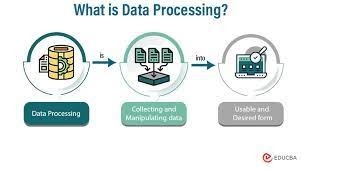
The concept of data processing innovation refers to the continuous evolution and improvement of methods, technologies, and approaches used to handle, analyze, and derive insights from data. Data processing is a critical aspect of information technology and plays a pivotal role in various fields, including business, science, healthcare, and more. Innovations in data processing aim to enhance efficiency, accuracy, speed, and the overall value derived from data.
Key components and concepts associated with data processing innovation include:
- Advanced Analytics:
- Utilizing advanced analytical techniques, such as machine learning, artificial intelligence, and predictive analytics, to extract meaningful patterns, predictions, and insights from large datasets.
- Real-time Data Processing:
- Innovations that enable the processing and analysis of data in real-time, allowing organizations to make informed decisions based on the most up-to-date information.
- Data Integration:
- Developing innovative solutions for integrating data from diverse sources, including structured and unstructured data, to provide a comprehensive and unified view for analysis.
- Data Visualization:
- Creating innovative data visualization tools and techniques that help users interpret complex datasets easily, facilitating better decision-making and communication of insights.
- Edge Computing:
- Shifting data processing closer to the source of data generation, reducing latency and enabling faster decision-making. Edge computing is particularly relevant for applications like the Internet of Things (IoT).
- Blockchain for Data Security:
- Implementing blockchain technology to enhance the security and integrity of data processing, especially in scenarios where trust, transparency, and immutability are critical.
- Automated Data Processing:
- Leveraging automation and robotic process automation (RPA) to streamline routine data processing tasks, reducing manual efforts and minimizing errors.
- Cognitive Computing:
- Integrating cognitive computing capabilities, where systems can learn, reason, and adapt, to enhance the overall intelligence of data processing systems.
- Quantum Computing:
- Exploring the potential of quantum computing to process and analyze massive datasets at speeds unimaginable with classical computing, opening up new possibilities for complex problem-solving.
- Data Ethics and Privacy:
- Innovations in ensuring ethical data processing practices, including robust privacy measures, compliance with regulations, and transparency in data usage.
- Natural Language Processing (NLP):
- Advancements in NLP technologies that allow systems to understand and process human language, making it easier to analyze text data and derive insights from textual information.
- Distributed and Decentralized Processing:
- Utilizing distributed processing frameworks and decentralized storage systems to handle large-scale data processing tasks efficiently and securely.
- Data Process Automation Platforms:
- The development of comprehensive platforms that offer end-to-end automation of data processing workflows, from data ingestion to analysis and reporting.
Data processing innovation is a dynamic and rapidly evolving field, driven by technological advancements and the increasing complexity of data-driven challenges across various industries. Embracing these innovations enables organizations to stay competitive, make informed decisions, and derive actionable insights from their data assets.
The required concepts for data processing innovation encompass a range of principles, technologies, and methodologies that organizations need to understand and implement to leverage data effectively. Here are key concepts in the realm of data processing innovation:
- Advanced Analytics:
- Definition: The use of advanced statistical and mathematical techniques, including machine learning and predictive analytics, to analyze and interpret complex datasets.
- Why It’s Required: Enables organizations to uncover hidden patterns, make predictions, and gain actionable insights from large and diverse datasets.
- Real-time Data Processing:
- Definition: Processing and analyzing data as it is generated, allowing organizations to make immediate decisions based on up-to-the-minute information.
- Why It’s Required: Essential for scenarios where timely responses are critical, such as financial trading, online transactions, and IoT applications.
- Data Integration:
- Definition: The combination and harmonization of data from various sources into a unified view.
- Why It’s Required: Provides a comprehensive understanding of business operations, customer behavior, and other critical aspects by integrating data from disparate sources.
- Data Visualization:
- Definition: The representation of data in graphical or visual formats to aid in understanding and interpretation.
- Why It’s Required: Enhances communication of complex data insights, making it easier for stakeholders to grasp trends, patterns, and outliers.
- Edge Computing:
- Definition: Processing data closer to the source of generation, reducing latency and enabling faster responses.
- Why It’s Required: Essential for applications like IoT, where real-time processing is required, and centralized cloud processing may introduce delays.
- Blockchain for Data Security:
- Definition: A decentralized and secure method of recording and verifying transactions across a network.
- Why It’s Required: Enhances the security and integrity of data by providing a tamper-proof and transparent ledger.
- Automated Data Processing:
- Definition: The use of automation, including robotic process automation (RPA), to streamline routine data processing tasks.
- Why It’s Required: Reduces manual efforts, minimizes errors, and improves efficiency in handling repetitive data tasks.
- Cognitive Computing:
- Definition: Systems that can learn, reason, and adapt, mimicking human cognitive functions.
- Why It’s Required: Enhances the intelligence of data processing systems, allowing them to understand context, learn from experience, and make informed decisions.
- Quantum Computing:
- Definition: Leveraging the principles of quantum mechanics to perform complex computations at speeds unattainable by classical computers.
- Why It’s Required: Has the potential to revolutionize data processing by solving complex problems exponentially faster than traditional computers.
- Data Ethics and Privacy:
- Definition: Ensuring ethical use of data, respecting privacy, and complying with regulations.
- Why It’s Required: Essential for maintaining trust with users and avoiding legal and reputational risks associated with mishandling data.
- Natural Language Processing (NLP):
- Definition: The ability of machines to understand and interpret human language.
- Why It’s Required: Facilitates the analysis of textual data, supports chatbots, and enhances interaction with data through natural language interfaces.
- Distributed and Decentralized Processing:
- Definition: Processing data across distributed systems or utilizing decentralized storage to improve efficiency and reliability.
- Why It’s Required: Enables scalability, fault tolerance, and resilience in large-scale data processing environments.
- Data Process Automation Platforms:
- Definition: Comprehensive platforms that automate end-to-end data processing workflows.
- Why It’s Required: Improves operational efficiency, reduces manual errors, and accelerates the delivery of insights.
Understanding and incorporating these concepts into an organization’s data processing strategy can foster innovation, improve decision-making, and unlock new opportunities in today’s data-driven landscape.
The concept of data processing innovation is relevant and required for various stakeholders across industries, as data plays a central role in today’s digital landscape. Here are key stakeholders who benefit from and are required to understand the concept of data processing innovation:
- Chief Information Officers (CIOs) and Chief Technology Officers (CTOs):
- Role: Responsible for the overall technology strategy of an organization.
- Why It’s Required: CIOs and CTOs need to understand data processing innovation to make informed decisions about technology investments, infrastructure, and digital transformation initiatives.
- Data Scientists and Analysts:
- Role: Analyze and interpret data to derive actionable insights.
- Why It’s Required: Data scientists and analysts leverage innovative data processing techniques to uncover patterns, trends, and correlations, contributing to data-driven decision-making.
- IT Managers and Administrators:
- Role: Oversee the implementation and maintenance of IT systems.
- Why It’s Required: IT managers need to stay informed about data processing innovations to optimize system performance, ensure security, and make decisions about technology upgrades.
- Business Analysts and Strategists:
- Role: Analyze business processes and formulate strategies based on data insights.
- Why It’s Required: Understanding data processing innovation helps business analysts identify opportunities for process improvement, customer engagement, and market expansion.
- Business Owners and Executives:
- Role: Make strategic decisions for the organization.
- Why It’s Required: Executives need to grasp the concept of data processing innovation to align technology investments with business goals, drive innovation, and maintain a competitive edge.
- Data Privacy and Compliance Officers:
- Role: Ensure that data processing practices adhere to privacy regulations and industry standards.
- Why It’s Required: Data privacy and compliance officers need to be aware of innovations to implement robust security measures and maintain compliance with evolving regulations.
- Security Professionals:
- Role: Safeguard data and IT infrastructure from cyber threats.
- Why It’s Required: Security professionals must understand data processing innovations to implement effective cybersecurity measures, detect anomalies, and protect against emerging threats.
- Operations and Project Managers:
- Role: Oversee day-to-day operations and project implementations.
- Why It’s Required: Operations and project managers need to be familiar with data processing innovations to ensure that projects are aligned with technological advancements and organizational goals.
- Data Engineers and Database Administrators:
- Role: Design, develop, and maintain data architectures and databases.
- Why It’s Required: Data engineers and administrators leverage innovative data processing technologies to optimize data storage, retrieval, and processing efficiency.
- Regulatory and Legal Teams:
- Role: Ensure that data processing practices comply with legal and regulatory requirements.
- Why It’s Required: Regulatory and legal teams need to understand data processing innovations to interpret and apply relevant laws and standards.
- End Users and Data Consumers:
- Role: Utilize data and insights for decision-making.
- Why It’s Required: End users benefit from data processing innovations as they contribute to improved user experiences, personalized services, and better-informed decision-making.
Understanding the concept of data processing innovation is essential for building a data-centric culture within organizations. Collaboration among these stakeholders is crucial to successfully implement and derive value from innovative data processing technologies.
The concept of data processing innovation is required in various scenarios and stages of business operations. Here are key situations when understanding and implementing data processing innovation becomes crucial:
- Digital Transformation Initiatives:
- When: During the planning and execution of digital transformation initiatives.
- Why: Digital transformation often involves leveraging innovative data processing technologies to optimize operations, enhance customer experiences, and gain a competitive edge.
- System Upgrades and Migrations:
- When: When upgrading or migrating information systems.
- Why: New system implementations or upgrades provide opportunities to incorporate the latest data processing innovations, improving efficiency and functionality.
- Business Process Reengineering:
- When: When reengineering or optimizing existing business processes.
- Why: Integrating data processing innovations can streamline workflows, reduce manual efforts, and enhance overall process efficiency.
- New Product or Service Launches:
- When: Before launching new products or services.
- Why: Innovative data processing can contribute to market research, product development, and personalized customer experiences, leading to successful product launches.
- Market Expansion:
- When: When entering new markets or expanding the customer base.
- Why: Understanding local market dynamics through data analytics and processing helps in tailoring strategies for successful market penetration.
- Cybersecurity Enhancements:
- When: Continuously, in response to emerging cybersecurity threats.
- Why: Data processing innovations in cybersecurity involve implementing advanced threat detection, anomaly analysis, and secure data handling practices.
- Compliance and Regulatory Changes:
- When: When there are changes in data protection regulations or industry standards.
- Why: Adapting data processing practices to comply with evolving regulations and standards is critical to avoid legal and reputational risks.
- Customer Experience Improvements:
- When: When seeking to enhance customer satisfaction and loyalty.
- Why: Innovative data processing can enable personalized customer experiences, targeted marketing campaigns, and improved customer support.
- Operational Efficiency Initiatives:
- When: As part of ongoing efforts to improve operational efficiency.
- Why: Incorporating data processing innovations automates tasks, reduces errors, and enhances overall operational efficiency.
- Decision-Making Processes:
- When: Throughout strategic decision-making processes.
- Why: Real-time data processing and advanced analytics contribute to informed decision-making, enabling organizations to respond quickly to changing circumstances.
- Emerging Technologies Adoption:
- When: When adopting emerging technologies like IoT, AI, or blockchain.
- Why: Integrating data processing innovations is essential to harness the full potential of emerging technologies and gain a competitive advantage.
- Continuous Improvement Initiatives:
- When: As part of ongoing efforts to foster a culture of continuous improvement.
- Why: Regularly exploring and adopting data processing innovations helps organizations stay competitive and adapt to changing business landscapes.
In summary, the concept of data processing innovation is required whenever organizations aim to optimize, transform, or adapt their operations to meet evolving business demands, market dynamics, and technological advancements. It is a dynamic and ongoing process that is integral to staying competitive in today’s data-driven business environment.
The concept of data processing innovation is required in various domains and industries where data plays a crucial role. Here are some specific areas where understanding and implementing data processing innovation are essential:
- Healthcare:
- Why: In healthcare, innovative data processing is vital for patient care, medical research, and managing large volumes of health data. It supports personalized medicine, predictive analytics, and healthcare management systems.
- Finance and Banking:
- Why: Financial institutions leverage data processing innovations for fraud detection, risk management, algorithmic trading, customer insights, and compliance with financial regulations.
- Retail and E-Commerce:
- Why: Data processing innovations help retailers optimize inventory management, personalize customer experiences, analyze consumer behavior, and implement efficient supply chain strategies.
- Manufacturing and Supply Chain:
- Why: In manufacturing, data processing innovations are critical for process optimization, predictive maintenance, supply chain visibility, and quality control.
- Telecommunications:
- Why: Telecom companies use data processing innovations for network optimization, predictive maintenance, customer experience management, and real-time analytics.
- Energy and Utilities:
- Why: In the energy sector, data processing innovations support smart grid management, predictive maintenance for equipment, energy consumption analytics, and renewable energy optimization.
- Transportation and Logistics:
- Why: Transportation and logistics companies benefit from data processing innovations for route optimization, predictive maintenance for vehicles, supply chain visibility, and demand forecasting.
- Education:
- Why: In education, data processing innovations aid in personalized learning, student performance analytics, resource optimization, and administrative efficiency.
- Government and Public Sector:
- Why: Governments use data processing innovations for citizen services, public safety, fraud detection, urban planning, and policy-making.
- Agriculture:
- Why: In agriculture, data processing innovations support precision farming, crop monitoring, yield prediction, and supply chain optimization.
- Media and Entertainment:
- Why: The media and entertainment industry utilizes data processing innovations for content recommendation, audience analytics, advertising optimization, and content production.
- Insurance:
- Why: Insurers leverage data processing innovations for risk assessment, claims processing, fraud detection, customer segmentation, and personalized insurance offerings.
- Human Resources:
- Why: HR departments use data processing innovations for talent acquisition, employee engagement analysis, workforce planning, and performance management.
- Smart Cities:
- Why: Data processing innovations are essential in building smart cities by enabling efficient traffic management, waste management, energy consumption optimization, and public service delivery.
- Research and Development:
- Why: In R&D, data processing innovations are crucial for scientific research, drug discovery, product development, and simulations.
- Customer Service and Support:
- Why: Companies providing customer service use data processing innovations for sentiment analysis, chatbots, customer feedback analysis, and improving overall customer experiences.
In essence, the concept of data processing innovation is applicable across a wide range of industries and sectors where data-driven decision-making, efficiency, and optimization are critical. It is a foundational element in today’s digital age, influencing how organizations operate, compete, and deliver value.
How is required Concept of Data Processing Innovation
The implementation of the concept of data processing innovation involves several steps and considerations to ensure that organizations can effectively leverage new technologies and approaches. Here’s how the concept of data processing innovation can be implemented:
1. Assessment and Understanding:
- Identify Business Goals: Clearly define the business goals and objectives that data processing innovation aims to support. Understand the specific challenges and opportunities within the organization.
2. Technology Landscape Analysis:
- Evaluate Current Infrastructure: Assess the existing data processing infrastructure, technologies, and tools in use.
- Identify Gaps: Identify gaps or limitations in the current infrastructure that hinder efficient data processing.
3. Skill Set Analysis:
- Evaluate Team Skills: Assess the skills and capabilities of the existing team in terms of data processing technologies.
- Identify Training Needs: Identify any gaps in skills and plan for training programs or hiring initiatives.
4. Data Governance and Compliance:
- Review Data Governance Policies: Ensure that data governance policies and compliance measures are in place and aligned with data processing innovations.
- Understand Regulatory Landscape: Stay informed about relevant regulations governing data processing in the industry.
5. Strategic Planning:
- Develop a Data Strategy: Formulate a comprehensive data strategy that aligns with business goals and includes data processing innovations.
- Prioritize Initiatives: Prioritize initiatives based on their impact on business outcomes.
6. Selecting Innovative Technologies:
- Explore Emerging Technologies: Stay informed about emerging data processing technologies and innovations relevant to the industry.
- Evaluate Use Cases: Evaluate potential use cases for technologies like machine learning, AI, edge computing, or blockchain.
7. Pilot Projects:
- Start with Pilots: Implement pilot projects to test and validate the feasibility and effectiveness of data processing innovations.
- Gather Feedback: Gather feedback from users and stakeholders during pilot phases to refine and improve the approach.
8. Integration with Existing Systems:
- Ensure Compatibility: Ensure that new data processing innovations seamlessly integrate with existing systems.
- Implement API Standards: Implement standardized APIs to facilitate interoperability between different components.
9. Data Security Measures:
- Implement Security Protocols: Incorporate robust security measures to protect data during processing.
- Encryption and Access Control: Use encryption techniques and access control mechanisms to safeguard sensitive data.
10. Scalability and Performance:
- Design for Scalability: Design data processing solutions with scalability in mind to handle growing volumes of data.
- Optimize Performance: Continuously optimize performance to ensure efficient data processing.
11. User Training and Change Management:
- Training Programs: Conduct training programs to familiarize the team with new data processing technologies.
- Change Management: Implement change management strategies to ensure smooth transitions and user adoption.
12. Monitoring and Continuous Improvement:
- Implement Monitoring Tools: Use monitoring tools to track the performance of data processing systems.
- Feedback Loops: Establish feedback loops to continuously improve data processing innovations based on user feedback and changing business requirements.
13. Documentation:
- Document Processes: Maintain comprehensive documentation for data processing workflows, configurations, and best practices.
- Knowledge Sharing: Encourage knowledge sharing within the team to foster a culture of continuous learning.
14. Collaboration and Communication:
- Cross-Functional Collaboration: Foster collaboration between data scientists, IT professionals, and business stakeholders.
- Communicate Value: Clearly communicate the value that data processing innovations bring to the organization.
15. Measure Success:
- Define Key Performance Indicators (KPIs): Establish KPIs to measure the success and impact of data processing innovations.
- Regular Assessments: Conduct regular assessments to ensure that innovations align with business goals and deliver value.
By following these steps and integrating data processing innovation strategically within the organization, businesses can adapt to changing landscapes, improve operational efficiency, and gain a competitive advantage in the data-driven era.
Certainly! Let’s consider a case study that illustrates the implementation of data processing innovation in a retail scenario.
Case Study: Transforming Retail Operations through Data Processing Innovation
Background:
XYZ Retail, a well-established brick-and-mortar retailer, faced challenges in keeping up with changing customer expectations and growing competition from online retailers. The company recognized the need to leverage data processing innovation to enhance customer experiences, optimize operations, and stay competitive in the retail landscape.
Objectives:
- Personalized Customer Experiences: Implement data processing innovations to offer personalized shopping experiences and recommendations to customers.
- Inventory Optimization: Leverage data analytics to optimize inventory management, reduce stockouts, and minimize overstock situations.
- Operational Efficiency: Introduce data-driven processes to streamline supply chain operations, improve product restocking, and enhance overall operational efficiency.
- Online-Offline Integration: Bridge the gap between online and offline shopping experiences by integrating data from both channels for a seamless customer journey.
Implementation Steps:
- Data Collection and Integration:
- Implemented IoT Devices: Installed IoT sensors in physical stores to collect real-time data on foot traffic, popular product zones, and customer dwell times.
- Integrated Online and Offline Data: Utilized a centralized platform to integrate data from online sales, customer profiles, and in-store transactions.
- Personalization Algorithms:
- Developed Customer Segmentation Models: Utilized machine learning algorithms to segment customers based on purchase history, preferences, and behavior.
- Implemented Personalized Recommendations: Deployed recommendation engines to provide personalized product recommendations both in-store and online.
- Inventory Analytics:
- Utilized Predictive Analytics: Implemented predictive analytics to forecast product demand, enabling proactive inventory management.
- Dynamic Pricing Strategies: Integrated dynamic pricing algorithms to optimize product pricing based on demand and market trends.
- Operational Streamlining:
- Automated Supply Chain Processes: Leveraged robotic process automation (RPA) to automate routine supply chain tasks, reducing manual efforts and errors.
- Real-time Inventory Visibility: Provided real-time visibility into inventory levels and order statuses to streamline restocking processes.
- Unified Customer Experience:
- Implemented Cross-Channel Loyalty Programs: Introduced loyalty programs that seamlessly spanned both online and offline channels.
- Integrated Customer Profiles: Ensured that customer profiles were accessible and consistent across all touchpoints, allowing for a unified shopping experience.
- Data Security Measures:
- Encrypted Customer Data: Implemented robust encryption measures to protect customer data and ensure compliance with data privacy regulations.
- Access Control Policies: Enforced strict access control policies to restrict unauthorized access to sensitive information.
- Employee Training:
- Conducted Training Programs: Provided training programs for store employees to familiarize them with the new data-driven processes and tools.
- Promoted Data-Driven Culture: Encouraged employees to leverage data insights for better decision-making and customer interactions.
Results:
- Enhanced Customer Experiences:
- Personalized recommendations led to a 15% increase in average transaction value.
- Improved customer satisfaction scores due to tailored shopping experiences.
- Optimized Inventory Management:
- Reduced instances of stockouts by 20%.
- Minimized overstock situations, resulting in a 10% reduction in holding costs.
- Operational Efficiency Gains:
- Streamlined supply chain processes led to a 25% reduction in order processing time.
- Automated inventory restocking reduced manual errors and improved overall efficiency.
- Online-Offline Integration Success:
- Achieved a 30% increase in customer engagement across online and offline channels.
- Unified customer profiles contributed to a more cohesive shopping journey.
- Data Security and Compliance:
- No reported data breaches or security incidents.
- Compliance with data protection regulations ensured customer trust and loyalty.
Conclusion:
By embracing data processing innovation, XYZ Retail transformed its operations, providing a seamless and personalized shopping experience for customers. The successful integration of online and offline data, implementation of advanced analytics, and a focus on operational efficiency resulted in tangible benefits, positioning XYZ Retail as a modern and competitive player in the retail industry. This case study highlights the impact of data processing innovation on customer satisfaction, operational excellence, and overall business success.
White Paper: Unleashing Potential – The Concept of Data Processing Innovation
Abstract:
In an era characterized by unprecedented data generation, harnessing the power of data through innovative processing techniques has become a strategic imperative for organizations. This white paper explores the concept of data processing innovation, delving into the transformative impact it has on businesses across various industries. From enhancing operational efficiency to driving personalized customer experiences, data processing innovation is reshaping the way organizations operate in the digital age.
Table of Contents:
- Introduction
- 1.1 The Evolution of Data Processing
- 1.2 The Imperative for Innovation
- Defining Data Processing Innovation
- 2.1 Understanding Innovation in Data Processing
- 2.2 Key Components and Technologies
- Drivers of Data Processing Innovation
- 3.1 Changing Business Landscape
- 3.2 Technological Advancements
- 3.3 Customer Expectations
- Strategic Importance in Business
- 4.1 Operational Excellence
- 4.2 Competitive Advantage
- 4.3 Customer-Centric Approaches
- Use Cases and Success Stories
- 5.1 Personalization in Retail
- 5.2 Predictive Maintenance in Manufacturing
- 5.3 Fraud Detection in Finance
- Challenges and Considerations
- 6.1 Data Security and Privacy
- 6.2 Skill Set and Talent Acquisition
- 6.3 Integration with Legacy Systems
- Technological Foundations
- 7.1 Machine Learning and Artificial Intelligence
- 7.2 Edge Computing
- 7.3 Blockchain in Data Security
- Implementing Data Processing Innovation
- 8.1 Strategic Planning
- 8.2 Technology Selection
- 8.3 Change Management
- Case Studies: Real-World Impact
- 9.1 Healthcare Transformation through Data Processing Innovation
- 9.2 Financial Institutions Redefining Risk Management
- Future Trends in Data Processing Innovation
- 10.1 Quantum Computing
- 10.2 Continued Convergence of AI and Data Processing
- 10.3 Ethical Considerations and Responsible Innovation
- Conclusion: Paving the Way Forward
- 11.1 The Ongoing Journey of Data Processing Innovation
- 11.2 Empowering Organizations for a Data-Driven Future
Appendix: Glossary of Key Terms
Acknowledgments
References
Feel free to adapt this white paper outline based on your specific requirements and the depth of information you want to provide. Each section can be expanded to provide in-depth insights, case studies, and relevant data to support the narrative.