
Concept of hardware and software representation of data/information
The concept of hardware and software representation of data/information refers to how data is stored, processed, and presented in a computing system. Data is raw facts and figures, while information is data that has been processed and organized to make it meaningful and useful. The representation of data and information involves two main components:
1. Hardware Representation:
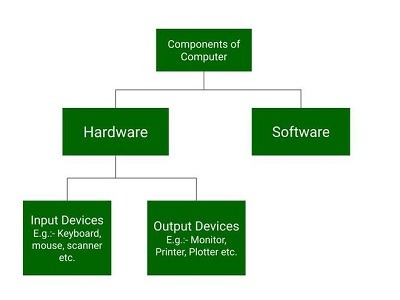
Hardware representation refers to the physical components and devices that store, process, and display data in a computer system. The hardware includes:
- Central Processing Unit (CPU): The CPU is the core component of a computer that performs data processing and executes instructions. It can manipulate data by performing arithmetic, logic, and control operations.
- Memory (RAM): Random Access Memory (RAM) is used to temporarily store data and instructions that the CPU needs for immediate processing. RAM is volatile, meaning data is lost when the computer is turned off.
- Storage Devices: Storage devices such as hard disk drives (HDDs) and solid-state drives (SSDs) are used for long-term data storage. They retain data even when the computer is powered off.
- Input Devices: These devices allow users to input data into the computer system. Examples include keyboards, mice, scanners, and cameras.
- Output Devices: Output devices display processed information to users. Examples include monitors, printers, speakers, and projectors.
Hardware representation focuses on the physical aspects of data handling, storage, and presentation within a computing system.
2. Software Representation:
Software representation refers to the set of instructions and programs that govern how data is processed, organized, and presented in a computer system. Software acts as an intermediary between the user and the hardware, controlling how data is manipulated and displayed.
- Operating System: The operating system (OS) is a crucial software component that manages hardware resources, provides a user interface, and allows users to interact with the computer system.
- Application Software: Application software includes word processors, spreadsheets, databases, graphics editors, and other programs designed to process and present data in specific ways.
- Data Processing Algorithms: Algorithms are step-by-step procedures used by software to process and analyze data, transforming it into meaningful information.
- Data Structures: Software uses data structures to organize and store data efficiently, making it easier to retrieve and manipulate information.
- User Interfaces: User interfaces (UI) provide a way for users to interact with software and access and manipulate data in a user-friendly manner.
Software representation deals with the logical and programmatic aspects of data processing and presentation, ensuring that data is organized and processed effectively to yield meaningful information.
Conclusion:
The concept of hardware and software representation of data/information highlights the essential roles played by physical components (hardware) and instructions/programs (software) in handling, processing, and presenting data in a computer system. The effective coordination between hardware and software ensures that data is transformed into valuable information, driving the functionality and usefulness of computing devices and applications.
What is required Concept of Hardware and software representation of data/information
The concept of hardware and software representation of data/information requires an understanding of the roles played by physical components (hardware) and the set of instructions and programs (software) in handling, processing, and presenting data in a computer system. Here’s what is required to grasp this concept:
- Understanding Data and Information:
- Data: Data refers to raw facts, figures, and symbols without any meaning on its own. It can be represented in various forms, such as numbers, text, images, audio, and video.
- Information: Information is processed data that has been organized, structured, and presented in a meaningful context, making it useful for decision-making and understanding.
- Hardware Components:
- Central Processing Unit (CPU): The CPU is the brain of the computer, responsible for executing instructions and performing calculations.
- Memory (RAM): RAM is the temporary storage used to hold data and instructions that the CPU needs for immediate processing.
- Storage Devices: Storage devices, like hard disk drives (HDDs) and solid-state drives (SSDs), provide long-term data storage even when the computer is powered off.
- Input and Output Devices: Input devices (e.g., keyboard, mouse) allow users to provide data to the computer, while output devices (e.g., monitor, printer) present information to users.
- Software Components:
- Operating System (OS): The OS manages hardware resources, provides user interfaces, and runs other software applications.
- Application Software: Application software includes programs designed to perform specific tasks, such as word processing, spreadsheets, graphics editing, etc.
- Data Processing Algorithms: Algorithms are sets of instructions that software uses to process and analyze data, transforming it into meaningful information.
- Data Structures: Software utilizes data structures to organize and store data efficiently, making it easier to access and manipulate.
- Data Processing Workflow:
- Data Input: Data is entered into the computer system through input devices, such as a keyboard, mouse, or scanner.
- Data Processing: The CPU and software execute data processing algorithms and perform calculations, transforming raw data into meaningful information.
- Data Output: The processed information is presented to users through output devices, like a monitor, printer, or speakers.
- Interplay Between Hardware and Software:
- Hardware and software work together to handle data and information. Software instructs the hardware on how to process and store data, while hardware executes the software’s instructions.
- The OS acts as an intermediary between the user and hardware, managing resources and facilitating interactions.
- Data Representation:
- Data is represented in various formats (binary, text, images, etc.) that hardware and software can understand and process.
- Software applications interpret data, perform operations, and convert it into a format suitable for display or further analysis.
- Security and Data Integrity:
- Hardware and software work together to ensure data security and integrity by implementing access controls, encryption, and error-checking mechanisms.
Understanding the concept of hardware and software representation of data/information is essential for effectively utilizing computer systems, developing software applications, and making informed decisions based on processed information. It forms the foundation of modern computing and data-driven practices across various domains and industries.
Who is required Concept of hardware and software representation of data/information
The concept of hardware and software representation of data/information is required by individuals and professionals in various fields, especially those who interact with computers and technology. The understanding of this concept is essential for:
1. Computer Users:
- Everyday users need to understand how data is processed, stored, and presented on their computers. This knowledge helps them effectively use software applications, manage files, and troubleshoot common issues.
2. Software Developers:
- Software developers must grasp the concept to design and create applications that efficiently handle data, use appropriate data structures, and process information accurately.
3. Data Analysts and Scientists:
- Professionals working with data analysis and data science need to understand how data is represented and processed in computer systems to perform statistical analysis and extract meaningful insights.
4. System Administrators:
- System administrators need to know how hardware and software components interact to maintain and optimize computer systems, ensuring smooth data processing and storage.
5. IT Support and Help Desk Staff:
- IT support personnel need to be familiar with hardware and software representation concepts to diagnose and resolve technical issues reported by users.
6. Computer Science Students:
- Students studying computer science or related fields need a solid understanding of the concept as it forms the basis of many computing principles and algorithms.
7. Database Administrators:
- Database administrators must comprehend data representation to design efficient database structures and optimize data retrieval and storage.
8. Business Professionals:
- Business professionals benefit from understanding how data is processed to make informed decisions based on the information presented through software applications.
9. Researchers and Academics:
- Researchers and academics working with computers or analyzing data need to understand the representation of data/information in their research fields.
10. Data Engineers:
- Data engineers must comprehend data representation concepts to build data pipelines, implement data transformations, and ensure data integrity.
11. Data Entry Operators:
- Data entry operators should have a basic understanding of how data is represented in digital formats to avoid errors during data input.
Conclusion:
The concept of hardware and software representation of data/information is fundamental in the digital age. It is required by a broad spectrum of individuals and professionals, from everyday computer users to software developers, data analysts, system administrators, and more. A solid grasp of this concept empowers individuals to make better use of computing resources, develop efficient software applications, and handle data effectively in their respective fields.
When is required Concept of Hardware and software representation of data/information
The concept of hardware and software representation of data/information is required in various situations and scenarios where computers and technology are involved. Here are some specific instances when this concept becomes necessary:
- Computer Usage: Everyday computer users require this concept to understand how data is processed, stored, and displayed on their computers. It helps them navigate files and folders, manage data, and troubleshoot basic issues.
- Software Development: Software developers need a deep understanding of data representation to design and build applications that efficiently handle data, implement algorithms, and provide meaningful output to users.
- Data Analysis and Science: Data analysts and scientists rely on this concept to perform statistical analysis, data processing, and visualization. It allows them to transform raw data into actionable insights.
- System Administration: System administrators require this knowledge to manage and optimize computer systems, including configuring hardware components and installing software.
- IT Support and Troubleshooting: IT support personnel use the concept to diagnose and resolve technical issues reported by users, ensuring smooth data processing and information retrieval.
- Computer Science Education: Students studying computer science or related fields learn this concept as a foundational principle in computing.
- Database Management: Database administrators use this concept to design and optimize database structures for efficient data storage and retrieval.
- Data Engineering and ETL Processes: Data engineers rely on data representation to design data pipelines, transform data, and maintain data integrity in ETL (Extract, Transform, Load) processes.
- Business Decision Making: Business professionals leverage data representation to make informed decisions based on data-driven insights and reports generated by software applications.
- Academic Research: Researchers and academics use this concept when analyzing data, conducting experiments, and interpreting research findings.
- Digital Media and Design: Professionals in the creative industry utilize data representation when working with multimedia elements like images, videos, and sound files.
- Web Development: Web developers need to understand data representation for handling user input, processing data, and displaying information on web applications.
In essence, the concept of hardware and software representation of data/information is required in almost all domains involving computer usage, software development, data management, and decision-making processes. It forms the backbone of modern computing and technology, making it a crucial aspect of digital literacy and proficiency in today’s world.
Where is required Concept of Hardware and Software representation of data/information
The concept of hardware and software representation of data/information is required in various fields and industries where computers and technology play a central role. It is essential in the following areas:
- Information Technology (IT) Industry: The IT industry heavily relies on the concept of hardware and software representation of data/information in software development, system administration, database management, cybersecurity, and IT support.
- Computer Science and Engineering: In academia, computer science and engineering students and researchers need a solid understanding of data representation concepts as it underpins many computing principles and algorithms.
- Data Science and Analytics: Data scientists and analysts use data representation to process, clean, and analyze large datasets, transforming raw data into valuable insights.
- Business and Finance: Business professionals and finance experts leverage data representation to make informed decisions based on financial data, market trends, and business analytics.
- Healthcare and Medicine: In the healthcare sector, data representation is essential for managing electronic health records (EHRs), medical imaging, and patient data analysis.
- Education Sector: Educators use computers and software to process student data, generate reports, and enhance the learning experience through educational technology.
- Digital Media and Design: Professionals in the creative industry use data representation for multimedia editing, graphic design, video editing, and animation.
- Scientific Research: Researchers in various scientific disciplines utilize data representation to analyze experimental data and draw meaningful conclusions.
- Government and Public Services: Governments use data representation for managing citizen information, census data, and public service planning.
- Manufacturing and Engineering: In manufacturing and engineering, data representation is crucial for computer-aided design (CAD) and computer-aided manufacturing (CAM) systems.
- Transportation and Logistics: Transportation and logistics companies use data representation to track shipments, manage inventory, and optimize supply chain operations.
- E-commerce and Retail: Online retailers rely on data representation to manage product catalogs, track sales data, and personalize customer experiences.
In almost every domain where computers and technology are involved, the concept of hardware and software representation of data/information is required. It forms the basis for efficient data processing, information management, decision-making, and technological advancements. As technology continues to shape our world, understanding data representation becomes increasingly crucial for individuals and organizations across diverse sectors.
Who is required Concept of Hardware and software representation of data/information
The concept of hardware and software representation of data/information is required by a wide range of individuals, professionals, and stakeholders who interact with computers, technology, and data in various capacities. Here are some key groups of people who benefit from understanding this concept:
- Computer Users: Everyday computer users, including individuals, students, and professionals, need to understand how data is processed, stored, and presented on their computers. This knowledge helps them effectively navigate and manage files, folders, and applications.
- Software Developers and Programmers: Software developers and programmers must grasp the concept to design and build applications that efficiently handle data, implement algorithms, and present meaningful information to users.
- Data Analysts and Scientists: Professionals working in data analysis and data science need to understand data representation to process, manipulate, and analyze data effectively, deriving insights and making informed decisions.
- System Administrators and IT Professionals: System administrators and IT professionals require this knowledge to manage computer systems, configure hardware components, install software, and troubleshoot technical issues.
- Database Administrators: Database administrators must comprehend data representation to design efficient database structures, optimize data retrieval, and ensure data integrity.
- Web Developers: Web developers use data representation to handle user input, process data, and present dynamic information on websites and web applications.
- Digital Media and Design Professionals: Professionals in the creative industry rely on data representation for multimedia editing, graphic design, video editing, animation, and digital content creation.
- Business Professionals and Decision Makers: Business professionals leverage data representation to make data-driven decisions, analyze financial data, and interpret business analytics.
- Researchers and Academics: Researchers and academics working with computers, data analysis, and information retrieval need to understand data representation in their research fields.
- Government Officials: Government officials dealing with citizen data, public services, and policy decisions require an understanding of data representation for effective governance.
- Educators: Educators use data representation in educational technology, student data management, and digital learning resources.
- Data Engineers and Data Architects: Data engineers and architects rely on data representation to design data pipelines, transform data, and ensure data quality.
In summary, the concept of hardware and software representation of data/information is required by anyone who interacts with computers, software applications, and data in various personal, academic, and professional settings. It forms the foundation of modern computing practices, data management, and decision-making processes across a wide range of industries and domains.
Case study on Concept of Hardware and Software representation of data/information
Case Study: Data Management System for a Retail Company
Introduction:
This case study explores the implementation of a data management system for a retail company, “Tech Mart,” to effectively represent and process data using hardware and software. The goal is to streamline inventory management, sales tracking, and customer data analysis to enhance overall business operations.
Client Background:
Tech Mart is a medium-sized retail company that sells electronic gadgets and accessories. The company operates multiple physical stores and an online e-commerce platform. They faced challenges with manual data handling, inefficient inventory management, and lack of real-time insights into sales and customer behavior.
Challenges:
- Data Discrepancies: Tech Mart struggled with data discrepancies due to manual data entry and multiple data sources, leading to inaccurate sales figures and inventory records.
- Inefficient Inventory Management: The company faced difficulties in tracking inventory levels and reordering products on time, resulting in stock outs and overstocking issues.
- Lack of Real-time Information: Tech Mart lacked real-time information on sales trends, customer preferences, and stock availability, hindering quick decision-making.
- Time-consuming Data Analysis: Manual data analysis was time-consuming and limited the company’s ability to gain valuable insights for business growth.
Solution:
The solution involved implementing a data management system that combined hardware components and software applications to address Tech Mart’s challenges.
Implementation:
- Hardware Setup:
- Central Processing Unit (CPU) with sufficient processing power and memory to handle data-intensive tasks.
- Storage Devices: Solid-State Drives (SSDs) were utilized for fast data access and retrieval.
- Input Devices: Barcode scanners were introduced at stores to automate product data entry and inventory updates.
- Output Devices: Monitors and printers were used for data visualization and generating reports.
- Software Implementation:
- Database Management System: A robust database management system was implemented to store and manage inventory data, sales records, and customer information.
- Inventory Management Software: Software was developed to track product stock levels, automate reordering, and provide real-time inventory updates.
- Point of Sale (POS) Software: POS software was integrated with barcode scanners to capture sales data directly into the database.
- Data Analysis and Reporting Tools: Data analysis software was used to generate sales reports, customer behavior insights, and inventory performance.
Results:
- Accurate Data Representation: The data management system ensured accurate representation of inventory levels, sales records, and customer information, minimizing data discrepancies.
- Efficient Inventory Management: With real-time inventory updates and automated reordering, Tech Mart optimized inventory levels, reducing stock outs and excess inventory.
- Real-time Information: The system provided real-time insights into sales trends, enabling the company to respond quickly to market demands.
- Data Analysis and Insights: Automated data analysis tools helped Tech Mart gain valuable insights into customer preferences, popular products, and sales performance, aiding strategic decision-making.
Conclusion:
By implementing a data management system that leveraged hardware and software representation of data/information, Tech Mart successfully overcame its data-related challenges. The integration of hardware components and software applications streamlined inventory management, enhanced data accuracy, and provided real-time insights for informed decision-making. The comprehensive data representation and processing capabilities transformed Tech Mart’s business operations, leading to improved efficiency and customer satisfaction.
White paper on Concept of Hardware and Software representation of data/information
White Paper: The Concept of Hardware and Software Representation of Data/Information
Abstract:
This white paper delves into the fundamental concept of hardware and software representation of data/information in the digital age. It explores how hardware components and software applications collaborate to handle data, process information, and present meaningful insights. The paper discusses the significance of this concept in various industries, emphasizing its role in modern computing and decision-making processes.
1. Introduction:
The introduction outlines the importance of data/information representation in computer systems. It defines hardware and software representation and highlights their respective roles in data handling and processing.
2. Understanding Data and Information:
This section elucidates the difference between data and information. It explains that data is raw facts and figures, while information results from the processing and organization of data to derive meaning.
3. Hardware Representation:
The hardware representation section delves into the physical components of a computer system that facilitate data handling. It covers the central processing unit (CPU), memory (RAM), storage devices, input/output devices, and their roles in data storage, retrieval, and presentation.
4. Software Representation:
In this section, software representation is explored, focusing on the programs and instructions that govern data processing. It discusses operating systems, application software, algorithms, data structures, and user interfaces.
5. The Interplay Between Hardware and Software:
This section emphasizes the symbiotic relationship between hardware and software in data representation. It explains how software programs instruct hardware components to process data and perform computations.
6. Data Representation Formats:
The paper delves into different data representation formats, such as binary, ASCII, Unicode, and multimedia formats (images, audio, video), and how hardware and software handle these formats.
7. Data Processing Workflow:
The data processing workflow section describes how data is input into a computer system through input devices, processed using software algorithms and functions, and finally presented to users through output devices.
8. Real-world Applications:
This section provides real-world examples of data/information representation in various domains, including finance, healthcare, manufacturing, e-commerce, education, and research.
9. Significance in Decision Making:
The white paper emphasizes the significance of data/information representation in decision-making processes. It explains how accurate data representation and meaningful insights enable informed decisions.
10. Challenges and Future Developments:
The challenges related to data representation, such as data security, data integrity, and data scalability, are discussed. The paper also explores potential future developments in hardware and software representation, including advancements in data processing and storage technologies.
11. Conclusion:
The conclusion summarizes the key points of the white paper, emphasizing the critical role of hardware and software representation of data/information in modern computing. It highlights the value of this concept in data-driven decision-making and technological advancements.
References:
The white paper includes references to relevant research papers, articles, and resources supporting the concept of hardware and software representation of data/information in computing.