
Concepts of Hardware and Software Representation of Data /Information
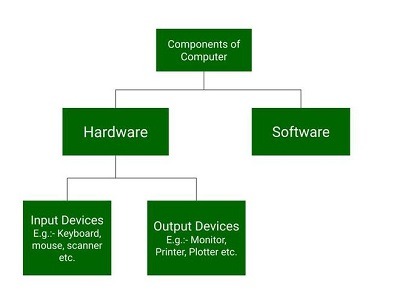
The concepts of hardware and software in the representation of data and information are fundamental in the field of computing. Hardware and software work together to process, store, and display data and information in various forms. Here’s an overview of these concepts:
Hardware:
- Input Devices: Hardware components such as keyboards, mice, scanners, and sensors capture data from the physical world and convert it into a format that computers can understand. For example, a keyboard translates keystrokes into text characters.
- Processing Units: Central Processing Units (CPU s) and Graphics Processing Units (GPU s) are the core processing units of a computer. They perform computations, execute instructions, and manipulate data.
- Memory and Storage: Random Access Memory (RAM) and storage devices (e.g., hard drives, solid-state drives) store data temporarily and permanently, respectively. RAM is used for active data processing, while storage devices hold data for the long term.
- Output Devices: Monitors, speakers, and printers are examples of output devices that convert data processed by the computer into human-readable or machine-readable forms.
- Network Devices: Hardware components like routers, switches, and network cards facilitate data exchange between computers over networks, including the internet.
- Sensors and Peripherals: Specialized hardware components like temperature sensors, cameras, and microphones gather data from the physical world for various applications, from environmental monitoring to video conferencing.
- Motherboard: The motherboard serves as the central circuit board that connects and facilitates communication among various hardware components.
Software:
- Operating System: The operating system (e.g., Windows, mac OS, Linux) is software that manages hardware resources and provides a platform for other software to run. It controls tasks such as memory management, file management, and device management.
- Applications and Software Programs: These are user-facing software that process and display data. Examples include web browsers, word processors, video editors, and games.
- Programming Languages: Software developers use programming languages like Python, Java, and C++ to write code that instructs the hardware on how to process and manipulate data.
- Databases: Database management systems (DBMS) store and manage structured data. They allow for efficient data retrieval, storage, and manipulation.
- Network Protocols: Network protocols (e.g., TC P/IP) are software rules and standards that govern data exchange over networks. They enable communication between computers and devices.
- Data Processing Algorithms: Software includes various algorithms that process and transform data, such as sorting algorithms, encryption algorithms, and data compression algorithms.
Representation of Data/Information:
- Binary Representation: Computers use binary code (0s and 1s) to represent data and information at the hardware level. This binary code represents electrical or optical signals that are either on (1) or off (0).
- Data Types: Data in software is categorized into various types, including integers, floating-point numbers, characters, and more. Each type has a specific representation in binary form.
- Character Encoding: Character encoding standards like ASCII, Unicode, and UT F-8 are used to represent characters from different languages and symbols in a digital format.
- Images, Audio, and Video: Media data is represented digitally using formats like JPEG, MP 3, and MP 4. Each format uses specific encoding techniques to store and transmit data efficiently.
- Structured Data: Databases and spreadsheets store structured data in tables and rows, allowing for organized and efficient retrieval.
- Metadata: Information about data, such as file attributes, creation dates, and authorship, is stored as metadata.
The interaction between hardware and software in the representation of data and information is at the core of computing, enabling the processing, storage, and communication of information in various digital formats. Understanding these concepts is essential for both users and developers in the world of technology.
What is required Concepts of Hardware and Software Representation of Data/ Information
To understand the concepts of hardware and software in the representation of data and information, you need a foundational knowledge of computer science and information technology. Here’s what’s required to grasp these concepts:
- Computer Fundamentals: Familiarize yourself with basic computer components and their functions, such as CPU s, memory, storage devices, input/output devices, and motherboards.
- Operating Systems: Gain an understanding of how operating systems like Windows, mac OS, and Linux manage hardware resources and facilitate software interaction with hardware.
- Programming Basics: Learn the fundamentals of programming, including variables, data types, control structures, and basic algorithms. This knowledge helps you understand how software manipulates data.
- Data Types and Representations: Study how different data types (e.g., integers, floating-point numbers, characters) are represented in binary and how character encoding (e.g., ASCII, Unicode) works.
- Software Development: Explore the software development process, including writing code, debugging, and testing. Understanding the software development life cycle is crucial for comprehending how software works with data.
- Networking Concepts: Get acquainted with networking principles, such as protocols, data packets, and network architecture. This is vital for understanding data transmission and communication.
- Database Basics: Learn the basics of databases, including data models, data management systems, and SQL (Structured Query Language) for data retrieval and manipulation.
- Multimedia Formats: Understand how images, audio, and video are encoded and decoded in digital formats (e.g., JPEG, MP 3, MP 4). Familiarize yourself with concepts like compression and codecs.
- Structured Data: Study structured data representation, focusing on databases, spreadsheets, and data models (e.g., relational databases).
- Metadata: Explore metadata and how it’s used to provide information about data, such as file attributes, timestamps, and data lineage.
- Security and Privacy: Be aware of security and privacy concerns related to data and information representation, including encryption, data protection, and privacy regulations.
- Information Systems: Understand the broader context of how data and information are used in various information systems, including business intelligence, decision support systems, and content management systems.
- Hands-On Practice: Apply your knowledge through hands-on activities, such as writing simple programs, working with data in databases, and configuring software and hardware settings.
- Keep Abreast of Technology Trends: Stay updated with emerging technologies and trends in data representation, such as advances in AI, IoT, and data analytics.
- Continuous Learning: Given the rapidly evolving nature of technology, commit to ongoing learning and exploration of new concepts and tools in the field.
By mastering these concepts and continuously expanding your knowledge, you’ll have a solid foundation for understanding how hardware and software work together to represent, process, and manage data and information in the digital world.
Who is required Concepts of Hardware and Software Representation of Data /Information
The concepts of hardware and software in the representation of data and information are essential for various individuals across different professional domains. Here’s who may require an understanding of these concepts:
- Computer Scientists and Engineers: Professionals in computer science and engineering need a deep understanding of hardware and software to design, develop, and optimize computer systems and applications.
- Software Developers and Programmers: Those working in software development and programming rely on these concepts to create software applications that process, store, and display data.
- IT Professionals: Information technology (IT) experts, including network administrators and system administrators, require knowledge of hardware and software for managing and maintaining computer systems and networks.
- Data Analysts and Data Scientists: Professionals working with data need to understand hardware and software concepts to manipulate and analyze data effectively.
- Database Administrators: Those responsible for managing databases must understand data storage, retrieval, and representation in both hardware and software systems.
- Web Developers: Web developers need to be aware of how data is transmitted, processed, and displayed on websites, often using both hardware and software resources.
- Computer Technicians: Technicians and support staff who troubleshoot and repair computer hardware and software issues need these concepts for diagnosing and solving problems.
- Business Professionals: Executives, managers, and business analysts benefit from understanding these concepts to make informed decisions about technology investments and strategies.
- Students and Educators: Students studying computer science, information technology, or related fields, as well as educators teaching these subjects, need a solid grasp of these fundamental concepts.
- Data Privacy and Security Professionals: Those working in data privacy and cyber security roles require knowledge of hardware and software representation of data to safeguard sensitive information.
- Content Creators: Designers, artists, and content creators may use hardware and software for digital media production and should understand data representation for creative work.
- Researchers and Scientists: Researchers in various scientific disciplines rely on data collection and analysis, often involving hardware and software tools.
- Healthcare Professionals: Healthcare professionals need to understand health information systems and the representation of patient data in electronic health records.
- Everyday Computer Users: General computer users benefit from a basic understanding of these concepts to troubleshoot minor issues, protect their data, and make informed software and hardware choices.
- Economists and Analysts: Professionals in economics and financial analysis use data and software tools for modeling and forecasting, requiring knowledge of data representation.
- Government and Policy Analysts: Professionals in government and policy analysis may deal with data-driven decision-making and need to understand the implications of data representation.
In today’s digital age, these concepts have become increasingly pervasive and relevant across a wide range of professions. Whether you work in technology, business, healthcare, or any other field, a foundational understanding of hardware and software representation of data and information can be highly beneficial.
When is required Concepts of Hardware and Software Representation of Data / Information
The concepts of hardware and software in the representation of data and information are required in various situations and scenarios. Here’s when a knowledge of these concepts is essential:
- Computer Setup and Maintenance: When setting up, configuring, or troubleshooting a computer system, an understanding of hardware and software is required. This includes hardware assembly, driver installations, and operating system maintenance.
- Software Development: For software developers and programmers, these concepts are essential for designing, coding, testing, and debugging software applications that manipulate and display data.
- Data Analysis and Research: Professionals involved in data analysis, research, and statistical modeling rely on these concepts to manage and process data effectively, whether in scientific research, business analytics, or social sciences.
- Database Management: Database administrators need a solid grasp of these concepts to design and manage database systems, ensure data integrity, and optimize query performance.
- Network Configuration and Administration: IT professionals responsible for setting up and managing networks must understand hardware components like routers, switches, and servers, as well as network protocols and software for network management.
- Cyber security and Data Privacy: Professionals in cyber security and data privacy need to understand hardware and software vulnerabilities to protect data and information from threats.
- Web Development: Web developers need these concepts to create websites, web applications, and web services that effectively represent and interact with data.
- Education and Training: In educational settings, educators and students require a foundation in hardware and software concepts to teach and learn about computing and information technology.
- Healthcare Information Systems: Healthcare professionals use electronic health records and healthcare information systems that rely on data representation and software applications to manage patient data.
- Multimedia Production: Content creators and digital artists utilize hardware and software to create multimedia content such as images, videos, and audio, often requiring a deep understanding of data representation.
- Data Visualization and Reporting: Professionals in data visualization, reporting, and dashboard creation use software tools to represent data in a meaningful and understandable way.
- Business Decision-Making: Business leaders and analysts rely on data and software applications for informed decision-making, strategic planning, and market analysis.
- Financial Modeling: Economists and financial analysts use data representation to build financial models and forecasts, often within specialized software applications.
- Government and Policy Analysis: Government officials and policy analysts use data to make informed decisions and shape policies, requiring knowledge of data representation and analysis.
- Consumer Technology Usage: Everyday computer users benefit from a basic understanding of these concepts for troubleshooting common issues, data protection, and making informed software and hardware choices.
- Research and Scientific Endeavors: Researchers and scientists in various fields use hardware and software to collect, analyze, and interpret data for their studies.
- Emerging Technologies: As new technologies like artificial intelligence (AI), the Internet of Things (Io T), and blockchain emerge, understanding hardware and software becomes crucial for adapting to and working with these innovations.
In a digital age where data and technology are pervasive, these concepts are required in a wide range of professions and everyday life situations. Whether you’re configuring a network, analyzing data, developing software, or making informed decisions, a strong foundation in hardware and software concepts is invaluable.
Where is required Concepts of Hardware and Software Representation of Data / Information
Concepts of hardware and software representation of data and information are required in various settings and locations. Here are some specific examples:
- Home Environments: Everyday computer users need these concepts when setting up and maintaining personal computers, resolving hardware or software issues, and managing data and information at home.
- Educational Institutions: Schools, colleges, and universities require these concepts in their computer science and information technology programs. Students and educators need to understand how computers represent and process data.
- IT Departments and Data Centers: IT professionals responsible for managing and maintaining computer systems, servers, and data centers require a deep understanding of hardware and software concepts to ensure the reliability and efficiency of IT infrastructure.
- Business and Corporate Environments: In business settings, these concepts are necessary for IT departments managing corporate networks, hardware, and software systems. Business analysts and decision-makers also use data to make informed choices.
- Healthcare Facilities: In healthcare, professionals working with electronic health records and health information systems rely on these concepts to manage patient data and ensure data accuracy and privacy.
- Web Development and Tech Companies: Web developers, software engineers, and employees in tech companies use these concepts to create, maintain, and optimize software applications, websites, and online services.
- Data Analytics and Research Firms: Companies and organizations specializing in data analytics, market research, and data-driven decision-making depend on these concepts to process and analyze data efficiently.
- Government and Public Sector: Government agencies and public sector organizations use these concepts for data management, policy analysis, and decision-making. They also rely on secure data representation and software to protect sensitive information.
- Creative and Media Industries: Professionals in creative fields like graphic design, video production, and audio engineering utilize hardware and software to produce multimedia content and require an understanding of data representation in digital media formats.
- Financial Services: Banks, investment firms, and financial institutions use data representation and software for managing financial data, modeling, and making investment decisions.
- Manufacturing and Industry: In manufacturing and industrial settings, these concepts are essential for controlling machinery and processes, managing inventory, and ensuring quality control.
- Research Laboratories: Scientific researchers in fields such as chemistry, physics, biology, and engineering require these concepts to collect, analyze, and represent experimental data accurately.
- Retail and E-commerce: Retailers and e-commerce businesses use data to track inventory, manage sales, and analyze customer behavior. Understanding data representation is crucial for effective data management.
- Entertainment and Gaming Industry: Professionals in the entertainment and gaming industries rely on hardware and software to create, render, and distribute content. This involves data representation in various media formats.
- Transportation and Logistics: Companies in transportation and logistics use data and software for route optimization, tracking shipments, and managing supply chain operations.
- Aerospace and Defense: Organizations in the aerospace and defense sectors require a deep understanding of hardware and software for developing and maintaining sophisticated systems.
- Emerging Technologies and Startups: Companies working with emerging technologies like AI, IoT, blockchain, and virtual reality need a strong foundation in these concepts to pioneer new solutions.
These examples demonstrate the broad applicability of hardware and software representation of data and information across various industries and settings, from everyday home use to specialized professional domains. Understanding these concepts is integral to efficient and effective data processing and technology utilization.
How is required Concepts of Hardware and Software Representation of Data /Information
A strong understanding of the concepts of hardware and software in the representation of data and information is required in several ways:
- Computer Troubleshooting: When hardware or software issues arise, this knowledge is essential to diagnose and resolve problems effectively. It allows you to identify whether an issue is hardware-related (e.g., faulty RAM) or software-related (e.g., a corrupted operating system).
- Data Management: Managing data involves organizing, storing, and retrieving information efficiently. Knowledge of data representation in databases, file systems, and data structures is crucial for data management.
- Security and Privacy: Protecting sensitive data and information is a top priority in many domains. Understanding how data is stored, transmitted, and secured is necessary for implementing effective security measures.
- Software Development: For software engineers and developers, these concepts are the foundation of creating and optimizing software applications. Knowing how to represent, manipulate, and process data is fundamental to software development.
- Data Analysis and Decision-Making: In business and research, data analysis is crucial for informed decision-making. Knowledge of data representation helps analysts and decision-makers interpret and draw insights from data.
- Networking and Communication: Understanding data transmission, network protocols, and hardware components used in networking is vital for configuring and maintaining computer networks.
- Web Development: Web developers must be proficient in HTML, CSS, JavaScript, and server-side scripting languages to create web pages that effectively represent and interact with data.
- Digital Media Production: Professionals in creative fields use hardware and software to produce digital media, including images, videos, and audio. Understanding data representation in multimedia formats is necessary for high-quality content creation.
- System Administration: System administrators need this knowledge to manage computer systems, including hardware maintenance, software updates, and system optimization.
- Healthcare Information Systems: Healthcare professionals rely on these concepts to navigate electronic health records, understand medical data representation, and maintain data integrity and patient privacy.
- Business Intelligence and Analytics: In the business world, data representation plays a key role in business intelligence and analytics, helping organizations extract valuable insights from data.
- Scientific Research: Researchers in various scientific fields use data representation to collect and analyze experimental data, helping advance scientific knowledge.
- E-commerce and Retail: In retail and e-commerce, data representation is crucial for inventory management, sales tracking, and customer insights.
- Finance and Investment: Professionals in the finance industry need to understand data representation for financial modeling, risk analysis, and investment decision-making.
- Government and Policy Analysis: Government agencies and policymakers use data representation to make data-driven decisions, formulate policies, and address societal issues.
- Emerging Technologies: In fields like artificial intelligence, the Internet of Things, blockchain, and virtual reality, a strong grasp of these concepts is essential for developing and deploying innovative solutions.
- Education and Training: Educators and students need to understand these concepts to teach and learn about computer science, information technology, and related subjects.
In summary, an understanding of hardware and software representation of data and information is required across a wide range of professions and domains. It underpins many aspects of modern life and technology, from troubleshooting computer issues to making data-driven decisions in various industries.
Case Study on Concepts of Hardware and Software Representation of Data / Information
Certainly, let’s explore a case study that illustrates the significance of hardware and software representation of data and information in a real-world scenario.
Case Study: Optimizing Data Representation in a Healthcare Information System
Background:
Health Tech Solutions is a healthcare technology company that provides a comprehensive healthcare information system (HIS) used by hospitals and clinics. The HIS serves as a centralized platform for managing patient data, medical records, appointments, and billing. The company faces challenges in ensuring data accuracy, system performance, and data security while handling a growing volume of patient information.
Challenges:
- Data Accuracy: Maintaining the accuracy and integrity of patient records is critical for patient safety and effective healthcare delivery.
- System Performance: The HIS experiences slow response times and occasional system crashes as the volume of patient data and concurrent users increase.
- Data Security and Compliance: Ensuring that patient data is secure and compliant with healthcare privacy regulations (e.g., HIPA A) is a top priority.
- Scalability: The system needs to scale to accommodate the growing number of healthcare facilities and patients.
Objectives:
- Efficient Data Representation: Improve the way patient data is stored and retrieved to enhance data accuracy and system performance.
- Enhanced Security: Implement stronger security measures to protect patient data and ensure compliance with healthcare privacy regulations.
- Scalability: Make the HIS more scal able to accommodate the growing number of healthcare facilities and patients.
Solutions:
1. Data Modeling and Storage:
Health Tech Solutions revises its data model to separate structured patient information (e.g., demographics, medical history) from unstructured data (e.g., medical images and notes). This optimized data storage reduces the complexity of patient records.
2. Database Optimization:
The company adopts database optimization techniques, such as indexing and query optimization, to improve data retrieval speed and reduce system latency.
3. Security Enhancements:
To enhance data security, the company implements robust encryption measures for data in transit and at rest. It also enforces strict access controls and regularly conducts security audits.
4. Scal able Infrastructure:
Health Tech Solutions migrates to a cloud-based infrastructure, allowing for seamless scalability to meet the growing demands of healthcare facilities. This ensures that the HIS can expand as new hospitals and clinics join the network.
5. User Training:
The company provides user training to healthcare professionals and administrators to ensure that data is input correctly and consistently, further improving data accuracy.
Results:
Following the implementation of these solutions, Health Tech Solutions achieved significant improvements:
- Data Accuracy: The optimized data model and user training contributed to a significant reduction in data entry errors, improving patient data accuracy.
- System Performance: Database optimization and cloud-based scalability resulted in faster system response times, reducing user frustration and enhancing patient care.
- Enhanced Security: Stronger security measures and privacy compliance helped protect patient data, ensuring HIP A A compliance and maintaining patients’ trust.
- Scalability: The HIS was able to scale seamlessly to accommodate new healthcare facilities and a growing patient population.
Lessons Learned:
This case study demonstrates that efficient hardware and software representation of data in a healthcare information system can significantly impact patient care, data security, and system performance. By optimizing data storage, implementing security measures, and ensuring scalability, Health Tech Solutions successfully addressed the challenges associated with managing a rapidly growing volume of patient information.
In this case, the proper representation of data through hardware and software played a pivotal role in improving healthcare services, ensuring data security, and accommodating growth. This illustrates the importance of efficient data representation in the healthcare industry and beyond.
White Paper on Concepts of Hardware and Software Representation of Data /Information
Creating a white paper on the concept of hardware and software representation of data/information is a comprehensive way to explore and explain the core principles and implications of this topic. Here’s an outline for a white paper titled “Efficient Data Representation: Unleashing the Power of Hardware and Software.”
White Paper: Efficient Data Representation
Unleashing the Power of Hardware and Software
Table of Contents:
- Abstract
- An overview of the white paper’s content and its importance in modern computing.
- Introduction
- The pivotal role of data representation in the digital age.
- The critical intersection of hardware and software in data representation.
- Chapter 1: Data Representation Fundamentals
- Exploring the core concepts of data representation.
- Binary representation and encoding standards.
- The significance of data types.
- Chapter 2: Hardware Aspects of Data Representation
- Hardware components and their roles in data representation.
- Central Processing Units (CPU s) and memory units.
- Input and output devices in data interaction.
- Chapter 3: Software Aspects of Data Representation
- The software’s role in data handling and manipulation.
- Operating systems, file systems, and data management.
- Programming languages and their impact on data representation.
- Chapter 4: The Synergy of Hardware and Software
- How hardware and software collaborate in efficient data representation.
- Examples of optimization strategies for data representation.
- Chapter 5: Data Representation in Specialized Fields
- Data representation in various industries, including healthcare, finance, and entertainment.
- Challenges and unique considerations in specialized fields.
- Chapter 6: Data Security and Privacy
- The critical role of secure data representation.
- Encryption, access controls, and data privacy regulations.
- Chapter 7: Future Trends and Challenges
- Exploring the future of data representation in computing.
- Addressing the challenges of big data, AI, and emerging technologies.
- Conclusion
- Summarizing the key takeaways and the enduring importance of efficient data representation.
- Recommendations
- Providing practical recommendations for businesses, organizations, and individuals on optimizing data representation.
- References
- Citing relevant research papers, articles, and resources that provide in-depth information on data representation.
This white paper serves as a comprehensive resource for understanding the interplay between hardware and software in efficient data representation. It explores the fundamental concepts, practical applications, and the evolving landscape of data representation in the digital era. It is a valuable reference for professionals, educators, and students seeking a deeper understanding of this essential aspect of modern computing.