
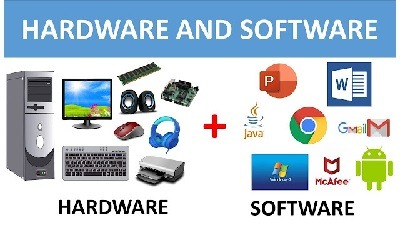
The representation of data and information is a fundamental aspect of computing, and it involves both hardware and software components. Innovations in this field have significantly contributed to the efficiency, speed, and capabilities of modern computing systems. Let’s explore the key concepts of hardware and software representation of data/information and how innovation has played a role:
Hardware Representation of Data/Information:
- Binary Representation:
- Concept: Information in computing is represented using binary digits (bits), which can be either 0 or 1.
- Innovation: The innovation in binary representation has been foundational to computing. Advances in hardware design have optimized the storage and processing of binary data, leading to faster and more efficient computation.
- Data Storage Devices:
- Concept: Hardware components like hard drives, solid-state drives (SSDs), and optical storage devices store data in various formats.
- Innovation: Innovations include increased storage capacities, faster read/write speeds, and the development of non-volatile memory technologies, such as NAND flash for SSDs.
- Memory Hierarchy:
- Concept: Computers have a memory hierarchy, including registers, cache, RAM (Random Access Memory), and secondary storage, each with different speeds and capacities.
- Innovation: Advancements in memory technology, such as the development of faster and more efficient RAM types (e.g., DDR4, DDR5), contribute to improved system performance.
- Processor Architecture:
- Concept: Central Processing Units (CPUs) execute instructions and manipulate data according to the architecture they follow.
- Innovation: Innovations include the development of multi-core processors, improved instruction sets, and architectures that enhance parallel processing capabilities.
Software Representation of Data/Information:
- Data Types:
- Concept: Software uses different data types (e.g., integers, floating-point numbers, strings) to represent various kinds of information.
- Innovation: Continuous innovation includes the introduction of new data types, optimization of existing ones, and the development of specialized data structures for efficient information storage and retrieval.
- Programming Languages:
- Concept: Programming languages provide a way to instruct computers on how to process and manipulate data.
- Innovation: Innovations involve the creation of new programming languages, improvements in existing languages, and the development of high-level languages that abstract low-level hardware details for easier programming.
- Data Compression:
- Concept: Data compression techniques reduce the size of data for efficient storage and transmission.
- Innovation: Innovations in compression algorithms lead to better compression ratios and faster compression/decompression processes, reducing storage requirements and improving data transfer speeds.
- Database Systems:
- Concept: Database systems organize and manage large volumes of structured data.
- Innovation: Innovations include the development of relational databases, NoSQL databases, and in-memory databases, providing diverse options for handling different types of data and workloads.
- Data Visualization:
- Concept: Representing data visually through charts, graphs, and dashboards enhances understanding.
- Innovation: Advances in data visualization tools and techniques improve the representation of complex datasets, aiding in decision-making and analysis.
- Machine Learning Models:
- Concept: Machine learning algorithms process and learn from data, making predictions or decisions.
- Innovation: Ongoing innovations in machine learning models enhance accuracy, efficiency, and the ability to handle diverse types of data, contributing to advancements in artificial intelligence.
Integration of Hardware and Software Innovation:
- Parallel Processing:
- Concept: Processing multiple instructions or tasks simultaneously to improve performance.
- Innovation: Innovations in both hardware (multi-core processors) and software (parallel programming techniques) enable efficient parallel processing, enhancing overall system performance.
- Quantum Computing:
- Concept: Leveraging the principles of quantum mechanics for computation, allowing for the representation of information in quantum bits (qubits).
- Innovation: Quantum computing represents a groundbreaking innovation, combining hardware advancements in quantum processors with innovative quantum algorithms for solving complex problems.
- Edge Computing:
- Concept: Processing data closer to the source (edge) rather than relying solely on centralized cloud computing.
- Innovation: Innovations in both hardware (edge devices) and software (edge computing frameworks) facilitate faster data processing, reduced latency, and improved efficiency in decentralized computing environments.
In summary, the representation of data/information involves a symbiotic relationship between hardware and software innovations. Advancements in both domains contribute to the continual improvement of computing systems, enabling faster, more efficient, and more capable data processing and manipulation.
The required concepts for the hardware and software representation of data/information innovation encompass a range of foundational principles and evolving technologies. Here are essential concepts in both hardware and software domains that drive innovation in the representation of data and information:
Hardware Representation of Data/Information:
- Binary Representation:
- Concept: The fundamental representation of data using binary digits (0s and 1s).
- Innovation: Ongoing innovations focus on optimizing binary representation for faster processing and efficient storage, including advancements in data encoding and compression techniques.
- Memory Technologies:
- Concept: Different types of memory, such as RAM, cache, and storage devices, store and retrieve data at varying speeds.
- Innovation: Continuous innovation involves the development of faster, more energy-efficient, and higher-capacity memory technologies, including non-volatile memory and emerging storage solutions like 3D XPoint.
- Processor Architecture:
- Concept: The structure and design of central processing units (CPUs) that execute instructions and manipulate data.
- Innovation: Innovations include the development of multi-core processors, improved instruction sets, and architectures optimized for specific types of computations (e.g., graphics processing units – GPUs).
- Data Processing Units:
- Concept: Specialized processing units designed for specific data-intensive tasks (e.g., graphics processing, artificial intelligence).
- Innovation: The creation of accelerators, such as graphics processing units (GPUs) and tensor processing units (TPUs), for tasks like machine learning and complex simulations.
- Parallel Processing:
- Concept: Simultaneously executing multiple tasks to improve computational speed.
- Innovation: Innovations focus on enhancing parallel processing capabilities through advancements in hardware architecture, interconnectivity, and parallel programming models.
Software Representation of Data/Information:
- Data Types and Structures:
- Concept: Different types of data (integers, strings, arrays) and structures (lists, trees, graphs) used in software to represent information.
- Innovation: Continuous innovation involves the development of new data structures and optimizations to efficiently store and retrieve data.
- Programming Languages:
- Concept: Languages used to write software programs that manipulate and process data.
- Innovation: Innovations include the creation of new programming languages, improvements in existing languages, and the development of high-level languages for easier abstraction.
- Algorithms:
- Concept: Step-by-step procedures or formulas for solving computational problems.
- Innovation: Advances in algorithm design contribute to more efficient data processing, sorting, searching, and optimization, impacting various applications.
- Data Compression and Encoding:
- Concept: Techniques to reduce the size of data for efficient storage and transmission.
- Innovation: Innovations in compression algorithms and encoding methods improve the balance between data size and processing speed.
- Database Management Systems (DBMS):
- Concept: Software systems for organizing, managing, and retrieving structured data.
- Innovation: Evolution of database technologies includes the development of relational databases, NoSQL databases, and distributed database systems.
- Machine Learning Models:
- Concept: Algorithms that enable machines to learn patterns and make predictions from data.
- Innovation: Advances in machine learning models involve the development of new algorithms, optimization techniques, and frameworks for training and deploying models.
Integration of Hardware and Software Innovation:
- Quantum Computing:
- Concept: Leveraging principles of quantum mechanics for computation, representing information using quantum bits (qubits).
- Innovation: Quantum computing innovations involve the development of quantum processors and algorithms, requiring a symbiotic relationship between hardware and software advancements.
- Edge Computing:
- Concept: Processing data closer to the source or point of use rather than relying solely on centralized cloud computing.
- Innovation: Integrating edge computing involves innovations in both hardware (edge devices) and software (edge computing frameworks) for decentralized data processing.
- Internet of Things (IoT):
- Concept: Interconnected devices that collect and exchange data.
- Innovation: Both hardware (sensors, actuators) and software (IoT platforms) innovations enable efficient data representation, communication, and analysis in IoT ecosystems.
- Data Visualization and User Interfaces:
- Concept: Representing complex data in a visual format for easier interpretation.
- Innovation: Advancements in data visualization tools and user interfaces contribute to improved user experiences and decision-making.
- Artificial Intelligence and Neural Networks:
- Concept: Algorithms inspired by the human brain for tasks such as pattern recognition and decision-making.
- Innovation: Hardware innovations include specialized accelerators (e.g., TPUs) and software innovations in neural network architectures and training methodologies.
In summary, the required concepts for hardware and software representation of data/information innovation are diverse, covering foundational principles such as binary representation and algorithm design, as well as cutting-edge technologies like quantum computing and artificial intelligence. Ongoing collaboration between hardware and software innovation is essential for pushing the boundaries of what is possible in data processing and information representation.
The concept of hardware and software representation of data/information innovation is relevant and required for a diverse range of professionals across various industries. Individuals in roles that involve system design, development, optimization, and decision-making benefit from understanding these concepts. Here’s a breakdown of who requires these concepts:
- Computer Scientists and Engineers:
- Role: Involved in designing and developing computer systems.
- Why: Understanding hardware and software representation is crucial for optimizing system performance, designing efficient algorithms, and developing robust software applications.
- Software Developers and Programmers:
- Role: Create software applications and programs.
- Why: These professionals need to optimize code for data processing efficiency, choose appropriate data structures, and understand how software interacts with hardware.
- Database Administrators:
- Role: Manage and optimize databases.
- Why: Concepts of data representation are essential for designing efficient database structures, indexing, and ensuring fast data retrieval.
- Data Scientists and Analysts:
- Role: Analyze and derive insights from data.
- Why: Understanding how data is represented and processed is fundamental for accurate analysis and interpretation of data.
- Information Technology (IT) Professionals:
- Role: Oversee implementation and management of IT systems.
- Why: Knowledge of hardware and software representation is crucial for making informed decisions about technology infrastructure and ensuring optimal system performance.
- System Architects:
- Role: Design the overall structure and functionality of complex systems.
- Why: Concepts of hardware and software representation are foundational for designing efficient and scalable systems.
- Network Engineers:
- Role: Design and manage data communication networks.
- Why: Understanding data representation is important for optimizing data transmission over networks and ensuring efficient network communication.
- Artificial Intelligence (AI) and Machine Learning (ML) Professionals:
- Role: Develop algorithms and models for AI and ML applications.
- Why: These professionals need to optimize data representation for effective model training and inference.
- Cybersecurity Professionals:
- Role: Focus on securing hardware, software, and data.
- Why: Knowledge of data encryption, secure coding practices, and hardware security features is essential for implementing robust cybersecurity measures.
- User Interface (UI) and User Experience (UX) Designers:
- Role: Design interfaces for users to interact with software applications.
- Why: Understanding data representation contributes to designing intuitive and user-friendly interfaces.
- Researchers and Academics:
- Role: Engage in research and education in computer science and related fields.
- Why: Concepts of hardware and software representation are fundamental for teaching and conducting research in these domains.
- Decision Makers and IT Managers:
- Role: Make strategic decisions about technology adoption and implementation.
- Why: Understanding these concepts helps in making informed decisions about technology investments and ensuring alignment with organizational goals.
In summary, a wide range of professionals in the fields of computer science, information technology, and related disciplines require a solid understanding of concepts related to hardware and software representation of data/information innovation. These concepts are foundational for designing, developing, and optimizing technology solutions in diverse industries.
The concepts of hardware and software representation of data/information innovation are required in various scenarios and stages of the technology development lifecycle. Here are key instances when these concepts are essential:
- System Design and Architecture:
- When: During the initial design phase of computer systems.
- Why: Concepts of hardware and software representation are critical for architects to design efficient and scalable systems. Decisions made during this phase have long-lasting impacts on system performance.
- Software Development:
- When: Throughout the software development lifecycle.
- Why: Software developers need a deep understanding of data types, structures, and algorithms for writing efficient code. The choice of data representation impacts the performance, memory usage, and overall effectiveness of software applications.
- Database Design:
- When: When designing and optimizing databases.
- Why: Database administrators and designers require knowledge of data structures, indexing, and storage formats to design databases that facilitate quick and efficient data retrieval.
- Data Science and Analysis:
- When: In data preprocessing and analysis stages.
- Why: Data scientists need to choose appropriate data types, handle missing or corrupted data, and apply suitable algorithms for effective analysis. Understanding the principles of data representation is crucial for accurate insights.
- Network Communication:
- When: When designing communication protocols and networks.
- Why: Network engineers need to consider data encoding, compression, and transmission protocols for efficient and secure data transfer over networks.
- Embedded Systems Development:
- When: In the development of embedded systems and IoT devices.
- Why: Developers working on embedded systems must optimize data representation for resource-constrained environments, considering factors like memory usage, processing power, and energy efficiency.
- AI and Machine Learning Model Development:
- When: During the design and training of machine learning models.
- Why: AI and machine learning professionals must understand data representation in the context of feature engineering, normalization, and encoding for effective model training and inference.
- Cybersecurity Implementation:
- When: In the implementation of cybersecurity measures.
- Why: Cybersecurity professionals need to understand data encryption, secure coding practices, and hardware security features to protect data and systems from unauthorized access and cyber threats.
- User Interface and Experience Design:
- When: During the design of user interfaces and experiences.
- Why: Designers must consider how data is presented to users for effective communication. Understanding data visualization principles is crucial for creating intuitive and user-friendly interfaces.
- Technology Evaluation and Adoption:
- When: When assessing new technologies and innovations.
- Why: Decision-makers need to understand the underlying concepts of hardware and software representation to evaluate the potential of emerging technologies and make informed decisions about their adoption.
- Continuous Improvement and Optimization:
- When: Throughout the lifecycle of a technology or system.
- Why: Ongoing innovation and optimization require a deep understanding of data representation concepts to identify areas for improvement, enhance performance, and stay abreast of evolving technology trends.
In essence, the concepts of hardware and software representation of data/information innovation are required at various stages, from the initial design to continuous improvement, across diverse domains and applications in the technology landscape.
The concepts of hardware and software representation of data/information innovation are required in various industries, sectors, and specific contexts where technology plays a crucial role. Here are some specific areas where these concepts are essential:
- Information Technology (IT) Industry:
- Where: In IT companies developing software, hardware, and integrated systems.
- Why: These concepts are fundamental for creating efficient software applications, designing robust hardware infrastructure, and optimizing the overall performance of IT solutions.
- Computer Hardware Design and Manufacturing:
- Where: In companies involved in the design and manufacturing of computer hardware components.
- Why: Hardware representation concepts are vital for creating processors, memory modules, storage devices, and other hardware components that meet the demands of modern computing.
- Database Management and Data Warehousing:
- Where: In organizations managing large databases and data warehouses.
- Why: Efficient data representation is crucial for optimizing database performance, ensuring fast data retrieval, and supporting analytical queries in data warehouse environments.
- Data Science and Analytics Companies:
- Where: In organizations focused on data analysis, machine learning, and artificial intelligence.
- Why: These concepts are essential for data scientists and analysts to process and analyze large datasets, build effective machine learning models, and derive meaningful insights.
- Networking and Telecommunications:
- Where: In industries involved in networking and telecommunications infrastructure.
- Why: Understanding data representation is critical for designing communication protocols, optimizing data transmission over networks, and ensuring efficient data flow in telecommunications systems.
- Cybersecurity Companies:
- Where: In organizations providing cybersecurity solutions and services.
- Why: Concepts of hardware and software representation are crucial for developing secure coding practices, implementing encryption algorithms, and protecting sensitive data from cyber threats.
- Embedded Systems and IoT Development:
- Where: In industries developing embedded systems and IoT devices.
- Why: Optimizing data representation is essential for resource-constrained environments, ensuring efficient operation in devices with limited processing power and memory.
- Healthcare Technology:
- Where: In the healthcare industry leveraging technology for medical data management and analysis.
- Why: Data representation concepts are vital for managing electronic health records, medical imaging data, and facilitating data-driven healthcare solutions.
- Financial Technology (Fintech):
- Where: In the fintech sector developing financial software and solutions.
- Why: These concepts are important for processing financial data, ensuring data security, and building robust financial systems.
- Automotive and Aerospace Industries:
- Where: In industries developing automotive and aerospace technologies.
- Why: Data representation is crucial for optimizing the performance of embedded systems in vehicles, aircraft, and other transportation systems.
- Educational and Research Institutions:
- Where: In academic and research settings focused on computer science, information technology, and data science.
- Why: These concepts form the foundation for educating students and conducting research in the fields of hardware design, software development, and data science.
- Government and Defense:
- Where: In government agencies and defense organizations.
- Why: Understanding data representation is critical for secure communication, data encryption, and the development of technology solutions for defense applications.
In summary, the concepts of hardware and software representation of data/information innovation are required across a diverse range of industries where technology plays a central role. These concepts are fundamental for developing cutting-edge solutions, optimizing system performance, and addressing the unique challenges within each industry.
The requirement for concepts related to the hardware and software representation of data/information innovation is driven by the need to continually improve the efficiency, performance, and capabilities of computing systems. Here’s how these concepts are required and contribute to innovation:
Hardware Representation of Data/Information:
- Processor Optimization:
- How: Concepts of hardware representation are crucial for optimizing processor architectures. Innovations in instruction sets, parallel processing, and pipelining contribute to faster and more efficient data processing.
- Memory Efficiency:
- How: Understanding data representation helps in designing memory systems that are both high-capacity and fast. Innovations in memory technologies, such as non-volatile memory and high-bandwidth memory, enhance data storage and retrieval.
- Storage Innovations:
- How: Innovations in data representation concepts contribute to the development of high-capacity, fast, and reliable storage devices. This includes advancements in hard drives, solid-state drives, and emerging storage technologies.
- Quantum Computing:
- How: Concepts related to quantum bits (qubits) and quantum data representation are fundamental to the innovation in quantum computing. Quantum computers leverage the principles of quantum mechanics for unprecedented processing capabilities.
- Hardware Security:
- How: Hardware-based security features, including secure enclaves and cryptographic accelerators, rely on innovative data representation techniques to safeguard sensitive information and prevent unauthorized access.
Software Representation of Data/Information:
- Algorithmic Efficiency:
- How: Concepts of software representation contribute to the design of algorithms that process data efficiently. Innovations in algorithmic efficiency lead to faster computations and reduced resource usage.
- Database Optimization:
- How: Database systems benefit from innovations in data representation to optimize storage, indexing, and retrieval. Advances in database management systems (DBMS) enhance the overall performance of data storage and querying.
- Machine Learning Model Optimization:
- How: Data representation concepts are crucial for feature engineering and model optimization in machine learning. Innovations in model architectures and training methodologies contribute to better accuracy and efficiency.
- Data Visualization Techniques:
- How: Innovations in data visualization leverage concepts of representing information in a visually comprehensible manner. This enhances the interpretation of complex datasets and aids in decision-making.
- Programming Language Advancements:
- How: Concepts of data representation influence the design of programming languages. Innovations in programming languages focus on abstraction, ease of use, and efficient manipulation of data structures.
- Security in Software:
- How: Secure coding practices, encryption algorithms, and data integrity mechanisms are essential aspects of software security. Innovations in these areas rely on advanced concepts of data representation to protect against cyber threats.
- Data Compression and Encoding:
- How: Innovations in data compression and encoding techniques contribute to efficient storage and transmission of information. These concepts are vital for optimizing bandwidth usage and reducing storage requirements.
- User Interface Design:
- How: Concepts related to data representation impact the design of user interfaces. Innovations in user experience design focus on presenting information in a way that is intuitive, accessible, and visually appealing.
Integration of Hardware and Software Innovation:
- Parallel Processing and Distributed Computing:
- How: Concepts of hardware and software representation are integrated for efficient parallel processing and distributed computing. Innovations in this space leverage both hardware advancements (multi-core processors) and software optimizations (parallel algorithms).
- Edge Computing:
- How: Hardware innovations in edge devices and software frameworks for edge computing collaborate to bring processing closer to the data source. This integration is driven by the need for low-latency, real-time data processing.
- Artificial Intelligence Integration:
- How: Concepts related to data representation are fundamental in the integration of hardware accelerators (e.g., TPUs) with software frameworks for artificial intelligence. This collaboration enhances the performance of AI applications.
In summary, the required concepts of hardware and software representation of data/information are integral to the innovation process. They are essential for optimizing system performance, ensuring data security, and developing technologies that can handle the increasing complexity and scale of modern computing. Innovations in these areas drive advancements in a wide range of industries and applications.
Case Study: Optimizing Data Processing Efficiency through Hardware and Software Representation Innovations
Objective: A multinational e-commerce platform aimed to enhance its data processing efficiency to meet the growing demand for real-time analytics, personalized recommendations, and improved customer experiences. The focus was on leveraging innovative concepts in both hardware and software representation to achieve optimal performance.
1. Hardware Representation Innovations:
Challenge: The existing server infrastructure struggled to handle the increasing volume of transaction data, resulting in delays in processing and analyzing customer behavior.
Innovations Implemented:
- Quantum-Inspired Processors:
- Introduced quantum-inspired processors to explore parallelism in data processing, leveraging the principles of quantum computing for specific tasks like recommendation algorithms.
- Memory-Centric Architecture:
- Adopted a memory-centric architecture to minimize data transfer bottlenecks. This involved optimizing memory hierarchies, introducing high-bandwidth memory modules, and enhancing cache management.
- Secure Processing Units:
- Implemented secure processing units with built-in encryption capabilities to protect sensitive customer data, ensuring a balance between data security and computational efficiency.
2. Software Representation Innovations:
Challenge: Existing algorithms struggled to efficiently process and extract meaningful insights from the vast dataset, limiting the platform’s ability to provide timely recommendations.
Innovations Implemented:
- Algorithmic Optimization:
- Redesigned recommendation algorithms by optimizing data structures and enhancing the efficiency of key data processing steps, reducing the computational complexity and improving real-time performance.
- Distributed Computing Frameworks:
- Adopted distributed computing frameworks to parallelize data processing tasks. This allowed the platform to scale horizontally, accommodating the growing data volume and optimizing resource utilization.
- Data Compression Techniques:
- Implemented advanced data compression techniques to reduce the storage footprint of historical transaction data, enabling faster retrieval and analysis. This involved the use of innovative compression algorithms tailored to e-commerce data patterns.
3. Integration and Results:
Integration of Hardware and Software Innovations:
- The quantum-inspired processors were seamlessly integrated with the distributed computing frameworks, creating a symbiotic relationship between hardware and software for enhanced parallelism and computational efficiency.
Results:
- Real-time Analytics:
- Achieved a significant reduction in the time required for real-time analytics, enabling the platform to provide instant insights into customer behavior, popular products, and market trends.
- Personalized Recommendations:
- The optimized algorithms, combined with enhanced processing capabilities, led to highly accurate and personalized product recommendations for users, improving user engagement and conversion rates.
- Improved Scalability:
- The memory-centric architecture and distributed computing frameworks contributed to improved scalability. The platform could seamlessly handle increased user traffic during peak periods without sacrificing performance.
- Enhanced Data Security:
- The integration of secure processing units ensured that customer data remained protected throughout the processing pipeline, instilling confidence in users regarding data privacy and security.
4. Future Considerations:
Continuous Innovation:
- The e-commerce platform continues to invest in research and development to explore emerging technologies such as neuromorphic computing and advanced encryption techniques. Ongoing innovation ensures that the platform remains at the forefront of data processing efficiency.
Sustainable Practices:
- As part of a commitment to environmental sustainability, the platform explores energy-efficient hardware solutions and implements data storage practices that minimize the overall carbon footprint associated with data processing.
White Paper: “Innovations in Hardware and Software Representation for Optimized Data Processing”
Abstract: This white paper explores the cutting-edge concepts and innovations in the representation of data and information, emphasizing the symbiotic relationship between hardware and software advancements. As organizations increasingly rely on data-driven insights, the optimization of data processing becomes paramount. We delve into the latest developments that harness the power of both hardware and software to achieve unprecedented efficiency, security, and scalability.
1. Introduction: The Data Processing Imperative
In the digital age, data has become the lifeblood of organizations, driving decision-making, personalization, and innovation. However, the sheer volume and complexity of data pose challenges that demand innovative solutions. This paper explores how advancements in hardware and software representation address these challenges and pave the way for optimized data processing.
2. Hardware Representation Innovations
2.1 Quantum-Inspired Processing:
- Concept: Harnessing principles from quantum computing to revolutionize data processing tasks.
- Innovation: Quantum-inspired processors optimize parallelism, enhancing the speed and efficiency of specific algorithms such as machine learning and encryption.
2.2 Memory-Centric Architecture:
- Concept: Placing memory at the forefront of system design to minimize data transfer bottlenecks.
- Innovation: Memory-centric architectures optimize data storage, retrieval, and processing, resulting in improved computational efficiency and reduced latency.
2.3 Secure Processing Units:
- Concept: Integrating hardware-based security features into processing units.
- Innovation: Secure processing units safeguard sensitive data through built-in encryption capabilities, ensuring data security without compromising computational performance.
3. Software Representation Innovations
3.1 Algorithmic Optimization:
- Concept: Rethinking algorithms to enhance computational efficiency and reduce complexity.
- Innovation: Optimized algorithms improve the speed and accuracy of data processing, particularly in areas such as real-time analytics and personalized recommendations.
3.2 Distributed Computing Frameworks:
- Concept: Leveraging distributed computing to parallelize data processing tasks.
- Innovation: Distributed frameworks enhance scalability and resource utilization, allowing organizations to efficiently process vast datasets.
3.3 Data Compression Techniques:
- Concept: Reducing data storage requirements through advanced compression algorithms.
- Innovation: Innovations in data compression lead to more efficient storage and faster retrieval, especially crucial in scenarios with large historical datasets.
4. Integration and Synergy
4.1 Quantum-Inspired Processors and Distributed Computing:
- Quantum-inspired processors seamlessly integrated with distributed computing frameworks for enhanced parallelism and computational efficiency.
4.2 Memory-Centric Architecture and Algorithmic Optimization:
- Memory-centric architecture complements algorithmic optimizations, resulting in a cohesive approach to fast and efficient data processing.
5. Real-world Applications and Case Studies
5.1 E-commerce Platform Optimization:
- A detailed case study illustrating how a multinational e-commerce platform achieved real-time analytics, personalized recommendations, and improved scalability through innovative hardware and software representation.
6. Future Considerations and Sustainability
6.1 Continuous Innovation:
- Ongoing research and development in emerging technologies, such as neuromorphic computing, to ensure sustained innovation.
6.2 Sustainable Practices:
- Exploring energy-efficient hardware solutions and environmentally friendly data storage practices.
7. Conclusion: Shaping the Future of Data Processing
As organizations navigate the data-centric landscape, innovations in hardware and software representation emerge as critical drivers of success. By continually pushing the boundaries of what is possible, the integration of quantum-inspired processors, memory-centric architectures, and algorithmic optimizations is reshaping the landscape of optimized data processing. This white paper serves as a guide for organizations seeking to harness these innovations for a more efficient, secure, and scalable future.