
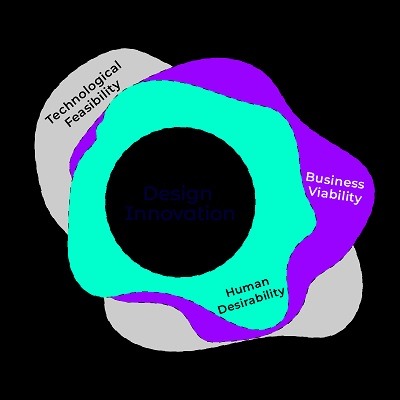
Designing innovation involves intentionally creating an environment, processes, and practices that foster and support the development of new and creative ideas. It goes beyond the concept of serendipitous discoveries and embraces a systematic approach to encourage, nurture, and implement innovative solutions. Here are key aspects to consider when designing innovation:
1. Cultural Considerations:
a. Foster a Culture of Creativity:
- Encourage a work culture that values and rewards creativity. Create an environment where employees feel empowered to share and explore new ideas without fear of failure.
b. Diversity and Inclusion:
- Embrace diversity in the team. Different perspectives, backgrounds, and experiences can lead to a richer pool of ideas and innovative solutions.
c. Risk Tolerance:
- Cultivate a culture that tolerates calculated risks. Innovation often involves stepping into uncharted territory, and a fear of failure can stifle creative thinking.
2. Organizational Structure:
a. Cross-Functional Collaboration:
- Break down silos and encourage collaboration between different departments. Cross-functional teams can bring diverse skills and viewpoints to the innovation process.
b. Innovation Teams:
- Designate specific teams or individuals responsible for innovation. These teams can focus on exploring new ideas and technologies without being constrained by day-to-day operational tasks.
3. Processes and Methodologies:
a. Design Thinking:
- Adopt design thinking methodologies to understand and solve complex problems from the perspective of end-users. This human-centered approach can lead to more impactful and user-friendly innovations.
b. Agile Methodologies:
- Implement agile methodologies to promote flexibility and responsiveness in the development process. Agile allows for iterative development, rapid prototyping, and quick adaptation to changing requirements.
c. Open Innovation:
- Embrace open innovation by collaborating with external partners, startups, and research institutions. This approach can bring fresh ideas and expertise into the organization.
4. Physical and Virtual Spaces:
a. Innovation Labs:
- Design physical spaces, like innovation labs, where teams can collaborate, brainstorm, and experiment with new ideas. These spaces should be equipped with the necessary tools and technologies.
b. Virtual Collaboration Platforms:
- Implement virtual collaboration platforms to facilitate remote innovation. Cloud-based tools can enable teams to collaborate seamlessly, irrespective of their physical locations.
5. Recognition and Rewards:
a. Recognition Programs:
- Establish recognition programs that celebrate and reward innovative efforts. Acknowledging and rewarding innovation reinforces its value within the organization.
b. Incentives for Risk-Taking:
- Provide incentives for employees who take calculated risks and contribute to successful innovations. This can be in the form of promotions, bonuses, or other recognition.
6. Continuous Learning:
a. Training and Development:
- Invest in training programs that enhance creative thinking, problem-solving, and technical skills. Continuous learning ensures that employees are equipped to contribute to innovation.
b. Knowledge Sharing:
- Create platforms for knowledge sharing and encourage employees to share insights and lessons learned from both successes and failures.
7. Technology Adoption:
a. Innovation Tools:
- Integrate digital tools and technologies that support the innovation process. This can include project management tools, collaboration platforms, and emerging technologies relevant to the industry.
b. Data-Driven Innovation:
- Leverage data analytics and insights to identify market trends, customer preferences, and areas for improvement. Data-driven decision-making can guide innovation efforts.
8. Customer Feedback and Involvement:
a. User Feedback Loops:
- Establish continuous feedback loops with customers. Actively seek input on existing products/services and involve them in the ideation process for new offerings.
b. Co-Creation:
- Explore co-creation initiatives where customers collaborate directly with the organization in the development of products or services.
9. Sustainability and Social Responsibility:
a. Innovate for Sustainability:
- Integrate sustainability into the innovation process. Consider environmental impact and social responsibility in product design and development.
b. Corporate Social Responsibility (CSR):
- Align innovation efforts with corporate social responsibility goals. Innovations that contribute to societal well-being can enhance the brand and resonate with customers.
10. Leadership Support:
a. Leadership Vision:
- Leadership should communicate a clear vision for innovation and actively support and participate in the innovation process. A supportive leadership fosters a culture of innovation throughout the organization.
b. Resource Allocation:
- Allocate resources, including budget and personnel, to support innovation initiatives. Ensure that teams have the necessary resources to experiment and bring ideas to fruition.
Designing innovation requires a holistic and intentional approach that considers people, processes, and the overall organizational culture. By fostering an environment that values creativity, embraces diversity, and encourages continuous learning, organizations can position themselves for sustained innovation and long-term success.
Designing innovation involves a combination of strategic planning, cultural considerations, processes, and the utilization of various tools and methodologies. Here’s a breakdown of what is required for designing innovation:
1. Strategic Vision:
- Clear Objectives: Define clear and measurable objectives for innovation aligned with the overall business strategy.
- Long-Term Perspective: Adopt a long-term perspective that sees innovation as an ongoing process rather than a one-time effort.
2. Cultural Considerations:
- Cultivate a Culture of Innovation: Foster a work environment that encourages and rewards creativity, risk-taking, and continuous learning.
- Leadership Support: Ensure that leadership actively supports and participates in fostering a culture of innovation.
3. Organizational Structure:
- Cross-Functional Collaboration: Break down silos and encourage collaboration between different departments and teams.
- Dedicated Innovation Teams: Consider establishing dedicated teams or individuals responsible for innovation initiatives.
4. Processes and Methodologies:
- Design Thinking: Implement design thinking methodologies to understand user needs and develop human-centric solutions.
- Agile Methodologies: Adopt agile methodologies for flexibility, rapid prototyping, and iterative development.
- Open Innovation: Explore open innovation models, collaborating with external partners and leveraging external expertise.
5. Physical and Virtual Spaces:
- Innovation Labs: Design physical spaces like innovation labs that facilitate creativity, brainstorming, and experimentation.
- Virtual Collaboration Platforms: Implement virtual collaboration tools to support remote innovation and teamwork.
6. Recognition and Rewards:
- Recognition Programs: Establish programs that recognize and reward innovative efforts to reinforce their value.
- Incentives for Risk-Taking: Provide incentives for employees who take calculated risks and contribute to successful innovations.
7. Continuous Learning:
- Training Programs: Invest in training programs that enhance creative thinking, problem-solving, and technical skills.
- Knowledge Sharing: Create platforms for knowledge sharing and encourage employees to share insights and lessons learned.
8. Technology Adoption:
- Innovation Tools: Integrate digital tools and technologies that support the innovation process, including project management tools and collaboration platforms.
- Data-Driven Approaches: Leverage data analytics and insights for informed decision-making in the innovation process.
9. Customer Feedback and Involvement:
- User Feedback Loops: Establish mechanisms for continuous feedback from customers to inform and improve innovation efforts.
- Co-Creation Initiatives: Explore opportunities for co-creation with customers to involve them directly in the innovation process.
10. Sustainability and Social Responsibility:
- Innovate for Sustainability: Integrate sustainability into the innovation process, considering environmental impact and social responsibility.
- CSR Alignment: Align innovation efforts with Corporate Social Responsibility (CSR) goals for societal well-being.
11. Leadership Support:
- Leadership Vision: Clearly communicate a vision for innovation, emphasizing its strategic importance to the organization.
- Resource Allocation: Allocate resources, including budget and personnel, to support innovation initiatives.
12. Flexibility and Adaptability:
- Embrace Change: Foster a mindset that embraces change and adapts to evolving market conditions and technological advancements.
13. Risk Management:
- Calculated Risk-Taking: Encourage a culture of calculated risk-taking, where failures are seen as learning opportunities rather than deterrents.
14. Communication Channels:
- Transparent Communication: Ensure transparent communication about the importance of innovation, ongoing initiatives, and their impact on the organization.
15. Ethical Considerations:
- Ethical Guidelines: Establish ethical guidelines to guide innovation efforts, ensuring that new solutions align with ethical standards and legal requirements.
16. Strategic Partnerships:
- External Collaborations: Explore strategic partnerships with external organizations, startups, or research institutions to leverage external expertise and resources.
17. Monitoring and Evaluation:
- Key Performance Indicators (KPIs): Define and track key performance indicators to measure the success and impact of innovation initiatives.
Designing innovation is a multifaceted process that involves a combination of cultural, structural, and procedural elements. By carefully considering these factors and creating an environment that nurtures creativity and adaptability, organizations can establish a framework for sustained innovation and growth.
Designing innovation involves the collaboration of various individuals and teams within an organization. The following stakeholders are typically required to contribute to the process of designing innovation:
- Leadership Team:
- Vision Setting: Executives and top-level management are required to set a clear vision for innovation, aligning it with the overall business strategy.
- Resource Allocation: Leadership is responsible for allocating the necessary resources, including budget and personnel, to support innovation initiatives.
- Innovation Teams:
- Dedicated Teams: Organizations often establish dedicated innovation teams or appoint individuals with the responsibility of driving innovation initiatives.
- Cross-Functional Collaboration: Teams from different functional areas collaborate to bring diverse perspectives and expertise to the innovation process.
- Employees at All Levels:
- Creativity and Input: Every employee is encouraged to contribute ideas and innovative solutions. A culture that values input from all levels fosters a more inclusive and dynamic innovation environment.
- Continuous Learning: Employees engage in continuous learning programs to enhance their creative thinking, problem-solving, and technical skills.
- Customers and End-Users:
- Feedback and Co-Creation: Customer feedback is crucial for understanding needs and preferences. In some cases, organizations involve customers directly in the co-creation of products and services.
- External Partners:
- Collaborative Partnerships: Organizations may collaborate with external partners, such as startups, research institutions, or other companies, to leverage external expertise and resources.
- Open Innovation: Engaging in open innovation involves seeking external ideas and technologies to complement internal efforts.
- Human Resources (HR) and Training Departments:
- Talent Development: HR plays a role in talent development, ensuring that employees have access to training programs that enhance their innovation-related skills.
- Recognition Programs: HR may be involved in designing and implementing recognition programs that reward and celebrate innovative contributions.
- Technology and IT Teams:
- Digital Tools and Platforms: Technology teams are involved in implementing digital tools and platforms that support innovation processes, including collaboration tools, project management systems, and analytics platforms.
- Legal and Compliance Teams:
- Ethical and Legal Considerations: Legal teams are required to ensure that innovation efforts comply with ethical standards and legal requirements. This is particularly important in industries with regulatory considerations.
- Marketing and Communications Teams:
- Communication Strategies: Marketing and communications teams play a role in communicating the importance of innovation, ongoing initiatives, and the impact on the organization to both internal and external stakeholders.
- Quality Assurance and Testing Teams:
- Prototyping and Testing: Quality assurance and testing teams may be involved in the prototyping and testing phases of new products or services to ensure they meet quality standards.
- Financial Teams:
- Financial Planning: Financial teams contribute to the planning and budgeting for innovation initiatives, ensuring that there are adequate financial resources allocated to support innovation projects.
- Sustainability Teams:
- Sustainable Innovation: In organizations with a focus on sustainability, dedicated teams may be involved in integrating sustainability principles into the innovation process.
- Change Management Teams:
- Adaptation and Change: Change management teams play a role in helping the organization adapt to the changes brought about by innovation. They ensure that employees are prepared for and supportive of innovative initiatives.
Successful innovation requires a collaborative effort involving individuals and teams from various departments and levels of the organization. It’s a holistic approach that incorporates diverse perspectives and skills to drive meaningful and impactful change.
Designing innovation is an ongoing and iterative process that is required at various stages throughout the lifecycle of a business or a product/service. Here are key scenarios and stages where designing innovation is particularly crucial:
1. Strategic Planning:
- When Setting Business Goals: Before or during strategic planning sessions, organizations should consider how innovation aligns with their long-term business goals.
2. Product Development:
- At the Inception of New Products/Services: Designing innovation is crucial during the early stages of conceiving new products or services to ensure they meet market needs and incorporate novel solutions.
3. Market Changes:
- In Response to Market Trends: Innovation is often required when market trends shift or when new technologies emerge, requiring organizations to adapt their offerings.
4. Competitive Landscape:
- In Response to Competitor Innovations: Monitoring competitors and responding with innovative solutions is essential to maintain a competitive edge.
5. Customer Feedback:
- Regularly Based on Customer Feedback: Continuous customer feedback loops should prompt ongoing innovation to address changing preferences and needs.
6. Technological Advancements:
- In Response to Technological Advances: Organizations need to continually assess how emerging technologies can be integrated into their products or processes.
7. Operational Improvements:
- For Process Optimization: Innovation is required to improve operational efficiency, reduce costs, and streamline internal processes.
8. Crisis Management:
- During Times of Crisis: Innovation becomes crucial during challenging times to adapt business models, find new revenue streams, or create solutions that address specific crises.
9. Scaling Operations:
- When Scaling Operations: As organizations grow, they must innovate to scale their operations efficiently and maintain or improve the quality of their products or services.
10. Corporate Reinvention:
- During Corporate Reinvention: Organizations undergoing significant changes or transformations must innovate to navigate transitions successfully.
11. Regulatory Changes:
- In Response to Regulatory Changes: Changes in regulations may necessitate innovations in processes or product offerings to ensure compliance.
12. Sustainability Initiatives:
- For Sustainable Practices: As sustainability becomes a key consideration, organizations need to innovate to adopt environmentally friendly practices and products.
13. Employee Engagement:
- To Foster Employee Innovation: Organizations should encourage and facilitate innovation among employees to tap into diverse perspectives and ideas.
14. Strategic Partnerships:
- When Forming Partnerships: Collaborative efforts with external partners often require innovative thinking to create synergies and mutual benefits.
15. Data-Driven Decision-Making:
- In Response to Data Insights: Regular analysis of data insights may reveal opportunities for innovation, whether in product features or customer experiences.
16. Customer Experience Enhancement:
- For Improving Customer Experiences: Organizations should continuously innovate to enhance the overall experience for their customers.
17. Cultural Evolution:
- When Shifting Organizational Culture: Cultural shifts toward a more innovative and adaptive environment require intentional efforts to design innovation into the organizational fabric.
18. Global Trends:
- In Response to Global Trends: Organizations should be aware of global trends and innovate to meet evolving expectations on a worldwide scale.
19. Learning from Failures:
- After Learning from Failures: Failures should be seen as opportunities to learn and innovate for future success.
Designing innovation is not a one-time event but a continuous and dynamic process that adapts to the changing landscape of business, technology, and customer needs. Organizations that prioritize a culture of innovation are better equipped to navigate challenges and seize new opportunities as they arise.
The requirement for designing innovation is present in various contexts and locations within an organization and its ecosystem. Here are key areas where designing innovation is required:
1. Research and Development (R&D) Centers:
- Product Innovation: R&D centers are essential for designing innovative products and technologies through research, experimentation, and development.
2. Innovation Labs:
- Experimentation Spaces: Dedicated innovation labs provide physical locations for teams to experiment, brainstorm, and collaborate on new ideas and prototypes.
3. Corporate Headquarters:
- Strategic Planning: Innovation is crucial at corporate headquarters where strategic planning occurs, aligning innovation efforts with overall business goals.
4. Product Development Teams:
- Throughout Product Lifecycle: Product development teams constantly require innovation, from the initial design phase to ongoing updates and improvements.
5. Marketing and Sales Departments:
- Market Innovation: Marketing and sales teams innovate in terms of how products are positioned, promoted, and sold to meet evolving market demands.
6. Customer Service Centers:
- Service Innovation: Customer service centers innovate in how they provide support, resolve issues, and enhance the overall customer experience.
7. Supply Chain and Logistics:
- Operational Efficiency: Innovation is required in supply chain and logistics to optimize processes, reduce costs, and improve overall efficiency.
8. Manufacturing Facilities:
- Process Innovation: Manufacturing facilities innovate in production processes to increase output, improve quality, and reduce waste.
9. Technology Hubs and Clusters:
- Tech Innovation: Locations with a concentration of technology companies or hubs play a key role in advancing technological innovations.
10. Collaborative Workspaces:
- Team Collaboration: Collaborative workspaces, whether physical or virtual, are essential for fostering teamwork and cross-functional collaboration in the innovation process.
11. Incubators and Accelerators:
- Startup Innovation: Incubators and accelerators nurture startups and new ventures, driving innovation in various industries.
12. Global Offices and Branches:
- Adapting to Local Markets: Innovation is required in global offices to adapt products and services to local market needs and cultural preferences.
13. Remote Work Environments:
- Virtual Collaboration: With the rise of remote work, virtual environments become critical for facilitating innovation and collaboration among distributed teams.
14. Partnership and Collaboration Spaces:
- Open Innovation: Spaces designed for partnerships and collaborations with external entities, fostering open innovation and knowledge exchange.
15. Educational Institutions:
- Academic Innovation: Educational institutions play a role in fostering innovation through research, teaching, and preparing students for future challenges.
16. Public Sector and Government:
- Policy and Service Innovation: Government entities innovate in policy-making, service delivery, and public administration to better serve citizens.
17. Nonprofit and Social Innovation Organizations:
- Social Impact: Nonprofits and social innovation organizations innovate to address social challenges and create positive impact.
18. Industry Conferences and Events:
- Networking and Idea Exchange: Conferences and industry events provide opportunities for networking and idea exchange, fostering innovation in various sectors.
19. Online Platforms and Forums:
- Digital Collaboration: Online platforms and forums facilitate digital collaboration and idea-sharing, promoting innovation in virtual spaces.
20. Corporate Culture:
- Cultural Transformation: Innovation is deeply embedded in the corporate culture, requiring intentional efforts to foster a culture of creativity, experimentation, and learning.
21. Public Spaces and Civic Engagement:
- Community Innovation: Public spaces and civic engagement initiatives encourage community-driven innovation to address local challenges.
Designing innovation is not confined to a specific physical location but is a pervasive requirement that spans various departments, teams, and external ecosystems within and beyond the organization. It is a dynamic and collaborative process that can occur in both physical and virtual spaces.
Designing innovation involves a strategic and intentional approach to fostering a culture, processes, and environments that encourage and support the development of new and creative ideas. Here are key aspects of how designing innovation is required:
1. Cultural Shift:
- Leadership Influence: Leadership plays a crucial role in driving a cultural shift that values and promotes innovation. Leaders should communicate the importance of innovation and lead by example.
2. Establishing a Framework:
- Innovation Strategy: Develop a clear innovation strategy aligned with overall business goals. Define the purpose, goals, and expected outcomes of innovation efforts.
3. Creating an Innovation Team:
- Dedicated Teams: Establish dedicated teams or individuals responsible for driving innovation initiatives. These teams can focus on ideation, experimentation, and implementation.
4. Training and Development:
- Skill Enhancement: Invest in training programs that enhance creative thinking, problem-solving, and other skills relevant to innovation. Provide learning opportunities to employees at all levels.
5. Encouraging Collaboration:
- Cross-Functional Collaboration: Break down silos and encourage collaboration between different departments and teams. Cross-functional collaboration brings diverse perspectives to the innovation process.
6. Promoting Diversity and Inclusion:
- Diverse Perspectives: Embrace diversity in the workforce to bring in a variety of perspectives and ideas. Inclusive environments foster creativity and innovation.
7. Risk-Taking Culture:
- Tolerance for Failure: Foster a culture that tolerates calculated risks and views failure as a learning opportunity. Encourage employees to take risks in pursuit of innovative ideas.
8. Innovation Processes:
- Design Thinking: Implement design thinking methodologies to understand user needs and develop human-centric solutions. This involves empathy, ideation, prototyping, and testing.
9. Agile Methodologies:
- Iterative Development: Adopt agile methodologies for iterative development, allowing teams to quickly adapt to changing requirements and feedback.
10. Open Innovation:
- External Collaboration: Embrace open innovation by collaborating with external partners, customers, and stakeholders. Open innovation brings in external perspectives and expertise.
11. Providing Resources:
- Allocating Budgets: Allocate financial resources to support innovation initiatives. This includes budgets for research, development, and experimentation.
12. Creating Innovation Spaces:
- Physical and Virtual Spaces: Design physical spaces like innovation labs and create virtual collaboration platforms to facilitate creativity and idea exchange.
13. Encouraging Intrapreneurship:
- Entrepreneurial Spirit: Encourage employees to act as intrapreneurs, fostering an entrepreneurial spirit within the organization. Provide opportunities for employees to develop and pitch their ideas.
14. Recognition and Rewards:
- Incentivizing Innovation: Establish recognition programs and incentives for individuals and teams that contribute to successful innovations.
15. Strategic Alignment:
- Aligning with Business Goals: Ensure that innovation efforts are aligned with broader business strategies. Innovations should contribute to the achievement of organizational goals.
16. Data-Driven Decision-Making:
- Analyzing Insights: Leverage data analytics and insights to inform decision-making in the innovation process. Data-driven approaches enhance the effectiveness of innovation initiatives.
17. Customer-Centric Focus:
- User Feedback: Prioritize customer feedback and involve end-users throughout the innovation process. A customer-centric approach ensures that innovations meet real needs.
18. Continuous Improvement:
- Iterative Approach: Adopt an iterative approach to innovation. Continuously assess and improve processes based on lessons learned from previous initiatives.
19. Corporate Social Responsibility (CSR):
- Socially Responsible Innovation: Integrate corporate social responsibility into innovation efforts. Innovations should consider environmental and social impacts.
20. Leadership Commitment:
- Visible Leadership: Leaders should actively communicate their commitment to innovation, participate in innovation initiatives, and provide ongoing support.
21. Monitoring and Evaluation:
- Performance Metrics: Define key performance indicators (KPIs) to measure the success and impact of innovation initiatives. Regularly monitor and evaluate progress.
22. Flexibility and Adaptability:
- Readiness for Change: Create a mindset that embraces change and adapts to evolving market conditions. A flexible and adaptive culture supports ongoing innovation.
23. Networking and External Engagement:
- Industry Connections: Engage with industry networks, attend conferences, and foster relationships with external entities to stay informed about emerging trends and opportunities.
24. Ethical Considerations:
- Ethical Guidelines: Establish ethical guidelines to guide innovation efforts, ensuring that new solutions align with ethical standards and legal requirements.
25. Public Relations and Communication:
- Transparent Communication: Communicate transparently about innovation initiatives internally and externally. Public relations efforts can highlight the positive impact of innovations.
Designing innovation is a comprehensive and multifaceted process that involves intentional efforts across organizational structures, processes, and cultural dimensions. It requires a holistic approach that considers both the strategic aspects of innovation and the day-to-day practices that foster a culture of continuous creativity and improvement.
Case Study on Designing Innovation
While I can’t provide real-time or industry-specific case studies, I can offer you a fictional case study to illustrate the concept of designing innovation. Let’s consider a hypothetical scenario involving a technology company named “Tech Sprint” that specializes in software development and digital solutions.
Case Study: Tech Sprint – Designing Innovation for Future Growth
Background: Tech Sprint, a mid-sized technology company, has been successful in delivering software solutions for several years. However, the leadership recognizes the need to proactively design innovation into its operations to stay ahead in a rapidly evolving industry.
Objectives:
- Strategic Vision: Develop a strategic vision for innovation aligned with the company’s long-term goals.
- Cultural Shift: Foster a culture of creativity, experimentation, and continuous learning.
- Product Innovation: Enhance product development processes to deliver cutting-edge solutions.
- Market Expansion: Innovate to enter new markets and diversify the client base.
Strategies Implemented:
- Leadership Alignment:
- The CEO communicated a clear vision for innovation, emphasizing its strategic importance. Top leadership committed to actively supporting and participating in innovation initiatives.
- Innovation Teams:
- Tech Sprint established a dedicated innovation team comprising individuals from different departments. This team was responsible for ideation, prototyping, and experimentation.
- Training Programs:
- The HR department implemented training programs focused on enhancing creative thinking, agile methodologies, and emerging technologies for all employees.
- Collaborative Workspaces:
- An innovation lab was created with an open and collaborative workspace to facilitate brainstorming sessions and prototype development. Virtual collaboration tools were also implemented for remote teams.
- Customer-Centric Approach:
- Tech Sprint implemented regular customer feedback loops to understand client needs and preferences. This input was integrated into the product development process.
- Agile Development:
- Agile methodologies were adopted for software development, allowing for iterative and adaptive development. This facilitated quick responses to changing client requirements.
- Open Innovation:
- TechSprint explored partnerships with startups and engaged in open innovation initiatives. This allowed the company to tap into external expertise and stay abreast of industry trends.
- Sustainability Integration:
- The company integrated sustainability considerations into its innovation process, exploring ways to develop eco-friendly solutions and reduce its environmental footprint.
Results:
- Product Innovation:
- TechSprint successfully launched a new product that leveraged emerging technologies, gaining a competitive edge in the market.
- Market Expansion:
- The company entered a new market by adapting its existing solutions to meet the specific needs of a different industry, leading to increased revenue streams.
- Cultural Shift:
- The organizational culture underwent a positive shift, with employees feeling empowered to contribute ideas and take calculated risks.
- Client Satisfaction:
- Regular customer feedback resulted in product improvements, leading to higher client satisfaction and loyalty.
- Employee Engagement:
- Employee engagement and morale increased as a result of the company’s commitment to fostering a culture of innovation.
Challenges and Lessons Learned:
- Resistance to Change:
- Some employees initially resisted the cultural shift toward innovation. Regular communication and showcasing success stories helped overcome resistance.
- Resource Allocation:
- Allocating resources to innovation initiatives required careful planning and balancing with ongoing operational needs.
- Adapting to Remote Work:
- The company faced challenges in maintaining the collaborative spirit of innovation during the transition to remote work. This was addressed through the use of advanced virtual collaboration tools.
In conclusion, by intentionally designing innovation into its operations, TecSprint transformed its organizational culture, developed cutting-edge solutions, and positioned itself for sustained growth in a competitive industry. The case study illustrates the importance of strategic planning, leadership commitment, and a holistic approach to innovation.
White Paper on Designing Innovation
White Paper: Designing Innovation for Sustainable Growth
Executive Summary
In today’s dynamic business landscape, innovation is not just a buzzword; it’s a strategic imperative. Organizations that proactively design innovation into their operations are better positioned for sustained growth, adaptability, and competitive advantage. This white paper explores the key principles, strategies, and best practices for designing innovation within an organizational framework.
Table of Contents
- Introduction 1.1 Overview of Innovation in Business 1.2 The Need for Designing Innovation
- Strategic Vision for Innovation 2.1 Aligning Innovation with Business Objectives 2.2 Creating a Long-Term Perspective
- Cultural Shift towards Innovation 3.1 Leadership’s Role in Fostering Innovation 3.2 Nurturing a Culture of Creativity and Experimentation
- Building Dedicated Innovation Teams 4.1 The Importance of Cross-Functional Collaboration 4.2 Empowering and Encouraging Intrapreneurship
- Training and Development Programs 5.1 Skill Enhancement for Creative Thinking 5.2 Continuous Learning for Innovation
- Collaborative Workspaces and Tools 6.1 Designing Physical Innovation Spaces 6.2 Utilizing Virtual Collaboration Platforms
- Incorporating User Feedback and Market Insights 7.1 Customer-Centric Approach to Innovation 7.2 Adapting to Changing Market Dynamics
- Agile Methodologies in Innovation 8.1 Iterative Development for Rapid Prototyping 8.2 Embracing Change in the Innovation Process
- Open Innovation and External Collaborations 9.1 Leveraging External Expertise 9.2 Establishing Partnerships and Alliances
- Resource Allocation for Innovation 10.1 Budgeting for Research and Development 10.2 Balancing Innovation and Operational Needs
- Ethical Considerations in Innovation 11.1 Establishing Ethical Guidelines 11.2 Ensuring Responsible and Sustainable Innovation
- Monitoring and Evaluating Innovation Initiatives 12.1 Key Performance Indicators (KPIs) for Innovation 12.2 Learning from Failures and Successes
- Flexibility, Adaptability, and Change Management 13.1 Embracing a Culture of Flexibility 13.2 Change Management in the Innovation Journey
- Conclusion 14.1 Recap of Key Designing Innovation Principles 14.2 The Path Forward: Sustaining Innovation Culture
Conclusion
Innovation is not a one-time event but a journey that requires intentional design and continuous effort. Organizations that prioritize designing innovation into their DNA create a culture of adaptability and resilience. By aligning innovation with strategic objectives, fostering a supportive culture, and leveraging diverse perspectives, organizations can navigate the complexities of the modern business environment and thrive in an era of constant change.
This white paper serves as a guide for leaders and decision-makers seeking to cultivate a culture of innovation within their organizations. By embracing the principles outlined herein, organizations can unlock their creative potential, drive meaningful change, and achieve sustainable growth in a rapidly evolving world.