
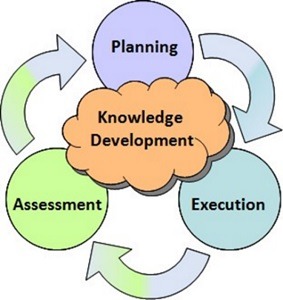
Developing Knowledge
Developing knowledge is an ongoing and dynamic process that involves acquiring, organizing, and applying information and skills throughout your life. Whether you’re looking to expand your knowledge in a specific field or improve your overall learning abilities, here are some key strategies to help you in your knowledge development journey:
- Set Clear Goals: Define what you want to learn and why it’s important to you. Having clear goals will provide direction and motivation for your knowledge development efforts.
- Continuous Learning: Embrace a mindset of lifelong learning. Be open to new ideas, concepts, and experiences. Explore diverse subjects to broaden your understanding of the world.
- Read Widely: Reading is one of the most effective ways to acquire knowledge. Read books, articles, blogs, and research papers on topics that interest you. Don’t limit yourself to one genre or field; diversify your reading materials.
- Online Courses: Take advantage of online courses and educational platforms. Websites like Coursera, edX, Khan Academy, and Udemy offer a wide range of courses on various subjects, often taught by experts in the field.
- Join a Community: Engage with others who share your interests. Join online forums, discussion groups, or local clubs and organizations related to your areas of interest. Sharing and discussing ideas with others can deepen your understanding.
- Take Notes: When you learn something new, take notes to reinforce your memory and understanding. Organize your notes in a way that makes it easy to review and reference them later.
- Practice Critical Thinking: Question the information you encounter. Develop critical thinking skills to evaluate the credibility and reliability of sources. This helps you sift through the vast amount of information available and focus on what’s valuable.
- Teach Others: Teaching is a powerful way to solidify your own knowledge. Share what you’ve learned with friends, family, or colleagues. You’ll often find that explaining a concept to someone else deepens your own understanding.
- Use Technology: Leverage technology tools and resources like educational apps, podcasts, webinars, and YouTube tutorials. These platforms offer a wealth of information in various formats.
- Reflect and Review: Periodically revisit what you’ve learned. Reflect on your progress, identify gaps in your knowledge, and make a plan to fill those gaps. Regular review helps solidify your knowledge.
- Seek Feedback: Be open to feedback from mentors, teachers, or peers. Constructive criticism can help you improve and refine your understanding of a subject.
- Stay Inquisitive: Cultivate curiosity. Don’t be afraid to ask questions and explore new areas of interest. Curiosity is a driving force in knowledge development.
- Time Management: Allocate dedicated time for learning. Consistency is key. Create a schedule that allows you to balance your learning goals with other responsibilities.
- Adapt and Evolve: Knowledge is constantly evolving. Stay updated in your areas of interest, and be willing to adapt your knowledge as new information becomes available.
- Set Milestones: Break your learning goals into smaller, achievable milestones. Celebrate your achievements along the way to stay motivated.
Remember that knowledge development is a personal journey, and it should be enjoyable and fulfilling. Embrace the process, and don’t be discouraged by setbacks or challenges. Over time, your dedication to learning will lead to personal growth and an enriched understanding of the world around you.
What is required Developing Knowledge
Developing knowledge is a multifaceted process that involves various elements and requires certain essential components to be effective. Here are the key requirements for developing knowledge:
- Curiosity: A strong desire to learn and explore is fundamental to knowledge development. Curiosity drives you to seek answers, ask questions, and delve deeper into subjects.
- Motivation: Intrinsic motivation, or a personal desire to learn and grow, is essential. Without motivation, it’s challenging to sustain the effort required for knowledge development.
- Goals: Clearly defined learning objectives and goals provide direction and purpose. Setting specific, achievable goals helps you stay focused on what you want to learn.
- Resources: Access to relevant learning resources is crucial. These resources can include books, articles, courses, videos, mentors, online platforms, and educational tools.
- Time Management: Allocating dedicated time for learning is necessary. Effective time management ensures that you consistently engage in learning activities.
- Discipline: Developing knowledge often requires self-discipline. You need to stay committed to your learning goals and overcome distractions and procrastination.
- Critical Thinking Skills: The ability to evaluate, analyze, and think critically about information is vital. Critical thinking helps you assess the quality and reliability of sources and form well-informed opinions.
- Note-taking and Organization: Effective note-taking and information organization strategies help you retain and review what you’ve learned.
- Feedback: Seek feedback from experts, mentors, or peers to refine your understanding and improve your skills.
- Application: Apply what you’ve learned in practical situations. Real-world application solidifies your knowledge and helps you see its relevance.
- Reflection: Regularly reflect on your learning journey. Consider what you’ve learned, how it has changed your perspective, and what you’d like to explore next.
- Adaptability: Be open to adjusting your learning approach as needed. The ability to adapt to new information and changing circumstances is essential.
- Networking: Connect with individuals who share your interests. Networking can provide opportunities for collaboration, knowledge exchange, and access to different perspectives.
- Consistency: Consistency in your learning efforts is key to long-term knowledge development. Regular, ongoing engagement with your chosen subjects is more effective than sporadic bursts of studying.
- Feedback and Assessment: Periodically assess your progress. Self-assessment, quizzes, tests, or evaluations can help you gauge your understanding and identify areas for improvement.
- Resilience: Be prepared to encounter challenges and setbacks in your learning journey. Resilience and the ability to overcome obstacles are crucial for continued progress.
- Diversity of Learning Sources: Engage with a variety of learning sources and formats to gain a well-rounded understanding of your chosen subjects.
- Passion: Genuine passion for the subjects you’re learning about can be a powerful driver for knowledge development. It makes the learning process more enjoyable and sustainable.
Remember that knowledge development is a lifelong pursuit. It’s important to approach it with patience and a growth mindset. Embrace the process of learning, adapt to changes, and stay committed to expanding your understanding and skills over time.
Who is required Developing Knowledge
The development of knowledge is a personal endeavor, and it is not dependent on any specific individual or external entity. Instead, knowledge development is driven by the individual seeking to acquire knowledge. Here’s who is involved in the process of developing knowledge:
- You (the individual): The primary driver of knowledge development is the individual who seeks to acquire knowledge. You are the one who sets goals, makes choices about what to learn, and engages in learning activities.
- Mentors and Teachers: While knowledge development is largely self-directed, mentors, teachers, and educators can play a significant role in guiding and facilitating the learning process. They provide expertise, guidance, and feedback to help individuals acquire knowledge effectively.
- Peers and Collaborators: Interactions with peers and collaborators can contribute to knowledge development. Group discussions, collaborative projects, and sharing of ideas can enhance your understanding of a subject and expose you to diverse perspectives.
- Authors and Experts: Authors of books, articles, and other educational materials, as well as subject matter experts, contribute to knowledge development by creating and sharing valuable information and insights.
- Educational Institutions: Educational institutions such as schools, universities, and online learning platforms offer structured environments and resources for knowledge acquisition. They provide access to courses, libraries, and educational tools.
- Technology and Resources: Various technological tools and resources, including the internet, online courses, e-books, and educational apps, provide easy access to information and support self-directed learning.
- Community and Support Systems: Supportive communities, clubs, forums, or study groups can provide encouragement, motivation, and opportunities for knowledge sharing.
- Employers and Workplaces: In a professional context, employers often encourage and facilitate ongoing learning and skill development through training programs and access to resources.
- Government and Policy Makers: Government policies related to education, research funding, and access to information can influence the availability and accessibility of learning opportunities.
- Cultural and Social Factors: Cultural values and societal norms can shape individuals’ attitudes toward learning and knowledge development. A culture that values education and curiosity can foster a greater desire for knowledge.
Ultimately, the responsibility for knowledge development falls on the individual who seeks to acquire knowledge. While various external factors and individuals can support and facilitate this process, the motivation, effort, and choices made by the individual are the driving forces behind personal growth and learning. It’s important to take ownership of your own knowledge development journey and actively engage with the resources and opportunities available to you.
When is required Developing Knowledge
The need for developing knowledge is constant throughout life and arises in various situations and contexts. Knowledge development is not limited to a specific time frame or age group; instead, it’s an ongoing and dynamic process. Here are some scenarios when developing knowledge is required:
- Throughout Education: From early childhood education to higher education and beyond, individuals continually develop knowledge in academic settings to acquire foundational and specialized knowledge in various subjects.
- Career and Professional Growth: As professionals, individuals need to continuously update their knowledge and skills to stay competitive in their fields and adapt to evolving industry trends and technologies.
- Problem Solving: When faced with new challenges or problems, individuals often need to acquire new knowledge or skills to find effective solutions. This can happen in personal life, work, or other contexts.
- Interest and Hobbies: Pursuing personal interests and hobbies often involves learning and acquiring knowledge in areas of passion, whether it’s a musical instrument, a sport, gardening, or any other hobby.
- Life Transitions: Major life transitions, such as parenthood, marriage, retirement, or moving to a new location, may require individuals to develop knowledge related to these life changes.
- Health and Wellness: Knowledge about health and wellness is crucial for making informed decisions about diet, exercise, medical care, and overall well-being. This knowledge is required throughout life.
- Technology and Digital Literacy: In today’s digital age, staying informed about technology and developing digital literacy skills is essential for navigating the modern world.
- Cultural and Social Awareness: Developing knowledge about different cultures, societies, and current events is important for fostering understanding and empathy in an increasingly interconnected world.
- Personal Growth and Self-Improvement: Many people seek to continuously develop knowledge to improve themselves, whether it’s through self-help books, personal development courses, or therapy.
- Entrepreneurship and Innovation: Entrepreneurs and innovators need to constantly update their knowledge about market trends, customer preferences, and emerging technologies to create successful businesses and products.
- Environmental Awareness: With increasing environmental concerns, individuals often need to develop knowledge about sustainable practices, climate change, and conservation efforts.
- Legal and Financial Literacy: Understanding legal rights and responsibilities, as well as managing personal finances, requires ongoing learning to make informed decisions.
In essence, knowledge development is required whenever there is a gap in your understanding or skills that needs to be filled. It’s a lifelong journey that adapts to your personal and professional circumstances. The ability to learn and adapt is a valuable skill in today’s fast-paced and ever-changing world.
Where is required Developing Knowledge
The need for developing knowledge can arise in various locations and contexts, both formal and informal. Here are some common places where developing knowledge is required:
- Educational Institutions: Traditional schools, colleges, and universities are formal settings where individuals acquire structured knowledge and skills across a wide range of subjects.
- Online Learning Platforms: In the digital age, online platforms like Coursera, edX, Khan Academy, and others offer a vast array of courses and resources for knowledge development.
- Libraries: Libraries are excellent resources for access to books, research materials, and educational resources. They are places where individuals can study, research, and acquire knowledge.
- Workplaces: Most professions require ongoing knowledge development to stay updated with industry trends, regulations, and job-specific skills. Employers often provide training and development opportunities.
- Professional Conferences and Seminars: These events bring together experts and professionals to share knowledge and insights about their respective fields.
- Community Centers: Local community centers may offer classes and workshops on various subjects, such as art, cooking, fitness, and more.
- Laboratories and Research Facilities: In scientific and research fields, laboratories and research facilities are where individuals conduct experiments, gather data, and expand the boundaries of knowledge.
- Museums and Cultural Institutions: Museums provide opportunities to learn about history, art, culture, and science through exhibits and interactive displays.
- Travel and Exploration: Traveling to new places allows individuals to learn about different cultures, languages, and environments, expanding their global knowledge.
- Nature and Outdoors: Outdoor activities like hiking, camping, and wildlife observation can lead to knowledge development about the natural world and conservation efforts.
- Online Communities and Forums: Online forums and communities bring people together to share knowledge, discuss ideas, and learn from one another on various topics.
- Home and Personal Space: Learning can happen anywhere, even at home. Individuals can read books, watch educational videos, and engage in self-directed learning within their personal spaces.
- Cultural Events and Festivals: Cultural events and festivals offer opportunities to learn about traditions, customs, and histories of different cultures.
- Science Centers and Planetariums: These institutions provide interactive learning experiences about space, astronomy, and scientific phenomena.
- Hospitals and Healthcare Facilities: Healthcare professionals continuously update their knowledge to provide the best care to patients, making hospitals and healthcare settings places of ongoing learning.
- Entrepreneurial Spaces: Incubators, coworking spaces, and startup hubs are environments where entrepreneurs and innovators develop knowledge and skills related to business and innovation.
- Online Research and Information Sources: The internet itself serves as a vast resource for knowledge development, offering access to information, databases, research papers, and educational websites.
In essence, knowledge can be acquired and developed in a wide range of locations and settings. The key is to be proactive in seeking out opportunities for learning and to adapt your learning approach to the specific context you are in. Whether in a formal educational institution or a casual online community, the pursuit of knowledge is a dynamic and ongoing process that can occur almost anywhere.
How is required Developing Knowledge
Developing knowledge is a dynamic process that involves various methods and strategies to effectively acquire, retain, and apply information and skills. Here’s how knowledge development is typically achieved:
- Identify Your Learning Objectives: Start by defining what you want to learn and why it’s important. Setting clear learning objectives provides direction and motivation for your knowledge development journey.
- Select Learning Resources: Choose appropriate learning resources based on your objectives. These resources can include books, articles, online courses, videos, podcasts, mentors, and more.
- Create a Learning Plan: Develop a structured plan that outlines how you will acquire knowledge. This plan can include setting milestones, creating a study schedule, and organizing your learning materials.
- Active Engagement: Engage actively with the learning materials. This involves reading, listening, observing, or practicing with a focus on understanding and retention. Take notes to reinforce your understanding.
- Critical Thinking: Develop critical thinking skills to evaluate the information you encounter. Consider the source’s credibility, relevance, and potential biases. Formulate questions and seek evidence to support your understanding.
- Problem-Solving: Apply what you’ve learned to solve real-world problems or scenarios related to the subject matter. Practical application helps consolidate knowledge.
- Practice, Practice, Practice: For subjects that require skill development, such as playing a musical instrument or mastering a sport, consistent practice is essential.
- Seek Feedback: Share your knowledge with peers, mentors, or teachers and seek their feedback. Constructive criticism can help you identify areas for improvement.
- Teach Others: Teaching someone else what you’ve learned is a powerful way to solidify your knowledge. It forces you to articulate concepts and reinforces your understanding.
- Use Technology: Leverage technology tools and platforms to access a wealth of information and resources. Online courses, educational apps, and webinars can be valuable learning aids.
- Collaborate: Collaborate with peers who share your interests. Group discussions, study sessions, or collaborative projects can enhance your understanding through diverse perspectives.
- Reflect on Your Learning: Regularly reflect on your progress. Consider how your knowledge has evolved, what challenges you’ve faced, and what insights you’ve gained.
- Stay Updated: Knowledge is dynamic, so stay updated in your chosen field or subjects of interest. Follow industry news, research developments, and evolving trends.
- Network: Build a network of professionals, experts, and peers who can provide insights, guidance, and support in your knowledge development journey.
- Set Milestones: Break down your learning goals into smaller, achievable milestones. Celebrate your accomplishments along the way to maintain motivation.
- Adapt and Adjust: Be flexible and open to adjusting your learning approach based on your progress and changing circumstances.
- Continual Learning: Cultivate a mindset of lifelong learning. Recognize that knowledge development is an ongoing process that extends beyond formal education.
- Enjoy the Process: Embrace the joy of learning. Find passion and enthusiasm in the subjects you study, as this will make the learning process more enjoyable and sustainable.
Remember that knowledge development is a personal journey, and the methods and strategies that work best for you may vary based on your individual learning style and goals. The key is to remain curious, proactive, and adaptable in your pursuit of knowledge.
Case Study on Developing Knowledge
Certainly! Let’s consider a case study of an individual named Sarah who is actively engaged in developing knowledge throughout her life.
Case Study: Sarah’s Lifelong Journey in Developing Knowledge
Background: Sarah is a 35-year-old professional working in the field of marketing. She is a dedicated lifelong learner who values personal growth and knowledge development. Throughout her life, Sarah has employed various strategies and approaches to continually expand her knowledge and skills.
Key Stages of Knowledge Development:
- Early Education:
- Sarah’s journey in knowledge development began in her early years. She attended school and developed foundational skills in subjects like mathematics, science, and literature.
- Higher Education:
- After completing her undergraduate degree in marketing, Sarah pursued a master’s degree to gain specialized knowledge in digital marketing. She recognized that staying competitive in her field required advanced skills and expertise.
- Professional Growth:
- In her professional career, Sarah consistently sought opportunities for skill development. She attended industry conferences and workshops to stay updated on marketing trends and best practices.
- She actively participated in webinars and online courses to learn about emerging digital marketing technologies.
- Mentorship:
- Sarah recognized the value of mentorship and sought guidance from senior marketing professionals. She learned from their experiences, received feedback on her strategies, and gained valuable insights.
- Self-Directed Learning:
- Beyond her formal education and work-related training, Sarah engaged in self-directed learning. She read marketing books, subscribed to industry journals, and followed thought leaders on social media platforms to stay informed about the latest developments.
- Cross-Disciplinary Learning:
- Sarah understood that multidisciplinary knowledge could enhance her marketing skills. She took courses in data analysis and psychology to better understand consumer behavior and data-driven marketing.
White Paper on Developing Knowledge
Creating a comprehensive white paper on developing knowledge requires a detailed exploration of the topic, covering various aspects, strategies, and considerations. Below is an outline for a white paper on developing knowledge, along with brief explanations of each section:
Title: White Paper on Developing Knowledge
Abstract: Provide a concise summary of the white paper’s contents, highlighting its importance, key findings, and recommendations.
Table of Contents:
- Introduction
- The Significance of Developing Knowledge
- Methods and Strategies for Knowledge Development
- Formal Education
- Self-Directed Learning
- Practical Application
- Mentorship and Collaboration
- Technological Resources
- Lifelong Learning and Adaptability
- The Role of Critical Thinking
- Challenges and Obstacles
- Motivation and Discipline
- Information Overload
- Access to Resources
- Measuring and Assessing Knowledge Development
- Assessment Methods
- Setting Learning Objectives
- Case Studies
- Real-life examples of successful knowledge development
- Conclusion
- Summary of Key Takeaways
- Recommendations
- Tips for Effective Knowledge Development
- References
1. Introduction:
- Define the purpose and scope of the white paper.
- Explain the importance of knowledge development in personal, professional, and societal contexts.
- Provide an overview of the subsequent sections.
2. The Significance of Developing Knowledge:
- Explore the role of knowledge development in personal growth, career advancement, innovation, and societal progress.
- Discuss the economic and social benefits of a knowledgeable society.
3. Methods and Strategies for Knowledge Development:
- Detail various approaches to acquiring knowledge, including formal education, self-directed learning, practical application, mentorship, and leveraging technological resources.
- Provide examples and best practices for each approach.
4. Lifelong Learning and Adaptability:
- Emphasize the importance of a lifelong learning mindset in the rapidly changing world.
- Discuss the benefits of adaptability and continuous skill development.
5. The Role of Critical Thinking:
- Explain how critical thinking skills enhance knowledge development.
- Offer strategies for cultivating critical thinking abilities.
6. Challenges and Obstacles:
- Identify common challenges individuals face in their knowledge development journey.
- Suggest ways to overcome obstacles related to motivation, information overload, and resource limitations.
7. Measuring and Assessing Knowledge Development:
- Discuss methods for evaluating and assessing knowledge development.
- Explain the process of setting clear learning objectives and measuring progress.
8. Case Studies:
- Present real-life case studies or examples of individuals or organizations that have successfully developed knowledge.
- Highlight key takeaways and lessons from these cases.
9. Conclusion:
- Summarize the main points discussed in the white paper.
- Reiterate the significance of knowledge development.
- Encourage readers to take proactive steps in their knowledge development journeys.
10. Recommendations:
- Provide practical recommendations and tips for individuals and organizations seeking to enhance their knowledge development efforts.
- Include actionable steps for fostering a culture of continuous learning.
11. References:
- Cite scholarly articles, books, and reputable sources that were referenced throughout the white paper.
- Ensure proper citations and a comprehensive reference list.
This outline provides a structure for a white paper on developing knowledge. Each section should be developed further with detailed information, insights, and examples to create a comprehensive and informative document.