
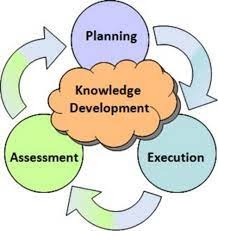
Developing Knowledge
Developing knowledge is a lifelong process that involves acquiring, organizing, and applying information and understanding. Here are some steps and strategies to help you develop your knowledge effectively:
- Set Clear Goals: Determine what specific areas or subjects you want to learn about or improve your knowledge in. Setting clear goals will give your learning purpose and direction.
- Read Regularly: Reading is one of the most effective ways to acquire knowledge. Read books, articles, research papers, and other written materials related to your chosen topics.
- Utilize Online Resources: The internet is a treasure trove of information. Take advantage of online courses, educational websites, forums, and blogs to expand your knowledge.
- Engage in Discussions: Participate in discussions, both online and offline, with people who have expertise in the areas you’re interested in. This can help you gain new perspectives and insights.
- Take Notes: While reading or listening to lectures, take notes to summarize key points. This can help reinforce your understanding and make it easier to review later.
- Practice Critical Thinking: Don’t passively consume information. Question what you read or hear, evaluate sources, and develop your critical thinking skills to discern credible information from unreliable sources.
- Experiment and Apply: Apply what you’ve learned in practical situations. Whether it’s solving problems, conducting experiments, or working on projects, active application deepens your understanding.
- Teach Others: Teaching is an excellent way to solidify your knowledge. Share what you’ve learned with others, whether through tutoring, writing, or public speaking.
- Seek Feedback: Don’t be afraid to seek feedback from experts or peers. Constructive criticism can help you refine your understanding and correct any misconceptions.
- Join Learning Communities: Joining clubs, forums, or organizations related to your interests can connect you with like-minded individuals and provide opportunities for collaborative learning.
- Stay Curious: Cultivate a curious mindset. Be open to exploring new topics and asking questions. The more you wonder, the more you’ll seek to learn.
- Time Management: Manage your time effectively to allocate dedicated learning periods. Consistency is key to developing deep knowledge over time.
- Reflect and Review: Periodically review what you’ve learned. This reinforces your memory and helps you identify gaps in your knowledge.
- Stay Informed: Keep up with the latest developments in your field by following news, journals, and academic publications.
- Embrace Failure: Don’t be discouraged by setbacks or mistakes. Learning often involves making errors and learning from them.
- Adapt and Evolve: Be flexible in your learning approach. As your knowledge grows, you may need to adjust your goals and strategies.
Remember that developing knowledge is a continuous journey, and there is always more to learn. Stay committed, stay curious, and enjoy the process of expanding your understanding of the world around you.
What is required Developing Knowledge
Developing knowledge is a multifaceted process that requires a combination of personal qualities, effective strategies, and resources. Here’s a breakdown of what is required for developing knowledge:
- Curiosity: A strong desire to learn and explore new ideas is essential. Curiosity serves as the driving force behind your pursuit of knowledge.
- Motivation: Intrinsic motivation, or a personal interest in the subject matter, can significantly enhance your ability to develop knowledge. When you’re passionate about a topic, you’re more likely to invest time and effort in learning about it.
- Open-mindedness: Be open to new ideas, perspectives, and experiences. A willingness to consider alternative viewpoints can enrich your understanding.
- Discipline: Developing knowledge often requires consistent effort over time. Discipline helps you stay on track and maintain a regular learning routine.
- Critical Thinking: The ability to think critically, analyze information, and evaluate sources is crucial for distinguishing between reliable and unreliable information.
- Effective Learning Strategies: Employ proven learning strategies such as active learning, spaced repetition, and retrieval practice to enhance your retention and comprehension of information.
- Access to Resources: Depending on your area of interest, you may need access to books, academic journals, online courses, mentors, or other resources. Ensure you have access to the materials necessary to deepen your knowledge.
- Feedback Mechanisms: Seek feedback from knowledgeable individuals or experts to refine your understanding and correct misconceptions.
- Time Management: Allocate dedicated time for learning and prioritize it in your schedule. Effective time management helps ensure consistent progress.
- Self-reflection: Regularly reflect on what you’ve learned, what you still need to learn, and how your knowledge is evolving. This self-awareness can guide your learning journey.
- Application: Apply the knowledge you acquire in practical contexts whenever possible. Practical application reinforces your understanding and helps you see how theory relates to real-world situations.
- Communication Skills: The ability to articulate your thoughts and ideas clearly is essential. Sharing your knowledge with others through teaching, writing, or speaking can solidify your understanding.
- Adaptability: Be adaptable in your learning approach. If you encounter obstacles or discover new ways of learning, be willing to adjust your strategies and adapt to changing circumstances.
- Patience: Developing deep knowledge often takes time, and there may be moments of frustration or setbacks along the way. Patience is key to persevering through challenges.
- Networking: Building a network of peers, mentors, and experts in your field of interest can provide valuable support, guidance, and opportunities for collaboration.
- Feedback Loop: Continuously assess your progress, reassess your goals, and adjust your learning strategies as needed. Learning is an ongoing process, and you should be willing to adapt and evolve.
Remember that developing knowledge is a lifelong journey, and everyone’s path is unique. Embrace the process, stay curious, and remain committed to expanding your understanding in your chosen areas of interest.
When is required Developing Knowledge
The need for developing knowledge is a constant and ongoing process throughout life. Here are various situations and contexts where developing knowledge is required:
- Education: Developing knowledge is a fundamental aspect of formal education, from preschool to higher education. Students continuously acquire new knowledge and skills in various subjects.
- Career Advancement: In the workplace, individuals must continuously develop their knowledge to stay competitive and advance in their careers. This includes staying up-to-date with industry trends, acquiring new skills, and improving existing ones.
- Problem Solving: Whenever you encounter a problem or challenge, whether personal or professional, developing knowledge is essential to finding effective solutions. This may involve researching, learning from past experiences, or seeking advice from experts.
- New Hobbies and Interests: When you take up a new hobby or develop an interest in a new subject, you need to acquire knowledge to understand and engage with that interest effectively.
- Personal Growth: Knowledge acquisition is integral to personal growth and self-improvement. Learning about psychology, communication, and other personal development topics can help you become a better version of yourself.
- Technology Advancements: As technology evolves rapidly, individuals often need to continuously develop their knowledge to use new tools and devices, understand software updates, and adapt to changing digital landscapes.
- Health and Wellness: Staying informed about health, nutrition, and wellness is crucial for making informed decisions about your well-being and maintaining a healthy lifestyle.
- Global Events and Current Affairs: To be an informed and engaged citizen, you need to develop knowledge about current events, politics, and social issues that impact your community and the world.
- Cultural and Social Awareness: Understanding different cultures, social dynamics, and historical contexts is essential for fostering empathy, tolerance, and social cohesion.
- Entrepreneurship and Business: Entrepreneurs and business professionals need to continuously develop their knowledge of market trends, customer preferences, and management strategies to succeed in the business world.
- Scientific and Technological Innovation: Scientists, engineers, and researchers are constantly pushing the boundaries of knowledge in their respective fields, contributing to advancements that benefit society.
- Life Transitions: Major life transitions, such as parenthood, retirement, or relocation, often require individuals to develop new knowledge and skills to adapt to their changing circumstances.
In essence, developing knowledge is required in virtually every aspect of life. It empowers individuals to make informed decisions, adapt to changing circumstances, solve problems, and pursue personal and professional growth. Lifelong learning is a valuable mindset that acknowledges the continuous need for knowledge development in our dynamic world.
Where is required Developing Knowledge
Developing knowledge is required in a wide range of settings and contexts across various aspects of life. Here are some specific places and situations where developing knowledge is essential:
- Schools and Educational Institutions: Formal education settings, such as schools, colleges, and universities, are primary places where knowledge development occurs. Students acquire knowledge in subjects like mathematics, science, literature, and history.
- Workplace: Knowledge development is crucial in the workplace, where employees must continuously learn to stay competitive and excel in their jobs. This includes understanding company policies, industry trends, and job-specific skills.
- Libraries: Libraries serve as valuable resources for knowledge development, providing access to books, research materials, and databases on a wide range of topics.
- Online Learning Platforms: Websites and platforms like Coursera, edX, and Khan Academy offer online courses and resources for individuals looking to develop knowledge on various subjects.
- Museums and Cultural Institutions: Museums and cultural institutions offer opportunities to learn about history, art, science, and culture through exhibits and educational programs.
- Conferences and Seminars: Professional conferences and seminars bring together experts in various fields to share knowledge, research findings, and insights with attendees.
- Workshops and Training Centers: These settings provide hands-on learning experiences and practical skills development in areas like art, cooking, woodworking, and more.
- Public Spaces: Parks, botanical gardens, and recreational areas often feature educational signage and exhibits that promote knowledge about the natural world.
- Online Communities and Forums: Online communities and forums related to specific interests or hobbies can be places where individuals share knowledge, ask questions, and learn from one another.
- Laboratories and Research Institutions: Scientists and researchers work in laboratories and research institutions to develop new knowledge and conduct experiments in fields like biology, chemistry, and physics.
- Hospitals and Healthcare Facilities: Healthcare professionals continually develop their medical knowledge to provide the best care to patients.
- Government Institutions: Government agencies often provide information and resources related to laws, regulations, and public policies that citizens need to be aware of.
- Community Centers: Community centers offer workshops, classes, and resources to help residents learn new skills and access information.
- Bookstores: Bookstores are places where people can purchase books and literature to expand their knowledge on a wide range of topics.
- Historical Sites: Historical sites and landmarks provide opportunities to learn about the past, including important events and figures.
- International Travel: Traveling to different countries and cultures can be a profound way to develop cultural knowledge and gain a global perspective.
- Online Research: The internet itself is a vast resource for knowledge development, with countless websites, articles, and videos covering a wide range of subjects.
- Home: Learning can also take place at home through reading, watching documentaries, participating in online courses, or engaging in hobbies and DIY projects.
In summary, the need for developing knowledge arises in a multitude of physical and virtual locations, reflecting the diverse interests, careers, and passions of individuals. These places and settings offer opportunities for individuals to expand their knowledge and skills in a wide range of areas.
How is required Developing Knowledge
Developing knowledge requires a structured and deliberate approach to learning. Here’s how you can go about developing knowledge effectively:
- Set Clear Goals: Define what you want to learn and why it’s important to you. Having specific goals will provide direction and motivation for your learning journey.
- Select Reliable Sources: Choose credible and reputable sources of information, whether it’s books, articles, online courses, mentors, or experts in the field. Ensure that the information you are acquiring is accurate and up-to-date.
- Active Learning: Engage actively with the material. Instead of passively consuming information, take notes, ask questions, and participate in discussions to deepen your understanding.
- Organize Your Learning: Create a structured plan for acquiring knowledge. This might include setting a schedule, creating outlines, or using digital tools to manage your learning resources.
- Use Multiple Learning Modalities: People have different learning preferences. Combine various methods, such as reading, listening to podcasts, watching videos, and hands-on practice, to reinforce your learning.
- Seek Feedback: Share your learning journey with knowledgeable individuals who can provide feedback and guidance. Constructive criticism can help you correct misconceptions and refine your knowledge.
- Practice Critical Thinking: Develop critical thinking skills to evaluate information critically. Consider the source, question assumptions, and analyze arguments and evidence.
- Reflect and Summarize: Periodically review and summarize what you’ve learned. This reinforces your memory and helps you identify gaps in your understanding.
- Teach Others: Teaching is one of the best ways to solidify your knowledge. Share what you’ve learned with others through tutoring, writing, or giving presentations.
- Stay Informed: Keep up with the latest developments in the field or subject you’re studying. Subscribe to newsletters, follow experts on social media, and read relevant news and journals.
- Join Communities: Joining clubs, forums, or organizations related to your interests can connect you with like-minded individuals and provide opportunities for collaborative learning.
- Practice Patience: Learning takes time, and it’s common to face challenges and setbacks. Stay patient and persistent in your pursuit of knowledge.
- Set Milestones: Break down your learning goals into smaller, achievable milestones. Celebrate your progress when you reach these milestones to stay motivated.
- Adapt and Evolve: Be flexible in your approach. If you find that a particular learning method or resource isn’t working for you, don’t hesitate to switch to something else.
- Apply What You Learn: Whenever possible, apply the knowledge you’ve acquired in real-world situations. Practical application helps solidify your understanding.
- Stay Curious: Cultivate a curious mindset. Be open to exploring new topics and asking questions. The more curious you are, the more you’ll seek to learn.
- Evaluate Your Goals: Periodically assess whether your learning goals have changed or evolved. Adjust your learning plan accordingly to align with your current interests and needs.
- Celebrate Achievements: Recognize and celebrate your achievements along the way. This positive reinforcement can boost your motivation and confidence.
Remember that developing knowledge is an ongoing process, and there’s always more to learn. The key is to remain committed, curious, and adaptable in your approach to learning.
Case study on Developing Knowledge
Certainly! Let’s explore a case study that illustrates the process of developing knowledge in a specific context.
Case Study: John’s Career Advancement Through Knowledge Development
Background: John is a mid-level manager working for a technology company. He has been with the company for several years and is eager to advance in his career. He recognizes that acquiring new knowledge and skills is essential to achieve his career goals.
1. Setting Clear Goals: John’s first step is to define his career goals. He wants to become a senior manager within the next two years. To do this, he needs to develop expertise in project management and leadership.
2. Identifying Reliable Sources: To acquire the necessary knowledge, John starts by researching reliable sources. He finds reputable online courses on project management and leadership from recognized institutions. He also identifies industry-leading books and journals for further reading.
3. Active Learning: John actively engages with the material. He takes detailed notes during his online courses, asks questions in discussion forums, and participates in group projects to apply his knowledge.
4. Organizing His Learning: John creates a structured plan. He schedules specific times each week dedicated to his learning activities, sets deadlines for course completion, and uses a project management tool to keep track of his progress.
5. Seeking Feedback: John seeks feedback from his supervisor, who is an experienced senior manager. He discusses his career goals and asks for guidance on how to apply what he’s learning to his current role.
6. Critical Thinking: John critically analyzes the information he’s acquiring. He evaluates different project management methodologies, assesses their applicability to his company, and considers how leadership theories can be applied to his team.
7. Reflection and Summarization: At the end of each week, John reviews his notes and summarizes key takeaways. This reflection helps him reinforce his understanding.
8. Teaching Others: John starts mentoring a junior team member, sharing his knowledge on project management and leadership. Teaching others solidifies his understanding and leadership skills.
9. Staying Informed: To stay updated with industry trends, John subscribes to newsletters, follows industry blogs, and attends webinars on project management and leadership.
10. Joining Communities: John joins a professional networking group related to his field. He attends monthly meetings and discusses best practices with other professionals, expanding his network.
11. Practicing Patience: As he encounters challenges and complexities in his learning journey, John remains patient and persistent, knowing that career advancement takes time.
12. Setting Milestones: John sets short-term milestones, such as completing specific courses and achieving project management certifications, as he progresses toward his ultimate career goal.
13. Adapting and Evolving: John adjusts his learning plan based on feedback from his supervisor and evolving industry demands. He is open to changing course if new opportunities arise.
14. Applying Knowledge: John actively applies his knowledge in his daily work. He takes the lead on complex projects, demonstrating his project management skills and leadership abilities.
15. Staying Curious: John maintains a curious mindset, always seeking to expand his knowledge beyond his immediate career goals.
16. Celebrating Achievements: As he achieves milestones and progresses in his career, John celebrates his achievements to stay motivated.
Outcome: Through dedicated knowledge development, John successfully acquires expertise in project management and leadership. Within two years, he is promoted to a senior management position in his company. His commitment to learning and professional growth not only advances his career but also contributes to the success of his team and the organization as a whole.
This case study illustrates how an individual, in this case, John, can strategically develop knowledge to achieve specific career goals. His proactive approach to learning, commitment to self-improvement, and the application of knowledge are key factors in his success.
White Paper on Developing Knowledge
A white paper on developing knowledge is an in-depth document that explores the process, importance, and strategies for acquiring and enhancing knowledge in various contexts. Below is an outline for a white paper on this topic, including key sections and points to cover:
Title: Nurturing Knowledge: Strategies for Effective Knowledge Development
Abstract:
The white paper discusses the significance of knowledge development and provides insights into effective strategies for acquiring, expanding, and applying knowledge in various aspects of life. It explores the role of knowledge in personal growth, professional success, and societal advancement.
Table of Contents:
- Introduction
- Definition and importance of knowledge development.
- The relevance of knowledge in the 21st century.
- The Knowledge Development Process
- An overview of how knowledge is acquired, organized, and applied.
- The stages of knowledge development.
- The Importance of Knowledge Development
- How knowledge empowers individuals and societies.
- The link between knowledge and innovation, problem-solving, and decision-making.
- Strategies for Effective Knowledge Development
- Setting clear goals and objectives.
- Identifying reliable sources of information.
- Active learning techniques.
- Organizing and managing knowledge.
- Seeking feedback and mentorship.
- Critical thinking and evaluation of information.
- Reflecting on and summarizing knowledge.
- Teaching and sharing knowledge with others.
- Staying informed and up-to-date.
- Joining learning communities.
- Patience and persistence in the learning process.
- Adapting and evolving in response to changing circumstances.
- Applying knowledge in practical contexts.
- Knowledge Development in Different Contexts
- Education and lifelong learning.
- Career advancement and professional development.
- Personal growth and self-improvement.
- Technological and scientific innovation.
- Cultural and social awareness.
- Health and wellness.
- Global events and current affairs.
- Entrepreneurship and business.
- Scientific research and academia.
- Challenges and Barriers to Knowledge Development
- Common obstacles individuals face in their pursuit of knowledge.
- Strategies to overcome these challenges.
- The Role of Technology in Knowledge Development
- The impact of the internet and digital resources.
- Tools and platforms for online learning.
- Digital literacy and responsible information consumption.
- Conclusion
- Summarizing the key takeaways from the white paper.
- Reiterating the importance of lifelong learning and knowledge development.
- References
- A list of cited sources and further reading.
Conclusion:
This white paper serves as a comprehensive guide to understanding and implementing effective knowledge development strategies. It underscores the critical role that knowledge plays in personal, professional, and societal growth, highlighting the importance of continuous learning in our rapidly changing world.
By following the strategies outlined in this white paper, individuals can empower themselves to become lifelong learners and contribute to the advancement of knowledge, innovation, and positive change in their respective fields and communities.