
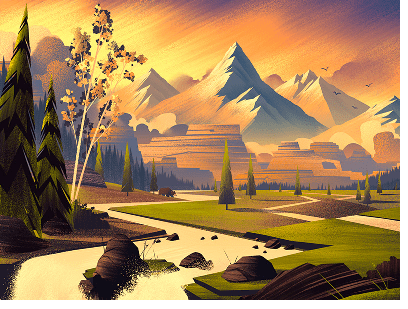
Digital arts innovation
Digital arts innovation refers to the use of digital technology to create new forms of artistic expression. It involves using digital tools and techniques to produce, manipulate, and distribute art in ways that were not possible before the advent of digital technology. Digital arts innovation has had a profound impact on the art world, opening up new possibilities for artists to create and share their work.
One of the key innovations of digital art is the ability to create and manipulate images, sound, and other media in ways that were not possible with traditional art forms. Digital artists can use tools such as digital painting software, 3 D modeling software, animation software, and digital music production tools to create intricate and detailed works of art. They can also use digital tools to experiment with different techniques and styles, allowing them to push the boundaries of traditional art forms.
Another key innovation of digital art is the ability to share and distribute art in new and innovative ways. Digital artists can use the internet and social media platforms to reach a global audience, bypassing traditional gatekeepers such as galleries and museums. This has democratized the art world, making it easier for artists to share their work with a wider audience and for audiences to discover and appreciate new forms of art.
Overall, digital arts innovation has transformed the way we create, share, and consume art. It has opened up new possibilities for artistic expression and has given rise to new forms of art that are uniquely suited to the digital age.