
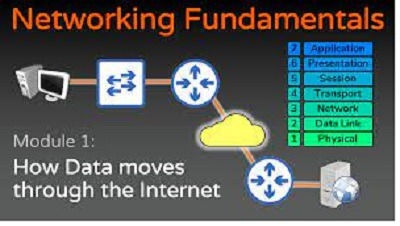
Fundamental Networks
“Fundamental Networks” refers to the core concepts and principles that underlie the design, operation, and management of computer networks. These principles are essential for building reliable, scalable, and efficient network infrastructures. Understanding these fundamentals is crucial for network administrators, engineers, and anyone involved in networking. Here are some key aspects of fundamental networks:
1. Network Components and Topology:
- Understanding the basic building blocks of a network, including devices such as routers, switches, hubs, and access points.
- Familiarity with different network topologies, such as star, bus, ring, and mesh, and their advantages and drawbacks.
2. Network Protocols:
- Knowledge of networking protocols, including TCP/IP (Transmission Control Protocol/Internet Protocol), UDP (User Datagram Protocol), and ICMP (Internet Control Message Protocol).
- Understanding how protocols govern communication between devices, data integrity, and error handling.
3. IP Addressing and Subnetting:
- Mastery of IP addressing, including IPv4 and IPv6, and the ability to subnet IP address ranges for efficient network management.
- Knowing the distinction between private and public IP addresses and the purpose of subnet masks.
4. Routing and Switching:
- Understanding the concepts of routing and switching and how they enable data to flow between different parts of a network.
- Familiarity with routing protocols (such as OSPF and BGP) and switching techniques (like VLANs and STP).
5. Network Security:
- Awareness of basic network security principles, including firewalls, intrusion detection systems, and encryption protocols.
- Understanding the importance of securing data transmissions and network devices against threats.
6. Network Address Translation (NAT) and Port Forwarding:
- Understanding how NAT allows multiple devices to share a single public IP address.
- Knowing how port forwarding enables access to devices behind a router’s NAT from external networks.
7. DNS (Domain Name System):
- Understanding the role of DNS in translating human-readable domain names into IP addresses.
- Familiarity with DNS records and their purposes, such as A, CNAME, MX, and TXT records.
8. Network Services:
- Awareness of common network services like DHCP (Dynamic Host Configuration Protocol), FTP (File Transfer Protocol), HTTP (Hypertext Transfer Protocol), and SMTP (Simple Mail Transfer Protocol).
- Understanding how these services enable communication and data sharing across networks.
9. Network Troubleshooting:
- Knowing how to diagnose and troubleshoot common network issues, such as connectivity problems, slow performance, and configuration errors.
- Utilizing network diagnostic tools like ping, traceroute, and network analyzers.
10. Network Management and Monitoring:
- Understanding the importance of network management tools to monitor network performance, track usage, and identify anomalies.
- Familiarity with SNMP (Simple Network Management Protocol) for managing and monitoring network devices.
These fundamental network concepts provide the foundation for more advanced networking topics and are essential for anyone looking to work with or manage computer networks. Whether you’re setting up a home network or managing a large enterprise network, these fundamentals are the basis of efficient and reliable network operations.
What is required Fundamental Networks
To understand and work effectively with fundamental networks, several key requirements need to be met. These requirements encompass knowledge, skills, and resources that are essential for comprehending and managing basic networking concepts. Here’s what is required to grasp fundamental networks:
1. Knowledge of Networking Concepts:
- Understand the basics of network components, protocols, and architectures.
- Familiarity with the OSI (Open Systems Interconnection) model and its seven layers.
2. Understanding of IP Addressing:
- Grasp the concepts of IP addresses (IPv4 and IPv6) and subnetting.
- Know how to differentiate between public and private IP addresses.
3. Knowledge of Routing and Switching:
- Understand how routers and switches function within a network.
- Learn about routing protocols and switching techniques.
4. Awareness of Network Security:
- Understand the importance of network security and common threats.
- Familiarity with concepts like firewalls, encryption, and intrusion detection.
5. Proficiency in DNS (Domain Name System):
- Know how DNS translates domain names to IP addresses.
- Understand different types of DNS records and their purposes.
6. Mastery of Network Services:
- Understand various network services like DHCP, FTP, HTTP, and SMTP.
- Learn how these services facilitate communication and data exchange.
7. Skill in Network Troubleshooting:
- Be able to diagnose and resolve basic network issues.
- Utilize tools like ping, traceroute, and network analyzers for troubleshooting.
8. Awareness of Network Management and Monitoring:
- Understand the significance of network management tools and protocols.
- Know how to monitor network performance and address anomalies.
9. Familiarity with Network Topologies:
- Understand different network topologies like star, bus, ring, and mesh.
- Grasp their advantages, disadvantages, and use cases.
10. Hands-on Practice: – Gain practical experience by setting up small networks or using virtual environments. – Practice configuring devices, IP addressing, and basic network services.
11. Continuous Learning: – Networking is an evolving field; stay updated on new technologies and trends. – Explore advanced networking concepts as your foundational knowledge grows.
12. Resources and References: – Utilize textbooks, online courses, tutorials, and documentation to enhance your understanding. – Access networking forums and communities for discussions and problem-solving.
13. Practical Application: – Apply your knowledge in real-world scenarios to reinforce your understanding. – Build and manage simple networks to gain hands-on experience.
14. Curiosity and Problem-Solving Skills: – Approach networking challenges with a curious and problem-solving mindset. – Seek to understand the “why” behind networking concepts.
15. Adaptability: – Be open to adapting your knowledge as new technologies and networking paradigms emerge.
Grasping fundamental networks requires a combination of theoretical knowledge, practical skills, and a proactive approach to learning. By meeting these requirements, you’ll be well-equipped to comprehend, troubleshoot, and manage basic networking concepts and build a strong foundation for more advanced topics.
Who is required Fundamental Networks
Understanding fundamental networks is essential for a variety of individuals who work with or are impacted by computer networks in different capacities. Here are some examples of who requires knowledge of fundamental networks:
1. Network Administrators and Engineers:
- Professionals responsible for designing, implementing, and maintaining computer networks.
- They need a deep understanding of fundamental networks to ensure network reliability, security, and performance.
2. IT Support and Helpdesk Staff:
- Individuals who provide technical support to users within an organization.
- They need to troubleshoot basic network issues and guide users in resolving connectivity problems.
3. System Administrators:
- Those responsible for managing servers, workstations, and network services within an organization.
- A solid grasp of fundamental networks helps them configure network settings, ensure proper connectivity, and manage network services.
4. Network Security Specialists:
- Professionals focused on protecting networks from threats and vulnerabilities.
- They require knowledge of network fundamentals to design and implement secure network architectures.
5. Software Developers:
- Developers creating applications that interact with networks or rely on network communication.
- Understanding fundamental networks helps them design software that effectively utilizes network resources.
6. Web Developers:
- Those building and maintaining websites and web applications.
- Knowledge of networks is crucial for optimizing website performance, managing server resources, and ensuring secure data transmission.
7. Database Administrators:
- Professionals managing databases and data storage systems.
- Network understanding is necessary for optimizing database access, connectivity, and data transfers.
8. Technical Educators:
- Instructors teaching computer science, IT, or networking courses.
- They need to convey fundamental network concepts to students to build a strong foundation for advanced topics.
9. IT Managers and Decision Makers:
- Managers responsible for making strategic decisions about IT infrastructure and investments.
- A grasp of fundamental networks helps them assess network requirements and align technology with business goals.
10. Small Business Owners: – Owners of small businesses setting up and managing their own networks. – Understanding fundamental networks helps them make informed decisions about network equipment and configurations.
11. Home Users: – Individuals setting up and maintaining home networks for personal use. – Fundamental network knowledge enables them to troubleshoot connectivity issues and secure their home networks.
12. Networking Enthusiasts: – Individuals interested in networking as a hobby or personal interest. – They seek to understand how networks function, experiment with setups, and explore networking technologies.
In essence, anyone who interacts with computer networks in their professional or personal capacity benefits from understanding fundamental networks. From professionals managing corporate networks to individuals setting up home Wi-Fi, a solid foundation in networking concepts is essential for effective communication, troubleshooting, and optimization of network resources.
When is required Fundamentals Networks
Knowledge of fundamental networks is required in various scenarios where an understanding of basic networking concepts is crucial for effective communication, troubleshooting, and decision-making. Here are some situations when a grasp of fundamental networks is required:
1. Network Design and Implementation:
- When planning and setting up computer networks, understanding fundamental networks helps ensure efficient architecture, proper connectivity, and reliable data transmission.
2. Troubleshooting Network Issues:
- When diagnosing and resolving network connectivity problems, having a strong foundation in network fundamentals is essential for pinpointing the root causes of issues.
3. Network Security and Compliance:
- When implementing network security measures, understanding fundamental networks is necessary to design secure configurations, detect vulnerabilities, and prevent unauthorized access.
4. Network Performance Optimization:
- When aiming to optimize network performance, knowledge of network fundamentals helps identify bottlenecks, optimize data flows, and enhance user experience.
5. Setting Up Network Services:
- When configuring network services like DHCP, DNS, and file sharing, a solid understanding of network fundamentals ensures services are set up correctly.
6. Troubleshooting Internet Connectivity:
- When experiencing internet connectivity problems, fundamental network knowledge is crucial for diagnosing issues with routers, modems, and DNS settings.
7. Developing Network-Dependent Software:
- When creating applications that rely on network communication, understanding fundamental networks helps ensure proper data exchange and integration.
8. Managing Remote Access and VPNs:
- When setting up virtual private networks (VPNs) or enabling remote access, a strong foundation in network fundamentals helps ensure secure and reliable connections.
9. Evaluating Network Equipment:
- When selecting networking hardware like routers, switches, and access points, understanding fundamental networks aids in making informed choices that match requirements.
10. Network Documentation and Reporting: – When documenting network configurations or generating reports, a clear understanding of network fundamentals ensures accurate and comprehensive documentation.
11. Implementing Cloud Services: – When integrating cloud services into an organization’s network, fundamental network knowledge helps ensure seamless and secure data exchange.
12. Teaching Networking Concepts: – When instructing networking courses or training programs, educators require strong fundamental network knowledge to effectively convey concepts to students.
13. Personal Networking Projects: – When setting up home networks, exploring IoT (Internet of Things) devices, or experimenting with network setups, fundamental network understanding is vital.
In these scenarios and more, a solid understanding of fundamental networks is essential for making informed decisions, solving problems, and ensuring efficient and reliable network operations. Whether it’s troubleshooting connectivity issues or designing complex network architectures, the knowledge of network fundamentals serves as the foundation for success.
Where is required Fundamental Networks
Knowledge of fundamental networks is required in various contexts and settings where computer networks play a significant role. Here are some places where understanding fundamental networks is necessary:
1. Businesses and Enterprises:
- Large corporations, small businesses, and startups all require fundamental network knowledge to establish and maintain internal and external communication, data sharing, and remote access.
2. Data Centers:
- Data centers house servers, storage devices, and networking equipment. Understanding fundamental networks is essential for managing data flow, optimizing resource utilization, and ensuring high availability.
3. Educational Institutions:
- Schools, colleges, and universities offering IT and networking courses require fundamental network knowledge to educate students about network architecture, protocols, and security.
4. Healthcare Facilities:
- Hospitals and clinics rely on networks for electronic health records, medical imaging, and communication between departments. Fundamental network understanding ensures smooth data sharing and privacy compliance.
5. Government Organizations:
- Government agencies require network expertise to establish secure communication channels, manage sensitive data, and ensure interdepartmental connectivity.
6. Public Spaces and Venues:
- Airports, stadiums, hotels, and convention centers use networks for Wi-Fi access, ticketing, security, and entertainment systems.
7. Manufacturing and Industrial Facilities:
- Factories and industrial plants use networks for process automation, monitoring, and data collection. Understanding networks is crucial for optimizing production processes.
8. Retail Businesses:
- Retailers need networks for point-of-sale systems, inventory management, and customer engagement. Fundamental network knowledge helps ensure seamless operations.
9. Telecommunication Companies:
- Telecommunication providers require fundamental network understanding to deliver internet, phone, and television services to customers.
10. Home Environments: – In households, networks power Wi-Fi, smart devices, streaming services, and online communication. Understanding fundamental networks is important for maintaining connectivity and security.
11. Research Institutions: – Research facilities rely on networks for data sharing, collaboration, and accessing online resources. A strong network foundation is necessary for efficient research endeavors.
12. IT Service Providers: – Managed service providers and IT consultants need to understand fundamental networks to offer services like network setup, maintenance, and troubleshooting to clients.
13. Entertainment Industry: – Streaming services, gaming platforms, and media production studios rely on networks to deliver content to users. Fundamental network knowledge ensures seamless content delivery.
14. Public Services: – Police departments, fire stations, and emergency services depend on networks for communication and coordination. Fundamental network understanding supports efficient response efforts.
15. Internet of Things (IoT) Environments: – As IoT devices become more prevalent, understanding fundamental networks is crucial for integrating and managing interconnected devices.
In essence, fundamental network knowledge is required wherever there is a need for communication, data sharing, and connectivity. From homes to businesses to large-scale infrastructures, a solid understanding of networks ensures efficient operations, secure data transmission, and effective troubleshooting.
How is required Fundamental Networks
Understanding fundamental networks is required through a combination of learning, practical experience, and continuous engagement with networking concepts. Here’s how you can acquire the required knowledge:
1. Education:
- Enroll in networking courses or online tutorials that cover fundamental networking concepts.
- Explore textbooks and resources on networking principles, protocols, and architectures.
2. Online Courses and Tutorials:
- Platforms like Coursera, Udemy, and Khan Academy offer courses on networking fundamentals.
- Participate in interactive tutorials that break down complex concepts.
3. Networking Certifications:
- Pursue certifications such as CompTIA Network+, Cisco CCNA, or Juniper JNCIA to validate your networking knowledge.
- Certification programs often provide comprehensive coverage of fundamental networks.
4. Practical Labs and Simulations:
- Use virtual labs and networking simulators to practice setting up networks, configuring devices, and troubleshooting.
- Hands-on experience reinforces theoretical knowledge.
5. Networking Books and Resources:
- Explore textbooks like “Computer Networking: Principles, Protocols, and Practice” by Olivier Bonaventure or “Networking All-in-One For Dummies” by Doug Lowe.
- Access online resources like Cisco’s Networking Basics series.
6. Networking Communities:
- Join online forums, social media groups, and networking communities where professionals share knowledge and discuss networking topics.
7. Practical Application:
- Set up simple home networks using routers, switches, and devices.
- Experiment with configuring IP addresses, subnetting, and basic services.
8. Networking Projects:
- Undertake small networking projects, such as creating a local area network (LAN) or setting up a basic web server.
- Practical projects solidify your understanding of fundamental networks.
9. Networking Tools:
- Utilize network diagnostic tools like ping, traceroute, Wireshark, and network analyzers.
- These tools help you analyze network behavior and troubleshoot issues.
10. Continuous Learning: – Stay updated with networking trends, new protocols, and emerging technologies. – Engage with online articles, blogs, and video tutorials to expand your knowledge.
11. Collaboration and Discussion: – Engage in discussions with peers, colleagues, and mentors who have networking expertise. – Sharing ideas and learning from others enhances your understanding.
12. Practical Challenges: – Solve networking challenges or scenarios to apply your knowledge in real-world situations. – Platforms like Hack The Box or Cisco’s NetAcad offer practical challenges.
Case study on Fundamental Networks
Case Study: Enhancing Network Connectivity at a Small Business
Company Overview: ABC Tech Solutions is a small IT services company that provides technology solutions to local businesses. One of their clients, XYZ Retail, approached them with concerns about slow and unreliable network connectivity affecting their operations.
Challenge: XYZ Retail was experiencing frequent network outages and sluggish internet speeds. These issues were causing disruptions in their point-of-sale transactions, inventory management, and communication. The company needed a solution to improve network performance and reliability.
Solution: ABC Tech Solutions conducted an assessment of XYZ Retail’s existing network infrastructure and implemented a plan to enhance network connectivity using fundamental networking principles.
1. Network Assessment:
- ABC Tech Solutions conducted a thorough assessment of XYZ Retail’s network topology, hardware, and configurations.
- They identified bottlenecks, areas of congestion, and potential sources of interference.
2. Hardware Upgrade:
- Based on the assessment, ABC Tech Solutions recommended upgrading the networking hardware, including routers and switches.
- They selected devices that supported higher data transfer rates and had improved traffic management capabilities.
3. Network Segmentation:
- ABC Tech Solutions proposed segmenting the network into separate VLANs (Virtual Local Area Networks) to isolate different types of traffic, such as guest Wi-Fi, point-of-sale systems, and administrative devices.
- This segmentation reduced network congestion and improved overall performance.
4. Quality of Service (QoS) Implementation:
- To prioritize critical network traffic, ABC Tech Solutions implemented Quality of Service (QoS) settings.
- They ensured that point-of-sale and inventory management systems received higher priority to prevent disruptions.
5. Network Monitoring and Management:
- ABC Tech Solutions set up network monitoring tools to proactively detect and address network issues.
- They established alerts for anomalies and irregularities in network performance.
6. Staff Training:
- ABC Tech Solutions provided training to XYZ Retail’s IT staff on fundamental networking concepts, troubleshooting techniques, and basic network maintenance.
Results: The implementation of fundamental networking principles led to significant improvements for XYZ Retail:
- Enhanced Connectivity: Network outages and slow internet speeds were significantly reduced, leading to smoother business operations.
- Reliable Point-of-Sale: Point-of-sale transactions became more reliable, minimizing checkout delays and customer frustrations.
- Improved Inventory Management: Inventory management systems were more responsive, allowing accurate tracking and restocking.
- Stable Communication: Internal communication improved, enabling better coordination among employees and departments.
- Increased Customer Satisfaction: Improved network reliability led to higher customer satisfaction and a better shopping experience.
Conclusion: By applying fundamental networking principles, ABC Tech Solutions successfully addressed the network connectivity challenges faced by XYZ Retail. This case study demonstrates how a thorough assessment, strategic hardware upgrades, network segmentation, and proactive
White paper on Fundamental Networks
Certainly! Here’s an outline for a white paper on fundamental networks:
Title: Fundamentals of Networking: Building a Strong Foundation for Efficient Communication
Abstract: Introduce the white paper by highlighting the importance of fundamental networks as the backbone of modern communication. Explain how understanding basic networking concepts is essential for creating reliable, efficient, and secure network infrastructures.
1. Introduction to Networking:
- Define what networking entails and why it is crucial in today’s interconnected world.
- Emphasize the significance of building a solid foundation in networking principles.
2. The Basics of Network Components:
- Explain the core components of a network, including devices like routers, switches, hubs, and access points.
- Discuss their roles in facilitating data transmission and connectivity.
3. Understanding Network Topologies:
- Explore various network topologies such as star, bus, ring, and mesh.
- Explain the advantages, disadvantages, and use cases of each topology.
4. Networking Protocols and the OSI Model:
- Introduce common networking protocols like TCP/IP, UDP, and ICMP.
- Explain the OSI model and how it breaks down network communication into layers.
5. IP Addressing and Subnetting:
- Detail the concepts of IPv4 and IPv6 addressing.
- Explain the importance of subnetting for efficient utilization of IP addresses.
6. Routing and Switching Essentials:
- Define routing and switching and their roles in data forwarding.
- Discuss routing protocols and switching techniques that facilitate data movement within networks.
7. Network Security Fundamentals:
- Highlight the significance of network security in safeguarding data and resources.
- Cover topics like firewalls, encryption, and access control.
8. DNS and its Importance:
- Explain the Domain Name System (DNS) and its role in translating domain names to IP addresses.
- Discuss the different types of DNS records and their functions.
9. Network Services and Applications:
- Explore common network services such as DHCP, FTP, HTTP, and SMTP.
- Explain how these services enable communication and data sharing.
10. Troubleshooting Network Issues: – Discuss common network problems and how to diagnose and troubleshoot them. – Introduce tools like ping, traceroute, and network analyzers for troubleshooting.
11. Network Management and Monitoring: – Detail the importance of network management tools for overseeing network performance. – Explain the role of SNMP (Simple Network Management Protocol) in managing network devices.
12. Scalability and Future Trends: – Discuss the importance of designing networks that can scale as technology advances. – Touch on emerging trends like Software-Defined Networking (SDN) and network virtualization.
13. Conclusion: Building a Strong Networking Foundation: – Summarize the key takeaways from the white paper. – Reinforce the value of understanding fundamental networks for creating efficient, reliable, and secure communication infrastructures.
14. Resources and References: – Provide a list of recommended resources, including books, online courses, and networking forums, for further learning.
Appendices:
- Include visual aids, diagrams, and examples to enhance understanding.
By following this outline, you can create a comprehensive white paper that educates readers about the importance of fundamental networks, their core components, and how they lay the groundwork for efficient and effective communication in the digital age.