
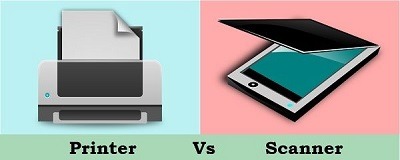
Fundamental Printers and scanners
Fundamental Printers and Scanners
Printers and scanners are essential devices that have revolutionized the way we handle physical documents and images. They play a crucial role in various settings, including offices, homes, educational institutions, and businesses. Understanding the fundamental features of printers and scanners is essential for choosing the right devices to meet specific needs. Here are the fundamental aspects of printers and scanners:
Printers:
- Printing Technology: Printers use different printing technologies, including inkjet, laser, and dot matrix. Each technology has its advantages and is suitable for specific printing needs, such as high-quality photo printing or fast text printing.
- Print Resolution: The resolution determines the sharpness and clarity of printed documents or images. Measured in dots per inch (DPI), higher resolutions result in better print quality.
- Printing Speed: Printing speed is measured in pages per minute (PPM) and indicates how fast the printer can produce printed pages. It is essential for high-volume printing tasks.
- Connectivity: Printers come with various connectivity options, including USB, Ethernet, Wi-Fi, and Bluetooth. Connectivity features enable easy integration with computers and mobile devices.
- Paper Handling: Printers can handle different paper sizes and types, such as letter, legal, envelopes, and photo paper. Duplex printing, allowing printing on both sides of the paper, is also a useful feature.
- Ink or Toner Cartridges: Inkjet printers use liquid ink cartridges, while laser printers use toner cartridges. The type of cartridges affects printing costs and maintenance requirements.
- Multifunctionality: Multifunction printers (MFPs) combine printing, scanning, copying, and sometimes faxing capabilities in a single device, providing cost and space efficiency.
- Mobile Printing: Some printers support mobile printing options, allowing users to print directly from smartphones and tablets using apps or wireless connections.
- Print Management: Advanced printers offer features like print job scheduling, secure printing, and print usage tracking for efficient print management in large organizations.
Scanners:
- Scanning Resolution: Similar to printers, scanning resolution is measured in DPI and determines the quality of scanned images or documents. Higher resolutions result in more detailed scans.
- Scan Speed: The scan speed indicates how quickly the scanner can capture and digitize images or documents. Faster scan speeds are beneficial for high-volume scanning tasks.
- Flatbed vs. Document Feeder: Scanners can have flatbed surfaces for scanning single pages or document feeders for scanning multiple pages at once, increasing efficiency.
- Optical Character Recognition (OCR): OCR software allows scanners to convert scanned documents into editable text, making it easier to work with scanned content.
- Color Depth: Color depth determines the number of colors a scanner can capture, impacting the accuracy and quality of scanned images.
- Connectivity: Scanners come with various connectivity options, such as USB, Ethernet, and wireless connections, enabling seamless integration with computers and networks.
- Scanning Software: Scanners often come with bundled software that offers features like image enhancement, file format options, and integration with cloud storage services.
- Duplex Scanning: Some scanners support duplex scanning, allowing scanning of both sides of a document in a single pass, saving time and effort.
- Automatic Document Feeder (ADF): An ADF allows scanning multiple pages without manual intervention, making it ideal for large scanning jobs.
Understanding these fundamental features of printers and scanners enables users to select the right devices that best suit their printing and scanning requirements, ensuring optimal performance and efficiency. Whether for personal, professional, or business use, printers and scanners play a crucial role in digitizing information and bringing physical documents and images into the digital world.
What is required Fundamental Printers and Scanners
The required fundamental features of printers and scanners are essential for ensuring reliable performance, efficient operation, and meeting specific printing and scanning needs. Here are the key fundamental features required for printers and scanners:
Fundamental Features of Printers:
- Printing Technology: Printers should offer different printing technologies, such as inkjet, laser, or dot matrix, to cater to various printing requirements, including text documents, graphics, and photos.
- Print Resolution: A good print resolution, measured in dots per inch (DPI), ensures high-quality and sharp print outputs, especially for images and graphics.
- Printing Speed: Printers should have an appropriate printing speed, measured in pages per minute (PPM), to handle different printing volumes efficiently.
- Connectivity Options: Printers should offer various connectivity options, including USB, Ethernet, Wi-Fi, and Bluetooth, to enable seamless integration with different devices and networks.
- Paper Handling: Printers should support multiple paper sizes and types, including standard letter, legal, envelopes, and photo paper. Duplex printing, enabling printing on both sides of the paper, is also beneficial.
- Ink or Toner Cartridges: Printers should use reliable and easily replaceable ink or toner cartridges to ensure smooth printing operations and minimize maintenance hassles.
- Multifunctionality: Multifunction printers (MFPs) that combine printing, scanning, copying, and sometimes faxing capabilities in a single device are preferred for space and cost efficiency.
- Mobile Printing: Printers that support mobile printing options, such as wireless connectivity and mobile apps, make it convenient to print from smartphones and tablets.
- Print Management: Advanced printers should offer print management features like print job scheduling, secure printing, and print usage tracking for efficient use in large organizations.
Fundamental Features of Scanners:
- Scanning Resolution: Scanners should provide sufficient scanning resolution, measured in DPI, to produce high-quality and detailed digital copies of images and documents.
- Scan Speed: Scanners should have a reasonable scan speed, measured in pages per minute (PPM) or images per minute (IPM), to handle large scanning tasks efficiently.
- Flatbed vs. Document Feeder: Scanners should offer options for both flatbed scanning, suitable for single-page items, and document feeders, ideal for multi-page documents.
- Optical Character Recognition (OCR): Scanners with OCR software allow users to convert scanned documents into editable and searchable text, increasing productivity.
- Color Depth: Scanners should support sufficient color depth to capture accurate and detailed color information in scanned images.
- Connectivity Options: Scanners should offer various connectivity options, such as USB, Ethernet, and wireless connections, for easy integration with computers and networks.
- Scanning Software: Scanners should come with bundled scanning software that provides features like image enhancement, file format options, and integration with cloud storage services.
- Duplex Scanning: Scanners supporting duplex scanning allow scanning both sides of a document in a single pass, saving time and effort.
- Automatic Document Feeder (ADF): Scanners with ADFs enable batch scanning of multiple pages without manual intervention, enhancing productivity for large scanning tasks.
By having these fundamental features, printers and scanners become versatile and efficient tools that meet the diverse needs of users, whether in home offices, businesses, educational institutions, or professional settings. The incorporation of these features ensures reliable and hassle-free printing and scanning operations, contributing to seamless document management and digitization processes.
Who is required Fundamental of Printers and Scanners
The fundamental features of printers and scanners are required by a diverse range of individuals, professionals, and organizations to fulfill various printing and scanning needs. Here are the key stakeholders who require the fundamental features of printers and scanners:
1. Individuals and Home Users:**
- Home users require printers and scanners for personal use, such as printing documents, photos, and creative projects, and for scanning family photos and important documents.
- Fundamental features like ease of use, wireless connectivity, and high-quality print resolution are crucial for a seamless home printing and scanning experience.
2. Small Businesses and Startups:
- Small businesses and startups rely on printers and scanners for day-to-day operations, including printing invoices, marketing materials, and scanning contracts and receipts.
- Cost-effective multifunction printers with reliable connectivity options and efficient document scanning capabilities are essential for their workflow.
3. Educational Institutions:
- Schools, colleges, and universities use printers for producing study materials, assignments, and event posters, while scanners are required for digitizing course materials and archival purposes.
- Fast printing speeds, high-quality resolution, and easy network integration are crucial for educational institutions.
4. Corporate Offices and Enterprises:
- Corporate offices and large enterprises heavily depend on printers and scanners for various tasks, such as printing reports, marketing collateral, and scanning contracts and legal documents.
- High-performance multifunction printers with advanced security features and efficient scanning capabilities are essential for managing large-scale document workflows.
5. Government Organizations and Public Services:
- Government agencies require printers and scanners for printing official documents, forms, and reports, as well as for scanning citizen records and archival purposes.
- Secure printing, compliance with government regulations, and reliable scanning accuracy are critical for government entities.
6. Creative Professionals and Artists:
- Photographers, graphic designers, artists, and creatives rely on high-quality printers for printing portfolios, art prints, and marketing materials.
- Scanners with high-resolution scanning and accurate color reproduction are essential for preserving and reproducing their artwork.
7. Healthcare Facilities:
- Hospitals and medical facilities require printers for printing patient records, prescription labels, and medical reports, while scanners are needed for digitizing medical documents and X-rays.
- HIPAA-compliant security features and efficient scanning capabilities are crucial for healthcare facilities.
8. Libraries and Archives:
- Libraries and archival institutions utilize scanners for digitizing rare books, historical documents, and fragile materials, while printers are essential for producing library cards, labels, and forms.
- Scanners with gentle handling features and printers with archival-grade printing are necessary for preserving valuable collections.
In conclusion, the fundamental features of printers and scanners are required by a wide range of individuals and organizations across different sectors. Whether for personal use, small businesses, large corporations, educational institutions, or specialized industries, printers and scanners with essential features ensure seamless document management, communication, and digitization processes, contributing to enhanced productivity and efficiency in various domains.
When is required Fundamentals Printers and Scanners
Fundamental printers and scanners are required in a variety of situations and settings where printing and scanning tasks are essential for day-to-day operations, document management, and communication. Here are some specific scenarios when fundamental printers and scanners are required:
1. Office Environments:
- Offices require printers for printing documents, reports, presentations, and other paperwork, while scanners are necessary for digitizing and archiving records, contracts, and invoices.
- Fundamental printers and scanners with reliable connectivity and fast printing/scanning speeds are essential for efficient office workflows.
2. Educational Institutions:
- Schools, colleges, and universities need printers for producing study materials, assignments, and administrative documents. Scanners are required for digitizing academic records and historical materials.
- User-friendly printers and scanners with mobile printing capabilities are beneficial for educational settings.
3. Small Businesses and Startups:
- Small businesses and startups rely on printers for creating marketing materials, product catalogs, and invoices. Scanners are required for scanning receipts, contracts, and other important documents.
- Cost-effective printers and scanners with multifunctionality and space-saving designs are preferred for small business setups.
4. Healthcare Facilities:
- Hospitals, clinics, and medical practices use printers for printing patient records, medical reports, and prescriptions. Scanners are needed for digitizing medical records and X-rays.
- Printers and scanners with robust security features to safeguard patient information are essential in healthcare environments.
5. Libraries and Archives:
- Libraries and archival institutions utilize scanners for digitizing rare books, historical documents, and manuscripts. Printers are required for producing library cards, labels, and catalogs.
- Scanners with gentle handling features and high-resolution capabilities are critical for preserving valuable historical materials.
6. Creative Studios and Design Agencies:
- Creative professionals, such as graphic designers, photographers, and artists, use high-quality printers for printing portfolios, marketing materials, and art prints.
- Scanners with accurate color reproduction and high-resolution capabilities are necessary for preserving and reproducing artwork.
7. Government Offices and Public Services:
- Government organizations need printers for printing official documents, forms, and reports. Scanners are required for digitizing citizen records and maintaining archives.
- Printers and scanners with secure printing and compliance features ensure data privacy and regulatory adherence.
8. Home Offices and Personal Use:
- Home users require printers for personal tasks like printing documents, photos, and creative projects. Scanners are used for digitizing family photos and important documents.
- User-friendly printers and scanners with wireless connectivity are convenient for home office setups.
In summary, fundamental printers and scanners are required in a wide range of environments, including offices, educational institutions, small businesses, healthcare facilities, creative studios, government offices, and personal use. These devices facilitate printing, scanning, and digitization tasks, enabling efficient document management, communication, and creative endeavors. Selecting printers and scanners with essential features ensures seamless operations and improved productivity in various professional and personal contexts.
Where is required Fundamental Printers and Scanners
Fundamental printers and scanners are required in various environments and settings where printing and scanning tasks are integral to daily operations, document management, and communication. Here are some specific places where the presence of fundamental printers and scanners is essential:
- Offices and Workplaces: Printers and scanners are indispensable in offices for producing documents, reports, presentations, and other paperwork. Scanning is vital for digitizing contracts, invoices, and records, leading to efficient document management.
- Educational Institutions: Schools, colleges, and universities rely on printers for creating study materials, assignments, and administrative documents. Scanners are necessary for digitizing academic records and historical materials.
- Small Businesses and Startups: Small businesses and startups require printers for generating marketing materials, product catalogs, and invoices. Scanners are essential for scanning receipts, contracts, and other important documents.
- Healthcare Facilities: Hospitals, clinics, and medical practices utilize printers for printing patient records, medical reports, and prescriptions. Scanners are crucial for digitizing medical records and X-rays.
- Libraries and Archives: Libraries and archival institutions need scanners for digitizing rare books, historical documents, and manuscripts. Printers are used for producing library cards, labels, and catalogs.
- Creative Studios and Design Agencies: Creative professionals, such as graphic designers, photographers, and artists, rely on high-quality printers for printing portfolios, marketing materials, and art prints.
- Government Offices and Public Services: Government organizations require printers for printing official documents, forms, and reports. Scanners are used for digitizing citizen records and maintaining archives.
- Home Offices and Personal Use: Home users require printers for personal tasks like printing documents, photos, and creative projects. Scanners are used for digitizing family photos and important documents.
- Retail Stores: Retail businesses use printers for generating receipts, invoices, and price tags. Scanners are employed for inventory management and barcode scanning.
- Manufacturing and Warehouses: In manufacturing and warehousing settings, printers and scanners are used for printing shipping labels, tracking inventory, and managing production documentation.
- Hospitality Industry: Hotels and restaurants utilize printers for printing guest receipts, orders, and bills. Scanners are used for managing guest registration and documentation.
- Legal Firms: Law offices require printers for printing legal documents, contracts, and court filings. Scanners are necessary for digitizing legal records and research materials.
- Research Institutions: Research facilities use scanners for digitizing research papers, historical documents, and scientific records. Printers are utilized for printing research publications and reports.
- Public Libraries: Public libraries require scanners for digitizing historical books and manuscripts, making them accessible to a broader audience. Printers are used for printing library cards and notices.
In summary, fundamental printers and scanners are required in a diverse array of environments, ranging from offices, educational institutions, and healthcare facilities to creative studios, retail stores, and research institutions. These devices play a pivotal role in enhancing productivity, efficient document management, and digitization in various professional, educational, and personal contexts.
How is required Fundamental Printers and Scanners
Fundamental printers and scanners are required to meet essential printing and scanning needs efficiently and effectively. These devices play a vital role in facilitating document management, communication, and digitization processes across various settings. Here’s how the required fundamental features of printers and scanners ensure their importance:
1. Efficient Document Handling: Fundamental printers and scanners offer quick and reliable document handling capabilities. Printers with high printing speeds and scanners with fast scanning speeds allow users to process large volumes of documents without delays, enhancing productivity in offices, educational institutions, and businesses.
2. High-Quality Output: Printers with good print resolution and color depth produce high-quality prints with sharp text and vibrant images. Similarly, scanners with high-resolution scanning capabilities ensure accurate reproduction of scanned documents and images, making them suitable for creative professionals, artists, and researchers.
3. Versatility: Fundamental printers and scanners often come with multifunctionality, allowing them to perform tasks beyond printing and scanning. Multifunction printers (MFPs) can also copy and fax, while versatile scanners can handle various media types, including photos, documents, and artwork.
4. Connectivity Options: Printers and scanners with diverse connectivity options, such as USB, Ethernet, Wi-Fi, and Bluetooth, ensure seamless integration with different devices and networks. This versatility enables users to print and scan from computers, smartphones, and tablets, catering to the needs of modern workflows and mobile connectivity.
5. Cost-Effectiveness: Fundamental printers and scanners are designed with cost-effectiveness in mind. They offer a balance between performance and price, making them suitable for small businesses, home users, and educational institutions with budget constraints.
6. User-Friendly Design: These devices often feature user-friendly interfaces, intuitive controls, and easy setup processes. This ensures that even non-technical users can operate them without difficulty, making them accessible to a wide range of users.
7. Reliability and Durability: Fundamental printers and scanners are built to be reliable and durable, ensuring they can handle daily usage and last for an extended period. This is crucial in office environments, libraries, and other settings with high demand.
8. Security Features: Some fundamental printers and scanners come with security features, such as secure printing and user authentication, protecting sensitive documents and data from unauthorized access.
9. Space-Saving Designs: Compact and space-saving designs of fundamental printers and scanners are essential for home offices, small businesses, and environments with limited space.
10. Environmental Considerations: Many fundamental printers and scanners are designed with energy-saving features and eco-friendly practices, reducing their environmental impact and operational costs.
In summary, the required fundamental features of printers and scanners ensure they cater to the diverse needs of individuals, businesses, educational institutions, and public services. From producing high-quality prints to efficient document digitization and seamless connectivity, these devices play a crucial role in enhancing productivity, communication, and creativity in the modern digital world. Their cost-effectiveness, reliability, and user-friendly design make them indispensable tools in various settings, supporting both personal and professional tasks.
Case study on Fundamental Printers and Scanners
Title: Enhancing Office Efficiency with Fundamental Printers and Scanners
Introduction: ABC Solutions is a growing business consultancy firm, providing expert services to clients in various industries. As the company expanded, it faced challenges in managing the growing volume of paperwork and the need for seamless document sharing and collaboration. To address these challenges, ABC Solutions decided to invest in fundamental printers and scanners to enhance office efficiency, productivity, and document management. This case study explores how the implementation of these devices transformed the company’s operations and improved overall efficiency.
Challenges:
- Document Management: The company was dealing with an increasing number of paper documents, making it challenging to organize, store, and access information efficiently.
- Slow Document Processing: Traditional printing and scanning methods were time-consuming, leading to delays in responding to client requests and internal tasks.
- Collaboration Barriers: Lack of efficient document sharing and collaboration tools hindered seamless teamwork and client communication.
- Space Constraints: The office space was limited, requiring the adoption of compact and space-saving solutions for printing and scanning.
Approach: ABC Solutions decided to address these challenges by investing in fundamental printers and scanners equipped with essential features for improved efficiency and productivity. The key approach included:
- Multifunction Printers (MFPs): The company selected MFPs that offered printing, scanning, copying, and faxing capabilities in a single device, streamlining document processing.
- High-Speed Printing and Scanning: The selected printers and scanners boasted high printing and scanning speeds to minimize wait times and boost overall productivity.
- Advanced Connectivity: The devices came with various connectivity options, including Wi-Fi and mobile printing, enabling seamless integration with employees’ devices and mobile workstations.
- Secure Printing and Scanning: Security features, such as user authentication and secure print release, were implemented to protect sensitive client information and prevent unauthorized access.
- Cloud Integration: The printers and scanners were integrated with cloud storage and collaboration platforms, allowing easy sharing and access to documents across teams and clients.
Results: The implementation of fundamental printers and scanners resulted in significant improvements for ABC Solutions:
- Streamlined Document Management: The MFPs allowed the company to digitize paper documents quickly, streamlining document storage, retrieval, and archiving.
- Faster Document Processing: High-speed printing and scanning reduced turnaround time for client deliverables and internal reports, improving overall efficiency.
- Enhanced Collaboration: Cloud integration enabled real-time document sharing and collaboration, fostering better teamwork and communication with clients.
- Space Optimization: Compact and space-saving printer and scanner designs fit well in the limited office space, maximizing productivity without compromising on functionality.
- Improved Security: Secure printing and scanning features ensured confidentiality and compliance with data protection regulations, enhancing trust with clients.
Conclusion: The adoption of fundamental printers and scanners revolutionized ABC Solutions’ office operations, addressing document management challenges, and improving collaboration and efficiency. The implementation of multifunction devices, high-speed capabilities, advanced connectivity, and secure features transformed the way the company handled paperwork and enhanced client interactions. As a result, ABC Solutions experienced increased productivity, streamlined workflows, and strengthened client relationships, positioning itself as a more competitive and efficient business consultancy firm in the market. This case study demonstrates the transformative impact of fundamental printers and scanners in optimizing office operations and meeting the evolving demands of a growing business.
White paper on Fundamental of Printers and Scanners
Title: Fundamental of Printers and Scanners: Empowering Document Management and Digital Transformation
Abstract: The rapid digital transformation in the modern world has underscored the importance of fundamental printers and scanners as essential tools for efficient document management and seamless integration of physical and digital workflows. This white paper delves into the fundamental features of printers and scanners, exploring their significance in various environments, including offices, educational institutions, healthcare facilities, and creative studios. From high-quality printing to accurate scanning and advanced connectivity options, this paper showcases how fundamental printers and scanners empower organizations to embrace a paperless future while enhancing productivity and collaboration.
Table of Contents:
- Introduction
- The Evolution of Printers and Scanners: From Traditional to Fundamental
- The Relevance of Fundamental Devices in the Digital Age
- Printing Technology: Unleashing Creativity and Communication
- Inkjet Printers: Versatile and High-Quality Printing
- Laser Printers: Fast and Efficient Text Printing
- Dot Matrix Printers: Niche Applications and Impact
- Print Resolution: A Window to Visual Excellence
- DPI and its Impact on Print Quality
- High-Resolution Printing for Graphics and Photos
- Balancing Resolution and Printing Speed
- Scanning Technology: Digitizing the World
- Flatbed Scanners: Versatile and Accurate Scanning
- Document Feeders: Efficient Batch Scanning
- Specialized Scanners for Unique Needs
- Scanning Resolution: Preserving Detail and Accuracy
- Understanding DPI in Scanning
- Optical Character Recognition (OCR) for Enhanced Scanned Documents
- Color Depth and True-to-Life Reproduction
- Connectivity Options: Bridging the Physical and Digital Worlds
- USB, Ethernet, and Wireless Connectivity
- Mobile Printing and Scanning for Modern Workflows
- Cloud Integration for Seamless Collaboration
- Multifunctionality: The Power of Versatility
- Multifunction Printers (MFPs) for Space and Cost Efficiency
- MFPs in Home Offices, Small Businesses, and Educational Institutions
- Scalability and Customization of MFP Features
- Security Features: Safeguarding Sensitive Information
- Secure Printing and User Authentication
- Secure Scanning and Data Encryption
- Compliance and Privacy Considerations
- Environmental Impact: Eco-Friendly Practices
- Energy Efficiency and Sustainable Design
- Recycled Materials and Green Printing Solutions
- Encouraging Responsible Printing Practices
- Innovation in Printers and Scanners: The Future Ahead
- AI and Smart Printing Technologies
- 3D Printing and Emerging Applications
- Integration with IoT and Smart Home Systems
- Conclusion: Embracing the Fundamental of Printers and Scanners
- Empowering Document Management and Digital Transformation
- The Role of Fundamental Devices in Enhancing Productivity and Collaboration
- Embracing a Sustainable and Paperless Future
Conclusion: Fundamental printers and scanners have become indispensable components of the modern digital landscape, empowering organizations to enhance document management, collaboration, and digital transformation. From high-quality printing to accurate scanning and advanced connectivity options, these devices serve diverse needs across various sectors, including offices, education, healthcare, and creative industries. As technology continues to evolve, embracing the fundamental features of printers and scanners ensures that organizations can optimize workflows, minimize environmental impact, and navigate the paperless future with confidence. This white paper highlights the significance of fundamental printers and scanners in enabling seamless integration between the physical and digital worlds, shaping a more efficient and sustainable future.