
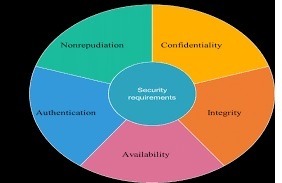
Fundamental security
Fundamental security refers to the basic principles, practices, and measures implemented to protect computer systems, networks, and data from unauthorized access, threats, and vulnerabilities. It forms the foundation of a comprehensive security posture and is crucial for maintaining the confidentiality, integrity, and availability of information assets. Here are some key aspects of fundamental security:
- Access Control:
- User Authentication: Employ strong authentication methods such as passwords, biometrics, or two-factor/multi-factor authentication to ensure that only authorized individuals can access the system.
- User Authorization: Assign appropriate access rights and privileges to users based on their roles and responsibilities, implementing the principle of least privilege.
- User Account Management: Regularly review and update user accounts, disabling or removing unnecessary accounts to minimize potential attack vectors.
- Network Security:
- Firewalls: Implement firewalls to monitor and control incoming and outgoing network traffic, preventing unauthorized access and protecting against network-based attacks.
- Intrusion Detection and Prevention Systems (IDS/IPS): Deploy IDS/IPS solutions to detect and prevent suspicious activities or attacks on the network.
- Network Segmentation: Divide the network into segments to isolate sensitive data and limit the spread of potential threats.
- Malware Protection:
- Antivirus Software: Utilize up-to-date antivirus software to detect, prevent, and remove malware from computer systems.
- Regular Patching: Keep operating systems, software, and firmware updated with the latest security patches to address known vulnerabilities and protect against exploits.
- Data Protection:
- Data Encryption: Encrypt sensitive data at rest and in transit to prevent unauthorized access, ensuring that even if data is compromised, it remains unreadable.
- Backup and Recovery: Regularly back up critical data and establish a reliable backup and recovery process to mitigate the impact of data loss or system failures.
- Data Privacy: Comply with data protection regulations and best practices to safeguard the privacy and confidentiality of personal and sensitive information.
- Security Awareness and Training:
- User Education: Provide regular security awareness training to educate users about potential risks, safe computing practices, and the importance of security policies.
- Incident Response: Establish an incident response plan to efficiently address and mitigate security incidents, minimizing the impact on the organization.
- Physical Security:
- Secure Physical Access: Implement physical security measures such as locked server rooms, restricted access areas, and surveillance systems to protect hardware and infrastructure.
- Asset Management: Maintain an inventory of hardware and software assets, ensuring proper tracking and monitoring to prevent unauthorized access or loss.
- Security Monitoring:
- Log Monitoring: Regularly review and analyze system logs for signs of suspicious activities or anomalies.
- Security Information and Event Management (SIEM): Deploy SIEM solutions to centralize log data, monitor security events, and detect potential threats.
- Incident Detection and Response: Implement processes and tools to detect, investigate, and respond to security incidents promptly.
These fundamental security measures provide a solid foundation for protecting computer systems, networks, and data from a wide range of threats. It is important to regularly assess and update security measures to adapt to evolving threats and ensure ongoing protection.
What is required Fundamental security
Fundamental security requires a combination of practices, technologies, and policies to establish a robust security posture. Here are some essential elements that are typically required for fundamental security:
- Risk Assessment:
- Identify and assess potential security risks and vulnerabilities to understand the threats that may impact the system.
- Conduct regular risk assessments to identify emerging risks and prioritize security efforts accordingly.
- Security Policies and Procedures:
- Develop and enforce security policies and procedures that outline acceptable use, access controls, incident response, and other security-related guidelines.
- Ensure policies are communicated to all users and regularly reviewed and updated to align with changing security needs.
- Security Awareness and Training:
- Provide comprehensive security awareness training to educate users about common threats, social engineering techniques, and best practices for secure computing.
- Foster a security-conscious culture where employees are actively engaged in maintaining security and reporting potential issues.
- Access Control:
- Implement strong authentication mechanisms such as passwords, biometrics, or two-factor/multi-factor authentication to verify the identity of users.
- Assign and manage user access rights and privileges based on the principle of least privilege to limit unauthorized access.
- Network Security:
- Deploy firewalls, intrusion detection systems (IDS), and intrusion prevention systems (IPS) to monitor and control network traffic, detect and prevent unauthorized access and malicious activities.
- Use virtual private networks (VPNs) for secure remote access to the network.
- Malware Protection:
- Utilize up-to-date antivirus software, anti-malware solutions, and anti-spyware tools to detect and prevent malware infections.
- Regularly update software and operating systems with security patches to address known vulnerabilities.
- Data Protection:
- Encrypt sensitive data both at rest and in transit to protect against unauthorized access and data breaches.
- Regularly back up critical data and maintain secure backup storage to ensure data availability and recoverability.
- Incident Response:
- Develop an incident response plan outlining the steps to be taken in the event of a security incident or breach.
- Establish a designated incident response team responsible for detecting, investigating, containing, and recovering from security incidents.
- Security Monitoring and Logging:
- Implement security monitoring tools to detect and alert on potential security events and anomalies.
- Centralize and analyze system logs to identify signs of compromise or suspicious activities.
- Physical Security:
- Secure physical access to facilities, server rooms, and data centers through access controls, surveillance systems, and visitor management protocols.
- Protect hardware and mobile devices from theft or unauthorized access.
- Compliance and Regulatory Requirements:
- Ensure compliance with relevant industry regulations and legal requirements pertaining to security and privacy.
- Regularly audit security controls and procedures to ensure adherence to compliance standards.
- Regular Assessments and Updates:
- Conduct periodic security assessments, penetration testing, and vulnerability scans to identify and address potential weaknesses.
- Stay updated with the latest security trends, threats, and best practices, and adapt security measures accordingly.
Fundamental security requires a holistic approach that encompasses people, processes, and technology. It is essential to continuously evaluate and enhance security measures to address new threats and vulnerabilities and protect against evolving risks.
Who is required Fundamental security
Fundamental security is required by various individuals and entities to ensure the protection of computer systems, networks, and data. The following stakeholders are typically involved in implementing and maintaining fundamental security:
- Individuals/Users:
- Users of computer systems and networks play a crucial role in adhering to security policies, following best practices, and being vigilant about potential threats.
- Individuals are responsible for maintaining strong passwords, avoiding suspicious email attachments or links, and practicing safe browsing habits.
- Organizations:
- Organizations of all sizes and types, including businesses, government agencies, educational institutions, and non-profit organizations, require fundamental security to protect their digital assets and information.
- Organizations must establish security policies, provide training to employees, and allocate resources for implementing and maintaining security measures.
- IT Departments/Security Teams:
- IT departments and dedicated security teams within organizations are responsible for implementing, managing, and monitoring fundamental security measures.
- They handle tasks such as network configuration, access controls, software updates, incident response, and security monitoring.
- System Administrators:
- System administrators are responsible for managing and securing computer systems, servers, and networks within an organization.
- They configure access controls, maintain user accounts, apply security patches, and monitor system performance and security.
- Security Professionals:
- Security professionals, such as information security officers, cybersecurity analysts, and ethical hackers, provide expertise and guidance in designing, implementing, and assessing security measures.
- They conduct risk assessments, develop security policies, perform security audits, and respond to security incidents.
- Software and Hardware Manufacturers:
- Manufacturers of software and hardware components play a crucial role in ensuring the security of their products.
- They are responsible for developing secure coding practices, incorporating security features, releasing timely security patches and updates, and providing documentation and support.
- Regulatory Bodies and Industry Standards Organizations:
- Regulatory bodies and industry standards organizations establish guidelines and requirements for fundamental security.
- They develop frameworks, standards, and best practices that organizations can follow to ensure compliance and improve their security posture.
- Users of Digital Services:
- Individuals who use online services, such as banking platforms, e-commerce websites, and social media platforms, also rely on fundamental security measures implemented by service providers.
- They expect their personal information and transactions to be protected from unauthorized access and cyber threats.
All these stakeholders collaborate to establish a comprehensive security ecosystem that safeguards computer systems, networks, and data from potential threats and vulnerabilities. It is a collective effort to ensure fundamental security across various levels and domains.
When is required Fundamental security
Fundamental security is required at all times to protect computer systems, networks, and data from potential threats and vulnerabilities. It is an ongoing and continuous process rather than a one-time task. Here are some instances when fundamental security is particularly crucial:
- System Deployment:
- When setting up new computer systems, networks, or infrastructure, it is essential to implement fundamental security measures from the beginning to establish a strong security foundation.
- System Updates and Patches:
- Regularly applying security updates, patches, and firmware upgrades is crucial to address known vulnerabilities and protect against emerging threats. This applies to operating systems, software applications, and firmware of various components.
- Network Changes:
- Any changes to network configurations, such as adding new devices, modifying access controls, or expanding the network, require careful consideration of fundamental security practices to ensure that the network remains secure.
- User Provisioning and Termination:
- When granting user access to computer systems, networks, and data, it is important to follow proper authentication and authorization processes, assign appropriate access rights, and enforce security policies.
- Similarly, when an employee or user leaves an organization, their access privileges should be promptly revoked to prevent unauthorized access.
- Data Handling and Storage:
- Proper data handling and storage practices are essential to maintain data confidentiality and integrity. This includes encrypting sensitive data, implementing access controls, and securely storing and backing up data.
- Incident Response:
- In the event of a security incident or breach, fundamental security practices guide the organization’s response. This includes quickly detecting and containing the incident, investigating its scope and impact, mitigating damage, and implementing measures to prevent future incidents.
- Employee Training and Awareness:
- Regular security awareness training for employees is necessary to ensure they are aware of potential threats, understand security policies and procedures, and can follow best practices to protect the organization’s assets.
- Compliance and Regulatory Requirements:
- Many industries and organizations have specific compliance and regulatory requirements related to security and privacy. Fundamental security practices are necessary to meet these obligations and protect against legal and regulatory consequences.
- Ongoing Monitoring and Assessment:
- Continuous monitoring, auditing, and assessment of security controls, logs, and systems are essential to identify and address security vulnerabilities, emerging threats, and evolving risks.
Fundamental security is not limited to specific events or occasions but should be ingrained in the regular operations and practices of organizations and individuals. It is a proactive and ongoing effort to protect against threats and ensure the overall security and integrity of computer systems, networks, and data.
Where is required Fundamental security
Fundamental security is required in various environments and contexts where computer systems, networks, and data are present. Here are some key areas where fundamental security is necessary:
- Home Environments:
- Individuals need to implement fundamental security measures to protect their personal computers, home networks, and sensitive data from potential threats such as malware, unauthorized access, and identity theft.
- Small and Medium-Sized Businesses (SMBs):
- SMBs need to establish fundamental security practices to safeguard their computer systems, networks, and customer data. This includes implementing firewalls, secure access controls, regular software updates, and employee security awareness training.
- Enterprise Organizations:
- Large organizations with complex networks, numerous users, and vast amounts of data must prioritize fundamental security. They need to employ advanced security measures such as intrusion detection and prevention systems, encryption, security incident response plans, and security operations centers (SOCs).
- Government Agencies:
- Government entities at the local, state, and national levels require fundamental security to protect sensitive information, critical infrastructure, and citizen data. They must comply with security regulations and implement secure networks, access controls, encryption, and incident response protocols.
- Educational Institutions:
- Schools, colleges, and universities handle vast amounts of student and staff data. They must implement fundamental security practices to protect this data, secure networks, and ensure safe internet usage. Security measures may include content filtering, access controls, data encryption, and security awareness training.
- Healthcare Facilities:
- Healthcare organizations store sensitive patient data, making them prime targets for cyberattacks. Fundamental security is necessary to protect patient records, medical devices, and communication networks. Measures such as access controls, encryption, regular security assessments, and staff training are critical.
- Financial Institutions:
- Banks, insurance companies, and other financial institutions deal with highly sensitive financial data and transactions. They require robust fundamental security to protect against fraud, data breaches, and unauthorized access. Security measures include secure networks, encryption, multi-factor authentication, and constant monitoring.
- E-commerce and Online Services:
- Online businesses and service providers that handle customer data, payment information, and online transactions must prioritize fundamental security. They need secure web applications, strong authentication mechanisms, encryption, secure payment gateways, and protection against DDoS attacks and other cyber threats.
- Critical Infrastructure:
- Industries such as energy, transportation, and telecommunications rely on critical infrastructure systems that must be protected from cyber threats. Fundamental security measures include securing control systems, access controls, network segmentation, intrusion detection systems, and incident response plans.
- Cloud Computing Environments:
- With the increasing adoption of cloud services, organizations need to ensure fundamental security in their cloud computing environments. This includes secure access controls, encryption of data in transit and at rest, strong identity and access management, and regular audits and assessments.
Fundamental security is essential in any environment where computer systems, networks, and data are present, regardless of the size or industry. It is crucial to protect against potential threats, maintain data confidentiality, integrity, and availability, and ensure the smooth and secure operation of digital infrastructure.
How is required Fundamental security
Fundamental security is required to establish a robust and effective security framework for protecting computer systems, networks, and data. It involves implementing various practices and measures to mitigate risks and vulnerabilities. Here are some ways in which fundamental security is required:
- Risk Assessment and Planning:
- Conducting regular risk assessments to identify potential security risks and vulnerabilities specific to the environment.
- Developing a security plan that outlines the necessary security controls, policies, and procedures to address identified risks.
- Access Control:
- Implementing strong authentication mechanisms, such as passwords, biometrics, or two-factor/multi-factor authentication, to verify the identity of users.
- Assigning appropriate access rights and permissions to users based on their roles and responsibilities, following the principle of least privilege.
- Regularly reviewing and updating access controls to adapt to changing user requirements and organizational needs.
- Network Security:
- Deploying firewalls, intrusion detection systems (IDS), and intrusion prevention systems (IPS) to monitor and filter network traffic, identifying and preventing unauthorized access and malicious activities.
- Implementing network segmentation to isolate sensitive data and limit the impact of potential breaches.
- Encrypting network traffic using virtual private networks (VPNs) for secure remote access and data transmission.
- Malware Protection:
- Installing and regularly updating antivirus software and anti-malware solutions to detect and remove malicious software.
- Educating users about the risks of malware and safe computing practices, such as avoiding suspicious downloads and email attachments.
- Data Protection:
- Encrypting sensitive data at rest and in transit to prevent unauthorized access.
- Implementing backup and recovery mechanisms to ensure data availability and resilience in the event of data loss or system failures.
- Adhering to data privacy regulations and guidelines to protect personal and sensitive information.
- Security Awareness and Training:
- Conducting regular security awareness training sessions to educate users about security best practices, common threats, and their roles and responsibilities.
- Promoting a culture of security awareness and encouraging users to report potential security incidents or concerns.
- Incident Response:
- Developing and implementing an incident response plan to quickly and effectively respond to security incidents, minimizing their impact.
- Establishing incident response teams, defining roles and responsibilities, and conducting regular drills and exercises to test and improve the response capabilities.
- Regular Auditing and Monitoring:
- Implementing logging and monitoring systems to track and analyze security events and activities.
- Conducting regular security audits and assessments to identify weaknesses, vulnerabilities, and non-compliance with security policies and standards.
- Vendor Management:
- Ensuring that third-party vendors and suppliers adhere to security standards and requirements.
- Conducting due diligence and risk assessments when engaging with vendors who have access to sensitive data or critical systems.
- Compliance and Regulatory Requirements:
- Ensuring compliance with applicable laws, regulations, and industry-specific security standards.
- Regularly reviewing and updating security measures to align with changing compliance requirements.
Fundamental security is an ongoing process that requires proactive planning, implementation, and monitoring. It involves a combination of technical controls, user awareness, policies, and procedures to create a secure environment for computer systems, networks, and data. Regular updates, assessments, and improvements are necessary to address evolving threats and maintain a strong security posture.
Case study on Fundamental security
Title: Enhancing Fundamental Security in a Financial Institution
Abstract: This case study focuses on a financial institution’s efforts to enhance fundamental security measures to protect sensitive customer data, prevent fraud, and ensure regulatory compliance. The organization recognized the importance of implementing robust security practices to safeguard its systems, networks, and customer information. The case study highlights the steps taken by the financial institution to strengthen fundamental security, the challenges faced, and the outcomes achieved.
- Background:
- The financial institution operates multiple branches and offers a wide range of banking services, including online and mobile banking.
- The organization identified the need to bolster its fundamental security measures due to increasing cyber threats, regulatory requirements, and customer expectations for secure financial transactions.
- Risk Assessment and Security Planning:
- Conducted a comprehensive risk assessment to identify potential security risks and vulnerabilities.
- Developed a security plan outlining specific measures to address the identified risks and enhance overall security posture.
- Access Control:
- Implemented multi-factor authentication for all online banking transactions to ensure strong user authentication and prevent unauthorized access.
- Regularly reviewed and updated access controls to align with changing regulatory requirements and industry best practices.
- Network Security:
- Deployed robust firewalls, intrusion detection and prevention systems (IDPS), and advanced threat protection solutions to monitor and protect the organization’s network infrastructure.
- Conducted regular network vulnerability assessments and penetration testing to identify and address potential weaknesses.
- Data Protection:
- Implemented strong encryption protocols for sensitive customer data at rest and in transit.
- Enhanced data backup and recovery mechanisms to ensure data availability and resilience.
- Security Awareness and Training:
- Conducted regular security awareness training sessions for employees to educate them about common cyber threats, social engineering techniques, and best practices for secure computing.
- Established a reporting mechanism for employees to report security incidents and concerns promptly.
- Incident Response:
- Developed and implemented a robust incident response plan to ensure a timely and effective response to security incidents.
- Established an incident response team trained in handling security incidents, including incident containment, forensic investigations, and recovery processes.
- Compliance and Regulatory Requirements:
- Ensured compliance with financial industry regulations, including data privacy laws, PCI DSS, and KYC (Know Your Customer) requirements.
- Conducted regular audits and assessments to validate compliance with security standards and regulations.
- Vendor Management:
- Implemented a vendor risk management program to assess and monitor the security practices of third-party vendors.
- Ensured that vendors with access to sensitive data or critical systems adhered to stringent security standards and contractual obligations.
- Ongoing Monitoring and Improvement:
- Implemented security monitoring tools to continuously monitor the organization’s systems, networks, and data for potential security incidents or anomalies.
- Conducted periodic security assessments and updates to address emerging threats and vulnerabilities.
- Outcomes:
- Strengthened fundamental security measures significantly reduced the risk of data breaches and unauthorized access to customer information.
- Increased customer confidence in the security of online banking services, leading to higher customer satisfaction and retention rates.
- Achieved compliance with regulatory requirements and reduced the organization’s exposure to legal and financial risks.
- Improved incident response capabilities, enabling faster detection, containment, and mitigation of security incidents.
Conclusion: This case study demonstrates the importance of implementing fundamental security measures to protect sensitive data, prevent unauthorized access, and ensure regulatory compliance in a financial institution. By addressing security risks through comprehensive risk assessments, access controls, network security, data protection, and employee training, the organization enhanced its security posture and reduced the potential impact of security incidents. Ongoing monitoring, compliance, and continuous improvement remain essential to maintain a strong and resilient security framework.
White paper on Fundamental security
Title: Ensuring Fundamental Security: Best Practices and Strategies
Abstract: This white paper provides an in-depth exploration of fundamental security and its significance in today’s digital landscape. It discusses the evolving threat landscape, the importance of fundamental security measures, and provides actionable insights and best practices to establish a strong security foundation. The paper aims to assist organizations and individuals in implementing effective strategies to protect their computer systems, networks, and data from potential risks and vulnerabilities.
Table of Contents:
- Introduction
- The Changing Threat Landscape
- Importance of Fundamental Security
- Understanding Fundamental Security
- Definition and Scope
- Core Principles of Fundamental Security
- Key Components of Fundamental Security
- Risk Assessment and Management
- Access Control
- Network Security
- Data Protection
- Security Awareness and Training
- Incident Response
- Compliance and Regulatory Requirements
- Best Practices for Ensuring Fundamental Security
- Conducting Regular Risk Assessments
- Implementing Strong Authentication Mechanisms
- Securing Networks with Firewalls and Intrusion Detection/Prevention Systems
- Encrypting Sensitive Data
- Promoting Security Awareness and Training Programs
- Developing an Effective Incident Response Plan
- Ensuring Compliance with Applicable Regulations
- Strategies for Effective Implementation
- Establishing Security Policies and Procedures
- Adopting Defense-in-Depth Approach
- Conducting Regular Security Audits and Assessments
- Partnering with Trusted Vendors and Service Providers
- Implementing Continuous Monitoring and Incident Detection
- Prioritizing Patch Management and Software Updates
- Challenges and Considerations
- Balancing Security and Usability
- Addressing Resource Limitations
- Adapting to Emerging Threats and Technologies
- Case Studies: Real-world Examples of Fundamental Security Implementation
- Financial Institution: Strengthening Security for Customer Data Protection
- Healthcare Facility: Safeguarding Patient Privacy and Medical Systems
- E-commerce Platform: Ensuring Secure Transactions and User Data Protection
- Future Trends and Emerging Technologies
- Artificial Intelligence and Machine Learning in Security
- Blockchain and Distributed Ledger Technology
- Internet of Things (IoT) Security Considerations
- Conclusion
- The Importance of Fundamental Security
- Embracing a Proactive and Comprehensive Security Approach
References:
- List of relevant sources, standards, and guidelines.
This white paper provides a comprehensive overview of fundamental security, offering practical guidance and real-world examples to help organizations and individuals establish a robust security foundation. By implementing the best practices and strategies outlined in this paper, stakeholders can enhance their security posture, mitigate risks, and protect their computer systems, networks, and data from potential threats. Embracing fundamental security is essential in today’s interconnected and rapidly evolving digital landscape.