
Fundamentals of Computers and operating system
Certainly! Let’s explore the fundamentals of computers and operating systems.
Fundamentals of Computers:
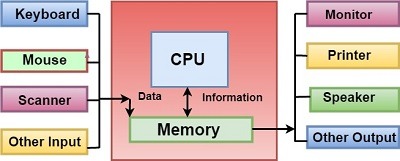
- Hardware: Computers consist of physical components such as the central processing unit (CPU), memory (RAM), storage devices (hard drives, solid-state drives), input devices (keyboard, mouse), output devices (monitor, printer), and more. Hardware components work together to perform computing tasks.
- Software: Software refers to the programs, applications, and operating systems that run on computers. There are two main categories of software: system software (e.g., operating systems) and application software (e.g., word processors, web browsers).
- Data: Computers process and store data, which can be in the form of text, images, videos, numbers, etc. Data is manipulated by software to perform various tasks.
- Processing: The CPU is the “brain” of the computer. It executes instructions from software by performing arithmetic and logical operations, controlling data flow, and managing tasks.
- Memory: Computers have different types of memory, such as RAM (Random Access Memory) and ROM (Read-Only Memory). RAM is used to store data and instructions that the CPU needs while actively working on tasks, while ROM contains permanent instructions needed during startup.
- Storage: Computers use storage devices to store data even when the computer is turned off. This includes hard drives, solid-state drives, CDs, DVDs, and more.
- Input and Output: Input devices allow users to interact with computers (keyboard, mouse, touchscreens), while output devices display or provide results (monitor, printer, speakers).
Operating Systems:
- Definition: An operating system (OS) is system software that manages hardware and software resources, provides services to applications, and allows users to interact with the computer.
- Functions of an OS:
- Process Management: The OS manages processes (running programs) by allocating CPU time, memory space, and other resources.
- Memory Management: It ensures efficient use of memory resources, including RAM, by allocating and deallocating memory for processes.
- File System Management: The OS manages files on storage devices, including organizing, storing, retrieving, and deleting files.
- Device Management: It controls input and output devices, handling their communication with applications.
- User Interface: The OS provides a user interface that allows users to interact with the computer, either through a graphical user interface (GUI) or a command-line interface (CLI).
- Security and Access Control: The OS enforces security measures to protect data and restrict unauthorized access.
- Networking: Many modern operating systems include networking features to allow computers to communicate over networks.
- Types of Operating Systems:
- Single-User, Single-Tasking: Can handle one user and one task at a time (e.g., early versions of MS-DOS).
- Single-User, Multi-Tasking: Can run multiple applications simultaneously for one user (e.g., Windows, macOS).
- Multi-User: Supports multiple users simultaneously (e.g., Linux servers).
- Real-Time Operating System (RTOS): Designed for real-time applications like robotics, industrial automation, and embedded systems.
- Popular Operating Systems:
- Windows: Developed by Microsoft, used in personal computers and servers.
- macOS: Developed by Apple, used exclusively on Apple’s hardware.
- Linux: Open-source OS available in various distributions, used in servers, desktops, and embedded systems.
Understanding the fundamentals of computers and operating systems is crucial for anyone working with technology, as it forms the foundation for more advanced topics in computing and IT.
What is required Fundamentals of Computers and operating system
The required fundamentals of computers and operating systems encompass foundational knowledge that individuals in the field of information technology and computer science should possess. These fundamentals are essential for understanding the inner workings of computers, how they interact with software, and how operating systems manage these processes. Here’s an overview of the required fundamentals:
Fundamentals of Computers:
- Computer Architecture: Understand the components of a computer system, including the CPU, memory, storage devices, input/output devices, and buses that connect them.
- Binary Representation: Comprehend how computers use binary (base-2) representation to store and process data, including numbers, text, images, and other forms of information.
- Data Types and Representation: Learn about different data types (integer, floating-point, character) and how they are represented in memory.
- Logic Gates and Boolean Algebra: Gain knowledge of logic gates (AND, OR, NOT) and how they form the basis of digital circuits. Understand Boolean algebra and its applications in designing logic circuits.
- Machine Language and Assembly Language: Explore the basics of machine language and assembly language, including instruction formats, mnemonics, and their role in low-level programming.
- Memory Hierarchy: Understand the levels of memory hierarchy, from registers and cache to main memory and secondary storage, and how data is transferred between these levels.
- CPU Operations: Learn about the fetch-decode-execute cycle, the role of the program counter, and the execution of machine instructions by the CPU.
- Input and Output Operations: Understand how input and output devices interface with the computer, and how data is transferred between these devices and memory.
Operating System Fundamentals:
- Functions of an Operating System: Grasp the core functions of an operating system, including process management, memory management, file system management, device management, user interface, and security.
- Process Management: Understand how the operating system manages processes, including process creation, scheduling, context switching, and synchronization.
- Memory Management: Learn about memory allocation, virtual memory, paging, and segmentation, and how the operating system ensures efficient memory usage.
- File System Concepts: Comprehend the structure of file systems, directory hierarchies, and techniques for managing files, directories, and storage devices.
- Device Management: Gain insights into how the operating system interacts with input and output devices, including device drivers, buffering, and interrupt handling.
- User Interfaces: Understand different types of user interfaces, such as graphical user interfaces (GUIs) and command-line interfaces (CLIs), and their role in user interaction.
- Security and Access Control: Learn about user authentication, authorization, encryption, and other security measures implemented by operating systems.
- Networking: Explore how operating systems support networking functionalities, including network protocols, socket programming, and network configuration.
- Types of Operating Systems: Familiarize yourself with various types of operating systems, such as single-user, multi-user, real-time, and embedded systems.
- Operating System Examples: Study popular operating systems like Windows, macOS, Linux, and Unix, understanding their features and use cases.
These fundamentals provide the basis for more advanced concepts in computer science and information technology. Whether you’re pursuing a career in programming, system administration, or any IT-related field, a solid understanding of these concepts is crucial for success.
Who is required Fundamentals of Computers and operating system
The understanding of fundamentals of computers and operating systems is essential for a wide range of individuals, particularly those who work or intend to work in fields related to information technology, computer science, software development, system administration, and more. Here are some groups of people who require a strong grasp of these fundamentals:
- Computer Science Students: Students pursuing degrees or courses in computer science, information technology, or related disciplines need a solid foundation in computer and operating system fundamentals as these concepts are the building blocks for more advanced studies.
- Software Developers: Programmers and software developers must understand how computers operate and how software interacts with hardware through the operating system. This knowledge is crucial for writing efficient and effective code.
- System Administrators: System administrators are responsible for managing and maintaining computer systems and networks. They need a strong understanding of operating systems to ensure the proper functioning and security of systems under their care.
- IT Professionals: IT professionals who work in roles related to technical support, network management, database administration, and cybersecurity benefit from a deep understanding of computer and operating system fundamentals.
- Embedded Systems Engineers: Those working on embedded systems, which are computer systems within other devices (e.g., medical devices, automotive systems, IoT devices), need a solid grasp of low-level computing concepts and operating systems tailored for embedded environments.
- Computer Engineers: Professionals in the field of computer engineering, which involves designing and developing computer systems and hardware components, need a strong foundation in computer architecture and operating system principles.
- Data Scientists and Analysts: Individuals dealing with large datasets and performing data analysis need an understanding of how computer systems process and manage data efficiently.
- Ethical Hackers and Security Experts: Professionals in the field of cybersecurity require knowledge of operating systems to understand vulnerabilities and potential entry points for malicious activities.
- Academic Researchers: Researchers in various scientific fields use computers and operating systems to perform simulations, data analysis, and modeling, requiring a solid understanding of fundamental concepts.
- Technology Enthusiasts: Even individuals who are passionate about technology, though not directly involved in IT professions, benefit from understanding how computers work and how operating systems manage tasks.
Overall, anyone who interacts with computers, whether professionally or personally, can benefit from understanding the fundamentals of computers and operating systems. These concepts provide a foundational understanding that can help individuals navigate the digital world more effectively, troubleshoot issues, and make informed decisions related to technology.
When is required Fundamentals of Computers and operating system
The understanding of fundamentals of computers and operating systems is required in various situations, particularly in educational, professional, and personal contexts. Here are some scenarios when this knowledge becomes essential:
- Educational Pursuits:
- Academic Courses: Students studying computer science, information technology, computer engineering, or related disciplines need to grasp these fundamentals as part of their coursework.
- Certification Programs: Many IT certifications, such as CompTIA A+, Microsoft Certified Professional, and Cisco certifications, require a strong foundation in computer and operating system fundamentals.
- Professional Career:
- Software Development: Software developers and programmers require a deep understanding of these concepts to write efficient code and develop applications.
- System Administration: System administrators need to manage and troubleshoot computer systems, networks, and servers, which requires knowledge of operating systems.
- Network Management: Professionals responsible for setting up and maintaining networks need to understand how computers communicate and interact within a networked environment.
- Cybersecurity: Cybersecurity experts and ethical hackers must know operating system vulnerabilities to protect systems from attacks.
- Technical Support:
- IT Support: Technical support personnel assist users in troubleshooting computer issues, requiring a solid understanding of computer and operating system concepts.
- Personal Use:
- Everyday Computing: Even for non-technical individuals, a basic understanding of computer and operating system fundamentals can help with routine tasks, troubleshooting, and maintaining devices.
- Digital Literacy: In today’s digital age, basic computer literacy is essential for effective communication, accessing information, and performing online transactions.
- Technology Enthusiasts:
- DIY Projects: Individuals interested in building their own computers or exploring DIY electronics projects benefit from understanding hardware and operating system basics.
- Exploration and Experimentation: Those curious about technology can experiment with operating systems and hardware components to learn more about their functionalities.
- Problem Solving:
- Troubleshooting: Knowledge of these fundamentals helps diagnose and fix technical issues that may arise in computers and systems.
- Optimization: Understanding how computers and operating systems work allows for optimizing performance and resource utilization.
- Professional Development:
- Career Advancement: A solid understanding of these concepts can open up opportunities for career advancement and specialization within the IT field.
In essence, the need for understanding the fundamentals of computers and operating systems arises whenever one engages with technology, whether in educational settings, professional environments, or everyday life. These concepts provide the groundwork for effective interaction with technology and can contribute to personal and professional growth in the IT domain.
Where is required Fundamentals of Computers and operating system
The knowledge of fundamentals of computers and operating systems is required in various domains and settings due to the ubiquitous presence of technology. Here are some specific places and contexts where this knowledge is essential:
- Education:
- Universities and Colleges: Computer science, information technology, and engineering programs all require students to learn the basics of computers and operating systems as a foundation for more advanced coursework.
- Professional Environments:
- IT Companies: Technology companies, software development firms, and IT service providers require employees to have a strong understanding of these fundamentals to develop, maintain, and troubleshoot software and systems.
- System Administration Roles: System administrators manage networks, servers, and IT infrastructure, necessitating knowledge of operating systems and computer architecture.
- Software Development:
- Software Development Firms: Programmers and software engineers need a deep understanding of these concepts to develop software applications that run efficiently and interact with hardware.
- Technical Support and Help Desks:
- Customer Support Centers: Technical support teams must understand these fundamentals to assist customers with troubleshooting hardware and software issues.
- Cybersecurity and Ethical Hacking:
- Cybersecurity Firms: Professionals working in cybersecurity require knowledge of computer and operating system fundamentals to identify vulnerabilities and secure systems.
- Ethical Hacking: Ethical hackers need to understand how systems work to identify potential points of attack and assess security vulnerabilities.
- Embedded Systems and Electronics:
- Electronics Manufacturing: Engineers designing embedded systems and electronic devices need a strong grasp of hardware fundamentals and low-level programming.
- IoT Development: Developers working on Internet of Things (IoT) devices require knowledge of operating systems tailored for resource-constrained environments.
- Academic Research:
- Research Institutions: Researchers in various fields use computers for simulations, data analysis, and modeling, requiring a foundational understanding of computing principles.
- Personal Computing:
- Home Use: Basic understanding of computer and operating system concepts is important for everyday tasks such as email, web browsing, and document processing.
- IT Training Centers and Workshops:
- Training Programs: Institutions offering IT training and workshops include these fundamentals to provide participants with a strong foundation.
- DIY and Hobbyist Projects:
- Maker Spaces: People involved in DIY electronics and hardware projects benefit from understanding the basics of computers and operating systems.
- Non-Profit Organizations and NGOs:
- Technology Initiatives: Organizations working on digital literacy, education, and technology initiatives require trainers and educators with a strong grasp of these concepts.
- Government Agencies and Military:
- Defense and Intelligence: Professionals in defense and intelligence agencies need knowledge of computer and operating system fundamentals for secure communication and data analysis.
In essence, the understanding of fundamentals of computers and operating systems is applicable wherever technology plays a role, from education to professional careers, from personal use to specialized fields such as cybersecurity and embedded systems.
How is required Fundamentals of Computers and Operating system
The required fundamentals of computers and operating systems are essential knowledge and skills that individuals in various fields must possess to effectively interact with technology and perform their roles efficiently. Here’s how these fundamentals are essential:
- Education and Skill Foundation:
- Understanding these fundamentals provides the foundation for pursuing more advanced studies and careers in fields such as computer science, information technology, and engineering.
- Problem Solving:
- Knowledge of computer and operating system fundamentals is crucial for troubleshooting technical issues, identifying bottlenecks, and optimizing system performance.
- Software Development:
- For programmers and software developers, understanding how operating systems manage processes, memory, and resources helps in writing efficient and reliable code.
- System Administration:
- System administrators need to manage networks, servers, and IT infrastructure, requiring knowledge of operating systems to ensure proper functioning and security.
- Cybersecurity:
- Cybersecurity professionals must understand operating systems to identify vulnerabilities and potential entry points for malicious activities.
- Network Management:
- Network administrators require knowledge of computer and operating system fundamentals to manage network devices, ensure smooth communication, and troubleshoot connectivity issues.
- Data Analysis:
- Data scientists and analysts need a solid foundation in computers and operating systems to manipulate and analyze large datasets effectively.
- Embedded Systems and IoT:
- Engineers working on embedded systems and IoT devices need to understand low-level programming and hardware interactions.
- Everyday Computing:
- Basic understanding of computer and operating system concepts is essential for individuals in their personal lives, allowing them to use technology more effectively.
- Professional Development:
- Individuals with a strong grasp of these fundamentals have a competitive edge in the job market and can pursue specialized roles within the IT field.
- Digital Literacy:
- In the age of digital communication, understanding these fundamentals is essential for effective communication, accessing information, and navigating the online world.
- Innovation and Creativity:
- A solid foundation in computer and operating system concepts empowers individuals to innovate and create new technologies and applications.
- Ethical Considerations:
- With knowledge of operating systems, individuals can make informed decisions regarding privacy, security, and ethical practices in the digital realm.
- Global Relevance:
- These fundamentals are globally relevant, as technology is pervasive in all aspects of life, from personal communication to industrial automation.
In summary, the required fundamentals of computers and operating systems are essential for a wide range of roles and activities across industries. They provide individuals with the necessary skills to navigate the digital landscape, solve problems, innovate, and contribute effectively to their chosen fields.
Case study on Fundamentals of Computers and Operating system
Certainly, let’s explore a case study that highlights the importance of understanding the fundamentals of computers and operating systems in a real-world scenario.
Case Study: Optimizing E-commerce Website Performance
Background: An e-commerce company operates a popular online shopping platform that serves a large number of customers. They have been experiencing slow website performance, leading to user frustration and a decline in sales. The company decides to investigate and address the issue by applying their knowledge of computer fundamentals and operating systems.
Challenges: The website’s slow performance is impacting user experience and business revenue. The IT team suspects that inefficient code, poor resource management, and inadequate server configurations might be contributing to the problem.
Solution:
- Identifying Inefficiencies:
- The development team reviews the website’s code to identify any programming inefficiencies, such as resource-intensive scripts, unnecessary database queries, and excessive use of client-side rendering.
- Resource Management:
- The team analyzes how the website’s resources, including CPU, memory, and network bandwidth, are being utilized. They identify bottlenecks that could be impacting performance.
- Caching Mechanisms:
- To reduce server load and response times, the team implements caching mechanisms to store frequently accessed data, reducing the need for repeated database queries.
- Load Balancing:
- The IT team sets up load balancing to distribute incoming web traffic across multiple servers. This ensures that no single server is overwhelmed, improving overall performance.
- Content Delivery Network (CDN):
- The company implements a CDN to serve static content (images, stylesheets, scripts) from servers located closer to the user’s geographical location, reducing latency.
- Optimized Database Queries:
- Database administrators review and optimize the database queries to minimize execution time and improve data retrieval efficiency.
- Operating System Optimization:
- The IT team reviews the server’s operating system settings to ensure that they are properly configured for optimal performance, such as adjusting kernel parameters and memory allocation.
Results: By applying their understanding of computer fundamentals and operating systems, the company achieves the following outcomes:
- Improved Website Speed: The changes lead to significantly faster website loading times, enhancing user experience and reducing bounce rates.
- Increased Sales: With improved performance, customers are more likely to complete purchases, leading to a noticeable increase in sales revenue.
- Positive User Feedback: Users appreciate the faster and smoother browsing experience, resulting in positive reviews and customer satisfaction.
- Optimized Resource Utilization: The IT team gains insights into resource utilization patterns and can proactively manage server resources to prevent performance bottlenecks.
- Scalability: The solutions implemented set a foundation for future scalability as the company’s customer base continues to grow.
Conclusion: This case study demonstrates how a company leveraged its understanding of computer fundamentals and operating systems to tackle a real-world problem. By analyzing code efficiency, resource utilization, and optimizing server configurations, the company successfully improved the performance of their e-commerce website, resulting in happier customers and increased revenue. The knowledge of these fundamentals played a crucial role in identifying issues, implementing solutions, and ensuring the efficient operation of their online platform.
White paper on Fundamentals of Computers and Operating System
Title: Exploring the Fundamentals of Computers and Operating Systems
Abstract: This white paper delves into the fundamental concepts of computers and operating systems, elucidating their role in the modern digital landscape. A comprehensive understanding of these concepts is crucial for individuals pursuing careers in technology, from software development to system administration. This paper presents an in-depth analysis of the foundational aspects of computers, including hardware components, binary representation, memory hierarchy, and processing. It further explores the integral role of operating systems in managing resources, processes, memory, and user interfaces. By examining real-world applications and scenarios, this white paper underscores the significance of mastering these fundamentals for success in the digital age.
Table of Contents:
- Introduction
- The Evolution of Computing: From Abacus to AI
- Relevance of Fundamental Concepts in a Technological Era
- Understanding Computers: Building Blocks and Essentials
- Computer Architecture: CPU, Memory, Input/Output Devices
- Binary System: The Language of Computers
- Data Types and Representation: Bits to Bytes
- Memory and Storage: Unraveling the Hierarchy
- Memory Hierarchy: Registers, Cache, RAM, Storage
- Virtual Memory: Bridging the Gap
- Processing and Logic: Inside the CPU
- Logic Gates: Building Blocks of Digital Circuits
- Machine Language and Assembly Language: The Closest to Hardware
- CPU Operations: Fetch, Decode, Execute
- Operating Systems: Orchestrating the Digital Symphony
- The Role of an Operating System: Resource Management and Abstraction
- Process Management: Multitasking and Scheduling
- Memory Management: From Addresses to Allocation
- File Systems and Data Management
- Organizing Data: Directories, Files, and File Systems
- Data Access: Read, Write, Seek
- User Interfaces: Bridging the Human-Computer Gap
- Graphical User Interfaces (GUIs): Icons, Windows, and Menus
- Command-Line Interfaces (CLIs): The Power of Text-Based Interaction
- Security and Networking: Safeguarding and Connecting Systems
- Data Security: User Authentication, Encryption, Access Control
- Networking: Communication in the Digital Age
- Applications of Fundamentals: Real-World Scenarios
- Software Development: Efficient Code and Optimal Algorithms
- System Administration: Ensuring Smooth Operations
- Cybersecurity: Identifying Vulnerabilities and Safeguarding Data
- IoT and Embedded Systems: Interacting with the Physical World
- Future Trends and Evolving Challenges
- Cloud Computing and Virtualization: Shaping Computing Paradigms
- Quantum Computing: A Glimpse into the Future
- Addressing Ethical and Privacy Concerns
Conclusion: The mastery of fundamentals of computers and operating systems is akin to possessing the keys to unlock the intricate world of technology. This white paper has illuminated the core concepts underpinning the digital revolution, demonstrating their indispensable role in fields ranging from software development to cybersecurity. As technology continues to evolve, a strong foundation in these fundamentals will empower individuals to navigate the digital landscape, drive innovation, and contribute to the ever-evolving realm of computing.