
Introduction to cloud computing
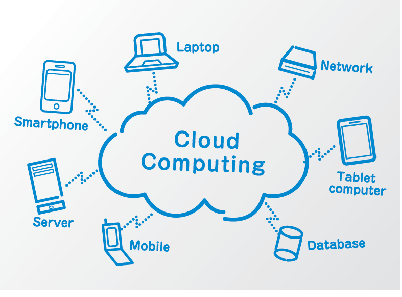
Cloud computing is the delivery of computing services over the internet, including servers, storage, databases, networking, software, analytics, and intelligence. These services are provided by cloud service providers who own and manage the infrastructure and allow customers to use them on a pay-per-use basis.
There are three main types of cloud computing services:
- Infrastructure as a Service (Iaa S) – provides customers with virtual ized computing resources such as servers, storage, and networking. Customers can use these resources to build, manage, and run their own applications.
- Platform as a Service (P a a S) – provides customers with a platform to build, test, and deploy their own applications without having to manage the underlying infrastructure.
- Software as a Service (S a a S) – provides customers with access to applications and software that are hosted and managed by the cloud service provider. Examples of S a a S applications include email, customer relationship management (CR M) software, and enterprise resource planning (ER P) software.
Cloud computing offers several benefits, including scalability, cost savings, flexibility, and ease of management. It allows businesses to quickly and easily scale up or down their computing resources as needed, pay only for what they use, and avoid the upfront costs and ongoing maintenance associated with owning and managing their own hardware and software. Additionally, cloud computing enables remote work and collaboration by providing access to applications and data from anywhere with an internet connection.