
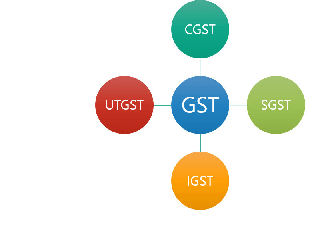
Introduction to GS T
GS T stands for Goods and Services Tax. It is a value-added tax that is levied on the supply of goods and services in India. GS T was introduced in India on July 1, 2017, as a replacement for various indirect taxes such as central excise duty, service tax, and value-added tax (VAT).
The system is based on the concept of input tax credit, which means that businesses can claim a credit for the GS T paid on the purchase of goods or services used for business purposes. This credit can be used to offset the GS T payable on the sale of goods or services.
The GS T system has simplified the indirect tax structure in India by eliminating multiple taxes and reducing the cascading effect of taxes. It has also brought greater transparency and accountability in the tax system.
GS T is administered by the GS T Council, which is a body comprising of the Union Finance Minister and the finance ministers of all the states and Union Territories of India. The GS T Council decides on the tax rates, exemptions, and thresholds for GS T in India.
Overall, GS T has had a significant impact on the Indian economy and has been seen as a major reform in the country’s tax system.