
Introduction to personal computer
A personal computer (PC) is a general-purpose electronic device designed for use by an individual user. It is a small and relatively inexpensive device that has become ubiquitous in homes, offices, and schools around the world.
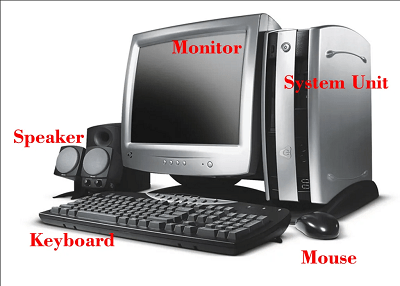
A PC consists of several essential components, including a central processing unit (CPU), memory, storage, and input/output devices such as a keyboard, mouse, and monitor. The CPU is the “brain” of the computer, responsible for executing instructions and processing data. Memory, often referred to as RAM (Random Access Memory), is used for temporarily storing data and instructions that the CPU is currently working on. Storage, usually in the form of a hard disk drive or solid-state drive, is used for long-term storage of data and files.
Input/output devices allow users to interact with the computer. The keyboard and mouse are used for input, while the monitor displays output such as text, graphics, and videos. PCs also come with a variety of ports for connecting to other devices, such as USB ports for connecting external storage devices and peripherals, Ethernet ports for connecting to a network, and audio jacks for connecting speakers or headphones.
PCs can be used for a wide range of tasks, including browsing the internet, creating and editing documents, playing games, and even programming. The versatility and accessibility of personal computers have made them an essential tool in modern life.