
Network fundamentals white paper
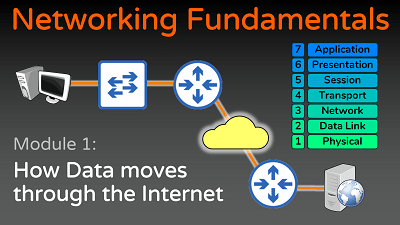
Network fundamentals refer to the basic principles, concepts, and technologies that underpin computer networking. A strong understanding of these fundamentals is essential for anyone working in the IT industry or using computer networks in their daily life. This white paper provides an overview of network fundamentals, including network topology, protocols, network hardware, network addressing, network security, and network performance.
Network Topology: Network topology refers to the physical or logical arrangement of the components of a network. The most common network topo logies include star, bus, ring, and mesh. The star topology is the most common, where all devices are connected to a central hub or switch. The bus topology involves connecting all devices to a single cable or bus, while the ring topology involves connecting devices in a circular loop. The mesh topology involves connecting all devices to each other in a redundant network.
Protocols: Protocols are sets of rules that govern the communication between devices in a network. They determine how data is transmitted, received, and processed. The most common network protocols include TC P/IP, HTTP, and FTP. TC P/IP is the protocol used for most internet communication, while HTTP is used for web browsing, and FTP is used for file transfer.
Network Hardware: Network hardware includes physical devices such as routers, switches, hubs, and cables that are used to connect devices in a network. Routers are used to connect networks together, while switches are used to connect devices within a network. Hubs are an older technology that is rarely used anymore. Cables are used to transmit data between devices.
Network Addressing: Every device on a network needs a unique address so that it can communicate with other devices. The two most common network addressing schemes are IP addresses and MAC addresses. IP addresses are used to identify devices on a network and are assigned dynamically or statically. MAC addresses are used to identify the physical address of a device’s network interface.
Network Security: Network security refers to the measures taken to protect a network from unauthorized access, hacking, and other security threats. Common network security measures include firewalls, access controls, and encryption. Firewalls are used to block unauthorized traffic from entering or leaving a network. Access controls limit access to resources based on user identity, while encryption protects data from unauthorized access by encoding it.
Network Performance: Network performance refers to the speed and reliability of a network. Factors that affect network performance include bandwidth, latency, and packet loss. Bandwidth refers to the amount of data that can be transmitted over a network in a given amount of time. Latency refers to the time it takes for data to travel from one point on the network to another. Packet loss refers to the loss of data packets during transmission.
Conclusion: A solid understanding of network fundamentals is essential for anyone working in the IT industry or using computer networks in their daily life. This white paper provides an overview of the key concepts and technologies that underpin computer networking. By understanding network topology, protocols, network hardware, network addressing, network security, and network performance, individuals can troubleshoot common networking problems, improve network performance, and ensure the security of their network.