
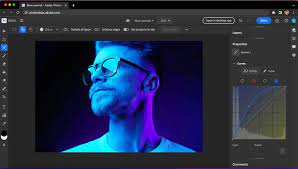
Photoshop innovation
Photoshop has been a pioneer in digital image editing and graphic design since its inception. Over the years, Adobe has continuously innovated the software to keep up with the evolving needs of its users and the industry. Here are some notable innovations in Photoshop:
- Layers: Introduced in Photoshop 3.0 in 1994, layers revolutionized the way digital images were edited. Layers allow users to separate different elements of an image and manipulate them independently, providing more flexibility and control over the final output.
- Content-Aware Fill: This feature, introduced in Photoshop CS5 in 2010, uses algorithms to fill in areas of an image that are selected for removal or modification. This saves users time by automatically filling in the selected area with content that matches the surrounding pixels.
- Creative Cloud Libraries: Introduced in Photoshop CC in 2013, Creative Cloud Libraries allow users to save and share assets like colors, graphics, and text styles across multiple projects and devices, making it easier to work on collaborative projects and maintain consistency across designs.
- AI-powered features: In recent years, Adobe has introduced several AI-powered features to Photoshop, such as Neural Filters, which allow users to apply complex adjustments and effects to images using machine learning algorithms.
- Mobile app integration: Adobe has developed mobile apps that work seamlessly with Photoshop, allowing users to create, edit, and share designs on-the-go. The integration of mobile apps has made it easier for users to work remotely and collaborate with others in real-time.
Overall, Photoshop has remained a leader in the digital image editing and graphic design industry due to its continuous innovation and ability to adapt to the changing needs of its users.