
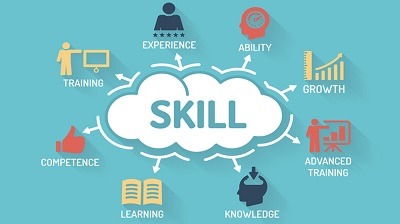
Skills and competence innovation
Skills and competence innovation refers to the process of developing new or improved skills and competencies to meet the changing demands of the market, industry, or society. It involves identifying emerging trends, technologies, and challenges and adapting to them through the acquisition and enhancement of relevant skills and competencies.
Here are some key aspects and strategies related to skills and competence innovation:
- Lifelong learning: Emphasize the importance of continuous learning and encourage individuals to acquire new skills and competencies throughout their careers. This can be done through formal education, online courses, workshops, mentoring programs, or on-the-job training.
- Anticipating future needs: Stay ahead of the curve by identifying future trends and demands in the industry or market. Conduct research, monitor technological advancements, and analyze market dynamics to anticipate the skills and competencies that will be in high demand.
- Embracing emerging technologies: Develop skills and competencies in emerging technologies such as artificial intelligence, machine learning, blockchain, cyber security, and data analytics. These areas are driving innovation in various sectors and having expertise in them can provide a competitive advantage.
- Collaboration and teamwork: Foster a culture of collaboration and encourage cross-functional teamwork. Skills and competence innovation often require multidisciplinary approaches where diverse expertise and perspectives can be combined to solve complex problems.
- Creativity and critical thinking: Nurture creativity and critical thinking skills among individuals. These skills are essential for innovation and problem-solving, enabling individuals to think outside the box and come up with novel solutions.
- Adaptability and agility: Develop skills and competencies that promote adaptability and agility in individuals. The ability to quickly learn and adjust to new situations, technologies, or work environments is crucial in an ever-changing landscape.
- Continuous feedback and evaluation: Establish mechanisms for continuous feedback and evaluation of skills and competencies. Regularly assess the effectiveness of training programs, identify areas for improvement, and provide opportunities for individuals to enhance their skills based on feedback.
- Diversity and inclusion: Recognize the value of diversity and inclusion in skills and competence innovation. Embrace individuals from different backgrounds, cultures, and experiences as they bring unique perspectives and ideas that can drive innovation.
- Leadership and management support: Provide leadership and management support to foster a culture of skills and competence innovation. Encourage employees to explore new areas, provide resources for training and development, and recognize and reward individuals who demonstrate a commitment to innovation.
- External partnerships and collaborations: Engage in partnerships and collaborations with external entities such as educational institutions, research organizations, industry associations, and startups. These partnerships can facilitate knowledge exchange, access to new technologies, and collaborative innovation initiatives.
By focusing on skills and competence innovation, individuals and organizations can adapt to the rapidly changing landscape, stay competitive, and drive innovation and growth.
What is required Skills and competence innovation
Skills and competence innovation requires a combination of different skills, approaches, and strategies. Here are some key elements that are essential for skills and competence innovation:
- Strategic thinking: The ability to think strategically and anticipate future trends, challenges, and opportunities is crucial for skills and competence innovation. It involves analyzing market dynamics, identifying emerging technologies, and aligning skills development with organizational goals and objectives.
- Needs assessment: Conducting thorough needs assessments is important to identify the specific skills and competencies that are required for innovation. This involves evaluating the existing skill gaps, determining the skills needed for future growth, and understanding the evolving demands of the industry or market.
- Learning agility: Individuals and organizations need to have a mindset of continuous learning and adaptability. Learning agility refers to the ability to quickly acquire new knowledge, learn new skills, and apply them effectively in different situations. It involves being open to new ideas, seeking out learning opportunities, and being willing to experiment and take risks.
- Technical expertise: Developing technical expertise in relevant areas is essential for skills and competence innovation. This includes staying updated with the latest advancements in technology, understanding the underlying principles, and gaining hands-on experience in using relevant tools and technologies.
- Creativity and innovation: Skills and competence innovation require a creative mindset and the ability to think innovative ly. This involves generating new ideas, exploring unconventional approaches, and challenging traditional thinking. Creativity and innovation can be fostered through techniques such as brainstorming, design thinking, and encouraging a culture that values and rewards creativity.
- Collaboration and teamwork: Collaboration and teamwork are essential for skills and competence innovation. It involves working with diverse teams, leveraging collective intelligence, and collaborating across functions and disciplines. Collaboration facilitates knowledge sharing, brings different perspectives together, and encourages synergy in developing innovative solutions.
- Communication and influencing skills: Effective communication and influencing skills are crucial for skills and competence innovation. It involves articulating ideas clearly, persuading others to support innovative initiatives, and fostering a culture of knowledge sharing and collaboration. Strong communication skills help in building relationships, conveying the value of innovation, and gaining support from stakeholders.
- Change management: Skills and competence innovation often require managing change effectively. This includes being able to navigate through resistance, overcoming barriers, and leading others through the transition process. Change management skills involve communication, stakeholder engagement, and providing support to individuals as they adapt to new skills and competencies.
- Evaluation and feedback: Regular evaluation and feedback mechanisms are important for skills and competence innovation. This involves assessing the effectiveness of training programs, collecting feedback from employees and stakeholders, and using data to make informed decisions about skills development initiatives. Evaluation and feedback help in identifying areas for improvement, refining strategies, and ensuring continuous improvement.
- Leadership support and commitment: Leadership support and commitment are essential for fostering skills and competence innovation. Leaders play a crucial role in setting the vision, providing resources, promoting a culture of innovation, and leading by example. Their support and commitment create an environment that encourages individuals to innovate, take risks, and develop new skills and competencies.
By combining these skills and approaches, individuals and organizations can effectively drive skills and competence innovation, adapt to changing environments, and stay competitive in the market.
Who is required Skills and competence innovation
Skills and competence innovation is required by various stakeholders, including:
- Individuals: Individuals themselves are the primary drivers of skills and competence innovation. They need to take ownership of their own professional development and actively seek opportunities to acquire new skills, enhance existing competencies, and stay updated with emerging trends. Individuals who are adaptable, open to learning, and proactive in developing their skills are more likely to succeed in today’s dynamic and competitive environment.
- Organizations: Organizations play a crucial role in promoting skills and competence innovation. They need to create a supportive environment that encourages employees to develop new skills, take risks, and innovate. This can be achieved through investing in training and development programs, providing resources for continuous learning, fostering a culture of collaboration, and recognizing and rewarding innovation and skills enhancement.
- Educational institutions: Educational institutions, such as universities, colleges, and vocational training centers, have a responsibility to equip students with the necessary skills and competencies for the future. They need to adapt their curriculum to reflect the changing demands of the job market and provide relevant training and education in emerging fields. Additionally, they can foster innovation and creativity through practical projects, internships, and partnerships with industry.
- Government and policymakers: Governments and policymakers have a role in creating an enabling environment for skills and competence innovation. They can support initiatives that promote lifelong learning, provide funding for skills development programs, and establish policies that encourage collaboration between educational institutions, industry, and research organizations. Governments can also play a part in shaping education and training policies to ensure they align with the needs of the economy and society.
- Industry associations and professional bodies: Industry associations and professional bodies can facilitate skills and competence innovation by providing networking opportunities, organizing training programs, and promoting best practices. They can also advocate for the recognition of new skills and competencies in the industry, contribute to skills standards and certifications, and provide a platform for knowledge exchange and collaboration.
- Research organizations and think tanks: Research organizations and think tanks contribute to skills and competence innovation by conducting research on emerging trends, technologies, and workforce needs. They provide insights and recommendations for developing new skills and competencies to address future challenges. Their research findings can inform educational institutions, policymakers, and industry on the skills required for innovation and growth.
In summary, skills and competence innovation is required by individuals, organizations, educational institutions, government and policymakers, industry associations, and research organizations. It is a collaborative effort involving multiple stakeholders to adapt to the changing landscape, drive innovation, and ensure a skilled and competent workforce.
When is required Skills and competence innovation
Skills and competence are required in various situations and contexts. Here are some common instances when skills and competence are needed:
- Job applications and interviews: When applying for a job or attending an interview, employers look for specific skills and competencies relevant to the position. It is important to demonstrate your qualifications, experience, and expertise in the required areas to increase your chances of securing the job.
- Career advancement and promotions: As individuals progress in their careers, acquiring new skills and competencies becomes crucial for career advancement and promotions. Developing a broader skill set and demonstrating competence in areas beyond one’s current role can open up new opportunities and lead to professional growth.
- Changing job requirements: The demands of jobs and industries evolve over time. Technological advancements, market trends, and organizational changes can require individuals to learn new skills and enhance existing competencies to remain relevant and meet the evolving job requirements.
- Industry and market changes: Industries undergo transformations due to factors such as technological advancements, globalization, and shifts in consumer preferences. Individuals need to continuously update their skills and competencies to adapt to these changes and remain competitive in the market.
- Entrepreneurship and starting a business: When starting a business or becoming an entrepreneur, having a diverse skill set is vital. Entrepreneurs need to be competent in various areas such as leadership, communication, financial management, marketing, and innovation to successfully launch and grow their ventures.
- Personal growth and self-improvement: Skills and competence development is not limited to professional contexts. Many individuals pursue learning and acquiring new skills as a means of personal growth, self-improvement, and expanding their horizons. This can include hobbies, artistic pursuits, or acquiring skills related to personal interests and passions.
- Industry-specific certifications and requirements: Certain industries have specific certifications, licenses, or regulatory requirements that individuals must fulfill to work in those sectors. Acquiring the necessary skills and competencies and obtaining relevant certifications may be mandatory or highly beneficial in these industries.
- Collaborative projects and team settings: In collaborative projects and team settings, individuals need to bring their skills and competencies to contribute effectively. Collaboration often involves combining different skill sets and competencies to achieve shared goals and drive innovation.
- Personal and professional challenges: When faced with personal or professional challenges, individuals may need to develop new skills and competencies to overcome those challenges successfully. This could involve problem-solving skills, resilience, adaptability, or learning new strategies to navigate difficult situations.
Overall, skills and competence are required in various situations throughout one’s personal and professional life. Continuous learning, skills development, and competence enhancement are essential to adapt to changing circumstances, seize opportunities, and thrive in different contexts.
Where is required Skills and competence
Skills and competence are required in various settings and environments. Here are some common contexts where skills and competence are necessary:
- Workplace: Skills and competence are crucial in the workplace across different industries and sectors. Employees need to possess the required skills and competencies to perform their job effectively and contribute to the success of their organization. This can include technical skills, communication skills, problem-solving abilities, leadership skills, teamwork, and many others.
- Business and entrepreneurship: Skills and competence are essential for running a successful business or being an entrepreneur. Entrepreneurs need a range of skills to start, manage, and grow their businesses, including financial management, marketing, sales, strategic planning, leadership, and innovation.
- Education and academia: Skills and competence are required in the field of education and academia. Teachers and educators need to have subject matter expertise and pedagogical skills to deliver effective instruction. Researchers and academics need to possess research skills, critical thinking, and analytical abilities to contribute to their respective fields.
- Healthcare and medical fields: The healthcare and medical fields require a wide range of specialized skills and competencies. Healthcare professionals need technical expertise, clinical skills, diagnostic abilities, empathy, communication skills, and the ability to work in a team to provide high-quality patient care.
- Technology and IT: In the rapidly evolving field of technology and IT, skills and competence are crucial. Professionals in this field need to stay updated with the latest technologies, possess programming skills, have problem-solving abilities, understand data analysis, and be adept at cyber security measures, among others.
- Creative industries: Skills and competence are essential in creative industries such as design, art, music, film, and writing. Creativity, technical skills, artistic abilities, innovation, and a deep understanding of the industry are necessary to succeed in these fields.
- Public sector and government: Skills and competence are required in the public sector and government roles. Public servants need skills such as policy development, public administration, communication, leadership, decision-making, and critical thinking to effectively serve the public and address societal challenges.
- Nonprofit and social organizations: Skills and competence play a significant role in nonprofit and social organizations. Professionals in these fields need skills related to project management, fundraising, advocacy, community engagement, social impact assessment, and program development to achieve their organizational goals and make a positive difference.
- Research and development: Research and development (R&D) roles require specialized skills and competencies in scientific research, data analysis, experimental design, innovation, and problem-solving. R&D professionals contribute to advancements in various fields, such as pharmaceuticals, technology, engineering, and environmental sciences.
- Personal and everyday life: Skills and competencies are also required in personal and everyday life. These can include communication skills, financial literacy, time management, emotional intelligence, problem-solving, and decision-making skills. These skills contribute to personal development, relationships, and overall well-being.
In summary, skills and competence are required in diverse settings, including the workplace, business and entrepreneurship, education, healthcare, technology, creative industries, public sector, research and development, nonprofit organizations, and personal life. Developing and enhancing skills and competence in these contexts can lead to personal and professional success, fulfillment, and positive contributions to society.
How is required Skills and competence innovation
Required skills and competence innovation refers to the process of identifying and developing the skills and competencies needed to drive innovation in a particular context or industry. Here’s how skills and competence innovation can be approached:
- Identifying emerging trends and challenges: Stay updated with the latest trends, advancements, and challenges in the relevant field or industry. This involves conducting research, monitoring market dynamics, and engaging in industry networks to identify the skills and competencies that will be in high demand for future innovation.
- Gap analysis: Assess the existing skills and competencies within the organization or among individuals to identify any gaps or areas for improvement. This can be done through self-assessment, performance evaluations, skills audits, or surveys. The gap analysis helps determine the specific skills and competencies that need to be developed or enhanced for innovation.
- Training and development programs: Design and implement training and development programs to bridge the identified skill gaps. These programs can include workshops, seminars, online courses, on-the-job training, mentoring, and coaching. The training should focus on developing the desired skills and competencies that align with the innovation goals and objectives.
- Collaborative learning and knowledge sharing: Encourage collaborative learning and knowledge sharing within the organization or among a community of professionals. This can involve creating communities of practice, establishing mentorship programs, organizing brainstorming sessions, and providing platforms for sharing best practices and lessons learned. Collaboration facilitates the exchange of ideas, experiences, and expertise, which fosters skills and competence innovation.
- Experimentation and risk-taking: Create an environment that encourages experimentation and risk-taking. Innovation often requires trying new approaches, exploring unconventional ideas, and embracing failure as an opportunity for learning and improvement. Encourage individuals to step outside their comfort zones, take calculated risks, and learn from both successes and failures.
- Continuous feedback and evaluation: Establish mechanisms for continuous feedback and evaluation of skills and competence innovation initiatives. Regularly assess the effectiveness of training programs, gather feedback from participants, and track progress in skill development. Use the feedback and evaluation data to make improvements, adjust strategies, and ensure continuous learning and growth.
- Recognition and rewards: Recognize and reward individuals or teams that demonstrate skills and competence innovation. This can be done through performance-based incentives, awards, public recognition, or career advancement opportunities. Recognizing and rewarding innovation and skill development motivates individuals to continuously improve their skills and drives a culture of competence innovation.
- External collaborations and partnerships: Engage in external collaborations and partnerships to foster skills and competence innovation. Collaborate with external organizations, research institutions, industry experts, or academic institutions to access new knowledge, expertise, and resources. External collaborations can bring fresh perspectives, facilitate knowledge transfer, and contribute to innovative solutions.
- Agile mindset and adaptability: Foster an agile mindset and promote adaptability among individuals and the organization. Skills and competence innovation require the ability to embrace change, learn new skills quickly, and adapt to evolving trends and technologies. Encourage individuals to be proactive in their learning, embrace continuous improvement, and be open to new ideas and approaches.
- Leadership support and commitment: Leadership support and commitment are essential for driving skills and competence innovation. Leaders should communicate the importance of innovation, provide resources and support for skills development initiatives, and lead by example. Their support and commitment create a culture that values and promotes skills and competence innovation.
By adopting these approaches, organizations and individuals can foster skills and competence innovation, stay ahead of the curve, and drive innovation in their respective fields.
How is required Skills and competence innovation
Required skills and competence innovation involves the process of fostering a culture of innovation and continuously developing the skills and competencies necessary to drive innovation within an organization or industry. Here’s a step-by-step approach to implementing skills and competence innovation:
- Establish a culture of innovation: Create an environment that encourages and supports innovation. This involves promoting a growth mindset, encouraging creativity, and embracing risk-taking and experimentation. Foster a culture where individuals feel empowered to contribute their ideas, challenge the status quo, and pursue innovative solutions.
- Identify innovation goals and needs: Clearly define the innovation goals and identify the specific skills and competencies required to achieve those goals. This can be done through strategic planning, assessing market trends, understanding customer needs, and conducting internal assessments to determine the skills gaps and areas for improvement.
- Assess current skills and competencies: Evaluate the existing skills and competencies within the organization or among individuals. This assessment helps identify the strengths and weaknesses and determines the baseline from which to start developing new skills and competencies. It can be done through performance evaluations, skills assessments, surveys, or other relevant tools.
- Develop a competency framework: Create a competency framework that outlines the desired skills and competencies for innovation. The framework should align with the organization’s innovation goals and provide a clear road map for skill development. Define the core competencies, behavioral indicators, and proficiency levels required for each skill.
- Design targeted training and development programs: Develop training and development programs tailored to the identified skill gaps and competencies. These programs can include workshops, seminars, online courses, coaching, mentoring, and on-the-job training. Provide opportunities for individuals to learn and practice the skills necessary for innovation.
- Encourage cross-functional collaboration: Foster collaboration and knowledge sharing across different functions and departments. Encourage individuals with diverse skill sets and backgrounds to work together on projects, promoting interdisciplinary thinking and the exchange of ideas. This collaboration enhances creativity, problem-solving, and the development of innovative solutions.
- Support continuous learning and professional development: Emphasize the importance of continuous learning and professional development. Provide resources, such as access to learning platforms, online resources, and training budgets, to support employees in acquiring new skills and competencies. Encourage individuals to take ownership of their learning and provide opportunities for them to apply their skills in real-world scenarios.
- Foster a culture of feedback and learning: Create a culture that values feedback and learning. Encourage individuals to provide and receive constructive feedback on their innovation efforts and skill development. Regularly assess and evaluate the effectiveness of training programs and initiatives to identify areas for improvement and make necessary adjustments.
- Recognize and reward innovation and skill development: Acknowledge and reward individuals or teams that demonstrate innovation and show progress in developing new skills and competencies. Recognize their contributions through incentives, promotions, awards, or other forms of recognition. This recognition reinforces the value of skills and competence innovation and encourages others to strive for excellence.
- Foster external collaborations and partnerships: Engage in external collaborations and partnerships with industry experts, research institutions, or other organizations to leverage external expertise and insights. Collaborating with external stakeholders can bring fresh perspectives, new ideas, and access to resources that can enhance skills and competence innovation.
By following these steps and integrating skills and competence innovation into the organizational culture, individuals and organizations can develop the necessary capabilities to drive innovation and remain competitive in today’s rapidly changing world.
Case study on Skills and competence innovation
Case Study: Skills and Competence Innovation at Company XYZ
Company XYZ is a technology firm specializing in software development and IT solutions. To stay competitive in the fast-paced and rapidly evolving tech industry, Company XYZ recognized the need to foster a culture of skills and competence innovation among its workforce. They implemented a comprehensive strategy to promote continuous learning, develop new skills, and drive innovation within the organization.
- Establishing a Culture of Innovation:
- The company’s leadership emphasized the importance of innovation and encouraged employees to think creatively and take risks.
- Cross-functional collaboration was encouraged, with teams from different departments working together on projects to foster interdisciplinary thinking and knowledge sharing.
- Identifying Innovation Goals and Needs:
- Company XYZ conducted an internal assessment to identify areas for innovation and growth.
- They analyzed market trends, customer needs, and emerging technologies to determine the skills and competencies required to drive innovation in their specific industry segment.
- Assessing Current Skills and Competencies:
- An assessment was conducted to evaluate the existing skills and competencies of employees.
- Performance evaluations, skills assessments, and feedback from managers and peers were used to identify individual strengths and areas for improvement.
- Developing a Competency Framework:
- Company XYZ developed a competency framework that outlined the desired skills and competencies for innovation.
- The framework included technical skills, such as programming languages and software development methodologies, as well as soft skills like creativity, problem-solving, and adaptability.
- Designing Targeted Training and Development Programs:
- Training and development programs were designed to address the identified skill gaps and promote competence innovation.
- The programs included a mix of in-house workshops, external training courses, online learning platforms, and coaching sessions to enhance technical expertise and foster innovation-related skills.
- Supporting Continuous Learning and Professional Development:
- Company XYZ provided resources and platforms for employees to engage in continuous learning and professional development.
- They encouraged employees to pursue certifications, attend industry conferences, participate in hacka thons, and engage in self-directed learning to stay updated with the latest technologies and industry trends.
- Fostering a Culture of Feedback and Learning:
- Regular feedback and performance evaluations were conducted to assess employees’ progress in skill development and innovation efforts.
- The company encouraged a culture of constructive feedback, where employees were empowered to provide suggestions, share ideas, and learn from mistakes.
- Recognizing and Rewarding Innovation and Skill Development:
- Company XYZ implemented a recognition program that rewarded employees who demonstrated innovation and made significant progress in skill development.
- Rewards included financial incentives, public recognition, and opportunities for career advancement.
- Leveraging External Collaborations and Partnerships:
- The company formed partnerships with academic institutions and industry experts to access external expertise and insights.
- Collaboration with external stakeholders facilitated knowledge exchange, research collaborations, and exposure to cutting-edge practices.
Through these efforts, Company XY Z saw tangible results in skills and competence innovation:
- Employees developed new technical skills and gained proficiency in emerging technologies.
- The company experienced an increase in innovation-driven projects and a higher success rate in delivering innovative solutions to clients.
- Employees demonstrated greater adaptability, problem-solving abilities, and collaboration skills.
- Company XYZ gained a reputation as an innovative and forward-thinking organization, attracting top talent and retaining skilled employees.
In conclusion, Company XYZ’s focus on skills and competence innovation enabled them to adapt to the changing tech landscape, drive innovation, and maintain a competitive edge. By fostering a culture of continuous learning, providing targeted training programs, and recognizing employee efforts, the company successfully developed the skills and competencies required for innovation and remained at the forefront of the industry.
White paper on Skills and competence innovation
Title: Skills and Competence Innovation: Nurturing a Culture of Continuous Learning and Innovation
Abstract: In today’s dynamic and rapidly evolving business landscape, organizations face the pressing need to embrace innovation as a strategic imperative. To remain competitive and thrive in this environment, organizations must prioritize the development of skills and competencies that drive innovation. This white paper explores the concept of skills and competence innovation and provides insights into how organizations can foster a culture of continuous learning and innovation to stay ahead of the curve.
Table of Contents:
- Introduction 1.1 The Importance of Skills and Competence Innovation 1.2 Purpose of the White Paper
- Understanding Skills and Competence Innovation 2.1 Defining Skills and Competencies for Innovation 2.2 The Role of Skills and Competence in Driving Innovation 2.3 Key Elements of Skills and Competence Innovation
- The Benefits of Skills and Competence Innovation 3.1 Enhanced Organizational Agility 3.2 Increased Problem-Solving and Creativity 3.3 Improved Adaptability to Change 3.4 Enhanced Competitive Advantage
- Building a Culture of Continuous Learning and Innovation 4.1 Leadership’s Role in Promoting Skills and Competence Innovation 4.2 Establishing a Learning Ecosystem 4.3 Fostering Collaboration and Knowledge Sharing 4.4 Encouraging Experimentation and Risk-Taking 4.5 Recognizing and Rewarding Innovation and Skill Development
- Strategies for Developing Skills and Competencies for Innovation 5.1 Assessing Current Skills and Competencies 5.2 Identifying Skill Gaps and Future Needs 5.3 Designing Targeted Training and Development Programs 5.4 Leveraging Technology for Learning and Skill Development 5.5 Embracing Lifelong Learning and Continuous Professional Development
- Measuring and Evaluating Skills and Competence Innovation 6.1 Key Performance Indicators (KPIs) for Skills and Competence Innovation 6.2 Collecting Feedback and Insights 6.3 Evaluating the Impact of Skills and Competence Innovation Initiatives
- Overcoming Challenges and Obstacles 7.1 Resistance to Change 7.2 Resource Constraints 7.3 Balancing Short-Term and Long-Term Goals 7.4 Sustaining the Momentum of Skills and Competence Innovation
- Case Studies: Success Stories in Skills and Competence Innovation 8.1 Company ABC: Transforming Organizational Culture through Skills Innovation 8.2 Nonprofit Organization XYZ: Driving Social Impact through Competence Innovation
- Conclusion 9.1 Recap of Key Points 9.2 Key Takeaways for Organizations 9.3 Looking Ahead: The Future of Skills and Competence Innovation
- References
This white paper provides a comprehensive overview of skills and competence innovation, highlighting its importance, benefits, and strategies for implementation. It delves into the role of leadership, the building of a culture of continuous learning and innovation, and the measurement and evaluation of skills and competence innovation initiatives. Additionally, it includes real-world case studies to demonstrate successful implementation and provides guidance on overcoming common challenges. By embracing skills and competence innovation, organizations can cultivate a workforce that is equipped to drive innovation and thrive in today’s dynamic business environment.