
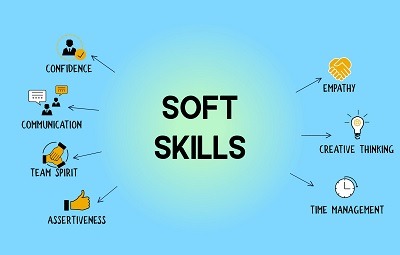
Soft Skills
Soft skills, often referred to as interpersonal or people skills, are a set of personal attributes and qualities that influence how individuals interact and work with others. These skills are distinct from technical or hard skills, which are specific to a particular job or industry. Soft skills are important in various aspects of life, from personal relationships to the workplace, and they contribute to an individual’s overall success and effectiveness. Here are some key soft skills:
- Communication: The ability to convey ideas, information, and emotions effectively through verbal, non-verbal, and written communication. This skill is crucial for building relationships, resolving conflicts, and conveying your thoughts clearly.
- Teamwork: The capacity to collaborate and work effectively in a group. Teamwork involves contributing to group goals, listening to others, and respecting diverse perspectives.
- Adaptability: The skill of being flexible and open to change. In a rapidly evolving world, adaptability helps individuals stay relevant and thrive in various situations.
- Problem-Solving: The ability to analyze situations, identify challenges, and develop solutions. Problem-solving includes critical thinking and creativity.
- Time Management: Efficiently managing one’s time and prioritizing tasks to meet deadlines and achieve goals.
- Stress Management: Coping with stress and maintaining composure under pressure. This skill is essential for maintaining mental and emotional well-being.
- Emotional Intelligence: Understanding and managing one’s emotions and recognizing and responding to the emotions of others. Emotional intelligence is vital for building positive relationships.
- Conflict Resolution: The ability to address and resolve conflicts constructively, finding solutions that benefit all parties involved.
- Leadership: Inspiring and guiding others to achieve common goals. Leadership involves motivating and empowering a team or organization.
- Creativity: The capacity to think innovatively, generate new ideas, and approach problems from different angles.
- Empathy: Understanding and showing sensitivity to the feelings and perspectives of others. Empathy is essential for building trust and maintaining strong relationships.
- Networking: Building and maintaining professional relationships, which can be valuable for career development and opportunities.
- Listening: Actively and attentively listening to others when they speak, rather than just waiting for your turn to talk.
- Negotiation: The skill of reaching mutually acceptable agreements in discussions or conflicts.
- Conflict Management: Effectively addressing and resolving disputes in both personal and professional settings.
- Cultural Sensitivity: Being aware and respectful of cultural differences and adapting your behavior accordingly.
- Self-Confidence: Believing in your abilities and decisions, which can impact your performance and interactions with others.
Soft skills are essential in today’s workplace, as they complement technical skills and are often a determining factor in hiring and promotion decisions. They are also valuable in personal life, as they contribute to better communication and more fulfilling relationships. Developing and improving soft skills is an ongoing process that can lead to personal and professional growth.
What is required Soft Skills
Required soft skills can vary depending on the specific job, industry, and even personal goals, but there are several soft skills that are highly valued in most professional and personal settings. Here are some of the key required soft skills:
- Communication: Effective communication is essential. It includes not only the ability to convey ideas clearly but also active listening, which is equally important in understanding others.
- Teamwork: Being able to work collaboratively with others, respect diverse perspectives, and contribute to group objectives is crucial in most workplaces.
- Adaptability: The ability to embrace change and quickly adjust to new circumstances or challenges is a highly valuable skill in today’s fast-paced world.
- Problem-Solving: Critical thinking, creativity, and the ability to analyze situations and find solutions are important skills for overcoming challenges.
- Time Management: Efficiently managing your time and prioritizing tasks is necessary to meet deadlines and goals.
- Stress Management: The skill of managing stress and maintaining composure under pressure is crucial for mental and emotional well-being.
- Emotional Intelligence: Understanding and managing your own emotions, as well as recognizing and responding to the emotions of others, is essential for building strong relationships.
- Conflict Resolution: The ability to address and resolve conflicts constructively, finding solutions that benefit all parties involved.
- Leadership: Leadership skills are valuable even for those who aren’t in formal leadership roles. Inspiring and guiding others to achieve common goals and being proactive are important soft skills.
- Creativity: The ability to think innovative ly, generate new ideas, and approach problems from different angles can lead to better solutions and more innovative outcomes.
- Empathy: Understanding and showing sensitivity to the feelings and perspectives of others is critical for building trust and maintaining strong relationships.
- Listening: Active listening, which involves paying full attention when others are speaking, is a key soft skill that supports effective communication.
- Negotiation: The skill of reaching mutually acceptable agreements in discussions or conflicts.
- Conflict Management: Effectively addressing and resolving disputes in both personal and professional settings.
- Cultural Sensitivity: Being aware of and respectful toward cultural differences, adapting your behavior accordingly, and working well with people from diverse backgrounds.
- Networking: Building and maintaining professional relationships, which can be valuable for career development and opportunities.
- Self-Confidence: Believing in your abilities and decisions, which can impact your performance and interactions with others.
These soft skills are often required for success in most workplaces and can also enhance your personal life. The specific soft skills emphasized in a particular role or industry may vary, so it’s essential to adapt and develop the soft skills that are most relevant to your goals and circumstances.
Who is required Soft Skills
Soft skills are required by a wide range of individuals across various personal and professional contexts. Here are some key groups of people who benefit from having and developing soft skills:
- Professionals: Soft skills are essential for individuals in the professional world. Employees, managers, and leaders in all industries need soft skills to excel in their roles. Effective communication, teamwork, leadership, and adaptability are crucial for career success.
- Job Seekers: Those looking for employment need soft skills to stand out during job interviews and in the workplace. A strong set of soft skills can make a job candidate more appealing to potential employers.
- Students: Soft skills are valuable for students at all levels of education. They help with academic success, building relationships with peers and educators, and preparing for future careers.
- Entrepreneurs and Business Owners: Those who run their own businesses or startups need soft skills to manage employees, interact with customers, and build successful partnerships.
- Healthcare Professionals: Soft skills like empathy and effective communication are crucial for healthcare providers such as doctors, nurses, and therapists to provide quality patient care and comfort.
- Customer Service Representatives: Individuals working in customer service roles need strong communication, empathy, and conflict resolution skills to effectively address customer needs and concerns.
- Sales and Marketing Professionals: Soft skills, such as persuasion, negotiation, and relationship-building, are vital for those in sales and marketing roles to close deals and attract clients.
- Educators: Teachers and educators need soft skills to create engaging and productive learning environments, connect with students, and collaborate with colleagues.
- Parents and Caregivers: Soft skills are valuable for parents and caregivers as they raise and nurture children. Effective communication, empathy, and patience are crucial in parenting.
- Community Leaders and Volunteers: Individuals involved in community service or leadership roles benefit from soft skills that help them collaborate, inspire, and communicate effectively with others.
- Individuals in Personal Relationships: Soft skills play a significant role in maintaining healthy personal relationships. Empathy, communication, and conflict resolution skills are vital for building and sustaining strong bonds with family and friends.
- Mental Health Professionals: Psychologists, counselors, and therapists rely on soft skills, such as empathy and active listening, to support and help their clients.
In essence, soft skills are valuable for almost everyone in various aspects of their lives. They enable individuals to navigate social and professional situations more effectively, build strong relationships, and achieve their personal and career goals. These skills contribute to personal growth and well-being, making them a valuable asset for everyone.
When is required Soft Skills
Soft skills are required in a wide range of situations and scenarios, both in personal and professional contexts. They come into play at various points in life when effective communication, interpersonal skills, and emotional intelligence are essential. Here are some situations and moments when soft skills are required:
- Job Interviews: Soft skills are crucial during job interviews. Employers look for qualities such as communication skills, adaptability, and teamwork in potential employees.
- Onboarding and Training: When starting a new job, employees often need soft skills to build relationships with colleagues and understand the company culture.
- Workplace Collaboration: Soft skills like teamwork, communication, and conflict resolution are essential for working effectively with colleagues, superiors, and subordinates.
- Leadership and Management: Leadership roles require strong soft skills, including communication, empathy, and the ability to inspire and motivate teams.
- Customer Service: Professionals in customer-facing roles, such as sales and customer support, rely on soft skills to understand and meet customer needs.
- Networking: Building and maintaining professional relationships involves using soft skills like active listening, empathy, and effective communication.
- Conflict Resolution: In both personal and professional settings, soft skills are required to address and resolve conflicts constructively.
- Negotiation: Negotiating deals, contracts, or agreements requires skills such as persuasion, communication, and compromise.
- Presentations and Public Speaking: Soft skills like public speaking, presentation, and persuasion skills are necessary for delivering effective speeches or presentations.
- Mentoring and Teaching: In roles where individuals guide or instruct others, soft skills are essential for transferring knowledge and providing support.
- Healthcare and Patient Care: Healthcare professionals rely on soft skills like empathy, active listening, and clear communication to provide quality patient care and support.
- Parenting: Parents use soft skills such as patience, empathy, and effective communication in raising and nurturing their children.
- Education: Teachers and educators utilize soft skills to create positive learning environments, connect with students, and collaborate with colleagues.
- Relationships: Soft skills are fundamental for building and maintaining personal relationships, including family, friends, and romantic partners.
- Community Involvement: Individuals involved in community service, leadership, or volunteering often use soft skills to collaborate with others, inspire change, and address community issues.
- Crisis and Stress Management: Soft skills like stress management, emotional regulation, and resilience are required during challenging life situations and crises.
- Networking Events and Social Gatherings: Effective social interactions and building new relationships rely on soft skills, especially in networking events and social gatherings.
Soft skills are required in countless other scenarios and moments, and they contribute significantly to an individual’s personal and professional success. Their importance becomes evident when dealing with people, whether in one’s career, community, or personal life. Developing and honing soft skills can enhance your ability to navigate these situations effectively.
Where is required Soft Skills
Soft skills are required in various settings and environments, both in personal and professional contexts. Here are some key areas where soft skills are essential:
1. Workplace:
- Teamwork: Employees need to collaborate with colleagues to achieve common goals.
- Communication: Effective communication is critical for conveying ideas, giving and receiving feedback, and resolving issues in the workplace.
- Leadership: Managers and team leaders must inspire and guide their teams to success.
- Problem-Solving: Identifying and addressing challenges in the workplace requires critical thinking and creativity.
- Conflict Resolution: Soft skills are crucial for resolving disputes and promoting a harmonious work environment.
2. Job Interviews:
- Soft skills are evaluated during job interviews to assess a candidate’s suitability for a role. Employers look for qualities like communication skills, adaptability, and interpersonal abilities.
3. Customer Service:
- Professionals in customer-facing roles need strong soft skills to understand and meet customer needs effectively.
4. Sales and Marketing:
- Persuasion, negotiation, and relationship-building are vital soft skills for sales and marketing professionals.
5. Education:
- Teachers and educators must create positive learning environments, connect with students, and collaborate with colleagues using soft skills.
6. Healthcare:
- Healthcare providers, such as doctors, nurses, and therapists, rely on soft skills like empathy, active listening, and clear communication to provide quality patient care and support.
7. Networking and Social Events:
- Effective social interactions and relationship-building often depend on soft skills in various networking events, social gatherings, and conferences.
8. Personal Relationships:
- Soft skills are essential for building and maintaining personal relationships, including family, friends, and romantic partners.
9. Community Involvement:
- Individuals involved in community service, leadership, or volunteering often use soft skills to collaborate with others, inspire change, and address community issues.
10. Parenting:
- Parents use soft skills such as patience, empathy, and effective communication in raising and nurturing their children.
11. Leadership and Management:
- Soft skills are vital for leaders and managers to inspire and guide their teams, communicate a vision, and create a positive work culture.
12. Conflict Resolution:
- In both personal and professional settings, soft skills are required to address and resolve conflicts constructively.
13. Public Speaking and Presentations:
- Soft skills like public speaking, presentation, and persuasion skills are necessary for delivering effective speeches or presentations.
14. Stress Management:
- Managing stress and maintaining composure under pressure is essential in personal and professional life.
15. Mentoring and Coaching:
- Individuals who mentor or guide others use soft skills to transfer knowledge, provide support, and encourage personal development.
Soft skills are valuable in numerous other situations and environments, and they contribute significantly to an individual’s overall success and well-being. Their importance becomes apparent when dealing with people, whether in one’s career, community, or personal life. Developing and honing soft skills can enhance your ability to navigate these situations effectively.
How is required Soft Skills
Required soft skills, often referred to as interpersonal or people skills, are essential for effective communication and interactions in various situations. These skills are vital in both personal and professional contexts. Here’s how these skills are required and how to develop them:
1. Effective Communication:
How It’s Required: Effective communication is crucial in the workplace for conveying ideas, giving and receiving feedback, and resolving conflicts. It’s also essential in personal relationships for expressing feelings and thoughts clearly.
How to Develop It: To enhance your communication skills, practice active listening, use clear and concise language, and be mindful of non-verbal cues. Seek feedback to improve your communication style.
2. Teamwork:
How It’s Required: Teamwork is necessary in workplaces to achieve common goals and complete projects efficiently. It’s also important in personal relationships for cooperation and collaboration.
How to Develop It: Develop your teamwork skills by actively participating in group activities, being open to others’ ideas, and learning how to balance individual and team goals.
3. Leadership:
How It’s Required: Leadership skills are needed for guiding and inspiring teams to achieve objectives in both professional and personal settings.
How to Develop It: Improve your leadership skills through mentorship, training, and by taking on leadership roles where you can practice decision-making, motivation, and conflict resolution.
4. Adaptability:
How It’s Required: Adaptability is essential for navigating change and handling unexpected situations in the workplace and personal life.
How to Develop It: Enhance your adaptability by embracing new experiences, remaining open to change, and developing problem-solving skills that help you respond effectively to challenges.
5. Problem-Solving:
How It’s Required: Problem-solving skills are necessary in the workplace to identify and address challenges. They also come in handy in personal life when making important decisions.
How to Develop It: Develop problem-solving abilities by practicing critical thinking, seeking creative solutions, and learning from your experiences.
6. Conflict Resolution:
How It’s Required: Conflict resolution skills are crucial in personal relationships to address disagreements constructively. They are also vital in the workplace to maintain a harmonious work environment.
How to Develop It: To enhance conflict resolution skills, practice active listening, seek win-win solutions, and remain calm under pressure.
7. Emotional Intelligence:
How It’s Required: Emotional intelligence is important for understanding and managing your own emotions and those of others, whether in personal or professional relationships.
How to Develop It: Develop emotional intelligence by increasing self-awareness, practicing empathy, and seeking feedback to understand how your emotions affect your interactions.
8. Time Management:
How It’s Required: Time management is necessary for personal productivity and meeting deadlines in the workplace.
How to Develop It: Improve time management skills by setting clear goals, prioritizing tasks, and using time management tools like calendars and to-do lists.
9. Stress Management:
How It’s Required: Stress management skills help individuals cope with the pressures of work and life, maintaining mental and emotional well-being.
How to Develop It: Develop stress management skills by adopting relaxation techniques, practicing mindfulness, and seeking support when needed.
10. Networking:
How It’s Required: Networking skills are essential for building and maintaining professional relationships, which can lead to career opportunities and personal growth.
How to Develop It: Enhance your networking abilities by attending industry events, being proactive in connecting with others, and maintaining professional online profiles.
11. Negotiation:
How It’s Required: Negotiation skills are necessary in business transactions, contract discussions, and resolving differences in personal relationships.
How to Develop It: Improve negotiation skills by learning negotiation techniques, setting clear objectives, and practicing flexibility and compromise.
These soft skills are required and valued in various situations and environments. Developing these skills involves a combination of self-awareness, practice, feedback, and learning from experiences. It’s an ongoing process that can lead to personal and professional growth.
Case Study on Soft Skills
Certainly, let’s explore a case study on the importance of soft skills in the workplace.
Title: “The Impact of Soft Skills on Team Performance”
Introduction: XYZ Corporation, a software development company, recently experienced a decline in team productivity and an increase in workplace conflicts. The company decided to investigate the role of soft skills in these issues and sought to address them through training and development.
Background: XYZ Corporation’s software development teams were highly skilled in technical aspects of their work. However, they faced challenges in communicating effectively, collaborating on projects, and managing conflicts. The company’s management realized that the lack of soft skills was affecting not only the work environment but also the quality and timely delivery of their projects.
Case Study:
The Problem: The development teams were consistently missing project deadlines, and conflicts between team members were becoming more frequent. Team members were technically proficient but struggled to work together efficiently.
The Solution: XYZ Corporation decided to implement a soft skills training program for its development teams. The program included modules on communication, teamwork, conflict resolution, and time management.
Training and Development:
- Communication Skills: The training program included workshops on active listening, providing constructive feedback, and clear communication. Team members learned how to express their ideas more effectively and how to ask questions to clarify doubts.
- Teamwork: Team-building exercises and collaborative projects were introduced to foster a sense of unity among team members. They learned the importance of recognizing and valuing each other’s strengths.
- Conflict Resolution: The training addressed strategies for addressing and resolving conflicts constructively. Team members practiced negotiation and compromise to find common ground.
- Time Management: To improve productivity, the training included time management techniques and tools. Team members learned how to set priorities and manage their tasks more efficiently.
Results: After completing the soft skills training program, XYZ Corporation observed significant improvements in team dynamics and project performance:
- Increased Productivity: Projects were completed more efficiently, and teams consistently met deadlines.
- Reduced Conflicts: Team members resolved issues more peacefully and constructively, resulting in a more harmonious work environment.
- Improved Communication: Enhanced communication led to clearer project requirements and reduced misunderstandings.
- Enhanced Collaboration: Teams worked together more effectively, drawing on each member’s strengths.
Conclusion: This case study illustrates how soft skills can significantly impact workplace performance and harmony. By recognizing the importance of soft skills and investing in training and development, XYZ Corporation was able to overcome productivity challenges and create a more positive and effective work environment. This transformation resulted in better project outcomes and strengthened team relationships, ultimately leading to increased success and client satisfaction. The company continues to prioritize the development of soft skills in its workforce, recognizing that they are just as crucial as technical expertise in the competitive software development industry.
White Paper on Soft Skills
Creating a comprehensive white paper on the topic of soft skills is a detailed undertaking. Below is an outline that you can use as a framework to develop a white paper that delves into the importance of soft skills, their relevance in various contexts, and strategies for developing and improving these skills:
Title:
- “The Power of Soft Skills: Navigating Success in the Modern World”
Table of Contents:
1. Executive Summary:
- A brief overview of the white paper’s contents and the importance of soft skills in today’s society.
2. Introduction:
- Introduce the concept of soft skills and their increasing significance in personal and professional life.
3. The Importance of Soft Skills:
- 3.1. Defining Soft Skills:
- A comprehensive definition of soft skills and their significance in today’s world.
- 3.2. Why Soft Skills Matter:
- Discuss the role of soft skills in career success, personal relationships, and overall well-being.
- 3.3. The Impact on Employ ability:
- Explore how soft skills affect job opportunities and career advancement.
4. Key Soft Skills:
- 4.1. Communication:
- An in-depth examination of the importance of effective communication skills in personal and professional contexts.
- 4.2. Teamwork:
- Discuss the role of teamwork and collaboration in achieving common goals.
- 4.3. Adaptability:
- Explore how adaptability is essential for navigating change and uncertainty.
- 4.4. Problem-Solving:
- The significance of problem-solving skills in addressing challenges and making informed decisions.
- 4.5. Leadership:
- Discuss leadership skills and their role in guiding and motivating teams.
- 4.6. Emotional Intelligence:
- Explore the concept of emotional intelligence and how it impacts relationships and self-awareness.
5. Developing Soft Skills:
- 5.1. Self-Assessment:
- The importance of self-awareness and understanding your own strengths and weaknesses in soft skills.
- 5.2. Training and Education:
- Strategies for improving soft skills through formal training and education programs.
- 5.3. On-the-Job Development:
- How to practice and enhance soft skills in professional settings.
- 5.4. Continuous Improvement:
- Discuss the idea of lifelong learning and personal development in soft skills.
6. Soft Skills in the Workplace:
- 6.1. The Role of Soft Skills in Employment:
- Explore how employers value soft skills and how they impact job success.
- 6.2. Soft Skills Training in Organizations:
- Discuss the benefits of soft skills training programs within companies.
7. Personal Relationships:
- 7.1. Soft Skills in Personal Life:
- Discuss the importance of soft skills in building and maintaining personal relationships.
8. Case Studies:
- 8.1. Real-World Examples: Provide examples of individuals and organizations that have successfully leveraged soft skills.
9. Conclusion:
- Summarize the key takeaways and emphasize the enduring importance of soft skills in today’s world.
10. References:
- List sources, research papers, and websites used for gathering information and data.
11. Appendices:
- Include supplementary materials, such as self-assessment tools and additional resources for further development.
This white paper will serve as a comprehensive resource for understanding the importance of soft skills, their relevance in various contexts, and strategies for developing and improving them. It underscores the idea that soft skills are not just valuable but essential for success in the modern world.