
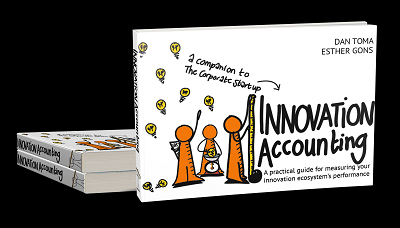
Accounting innovation
Accounting, like many other fields, has experienced several innovations over the years. These innovations have been driven by advancements in technology, changes in regulations, and the need for more efficient and accurate financial reporting. Here are a few notable accounting innovations:
- Cloud Computing: The advent of cloud computing has revolutionized the accounting profession. It allows accountants and businesses to store and access financial data remotely, eliminating the need for physical servers and providing real-time collaboration and access to financial information from anywhere in the world. Cloud-based accounting software such as QuickBooks Online and Xero have gained popularity and made accounting tasks more efficient.
- Automation and Artificial Intelligence (AI): Automation and AI technologies have significantly impacted the accounting profession. Routine and repetitive tasks such as data entry, bank reconciliations, and invoice processing can now be automated, saving time and reducing errors. AI-powered systems can also analyze large volumes of financial data to identify patterns, anomalies, and trends, assisting accountants in making more informed decisions.
- Blockchain Technology: Blockchain, a decentralized and distributed digital ledger, has the potential to transform various aspects of accounting. It provides a secure and transparent method for recording, verifying, and tracking financial transactions. Blockchain can enhance the efficiency and accuracy of processes like auditing, supply chain management, and financial reporting by reducing the need for intermediaries and enabling real-time verification.
- Data Analytics: The availability of big data and advanced analytics tools has allowed accountants to extract valuable insights from financial data. Data analytics can help identify cost-saving opportunities, detect fraud, predict financial outcomes, and improve overall decision-making. Accountants can now leverage sophisticated data visualization tools to present complex financial information in a more understandable and actionable format.
- Integrated Systems: Accounting systems are becoming more integrated with other business functions such as customer relationship management (CRM), enterprise resource planning (ERP), and project management software. This integration streamlines processes, improves data accuracy, and provides a holistic view of financial information, enhancing decision-making capabilities.
- Mobile Accounting: Mobile technology has enabled accountants to access financial information on the go. Mobile accounting apps allow users to perform various tasks, including expense tracking, invoicing, and financial reporting, directly from their smartphones or tablets. This flexibility provides convenience and ensures that accountants can stay connected and productive while working remotely or traveling.
These are just a few examples of accounting innovations that have emerged in recent years. As technology continues to advance, we can expect further transformations in the accounting profession, improving efficiency, accuracy, and the ability to provide valuable financial insights.
What is required Accounting innovation
To drive accounting innovation, several factors and requirements are necessary. Here are some key elements that contribute to accounting innovation:
- Technological Advancements: Accounting innovation heavily relies on advancements in technology. New software applications, cloud computing, automation tools, AI, data analytics, and other emerging technologies provide the foundation for innovative accounting practices. Embracing and leveraging these technologies is crucial for driving accounting innovation.
- Skilled Workforce: A skilled and adaptable workforce is essential for accounting innovation. Accountants need to have a solid understanding of emerging technologies and be willing to learn and adapt to new tools and processes. Continuous professional development and training programs can help accountants stay updated with the latest innovations in the field.
- Collaboration and Networking: Collaboration among accountants, technologists, and other professionals is crucial for accounting innovation. By fostering an environment that encourages cross-disciplinary collaboration and knowledge sharing, organizations can generate new ideas and approaches that push the boundaries of traditional accounting practices.
- Regulatory and Legal Framework: The regulatory and legal environment must be conducive to accounting innovation. Regulations should accommodate emerging technologies and provide guidelines for their usage in accounting processes. Moreover, regulatory bodies should stay informed about technological advancements and make necessary adjustments to ensure compliance while allowing room for innovation.
- Data Security and Privacy: As accounting becomes more technologically driven, ensuring data security and privacy is of utmost importance. Innovations in accounting should prioritize the protection of financial information and maintain compliance with data protection regulations. Implementing robust security measures and adopting best practices for data privacy is essential to build trust and confidence in accounting innovations.
- Change Management: Implementing accounting innovation requires effective change management practices. There may be resistance to change from stakeholders within organizations due to fear of job displacement or unfamiliarity with new processes. Organizations need to communicate the benefits of accounting innovation, provide training and support, and involve employees in the transition to foster a positive and receptive culture towards innovation.
- User-Centric Design: Accounting innovations should focus on user experience and usability. Accounting tools and systems should be intuitive, user-friendly, and designed with the end-user in mind. This approach ensures that innovations are easily adopted and utilized effectively by accountants and other stakeholders.
- Continuous Improvement and Experimentation: Accounting innovation is an ongoing process. Organizations should foster a culture of continuous improvement and experimentation. By encouraging employees to experiment with new ideas and processes, organizations can identify areas for innovation and drive continuous advancement in accounting practices.
By considering these requirements and factors, organizations can create an environment that fosters accounting innovation and embraces new technologies, ultimately leading to more efficient and effective financial reporting, analysis, and decision-making.
Who is required Accounting innovation
Accounting innovation requires the involvement and collaboration of various stakeholders within the accounting profession and related industries. Here are some key players who play a role in driving accounting innovation:
- Accountants and Accounting Professionals: Accountants are at the forefront of driving accounting innovation. They need to embrace new technologies, stay updated with industry trends, and be willing to adapt their skills and knowledge to leverage innovative accounting practices. Accountants play a crucial role in implementing and utilizing accounting innovations to improve efficiency, accuracy, and decision-making.
- Technology Companies: Technology companies, including software providers, AI developers, and cloud computing platforms, play a significant role in driving accounting innovation. They develop and provide innovative tools, applications, and platforms that enhance accounting processes and enable automation, data analysis, and integration with other business systems. Collaborations between accounting professionals and technology companies help bridge the gap between accounting expertise and technological advancements.
- Regulatory Bodies and Standard-Setting Organizations: Regulatory bodies and standard-setting organizations, such as the Financial Accounting Standards Board (FASB) and the International Accounting Standards Board (IASB), have a crucial role in shaping accounting innovation. They establish guidelines, frameworks, and standards that accommodate technological advancements and provide clarity on how to apply innovative accounting practices within regulatory boundaries. Their involvement ensures that accounting innovations are aligned with legal and regulatory requirements.
- Academic Institutions and Research Organizations: Academic institutions and research organizations contribute to accounting innovation by conducting research, developing new theories, and training future accountants and professionals. They play a role in identifying emerging trends and technologies, exploring their implications for accounting, and providing education and training programs that equip students and professionals with the knowledge and skills required for accounting innovation.
- Business Leaders and Executives: Business leaders and executives have a crucial role in driving accounting innovation within their organizations. They need to champion innovation, allocate resources, and create a culture that fosters experimentation and adaptation. By understanding the potential benefits of accounting innovation and supporting its implementation, business leaders can drive organizational change and realize the advantages of innovative accounting practices.
- Auditors and Assurance Providers: Auditors and assurance providers also contribute to accounting innovation. They need to adapt their methodologies and approaches to incorporate new technologies and data analytics techniques. By leveraging innovative tools and techniques, auditors can enhance the efficiency and effectiveness of their auditing processes, leading to more accurate and insightful financial reporting.
- Professional Associations and Industry Groups: Professional associations and industry groups, such as the American Institute of Certified Public Accountants (AICPA) and the Institute of Management Accountants (IMA), play a role in promoting accounting innovation. They provide platforms for knowledge sharing, networking, and collaboration among accounting professionals. These organizations often drive initiatives to educate and raise awareness about emerging technologies and their applications in accounting.
By bringing together these stakeholders and fostering collaboration, knowledge sharing, and innovation-oriented cultures, accounting innovation can be effectively driven and implemented. The collective effort of these players is essential for advancing the field of accounting and leveraging new technologies to improve financial reporting, analysis, and decision-making processes.
When is required Accounting innovation
Accounting innovation is required in various scenarios and circumstances. Here are some situations where accounting innovation becomes particularly important:
- Technological Advancements: The rapid advancement of technology continuously creates opportunities for accounting innovation. When new technologies, such as cloud computing, AI, blockchain, or data analytics, emerge and offer potential benefits to accounting processes, it becomes necessary to explore and adopt innovative accounting practices to leverage these advancements effectively.
- Changing Regulatory Environment: Changes in regulations, accounting standards, and reporting requirements often necessitate accounting innovation. When new regulations are introduced or existing ones are modified, accountants and organizations must adapt their accounting practices and systems to comply with the updated requirements. Accounting innovation can help streamline compliance processes and enhance the accuracy and efficiency of financial reporting.
- Business Growth and Complexity: As businesses grow and become more complex, traditional accounting practices may no longer be sufficient. Increased transaction volumes, expansion into new markets, acquisitions, or changes in business models may require innovative approaches to handle and analyze financial information effectively. Accounting innovation can provide solutions to manage the complexities and demands of a growing business.
- Cost Efficiency and Time Savings: In an increasingly competitive business environment, organizations strive to optimize their operations and reduce costs. Accounting innovation can help achieve cost efficiency and time savings by automating repetitive tasks, streamlining processes, and improving data accuracy. By adopting innovative accounting tools and technologies, organizations can free up resources and focus on value-added activities.
- Data-driven Decision Making: In today’s data-driven world, organizations rely on financial data for strategic decision-making. Accounting innovation plays a crucial role in providing timely and accurate financial information, enabling data analysis and visualization, and facilitating data-driven decision-making processes. Innovations in data analytics and reporting tools allow accountants to extract valuable insights from financial data and contribute to organizational growth and success.
- Fraud Detection and Risk Management: With the increasing sophistication of fraudulent activities, accounting innovation becomes essential for fraud detection and risk management. Advanced analytics tools and AI-powered systems can help identify anomalies, patterns, and potential risks within financial data. Innovative accounting practices can enhance internal controls, audit processes, and risk assessment techniques, thereby mitigating the risks of fraud and financial irregularities.
- Evolving Customer Expectations: Clients and stakeholders expect more transparency, real-time reporting, and customized financial information. Accounting innovation can help meet these evolving expectations by providing innovative reporting formats, interactive dashboards, and customizable financial insights. Organizations that embrace accounting innovation can better serve their clients and stakeholders, enhancing their overall satisfaction and trust.
It is important to note that accounting innovation should not be pursued merely for the sake of innovation itself. It should be driven by the specific needs and challenges of the organization, the opportunities presented by emerging technologies, and the desire to improve the efficiency, accuracy, and value of accounting processes.
Where is required Accounting innovation
Accounting innovation is required in various sectors and industries where financial information and reporting are essential. Here are some key areas where accounting innovation is particularly important:
- Corporate Accounting: In the corporate sector, accounting innovation is crucial for accurate financial reporting, compliance with accounting standards, and effective internal controls. It is necessary for managing financial transactions, preparing financial statements, and providing insights to support strategic decision-making. Accounting innovation in corporate accounting can streamline processes, enhance data accuracy, and improve the efficiency of financial operations.
- Public Accounting and Auditing: Accounting innovation is also necessary in public accounting firms and auditing practices. Auditors need to adopt innovative approaches and tools to effectively assess financial statements, detect fraud, and provide reliable assurance services. Innovations such as data analytics, AI-powered audit tools, and blockchain-based auditing can enhance the effectiveness and efficiency of auditing processes.
- Financial Services: In the financial services sector, accounting innovation is vital for banks, insurance companies, investment firms, and other financial institutions. These organizations deal with complex financial transactions, regulatory requirements, and risk management. Accounting innovation helps in areas such as transaction processing, risk assessment, regulatory compliance, and financial analysis to support decision-making in this sector.
- Government and Public Sector: Accounting innovation is required in the government and public sector to ensure transparent and accountable financial management. Innovations such as integrated financial management systems, electronic reporting, and data analytics can help improve financial governance, budgeting, and resource allocation in public organizations. It can also enhance the accuracy and timeliness of financial reporting for public accountability.
- Nonprofit and Charitable Organizations: Nonprofit organizations have unique accounting requirements, including fund accounting, grant management, and donor reporting. Accounting innovation is necessary to effectively track and report on restricted funds, measure program outcomes, and demonstrate accountability to donors and stakeholders. Innovations such as cloud-based accounting systems, automation, and donor management software can streamline financial processes for nonprofit organizations.
- Small and Medium-sized Enterprises (SMEs): Accounting innovation is valuable for SMEs as it helps them manage their finances efficiently and make informed decisions. Cloud-based accounting software, mobile applications, and automated systems can simplify bookkeeping, invoicing, and financial reporting for small businesses. These innovations provide SMEs with affordable and user-friendly tools to meet their accounting needs and focus on business growth.
- Startups and Entrepreneurial Ventures: Accounting innovation is particularly relevant for startups and entrepreneurial ventures, which often face resource constraints and the need for agile financial management. Innovative accounting practices, such as real-time financial reporting, cash flow management tools, and data-driven forecasting, can help startups make sound financial decisions, attract investors, and achieve sustainable growth.
It is important to note that accounting innovation is not limited to specific sectors or industries. The need for innovation exists across various organizations and contexts where financial information and reporting are essential. The specific requirements and challenges of each sector may influence the nature and focus of accounting innovation in those areas.
How is required Accounting innovation
Accounting innovation is required to address the evolving needs and challenges faced by the accounting profession. Here are some ways in which accounting innovation is necessary:
- Enhanced Efficiency: Accounting innovation aims to streamline processes, automate routine tasks, and eliminate manual data entry, resulting in increased efficiency. By leveraging technology and innovative tools, accountants can save time and resources, allowing them to focus on more value-added activities such as analysis, interpretation, and decision-making.
- Improved Accuracy and Data Integrity: Accounting innovation helps improve the accuracy and integrity of financial data. Automated systems reduce the risk of human error in data entry and calculations. Innovations such as AI-powered algorithms can analyze vast amounts of data to identify discrepancies, anomalies, and potential errors, enhancing data accuracy and integrity.
- Real-time Reporting and Decision-making: Traditional accounting practices often involve delays in financial reporting. Accounting innovation facilitates real-time reporting by leveraging cloud-based systems and integrations with other business functions. Real-time reporting provides timely insights, enabling faster and more informed decision-making for managers, executives, and stakeholders.
- Data Analytics and Insights: Accounting innovation incorporates data analytics tools and techniques to extract valuable insights from financial data. Advanced analytics enables accountants to identify patterns, trends, and anomalies, contributing to improved financial analysis and strategic decision-making. Data visualization tools further enhance the presentation and communication of financial insights.
- Compliance and Regulatory Requirements: Accounting innovation helps organizations meet evolving compliance and regulatory requirements. Innovations such as automated financial controls, electronic reporting systems, and blockchain technology can improve transparency, accuracy, and auditability, ensuring organizations adhere to regulatory standards and reporting obligations.
- Risk Management and Fraud Detection: Accounting innovation assists in identifying and mitigating financial risks and detecting fraudulent activities. Innovations such as AI-powered algorithms and data analytics can identify unusual patterns, anomalies, and potential fraud indicators within financial data. By proactively identifying risks and detecting fraud, organizations can take timely action to minimize financial losses and reputational damage.
- Integration with Business Systems: Accounting innovation involves integrating accounting systems with other business functions, such as customer relationship management (CRM), enterprise resource planning (ERP), and supply chain management systems. This integration streamlines data flow, improves accuracy, and enhances decision-making by providing a comprehensive view of financial information and its impact on other business operations.
- Adapting to Technological Advancements: Accounting innovation is required to keep pace with technological advancements. As technology rapidly evolves, accountants need to adapt their skills and knowledge to leverage new tools and systems effectively. Innovations such as cloud computing, AI, blockchain, and data analytics require accountants to continuously learn and evolve to remain relevant and valuable in the digital era.
Overall, accounting innovation is crucial for enhancing the efficiency, accuracy, and value of accounting processes. By embracing and implementing innovative practices, the accounting profession can adapt to changing demands, leverage technology advancements, and deliver enhanced financial reporting, analysis, and decision-making capabilities.
Case study on Accounting innovation
Case Study: Automation and AI in Accounts Payable Processing
Company: XYZ Corporation
Overview: XYZ Corporation, a global manufacturing company, faced challenges with their manual accounts payable (AP) processing system. The existing system relied heavily on paper invoices, manual data entry, and paper-based approval workflows, leading to delays, errors, and inefficiencies. To address these challenges, XYZ Corporation embarked on an accounting innovation project to automate and streamline their AP processes using advanced technologies.
Objectives:
- Improve efficiency: Reduce the time and effort required for invoice processing, data entry, and approvals.
- Enhance accuracy: Minimize errors associated with manual data entry and improve the accuracy of financial data.
- Increase visibility and control: Gain real-time visibility into AP workflows, improve tracking of invoices, and enhance control over payment processes.
- Accelerate decision-making: Provide timely and accurate financial information to support strategic decision-making.
- Ensure compliance: Meet regulatory requirements and internal control standards while improving auditability.
Implementation:
- Automation and Optical Character Recognition (OCR): XYZ Corporation implemented an AP automation system equipped with OCR technology. This system scanned and digitized paper invoices, extracting relevant data such as vendor information, invoice amounts, and due dates automatically. OCR technology minimized manual data entry errors and significantly reduced processing time.
- Workflow Automation: The AP automation system enabled the implementation of electronic workflows for invoice approvals. Approvers received notifications and access to invoices electronically, allowing them to review and approve invoices remotely. The system tracked the status of invoices and provided visibility into the approval process, reducing delays and bottlenecks.
- Machine Learning for Exception Handling: To handle exceptional cases that could not be automated, machine learning algorithms were utilized. The system learned from past exceptions and gradually improved its ability to handle similar cases automatically, reducing the need for manual intervention over time.
- Integration with ERP System: The AP automation system was integrated with XYZ Corporation’s enterprise resource planning (ERP) system. This integration facilitated seamless transfer of invoice data, updated payment information, and real-time synchronization between AP and financial systems, improving data accuracy and eliminating duplicate data entry.
Results:
- Efficiency Gains: The AP automation system significantly reduced the time and effort required for invoice processing. Processing time per invoice was reduced by 50%, enabling the AP team to handle a higher volume of invoices with the same resources.
- Improved Accuracy: With OCR technology and automated data extraction, manual data entry errors were minimized. The accuracy of financial data improved, reducing the risk of payment errors and improving financial reporting quality.
- Enhanced Visibility and Control: Real-time visibility into AP workflows allowed managers to track the status of invoices, identify bottlenecks, and take corrective actions promptly. The system provided better control over the payment process, ensuring compliance with internal controls and regulatory requirements.
- Timely Decision-making: The automation system provided real-time access to accurate financial data, enabling faster and data-driven decision-making. Managers could access key performance indicators and analytics dashboards to monitor AP metrics and make informed decisions.
- Compliance and Auditability: The AP automation system improved compliance with regulatory requirements and enhanced auditability. Electronic workflows, document retention, and audit trails facilitated easier audits and ensured adherence to internal control standards.
Conclusion: By embracing accounting innovation through AP automation, XYZ Corporation achieved significant improvements in efficiency, accuracy, visibility, and control in their AP processes. Automation, OCR, and machine learning technologies streamlined invoice processing, reduced manual errors, and enhanced decision-making capabilities. The successful implementation of accounting innovation allowed XYZ Corporation to transform their AP function, improve financial operations, and achieve greater efficiency in their overall accounting processes.
White paper on Accounting innovation
Title: Accounting Innovation: Embracing Technology for Enhanced Efficiency and Insights
Abstract: Accounting is a critical function for businesses, providing financial information, ensuring compliance, and supporting decision-making processes. To meet the evolving demands of today’s digital era, accounting professionals and organizations must embrace innovation and leverage technology advancements. This white paper explores the concept of accounting innovation and its impact on improving efficiency, accuracy, and decision-making capabilities. It discusses key technological trends and innovations shaping the accounting profession, including cloud computing, automation, artificial intelligence (AI), blockchain, and data analytics. Furthermore, the paper highlights real-world examples and case studies showcasing the successful implementation of accounting innovations in various industries. It also addresses the challenges and considerations associated with accounting innovation and provides practical insights for organizations to navigate the journey towards embracing innovative accounting practices. By embracing accounting innovation, organizations can unlock new possibilities, streamline processes, gain valuable insights from financial data, and enhance their overall financial performance.
Table of Contents:
- Introduction 1.1 The Need for Accounting Innovation 1.2 Purpose and Scope of the White Paper
- Technological Trends Driving Accounting Innovation 2.1 Cloud Computing: Enabling Mobility and Collaboration 2.2 Automation and AI: Streamlining Processes and Eliminating Manual Tasks 2.3 Blockchain Technology: Enhancing Transparency and Security 2.4 Data Analytics: Extracting Insights from Financial Data
- Case Studies: Accounting Innovation in Action 3.1 Automation and AI in Accounts Payable Processing 3.2 Cloud-Based Integrated Accounting Systems in Small Businesses 3.3 Blockchain-enabled Smart Contracts in Auditing
- Benefits and Impact of Accounting Innovation 4.1 Improved Efficiency and Time Savings 4.2 Enhanced Accuracy and Data Integrity 4.3 Real-time Reporting and Decision-making 4.4 Data-driven Insights and Strategic Decision-making
- Challenges and Considerations in Accounting Innovation 5.1 Adapting to Technological Change and Skill Requirements 5.2 Data Security and Privacy 5.3 Change Management and Organizational Culture
- Roadmap for Embracing Accounting Innovation 6.1 Assessing Current Accounting Processes and Technologies 6.2 Identifying Accounting Innovation Opportunities 6.3 Planning and Implementing Accounting Innovations 6.4 Training and Development for Accountants
- Conclusion 7.1 The Future of Accounting Innovation 7.2 Key Takeaways for Organizations
References
Appendix: Glossary of Key Terms
Note: This is a general outline for a white paper on accounting innovation. The actual content and structure may vary based on the specific focus and requirements of the paper.