
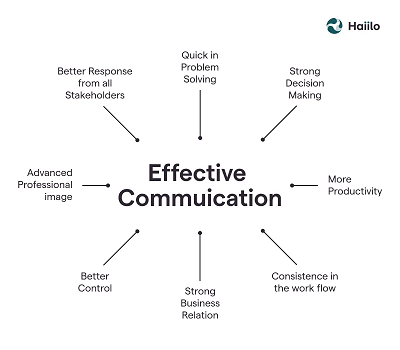
Communication skills
Communication skills are the abilities and competencies required to effectively convey information, ideas, and emotions to others in a clear, concise, and impactful manner. Strong communication skills are essential in many aspects of life, including personal relationships, professional settings, and social interactions. Here are some key components of effective communication skills:
- Listening: Active listening involves fully focusing on the speaker, understanding their message, and providing appropriate feedback. It includes giving full attention, avoiding interruptions, asking clarifying questions, and responding with empathy.
- Verbal communication: Verbal communication involves using spoken words to convey information and ideas. It includes articulating thoughts clearly, using appropriate language for the audience, and adapting communication style to different situations and individuals.
- Nonverbal communication: Nonverbal communication includes facial expressions, gestures, posture, and body language, which can convey messages without using words. Being aware of nonverbal cues and using them effectively can enhance communication and convey meaning accurately.
- Written communication: Written communication involves using written words to convey information and ideas, such as through emails, reports, memos, and other written documents. It requires clarity, organization, proper grammar and spelling, and tailoring the message to the intended audience.
- Empathy and emotional intelligence: Empathy is the ability to understand and share the feelings of others, and emotional intelligence is the ability to recognize, understand, and manage one’s own emotions and the emotions of others. Both are important in effective communication, as they help build rapport, understand others’ perspectives, and respond appropriately to emotions and situations.
- Clarity and conciseness: Clear and concise communication is essential to ensure that the intended message is understood accurately by the recipient. It involves using simple and understandable language, avoiding jargon or technical terms that may be unfamiliar to the audience, and organizing thoughts in a logical manner.
- Flexibility and adaptability: Effective communicators are able to adapt their communication style and approach based on the needs and preferences of the audience. This includes being open to feedback, adjusting communication based on feedback, and being flexible in accommodating different communication styles and cultural norms.
- Presentation skills: Presentation skills involve the ability to effectively convey information, ideas, or opinions to an audience through visual aids, such as slides, charts, and graphics, as well as through verbal communication. It includes engaging the audience, delivering a clear and compelling message, and responding to questions or feedback.
- Conflict resolution skills: Conflict resolution skills are important in communication as they help manage disagreements or conflicts in a constructive and productive manner. It involves active listening, understanding multiple perspectives, finding common ground, and working towards a resolution that meets the needs of all parties involved.
- Interpersonal skills: Interpersonal skills involve the ability to build and maintain positive relationships with others. It includes effective communication, active listening, empathy, and the ability to work collaboratively with others to achieve common goals.
Developing strong communication skills can lead to improved relationships, better teamwork, enhanced productivity, and success in various personal and professional endeavors. It is an ongoing process that requires practice, self-awareness, and continuous improvement.
Communication skills are essential abilities that individual
Communication skills are essential abilities that individuals need to effectively convey information, ideas, and emotions to others. These skills are critical in various personal, professional, and social settings and are necessary for effective interaction and collaboration with others. Some of the key requirements for effective communication skills include:
- Clarity: Clear and concise communication is crucial to ensure that the intended message is understood accurately by the recipient. It involves using simple and understandable language, avoiding jargon or technical terms that may be unfamiliar to the audience, and organizing thoughts in a logical manner.
- Active Listening: Active listening is the ability to fully focus on the speaker, understand their message, and provide appropriate feedback. It involves giving full attention, avoiding interruptions, asking clarifying questions, and providing responses that demonstrate understanding and empathy.
- Verbal Communication: Verbal communication involves using spoken words to convey information and ideas. It includes not only the words used but also the tone of voice, pitch, volume, and pace of speech. Effective verbal communication requires articulating thoughts clearly, using appropriate language for the audience, and adapting communication style to different situations and individuals.
- Nonverbal Communication: Nonverbal communication involves conveying messages without using words, such as through facial expressions, gestures, posture, and body language. It is important to be aware of nonverbal cues and use them effectively to enhance communication and convey meaning accurately.
- Empathy and Emotional Intelligence: Empathy is the ability to understand and share the feelings of others, and emotional intelligence is the ability to recognize, understand, and manage one’s own emotions and the emotions of others. Both are important in effective communication, as they help build rapport, understand others’ perspectives, and respond appropriately to emotions and situations.
- Flexibility and Adaptability: Effective communicators are able to adapt their communication style and approach based on the needs and preferences of the audience. This includes being open to feedback, adjusting communication based on feedback, and being flexible in accommodating different communication styles and cultural norms.
- Written Communication: Written communication involves using written words to convey information and ideas, such as through emails, reports, memos, and other written documents. Effective written communication requires clarity, organization, proper grammar and spelling, and tailoring the message to the intended audience.
- Presentation Skills: Presentation skills involve the ability to effectively convey information, ideas, or opinions to an audience through visual aids, such as slides, charts, and graphics, as well as through verbal communication. It includes the ability to engage the audience, deliver a clear and compelling message, and respond to questions or feedback.
- Conflict Resolution Skills: Conflict resolution skills are important in communication as they help manage disagreements or conflicts in a constructive and productive manner. It involves active listening, understanding multiple perspectives, finding common ground, and working towards a resolution that meets the needs of all parties involved.
- Interpersonal Skills: Interpersonal skills involve the ability to build and maintain positive relationships with others. It includes effective communication, active listening, empathy, and the ability to work collaboratively with others to achieve common goals.
Effective communication skills are crucial in many aspects of life, including personal relationships, professional settings, and social interactions. Developing and honing these skills can lead to improved relationships, better teamwork, enhanced productivity, and success in various personal and professional endeavors.
Communication skills are required for anyone who interacts with others in any context, whether it be personal, professional, or social. Here are some examples of individuals who may require communication skills:
- Professionals: Communication skills are crucial for professionals in various fields, including business, healthcare, education, customer service, sales, marketing, and many others. Effective communication is necessary for conveying ideas, collaborating with colleagues, building relationships with clients and customers, and delivering presentations or reports.
- Leaders and managers: Effective communication is essential for leaders and managers at all levels of an organization. They need to communicate their expectations, provide feedback, motivate and inspire their team, resolve conflicts, and convey the organization’s goals and vision.
- Students: Communication skills are important for students at all levels of education. They need to communicate with teachers, classmates, and other stakeholders in their academic environment. This includes participating in class discussions, presenting assignments, and communicating effectively in group projects.
- Job seekers: Strong communication skills are often listed as a requirement in job postings. Job seekers need to effectively communicate their qualifications, experience, and achievements in their resumes, cover letters, and during interviews to showcase their suitability for a particular job.
- Entrepreneurs and business owners: Communication skills are crucial for entrepreneurs and business owners in order to communicate with clients, customers, employees, and other stakeholders. This includes pitching ideas, negotiating contracts, resolving conflicts, and building relationships with partners and investors.
- Customer service representatives: Customer service representatives require strong communication skills to effectively communicate with customers, understand their needs, address their concerns, and provide solutions in a professional and courteous manner.
- Public speakers and presenters: Public speakers, trainers, and presenters need excellent communication skills to engage their audience, deliver their message effectively, and respond to questions or feedback.
- Individuals in personal relationships: Effective communication is important in personal relationships, such as with family members, friends, and romantic partners. It involves expressing emotions, resolving conflicts, listening actively, and understanding each other’s perspectives.
In summary, effective communication skills are required in various roles and situations where individuals need to interact with others and convey their thoughts, ideas, and emotions in a clear, concise, and impactful manner.
When is required Communication skills
Communication skills are required in numerous situations, including:
- Workplace: Effective communication is essential in the workplace for conveying ideas, collaborating with colleagues, providing feedback, resolving conflicts, and building professional relationships. It is required during meetings, presentations, written and verbal communications, and day-to-day interactions with colleagues, managers, and clients.
- Job interviews: Communication skills are crucial during job interviews, as candidates need to effectively communicate their qualifications, experience, and suitability for the job. This includes expressing themselves clearly, listening attentively to the interviewer’s questions, and responding in a confident and coherent manner.
- Presentations: Communication skills are necessary when delivering presentations, whether it’s in a professional or academic setting. This includes speaking clearly, organizing thoughts, using visual aids effectively, engaging the audience, and responding to questions or feedback.
- Negotiations: Communication skills are important during negotiations, such as in business deals, contracts, or personal negotiations. Effective communication helps in expressing one’s perspective, understanding the other party’s point of view, and finding common ground for mutual agreement.
- Customer service: Customer service representatives require strong communication skills to interact with customers, understand their needs, and provide solutions or assistance. This includes active listening, empathy, and clear communication to ensure customer satisfaction.
- Conflict resolution: Communication skills are crucial in resolving conflicts in both personal and professional settings. This involves active listening, expressing oneself clearly and respectfully, and finding solutions to resolve differences.
- Personal relationships: Effective communication is necessary in personal relationships to express emotions, resolve conflicts, and maintain healthy relationships. This includes active listening, expressing oneself clearly, and showing empathy and understanding towards others.
- Social situations: Communication skills are required in social situations, such as networking events, social gatherings, and community interactions. This includes initiating conversations, actively listening, expressing oneself clearly, and building relationships with others.
- Education: Communication skills are essential in educational settings, including classroom discussions, group projects, and presentations. Students need to express their thoughts, engage in discussions, and communicate their ideas effectively to succeed in their academic pursuits.
In summary, communication skills are required in a wide range of situations, including the workplace, job interviews, presentations, negotiations, customer service, conflict resolution, personal relationships, social situations, and education. Effective communication is crucial for success in various aspects of life, both professionally and personally.
Communication is required in various settings and contexts, including:
- Workplace: Effective communication is crucial in the workplace to convey ideas, instructions, feedback, and information to colleagues, managers, and other stakeholders. It is needed in written and verbal forms, including emails, reports, meetings, presentations, and day-to-day interactions.
- Business and professional settings: Communication is required in business and professional settings, such as during negotiations, client meetings, networking events, and conferences. Clear and effective communication helps in building relationships, establishing trust, and achieving business objectives.
- Education: Communication is necessary in educational settings, including classrooms, online courses, workshops, and seminars. It involves interactions between students, teachers, and other educational stakeholders to facilitate learning, exchange ideas, and convey information.
- Customer service: Effective communication is vital in customer service roles, where representatives need to interact with customers, understand their needs, and provide solutions or assistance. This includes listening actively, speaking clearly, and using appropriate language to ensure customer satisfaction.
- Healthcare: Communication plays a critical role in healthcare settings, including hospitals, clinics, and other healthcare facilities. Healthcare professionals need to communicate with patients, their families, and colleagues to provide care, convey diagnoses, and explain treatment plans.
- Social interactions: Communication is required in social settings, such as family gatherings, social events, and community interactions. It involves initiating conversations, expressing oneself clearly, and listening actively to others.
- Personal relationships: Effective communication is essential in personal relationships, such as with family members, friends, and romantic partners. It involves expressing emotions, resolving conflicts, and maintaining healthy relationships through open and honest communication.
- Online and virtual interactions: Communication is required in online and virtual settings, including emails, chat messages, video conferences, and social media. Clear and effective communication is necessary to convey messages, collaborate with others, and build relationships in virtual environments.
- Emergency situations: Communication is crucial in emergency situations, such as during disasters, accidents, or crises. Clear and timely communication is essential for coordinating responses, disseminating information, and ensuring the safety and well-being of those involved.
In summary, communication is required in various settings and contexts, including the workplace, business and professional settings, education, customer service, healthcare, social interactions, personal relationships, online and virtual interactions, and emergency situations. Effective communication is essential for successful interactions, relationships, and outcomes in different aspects of life.
How is required Communication skills
Communication skills are essential for effective communication. Here are some ways in which communication skills are required:
- Clarity: Communication skills require the ability to express oneself clearly and concisely, using appropriate language, tone, and mannerisms. Clear communication ensures that the intended message is understood by the receiver without any ambiguity or confusion.
- Active listening: Communication skills involve active listening, which includes paying attention to the speaker, understanding their perspective, and responding appropriately. Active listening helps in building rapport, understanding the needs of the receiver, and responding effectively.
- Empathy: Communication skills require empathy, which involves understanding and acknowledging the emotions, feelings, and concerns of others. Empathetic communication helps in building trust, showing understanding, and connecting with others on an emotional level.
- Non-verbal communication: Communication skills encompass non-verbal communication, which includes body language, facial expressions, gestures, and tone of voice. Non-verbal communication complements verbal communication and conveys important messages, emotions, and attitudes.
- Flexibility: Communication skills require flexibility, which involves adapting communication style and approach based on the context, audience, and purpose of communication. Flexibility in communication helps in effectively reaching different individuals and groups with varying communication preferences and needs.
- Feedback: Communication skills require the ability to give and receive feedback constructively. This includes providing feedback in a clear, specific, and respectful manner, as well as actively listening to feedback and using it to improve communication.
- Conflict resolution: Communication skills are necessary for resolving conflicts and disagreements in a constructive manner. This involves effective communication to express concerns, listen to other perspectives, and find solutions through open and respectful communication.
- Communication mediums: Communication skills require proficiency in different communication mediums, such as written communication (e.g., emails, reports), verbal communication (e.g., conversations, presentations), and digital communication (e.g., social media, online messaging).
- Cultural sensitivity: Communication skills involve being culturally sensitive and aware of cultural differences, such as language, customs, and norms. This helps in avoiding misunderstandings, respecting diversity, and communicating effectively with individuals from different cultures.
In summary, communication skills are required in various ways, including clarity, active listening, empathy, non-verbal communication, flexibility, feedback, conflict resolution, proficiency in different communication mediums, and cultural sensitivity. Developing strong communication skills is essential for effective communication in different settings and situations.
Case Study: Effective Communication Skills in a Multicultural Workplace
Scenario: A multinational company with offices in different countries employs a diverse workforce with employees from various cultural backgrounds. The company is known for its inclusive culture, which encourages open communication and collaboration among team members. However, recently there have been instances of miscommunication and misunderstandings among team members due to cultural differences, leading to conflicts and decreased productivity. The company’s leadership realizes the importance of effective communication skills in a multicultural workplace and decides to address the issue.
Solution: The company initiates a training program focused on developing effective communication skills in a multicultural workplace. The program includes the following steps:
- Cultural Awareness Training: Team members receive training on cultural awareness to understand the customs, norms, and communication styles of their colleagues from different cultural backgrounds. This helps team members to be more empathetic and understanding of their colleagues’ perspectives and communication preferences.
- Language Training: The company provides language training for team members who may face language barriers in communication. This includes language classes or language support tools to improve communication proficiency in common languages used in the workplace.
- Communication Style Training: The team members receive training on different communication styles and how they may vary across cultures. This includes understanding direct vs. indirect communication, high-context vs. low-context communication, and the importance of non-verbal communication in different cultures.
- Active Listening Training: The company conducts training sessions on active listening skills, including techniques like paraphrasing, summarizing, and clarifying to ensure that team members are actively engaged in understanding and interpreting the messages being communicated.
- Conflict Resolution Training: Team members are provided with conflict resolution training to learn effective communication techniques for resolving conflicts and disagreements in a multicultural workplace. This includes strategies for managing emotions, finding common ground, and using constructive language in conflict resolution.
- Role-Playing Exercises: The training program includes role-playing exercises where team members simulate real-world scenarios to practice their communication skills in a safe and supportive environment. This helps them to apply the concepts learned in training to practical situations and gain confidence in their communication abilities.
- Ongoing Support and Feedback: The company establishes a system of ongoing support and feedback for team members to continue to improve their communication skills. This includes regular feedback sessions, coaching, and mentoring to reinforce the importance of effective communication and provide guidance for improvement.
Results: After the implementation of the communication skills training program, the company observes positive outcomes, including:
- Improved Communication: Team members become more aware of their own communication styles and preferences, as well as those of their colleagues from different cultural backgrounds. They start using effective communication techniques such as active listening, paraphrasing, and clarifying to ensure understanding and minimize miscommunication.
- Enhanced Collaboration: Team members are better able to collaborate and work together effectively, despite cultural differences. They are more empathetic, understanding, and appreciative of diverse perspectives, leading to increased teamwork and productivity.
- Reduced Conflicts: Misunderstandings and conflicts due to cultural differences decrease significantly as team members develop better communication skills. They are able to resolve conflicts in a constructive manner, using effective communication techniques learned in the training program.
- Increased Engagement: Team members feel more engaged and included in the workplace as they develop better communication skills. They feel heard, understood, and valued, which boosts their morale and motivation to contribute to the company’s goals.
- Positive Work Culture: The company’s inclusive work culture is strengthened as team members become more proficient in effective communication skills. This leads to a positive work environment where diverse perspectives are respected, and open communication is encouraged.
Conclusion: Effective communication skills are crucial in a multicultural workplace where team members come from different cultural backgrounds. By providing training and support in developing communication skills, companies can improve collaboration, reduce conflicts, and create an
Title: Mastering the Art of Effective Communication: A White Paper on Communication Skills
Introduction: Effective communication skills are critical in today’s fast-paced and interconnected world. Whether in personal or professional settings, the ability to communicate clearly, concisely, and with impact is essential for success. This white paper explores the importance of communication skills, discusses key components of effective communication, and provides practical tips and strategies for mastering this essential skill.
The Importance of Communication Skills: Effective communication skills are essential in all aspects of life. In the workplace, strong communication skills are critical for building positive relationships with colleagues, clients, and stakeholders. Effective communication fosters teamwork, enhances productivity, and helps avoid misunderstandings and conflicts. In personal relationships, effective communication is vital for building healthy relationships, resolving conflicts, and expressing emotions and thoughts.
Key Components of Effective Communication: Effective communication involves more than just speaking and listening. It includes several key components:
- Clarity: Clear communication involves expressing ideas and thoughts in a concise, coherent, and easily understandable manner. It requires organizing thoughts, using appropriate language and tone, and avoiding jargon or technical terms that may not be familiar to the audience.
- Active Listening: Listening is an essential component of effective communication. It involves not only hearing the words but also understanding the meaning, context, and emotions behind them. Active listening requires giving full attention, asking clarifying questions, and providing feedback to ensure understanding.
- Non-Verbal Communication: Non-verbal cues such as facial expressions, body language, gestures, and tone of voice can convey messages as much as words. Effective communication involves being aware of and using non-verbal cues appropriately to enhance the message being conveyed.
- Empathy: Empathy is the ability to understand and relate to the emotions and perspectives of others. It involves being compassionate, showing understanding, and considering the feelings of others when communicating.
- Flexibility: Effective communication requires being adaptable to different communication styles, cultures, and contexts. It involves being able to adjust communication approach and tone based on the audience and situation.
Practical Tips and Strategies for Mastering Communication Skills:
- Practice Active Listening: Focus on listening attentively, without interrupting, and respond with appropriate feedback to ensure understanding.
- Be Clear and Concise: Organize your thoughts, use simple and familiar language, and avoid unnecessary jargon or technical terms.
- Use Non-Verbal Cues: Pay attention to your body language, facial expressions, and tone of voice to convey your message effectively.
- Show Empathy: Try to understand and acknowledge the emotions and perspectives of others, and respond with compassion and understanding.
- Be Flexible: Adapt your communication style based on the audience, context, and situation, and be open to feedback and suggestions for improvement.
Conclusion: Mastering effective communication skills is crucial for success in all areas of life. It involves not only speaking but also listening, understanding non-verbal cues, showing empathy, and being flexible in communication approach. By honing these skills, individuals can improve their relationships, enhance productivity, and achieve their personal and professional goals.