
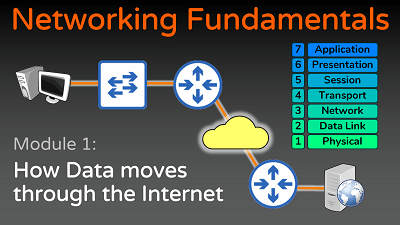
fundamental network
A fundamental network refers to the basic infrastructure, architecture, and components that make up a computer network. It typically includes the following elements:
- Hardware: This includes physical devices such as routers, switches, hubs, network cables, and network interface cards (NICs) that are used to establish connectivity and facilitate communication between network devices.
- Software: This includes the operating systems, network protocols, and network management software that are used to control and manage the flow of data across the network.
- Network Topology: This refers to the physical or logical layout of the network, such as star, bus, ring, mesh, or hybrid topologies, which determine how devices are connected and communicate with each other.
- Network Architecture: This includes the overall design and structure of the network, such as client-server, peer-to-peer, or cloud-based architectures, which determine how devices interact and share resources in the network.
- Network Services: This includes various services provided by the network, such as DNS (Domain Name System) for domain name resolution, DHCP (Dynamic Host Configuration Protocol) for IP address assignment, and routing protocols for managing the flow of data between network segments.
- Network Security: This includes measures and protocols used to protect the network from unauthorized access, data breaches, and other security threats, such as firewalls, encryption, authentication, and access controls.
- Network Management: This includes tools and techniques used to monitor, configure, troubleshoot, and optimize the network, such as network monitoring software, configuration management tools, and performance analysis tools.
- Network Standards: This includes the established standards and protocols that ensure interoperability and compatibility between different network devices and technologies, such as Ethernet, TCP/IP, and IEEE standards.
- Network Documentation: This includes documentation, diagrams, and documentation of the network, including network diagrams, network documentation, and network policies and procedures, which are essential for understanding and managing the network effectively.
In summary, a fundamental network encompasses the basic components, architecture, standards, and protocols that make up a computer network, providing the foundation for establishing communication and connectivity between devices and enabling the flow of data across the network.
What is required in fundamental network
A fundamental network typically refers to the basic components or requirements necessary for setting up a functional computer network. These components typically include:
- Hardware: This includes the physical devices such as computers, routers, switches, cables, and other networking equipment that are required to establish a network. These devices are used to transmit and receive data packets over the network.
- Software: Network software, such as operating systems, network protocols, and network management tools, are essential for configuring, managing, and securing the network. This includes setting up IP addresses, DNS (Domain Name System), DHCP (Dynamic Host Configuration Protocol), firewalls, and other networking protocols.
- Network Topology: The network topology refers to the arrangement or layout of the network, which determines how devices are interconnected. Common network topologies include star, bus, ring, and mesh. The network topology should be chosen based on the specific requirements of the network and the type of communication desired.
- Network Connectivity: Connectivity is a crucial aspect of any network. It involves establishing physical and logical connections between network devices, such as connecting computers to switches or routers using Ethernet cables, setting up wireless access points for wireless connectivity, and establishing WAN (Wide Area Network) connections for internet connectivity.
- Network Security: Ensuring the security of the network is vital to protect against unauthorized access, data breaches, and other security threats. This may involve setting up firewalls, implementing strong authentication methods, encrypting data, and regularly updating network security measures to safeguard the network from potential vulnerabilities.
- Network Management: Network management involves monitoring, troubleshooting, and optimizing the network to ensure its smooth operation. This may include monitoring network performance, identifying and resolving network issues, managing network resources, and implementing network policies and configurations.
- Network Protocols: Network protocols are rules and standards that govern how data is transmitted and received over the network. Examples of network protocols include TCP/IP (Transmission Control Protocol/Internet Protocol), Ethernet, Wi-Fi, and DNS. Understanding and implementing the appropriate network protocols are essential for establishing reliable and efficient communication within the network.
- IP Addressing: IP (Internet Protocol) addressing is used to uniquely identify devices on a network. Proper IP addressing is crucial for enabling communication between devices and routing data packets across the network.
- Network Segmentation: Network segmentation involves dividing a larger network into smaller, isolated segments to improve security and network performance. This can be achieved through techniques such as VLANs (Virtual Local Area Networks) or subnetting, which help isolate different types of devices or users from each other, limiting their access to sensitive data or network resources.
- Redundancy and Backup: Implementing redundancy and backup measures is essential to ensure network availability and reliability. This may involve setting up redundant network devices, such as redundant switches or routers, to provide failover in case of hardware failures, and regularly backing up network configurations and data to protect against data loss.
These are some of the fundamental requirements for setting up a functional computer network. The specific components and configurations may vary depending on the size, complexity, and requirements of the network. Proper planning, design, implementation, and ongoing management are necessary to establish and maintain an efficient and secure network infrastructure.
Who is required Fundamental security
Fundamental security typically refers to the essential components or practices required to establish a secure environment for protecting data, systems, and networks from potential threats. Some of the key elements of fundamental security include:
- Access Control: Implementing access control measures to restrict and manage who can access systems, networks, and data. This may involve using strong authentication methods such as passwords, two-factor authentication, or biometric authentication, and providing appropriate levels of access based on user roles and responsibilities.
- Encryption: Encrypting sensitive data to protect it from unauthorized access. This may include using encryption algorithms and protocols to secure data in transit (e.g., HTTPS, SSL/TLS) as well as data at rest (e.g., full disk encryption, file-level encryption).
- Patch Management: Regularly applying security patches and updates to operating systems, software applications, and network devices to address known vulnerabilities and protect against potential exploits.
- Firewalls: Deploying firewalls to establish a barrier between internal and external networks, and controlling incoming and outgoing network traffic based on predefined security policies. Firewalls can help prevent unauthorized access and protect against network-based attacks.
- Antivirus/Antimalware: Installing and regularly updating antivirus and antimalware software on systems to detect and remove known malware, viruses, and other malicious software that can compromise the security of the network.
- Intrusion Detection/Prevention Systems (IDS/IPS): Implementing IDS/IPS solutions to monitor and detect potential security breaches or suspicious activity on the network. These systems can help identify and block attacks in real-time to prevent or minimize damage.
- Security Awareness Training: Providing regular security awareness training to educate employees about potential security threats, best practices for safe computing, and how to recognize and respond to security incidents. Educated users are often the first line of defense against security threats.
- Incident Response Plan: Establishing an incident response plan that outlines the steps to be taken in the event of a security incident, including how to detect, respond to, and recover from security breaches. Having a well-defined incident response plan in place can help minimize the impact of security incidents and facilitate a timely and effective response.
- Regular Audits and Monitoring: Conducting regular security audits and monitoring of systems and networks to identify and address potential vulnerabilities or security weaknesses. This may involve reviewing logs, conducting vulnerability assessments, and performing penetration testing to identify and remediate potential security risks.
- Backup and Disaster Recovery: Implementing regular and robust data backup and disaster recovery measures to ensure data can be restored in the event of data loss, system failure, or other disasters. This may involve implementing offsite backups, redundant systems, and tested recovery plans.
These are some of the fundamental security components and practices that are typically required to establish a secure environment for protecting data, systems, and networks from potential threats. It’s important to note that security is an ongoing process, and regular updates, monitoring, and proactive measures are necessary to maintain the security of a network environment.
When is required Fundamental network
Fundamental network security measures are typically required at all times to establish and maintain a secure network environment. Network security is an ongoing process that should be implemented and maintained consistently to protect against potential threats and vulnerabilities. Here are some situations when fundamental network security measures are required:
- Network Deployment: When setting up a new network, it is essential to implement fundamental security measures from the beginning to establish a secure foundation. This includes configuring firewalls, implementing access controls, applying security patches, and setting up appropriate authentication mechanisms to secure the network infrastructure and prevent potential security breaches.
- Network Expansion or Changes: Whenever a network expands or undergoes changes, such as adding new devices, applications, or users, it is important to ensure that proper security measures are in place. This includes conducting security assessments, updating access controls, and applying patches and updates to new or changed components of the network.
- Ongoing Operations: Network security measures should be in place during the day-to-day operations of the network. This includes regular monitoring, logging, and analysis of network traffic to detect and respond to potential security incidents promptly. It also involves maintaining updated antivirus/antimalware software, conducting regular audits, and performing vulnerability assessments to identify and address potential vulnerabilities.
- Remote Access: With the increasing trend of remote work and remote access to networks, it is crucial to implement proper security measures for remote access. This includes secure remote access protocols such as VPNs, strong authentication mechanisms, and encryption to protect data transmitted over the network.
- Data Transfer: When transferring data over the network, such as file transfers, data backups, or data sharing, it is important to use secure methods such as encryption and secure file transfer protocols to protect data from unauthorized access or interception.
- Third-party Access: If third-party vendors or partners have access to your network or systems, it is important to implement proper security measures, such as segregating network access, applying access controls, and monitoring their activities to prevent potential security breaches or data breaches.
- Compliance Requirements: Depending on the industry or regulatory standards applicable to your organization, there may be specific requirements for network security, such as HIPAA, PCI-DSS, GDPR, etc. It is essential to implement fundamental network security measures to meet compliance requirements and protect sensitive data.
In summary, fundamental network security measures are required at all times during network deployment, ongoing operations, remote access, data transfer, third-party access, and to meet compliance requirements. Regular monitoring, updating, and proactive measures are necessary to establish and maintain a secure network environment.
Where is required Fundamental network
Fundamental network security measures are required in various settings where computer networks are used to transmit, store, and process data. These settings may include:
- Businesses and Organizations: Network security is crucial for businesses and organizations of all sizes, ranging from small enterprises to large corporations. This includes securing local area networks (LANs), wide area networks (WANs), and cloud-based networks that are used for internal communications, data storage, and other business operations.
- Government Institutions: Government agencies and institutions at the local, regional, and national levels often handle sensitive and confidential data, making network security critical to protect against potential cyber threats, data breaches, and unauthorized access.
- Educational Institutions: Educational institutions, including schools, colleges, and universities, store and process large amounts of student and staff data, making network security essential to protect against potential data breaches, cyber attacks, and other security incidents.
- Healthcare Organizations: Healthcare organizations, including hospitals, clinics, and other healthcare facilities, handle sensitive patient information, making network security vital to protect patient privacy and comply with regulations such as the Health Insurance Portability and Accountability Act (HIPAA).
- Financial Institutions: Financial institutions, including banks, credit unions, and other financial organizations, process and store large volumes of sensitive financial data, making network security critical to protect against potential data breaches, fraud, and cyber attacks.
- Critical Infrastructure: Critical infrastructure, such as power grids, water treatment plants, transportation systems, and communication networks, are essential for the functioning of a society, and securing their networks is crucial to protect against potential cyber threats and attacks that can have severe consequences.
- Home Networks: With the increasing use of smart devices and IoT (Internet of Things) devices in homes, securing home networks is also important to protect personal data, privacy, and prevent unauthorized access to home devices and systems.
- Public Wi-Fi Networks: Public Wi-Fi networks, such as those in cafes, airports, and other public places, are often used by individuals for internet access. Securing these networks is important to protect users’ data and prevent unauthorized access.
- Cloud-based Networks: Cloud-based networks, such as those used for cloud computing, storage, and other cloud services, require robust network security measures to protect data and prevent unauthorized access to cloud resources.
In summary, fundamental network security measures are required in various settings, including businesses, government institutions, educational institutions, healthcare organizations, financial institutions, critical infrastructure, home networks, public Wi-Fi networks, and cloud-based networks, where computer networks are used to transmit, store, and process data.
Fundamental network security measures are typically required to be implemented in a systematic and comprehensive manner to ensure the security of a network environment. Here are some ways in which fundamental network security measures are typically implemented:
- Network Design and Architecture: Network security starts with the design and architecture of the network. This includes establishing secure network topologies, segmenting the network to limit access to sensitive areas, and implementing appropriate network protocols and technologies, such as firewalls, virtual private networks (VPNs), and intrusion detection/prevention systems (IDS/IPS), to protect against potential threats.
- Access Control: Access control is a critical component of network security. This includes implementing strong authentication mechanisms, such as multifactor authentication (MFA), to ensure that only authorized users have access to the network. Access control also involves managing user accounts and permissions, limiting access to sensitive resources based on the principle of least privilege, and regularly reviewing and updating access permissions to ensure that only necessary access is granted.
- Network Monitoring and Logging: Regular monitoring and logging of network traffic and activities are essential for detecting and responding to potential security incidents. This includes implementing network monitoring tools and security information and event management (SIEM) systems to collect and analyze network logs, traffic, and events to identify anomalies, potential security breaches, and other security incidents.
- Patch Management: Keeping network devices and software up-to-date with the latest security patches and updates is critical to protect against known vulnerabilities. This includes regularly applying patches and updates to network devices, including routers, switches, firewalls, and other network components, to address known security vulnerabilities and reduce the risk of exploitation.
- Encryption and Data Protection: Implementing encryption mechanisms, such as Secure Socket Layer/Transport Layer Security (SSL/TLS) protocols, virtual private networks (VPNs), and data encryption at rest, is important to protect data transmitted over the network and stored on network devices and servers. This helps prevent unauthorized access and data interception.
- Security Awareness and Training: Educating and training network users on security best practices is crucial to ensure that they understand and follow proper security protocols. This includes regular security awareness training, phishing awareness training, and promoting a culture of security within the organization to help users identify and report potential security risks and incidents.
- Incident Response and Disaster Recovery: Establishing an incident response plan and a disaster recovery plan is essential to effectively respond to security incidents and minimize the impact of security breaches. This includes defining roles and responsibilities, establishing communication channels, and implementing backup and recovery mechanisms to restore network services and data in case of an incident.
- Vendor and Third-Party Management: If third-party vendors or partners have access to the network, implementing proper vendor and third-party management practices is important to ensure their compliance with security requirements. This includes conducting security assessments, implementing access controls, and monitoring their activities to prevent potential security risks.
- Compliance Management: Depending on the industry or regulatory standards applicable to the organization, implementing measures to meet compliance requirements, such as HIPAA, PCI-DSS, GDPR, etc., is critical. This includes implementing appropriate network security controls and regularly auditing and monitoring the network environment to ensure compliance.
In summary, fundamental network security measures are implemented through a combination of network design, access control, network monitoring, patch management, encryption and data protection, security awareness and training, incident response and disaster recovery, vendor and third-party management, and compliance management practices. It is important to implement these measures consistently and continuously to establish a secure network environment.
Case study on Fundamental security
Sure! Let’s take a look at a case study on implementing fundamental security measures in a corporate network environment.
Company: XYZ Corporation
Industry: Technology
Background:
XYZ Corporation is a technology company that specializes in software development, data analytics, and cloud services. The company has a large corporate network that includes multiple offices and data centers located in different geographic regions. The network supports a wide range of operations, including internal communication, data transfer, and access to critical applications and databases. Due to the nature of the company’s business and the sensitivity of the data being processed and stored, network security is of paramount importance.
Challenges:
XYZ Corporation faced several challenges in terms of network security, including:
- Increasing cybersecurity threats: The company experienced a rise in cyber attacks, including phishing attacks, malware infections, and attempted unauthorized access to the network, posing a significant risk to the confidentiality, integrity, and availability of their data.
- Regulatory compliance requirements: XYZ Corporation needed to comply with industry-specific regulations, such as the General Data Protection Regulation (GDPR), as well as internal security policies and standards.
- Distributed network environment: The company’s network spanned multiple offices and data centers, making it complex and challenging to implement consistent security measures across all locations.
Solution:
To address these challenges, XYZ Corporation implemented fundamental network security measures, including:
- Network Segmentation: The company implemented network segmentation to isolate different segments of the network based on their security requirements. This helped limit the potential impact of security breaches and prevented unauthorized access to critical systems and data.
- Access Control: XYZ Corporation implemented strong access controls, including multifactor authentication (MFA) for all users accessing the network. User accounts and permissions were regularly reviewed and updated based on the principle of least privilege to ensure that only necessary access was granted.
- Network Monitoring and Logging: The company deployed network monitoring tools and a security information and event management (SIEM) system to collect and analyze network logs, traffic, and events. This helped detect and respond to potential security incidents, including identifying and mitigating suspicious activities and security breaches in real-time.
- Patch Management: XYZ Corporation implemented a robust patch management process to ensure that all network devices and software were kept up-to-date with the latest security patches and updates. Regular patching of network devices, including routers, switches, and firewalls, helped address known vulnerabilities and reduce the risk of exploitation.
- Encryption and Data Protection: The company implemented encryption mechanisms, including SSL/TLS protocols and VPNs, to protect data transmitted over the network and data stored on network devices and servers. Data at rest was encrypted to prevent unauthorized access in case of data breaches.
- Security Awareness and Training: XYZ Corporation conducted regular security awareness and phishing awareness training for all employees to educate them on security best practices, including identifying and reporting potential security risks and incidents. This helped raise security awareness among employees and fostered a culture of security within the organization.
- Incident Response and Disaster Recovery: The company established an incident response plan and a disaster recovery plan, including defining roles and responsibilities, establishing communication channels, and implementing backup and recovery mechanisms. This helped ensure a timely and effective response to security incidents and minimized the impact of security breaches.
- Vendor and Third-Party Management: XYZ Corporation implemented vendor and third-party management practices, including conducting security assessments, implementing access controls, and monitoring third-party activities that had access to the network. This helped ensure that vendors and third-party partners complied with the company’s security requirements.
- Compliance Management: The company implemented measures to meet industry-specific regulatory compliance requirements, such as GDPR, including implementing appropriate network security controls, regular audits, and monitoring of the network environment to ensure compliance.
White paper Fundamental network
Title: Fundamentals of Network Security: A Comprehensive White Paper
Abstract:
Network security is a critical aspect of modern IT infrastructure, as organizations increasingly rely on networks to support their operations and communicate sensitive information. This white paper provides a comprehensive overview of the fundamentals of network security, including key concepts, best practices, and technologies used to secure networks.
The paper begins by discussing the importance of network security in today’s digital landscape, highlighting the increasing cybersecurity threats faced by organizations and the potential impact of network breaches. It then delves into the fundamental principles of network security, including the CIA triad (Confidentiality, Integrity, and Availability), defense-in-depth, and the principle of least privilege.
The white paper further covers key network security technologies and best practices, including network segmentation, access control, encryption, network monitoring and logging, patch management, security awareness and training, incident response, and compliance management. Each of these topics is discussed in detail, providing insights into their importance, implementation considerations, and potential benefits for securing networks.
Additionally, the white paper includes case studies and real-world examples to illustrate how organizations can implement fundamental network security measures in practical scenarios. It also provides recommendations for developing a robust network security strategy, including identifying and assessing network security risks, developing policies and procedures, and implementing a continuous monitoring and improvement process.
Finally, the paper concludes with a summary of the key findings and recommendations for organizations to strengthen their network security posture, and emphasizes the need for a proactive and holistic approach to network security that considers people, processes, and technology.
Key Topics Covered:
- Introduction to Network Security
- Fundamental Principles of Network Security
- Network Segmentation
- Access Control
- Encryption and Data Protection
- Network Monitoring and Logging
- Patch Management
- Security Awareness and Training
- Incident Response and Disaster Recovery
- Vendor and Third-Party Management
- Compliance Management
- Case Studies and Real-World Examples
- Recommendations for Network Security Strategy
- Conclusion
Conclusion:
Network security is a critical aspect of modern IT infrastructure, and organizations must implement fundamental security measures to protect their networks from increasing cybersecurity threats. This white paper provides a comprehensive overview of the fundamentals of network security, including key concepts, best practices, and technologies used to secure networks. By implementing these fundamental network security measures, organizations can significantly reduce the risk of network breaches and safeguard their sensitive information and operations.
Note: This is a hypothetical white paper outline and does not represent an actual published white paper. The content and structure of a white paper may vary depending on the specific organization, industry, and intended audience.