
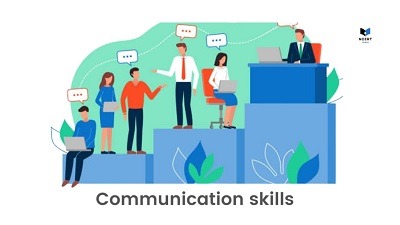
Communication skills innovation
Communication skills innovation refers to the development and implementation of new approaches, strategies, and technologies to enhance and improve communication skills in various contexts. Effective communication is a critical skill set across personal, professional, and social interactions, and innovation in this area can lead to improved understanding, collaboration, and engagement among individuals and groups. Here are some examples of communication skills innovation:
- Virtual Communication Tools: The advancement of virtual communication tools, such as video conferencing platforms, instant messaging apps, and collaboration software, has revolutionized the way people communicate remotely. These tools enable real-time communication, seamless file sharing, and interactive collaboration, enhancing productivity and connectivity across geographically dispersed teams.
- Multi modal Communication: Innovation in communication skills includes the integration of various communication channels and modes. This involves leveraging visual aids, audio recordings, video presentations, and interactive media to deliver messages effectively and engage different types of learners.
- Emotional Intelligence Training: Communication skills innovation involves incorporating emotional intelligence training into communication programs. This focuses on developing empathy, active listening, and effective expression of emotions, enabling individuals to understand and connect with others on a deeper level, leading to more meaningful and authentic interactions.
- Gam ification and Simulations: Gam ification and simulations are innovative approaches used to enhance communication skills. These techniques involve incorporating game-like elements and simulated scenarios to provide realistic practice environments for individuals to develop and refine their communication abilities. This can be particularly useful for public speaking, negotiation, and conflict resolution skills.
- Artificial Intelligence (AI) in Communication: AI technologies can play a role in communication skills innovation. Natural language processing and machine learning algorithms can be utilized to provide real-time feedback, language coaching, and personalized recommendations for improving communication effectiveness. AI-powered chat bots and virtual assistants can assist in language learning, speech practice, and language translation, further enhancing communication skills.
- Cultural Competence and Diversity Training: With globalization and increased multicultural interactions, innovation in communication skills includes training programs focused on cultural competence and diversity. These programs help individuals understand and appreciate cultural differences, effectively navigate cross-cultural communication challenges, and foster inclusive and respectful communication environments.
- Feedback and Assessment Tools: Innovative tools and platforms for feedback and assessment can provide individuals with objective insights into their communication strengths and areas for improvement. These tools may include self-assessment questionnaires, peer feedback mechanisms, and automated evaluation systems that analyze communication effectiveness based on factors like clarity, persuasion, and non-verbal cues.
- Augmented Reality (AR) and Virtual Reality (VR): AR and V R technologies have the potential to revolutionize communication skills training. They create immersive environments where individuals can practice and refine their communication abilities in simulated real-world scenarios. This can be particularly valuable for public speaking, interpersonal communication, and leadership development.
- Mobile Learning Applications: Mobile learning applications provide accessible and on-the-go resources for individuals to enhance their communication skills. These apps offer interactive lessons, exercises, and quizzes, allowing users to learn and practice communication skills at their own pace, anytime and anywhere.
- Continuous Learning Platforms: Innovative platforms that promote continuous learning and development of communication skills are emerging. These platforms provide online courses, webinars, podcasts, and interactive content that cover various aspects of communication, allowing individuals to continuously improve their skills and stay updated with the latest trends.
Innovation in communication skills is a dynamic and evolving field, driven by the ever-changing needs and preferences of individuals and organizations. It aims to optimize the effectiveness, efficiency, and impact of communication in diverse contexts and settings.
What is required Communication skills innovation
Required communication skills innovation involves several key elements and considerations to drive meaningful advancements in how individuals and organizations communicate. Here are some requirements for communication skills innovation:
- Understanding User Needs: To drive innovation in communication skills, it is essential to understand the specific needs, challenges, and goals of the target audience. This requires conducting user research, surveys, and interviews to gain insights into the areas where individuals struggle or desire improvement in their communication skills.
- Technological Infrastructure: Innovation in communication skills often involves leveraging technology. Therefore, a robust technological infrastructure is required to support innovative solutions. This includes reliable internet connectivity, communication platforms, hardware devices, software applications, and data security measures.
- Research and Development: Communication skills innovation requires ongoing research and development efforts. This involves staying updated with the latest trends, theories, and methodologies related to communication skills development. Research can help identify gaps in existing practices and inform the creation of new techniques, tools, and approaches.
- Collaboration and Partnerships: Collaboration and partnerships with relevant stakeholders are crucial for communication skills innovation. This can involve working with academic institutions, training organizations, technology providers, industry experts, and practitioners. Collaborative efforts can foster knowledge sharing, resource pooling, and the co-creation of innovative solutions.
- Integration of New Technologies: Embracing new technologies is a fundamental requirement for communication skills innovation. This includes exploring the use of artificial intelligence, virtual reality, augmented reality, natural language processing, and other emerging technologies to enhance communication training, feedback, and assessment.
- User-Cent ric Design: User-cen tric design principles are essential in communication skills innovation. Solutions should be designed with the end-users in mind, considering their preferences, capabilities, and learning styles. User testing, feedback loops, and iterative design processes should be employed to refine and optimize the innovations based on user input.
- Continuous Learning and Adaptation: Communication skills innovation should promote a culture of continuous learning and adaptation. It should encourage individuals and organizations to embrace lifelong learning, seek feedback, and continually improve their communication skills. This requires the development of platforms, resources, and programs that facilitate ongoing skill development and knowledge acquisition.
- Accessibility and Inclus ivity: Communication skills innovation should prioritize accessibility and inclus ivity. Solutions should be designed to accommodate diverse audiences, including individuals with different abilities, languages, and cultural backgrounds. This involves providing multilingual support, captioning, audio descriptions, and other accessibility features to ensure equal access to communication training and resources.
- Measurable Outcomes and Evaluation: Effective communication skills innovation requires the establishment of measurable outcomes and evaluation metrics. This allows for the assessment of the impact and effectiveness of innovative approaches. Collecting data, conducting surveys, and using assessment tools can help track progress, identify areas for improvement, and measure the success of communication skills initiatives.
- Change Management and Adoption Strategies: Successfully implementing communication skills innovation requires effective change management and adoption strategies. Organizations should develop plans to educate and engage stakeholders, provide training and support, and address any resistance or barriers to adoption. Change management should be an integral part of the innovation process to ensure successful implementation and sustainable outcomes.
By considering these requirements, communication skills innovation can address the evolving needs of individuals and organizations, facilitate effective communication practices, and contribute to personal and professional growth.
Who is required Communication skills innovation
Communication skills innovation involves the participation and collaboration of various stakeholders who contribute to the development and implementation of innovative practices. Here are some key stakeholders involved in communication skills innovation:
- Individuals and Learners: Individuals seeking to enhance their communication skills play a crucial role in driving communication skills innovation. Their feedback, needs, and active participation in training programs and learning initiatives help shape the direction of innovation efforts.
- Educators and Trainers: Educators and trainers are essential in designing and delivering communication skills training programs. They contribute their expertise in instructional design, curriculum development, and teaching methodologies to ensure effective and impact ful learning experiences.
- Researchers and Academics: Researchers and academics contribute to communication skills innovation through their studies, theories, and scholarly research. They explore new insights into effective communication strategies, pedagogical approaches, and emerging trends, informing the development of innovative practices.
- Industry Experts and Practitioners: Industry experts and practitioners who have extensive experience in specific domains or fields contribute valuable insights and practical knowledge to communication skills innovation. Their expertise helps align training programs with industry standards, best practices, and real-world communication challenges.
- Technology Providers: Technology providers play a crucial role in communication skills innovation by developing and offering innovative tools, platforms, and applications. They provide technologies such as virtual communication platforms, AI-driven coaching solutions, assessment tools, and mobile learning applications that facilitate the development and improvement of communication skills.
- Organizations and Employers: Organizations and employers have a vested interest in communication skills innovation as effective communication is essential for productivity, collaboration, and customer satisfaction. They contribute by supporting training initiatives, providing resources, and integrating innovative communication practices into their workflows.
- Professional Associations and Industry Bodies: Professional associations and industry bodies often play a role in driving communication skills innovation within specific industries or professions. They provide guidance, resources, and platforms for collaboration and knowledge sharing among professionals to advance communication skills in their respective fields.
- Government and Regulatory Bodies: Government and regulatory bodies may play a role in promoting communication skills innovation through policies, funding initiatives, and educational standards. They can support research, provide grants, and set guidelines that encourage the development and adoption of innovative communication practices.
- Training and Development Providers: Training and development providers, including training companies, online learning platforms, and educational institutions, contribute to communication skills innovation by developing and offering innovative training programs, workshops, and courses. They leverage new methodologies, technologies, and approaches to deliver effective communication skills training.
- End Users and Feedback Recipients: End users, such as clients, customers, and recipients of communication, play a vital role in driving communication skills innovation indirectly. Their feedback, responses, and expectations provide valuable insights into the effectiveness and impact of communication practices, influencing the ongoing improvement and innovation of communication skills.
The collaboration and engagement of these stakeholders are essential for the success of communication skills innovation, ensuring that it meets the needs of learners, aligns with industry standards, leverages cutting-edge technologies, and results in meaningful improvements in communication effectiveness.
When is required Communication skills innovation
Communication skills innovation is a continuous and ongoing process that is required in various contexts and situations. Here are some instances when communication skills innovation may be particularly necessary:
- Changing Workforce Dynamics: As the workforce evolves, with increased remote work, global teams, and diverse cultures, communication skills innovation becomes essential. New communication approaches and strategies are needed to effectively collaborate, engage, and connect across different time zones, languages, and cultural backgrounds.
- Technological Advancements: With the rapid advancement of technology, communication skills innovation is necessary to adapt to new communication tools, platforms, and channels. Innovations may include leveraging virtual communication platforms, mobile applications, artificial intelligence, and other emerging technologies to enhance communication effectiveness and efficiency.
- Crisis and Emergency Situations: During crises or emergency situations, effective communication is crucial. Communication skills innovation can help develop strategies for crisis communication, including clear and timely messaging, managing information flow, and addressing stakeholder concerns in high-pressure environments.
- Cross-Cultural Communication: In a globalized world, cross-cultural communication skills are essential. Communication skills innovation is required to foster understanding, respect, and effective communication across diverse cultural contexts. This includes developing cultural competence, intercultural communication strategies, and awareness of cultural nuances.
- Interpersonal and Relationship Building: Communication skills innovation is necessary for building and maintaining strong interpersonal relationships. Innovations in areas like active listening, empathy, conflict resolution, and rapport-building can enhance relationship-building skills and create a positive and productive communication environment.
- Virtual Communication and Remote Work: The rise of remote work and virtual communication calls for communication skills innovation. This includes adapting communication strategies for virtual meetings, effective written communication, managing virtual teams, and utilizing digital collaboration tools to foster engagement and productivity in remote settings.
- Leadership and Management: Effective leadership and management rely on strong communication skills. Innovations in this area may involve developing communication strategies for inspiring and motivating teams, providing constructive feedback, and navigating challenging conversations in leadership roles.
- Customer Communication and Engagement: In customer-cent ric industries, communication skills innovation is crucial for engaging and satisfying customers. Innovations may include personalized communication strategies, omni-channel customer support, and utilizing data-driven insights to enhance customer communication and relationship management.
- Education and Training: Communication skills innovation is necessary in educational and training settings. Innovations may involve incorporating interactive technologies, gam ification, simulations, and personalized learning approaches to enhance communication skills development and engagement among learners.
- Public Speaking and Presentations: Effective public speaking and presentations require continuous innovation. Techniques such as storytelling, visual aids, audience engagement, and incorporating multimedia elements can enhance the impact and effectiveness of public speaking skills.
It’s important to note that communication skills innovation is not limited to specific time frames but is an ongoing process driven by the evolving needs, challenges, and advancements in communication practices.
Where is required Communication skills innovation
Communication skills innovation is required in various contexts and settings where effective communication is crucial. Here are some examples of where communication skills innovation may be necessary:
- Workplace: Communication skills innovation is essential in the workplace to foster effective collaboration, teamwork, and productivity. It is required in areas such as project management, conflict resolution, negotiation, leadership, customer service, and internal and external communication.
- Education and Training: Communication skills innovation is necessary in educational institutions and training programs. It can enhance the teaching and learning experience, improve student engagement, and develop effective communication skills among students. It is relevant in K-12 education, higher education, vocational training, and professional development programs.
- Healthcare: Effective communication is critical in healthcare settings to ensure accurate and empathetic patient care. Communication skills innovation can improve doctor-patient communication, interdisciplinary teamwork, patient education, and health literacy initiatives.
- Sales and Marketing: In the sales and marketing industry, communication skills innovation is required to engage customers, convey compelling messages, and influence purchasing decisions. It involves innovative approaches to persuasive communication, customer relationship management, storytelling, and digital marketing strategies.
- Public Speaking and Presentations: Communication skills innovation is necessary in public speaking, presentations, and public relations. Innovations may include techniques for engaging audiences, using visual aids effectively, leveraging storytelling and persuasive techniques, and adapting to different presentation formats (e.g., virtual presentations).
- Cross-Cultural Communication: In multicultural and diverse environments, communication skills innovation is crucial to navigate cultural differences and enhance cross-cultural understanding. It is relevant in global businesses, international relations, diplomacy, and any setting involving interactions between individuals from different cultural backgrounds.
- Crisis Communication: During crises, effective communication is vital to manage and mitigate the impact. Communication skills innovation can involve crisis communication plans, strategies for delivering clear and timely information, addressing public concerns, and utilizing social media and other communication channels in crisis situations.
- Customer Service: Communication skills innovation is required in customer service to provide exceptional experiences and resolve customer issues effectively. Innovations may include and AI-driven customer support, personalized communication strategies, and proactive communication to enhance customer satisfaction.
- Social and Non-Profit Organizations: Communication skills innovation is relevant in social and non-profit organizations to effectively advocate for causes, engage stakeholders, and communicate impact. It involves innovative storytelling, community engagement strategies, and effective communication campaigns.
- Government and Public Sector: In government and public sector organizations, communication skills innovation is necessary for effective governance, public service delivery, and citizen engagement. Innovations may include transparent and accessible communication, public consultation processes, and leveraging technology for efficient government communication.
These are just a few examples of where communication skills innovation is required. In reality, effective communication is vital in almost every aspect of life, and innovation in this area can bring numerous benefits and improvements to various fields and sectors.
How is required Communication skills innovation
Required communication skills innovation involves several key approaches and considerations to drive meaningful advancements in how individuals and organizations communicate. Here are some ways in which communication skills innovation can be fostered:
- Research and Insights: Communication skills innovation begins with understanding the current landscape and identifying areas that can be improved. Conducting research, surveys, and interviews can provide valuable insights into the specific communication challenges, needs, and preferences of individuals and organizations.
- Adaptation to Technology: Communication skills innovation often involves adapting to new technologies and communication tools. This includes exploring and leveraging emerging technologies such as virtual communication platforms, collaboration tools, mobile apps, and AI-driven communication solutions to enhance communication effectiveness and efficiency.
- Customized and Personalized Approaches: Recognizing that individuals have unique communication styles and preferences, communication skills innovation involves offering customized and personalized approaches. This can include tailored training programs, feedback mechanisms, and communication tools that cater to individual strengths and areas for improvement.
- Experiential Learning: To foster communication skills innovation, a shift towards experiential learning is crucial. This involves providing opportunities for individuals to practice and apply their communication skills in real-world scenarios, simulations, role-playing, and interactive activities. Immersive experiences can help individuals develop confidence, adaptability, and effective communication strategies.
- Multi modal Communication: Communication skills innovation involves exploring various modes of communication beyond traditional verbal and written forms. This includes incorporating visual elements, nonverbal cues, storytelling, multimedia presentations, and other forms of communication that enhance engagement and understanding.
- Emotional Intelligence and Empathy: Communication skills innovation emphasizes the importance of emotional intelligence and empathy in effective communication. Innovations can involve integrating training modules or tools that help individuals develop self-awareness, emotional regulation, active listening, and empathy skills to foster meaningful connections and understanding.
- Continuous Feedback and Assessment: Communication skills innovation involves implementing continuous feedback and assessment mechanisms. This can include real-time feedback tools, self-assessment exercises, peer evaluations, and objective assessment measures to provide individuals with actionable insights and opportunities for improvement.
- Integration of Cultural Competence: Communication skills innovation recognizes the importance of cultural competence in diverse environments. This involves incorporating cultural sensitivity, awareness, and understanding into communication training. Innovative approaches can include cross-cultural communication modules, case studies, and interactive exercises to enhance communication across cultures.
- Gam ification and Gam ified Learning: To make communication skills training more engaging and enjoyable, communication skills innovation can incorporate gam ification elements. Gam ified learning platforms, quizzes, challenges, and rewards systems can increase motivation, participation, and knowledge retention in communication skills development programs.
- Collaboration and Community Engagement: Communication skills innovation thrives in a collaborative and community-driven environment. Creating spaces for sharing best practices, peer-to-peer learning, and networking can foster a culture of continuous improvement and knowledge exchange among individuals and organizations.
By embracing these approaches and considerations, communication skills innovation can transform the way individuals and organizations communicate, leading to more effective, inclusive, and impact ful interactions in various contexts.
Case study on Communication skills innovation
Case Study: Communication Skills Innovation in a Global Tech Company
Company Background: XY Z Tech is a multinational technology company with teams spread across different countries. The company recognizes the importance of effective communication skills in fostering collaboration, innovation, and productivity. To address communication challenges and drive innovation in this area, XY Z Tech embarked on a communication skills innovation initiative.
Objective: The objective of the communication skills innovation initiative was to enhance communication effectiveness, bridge cultural gaps, and foster a cohesive and inclusive communication culture within the organization.
Implementation:
- Research and Assessment: XY Z Tech conducted a comprehensive assessment to understand the communication challenges faced by its employees. This involved surveys, interviews, and focus groups to gather insights on common pain points, cultural differences, and preferred communication styles. The findings helped shape the innovation initiative’s direction.
- Customized Training Programs: Based on the research findings, XY Z Tech developed customized communication skills training programs. The programs focused on various areas, including cross-cultural communication, active listening, empathy, virtual communication, and effective feedback delivery. The training modules were designed to cater to different job roles and proficiency levels, ensuring relevance and engagement.
- Integration of Technology: To leverage technology for communication skills innovation, XY Z Tech adopted virtual communication platforms and collaboration tools. This facilitated seamless communication and collaboration among global teams, enabling real-time interactions, document sharing, and video conferencing. The company also explored AI-driven language translation tools to bridge language barriers and facilitate multilingual communication.
- Experiential Learning: XY Z Tech incorporated experiential learning methodologies to enhance communication skills. This involved simulations, role-playing exercises, and team-based projects that mirrored real-world communication scenarios. Participants had the opportunity to practice effective communication strategies, receive immediate feedback, and reflect on their experiences to improve their skills.
- Continuous Feedback and Assessment: To ensure ongoing improvement, XY Z Tech implemented a continuous feedback and assessment system. This involved regular feedback sessions, self-assessments, and 360-degree evaluations to provide individuals with specific areas for improvement. The company also encouraged employees to share best practices and success stories, creating a culture of continuous learning and improvement.
- Cultural Competence Development: Recognizing the importance of cultural competence in a global company, XY Z Tech integrated cultural competence development into its communication skills innovation initiative. Cultural awareness sessions, diversity training, and cultural immersion experiences were provided to help employees understand and appreciate different cultural norms, communication styles, and perspectives.
Results and Impact:
- Improved Collaboration: The communication skills innovation initiative led to improved collaboration among teams across different locations. Effective communication strategies, virtual collaboration tools, and enhanced cultural understanding helped bridge communication gaps, foster trust, and increase productivity.
- Enhanced Engagement: Employees reported higher engagement levels due to the interactive and personalized nature of the communication skills training programs. The use of technology, gam ification elements, and experiential learning approaches kept participants motivated and invested in their skill development.
- Cultural Sensitivity and Inclusion: The initiative fostered cultural sensitivity and inclus ivity within the organization. Employees developed a greater understanding and appreciation for diverse cultural backgrounds, leading to more respectful and effective communication across the company.
- Increased Customer Satisfaction: The improved communication skills of XY Z Tech employees positively impacted customer interactions. Clear and empathetic communication resulted in better customer service, increased customer satisfaction, and strengthened client relationships.
- Innovation and Idea Sharing: The communication skills innovation initiative encouraged employees to share ideas, feedback, and best practices openly. This facilitated innovation, creativity, and knowledge sharing, leading to improved problem-solving and idea t ion within the organization.
Conclusion:
Through its communication skills innovation initiative, XY Z Tech successfully addressed communication challenges, enhanced collaboration, and fostered a culture of effective communication. By customizing training programs, integrating technology, and emphasizing cultural competence, the company created a more inclusive and engaged workforce. The
White paper on Communication skills innovation
Title: Communication Skills Innovation: Redefining Effective Communication in the Digital Age
Abstract: This white paper explores the concept of communication skills innovation and its significance in the context of the digital age. With advancements in technology and evolving communication platforms, traditional communication skills need to be redefined and enhanced to meet the demands of today’s interconnected world. This paper examines the key elements of communication skills innovation, including the integration of technology, personalized approaches, experiential learning, and cultural competence. It presents a framework for implementing communication skills innovation initiatives and provides real-world examples to demonstrate the benefits and outcomes. By embracing communication skills innovation, individuals and organizations can foster more effective and engaging communication, leading to improved collaboration, productivity, and overall success.
Table of Contents:
- Introduction 1.1 The Changing Communication Landscape 1.2 The Need for Communication Skills Innovation
- Defining Communication Skills Innovation 2.1 Traditional Communication Skills vs. Innovative Communication Skills 2.2 Key Elements of Communication Skills Innovation
- Integrating Technology for Communication Skills Innovation 3.1 The Role of Technology in Communication 3.2 Leveraging Digital Platforms and Tools 3.3 Harnessing the Power of Artificial Intelligence
- Personalized Approaches to Communication Skills Innovation 4.1 Understanding Individual Communication Styles and Preferences 4.2 Tailoring Communication Training Programs 4.3 Customizing Feedback and Coaching
- Experiential Learning for Enhanced Communication Skills 5.1 Importance of Practical Application and Real-World Simulations 5.2 Role-Playing Exercises and Scenarios 5.3 Encouraging Continuous Practice and Feedback
- Developing Cultural Competence in Communication 6.1 Cultural Awareness and Sensitivity 6.2 Overcoming Language and Cultural Barriers 6.3 Promoting Inclus ivity and Diversity in Communication
- Implementing Communication Skills Innovation: Best Practices 7.1 Assessing Current Communication Skills and Needs 7.2 Designing and Delivering Effective Training Programs 7.3 Measuring the Impact and Success of Communication Skills Innovation
- Case Studies: Real-World Examples of Communication Skills Innovation 8.1 Case Study 1: Global Corporation – Fostering Effective Virtual Communication 8.2 Case Study 2: Educational Institution – Empowering Students with 21st-century Communication Skills 8.3 Case Study 3: Nonprofit Organization – Enhancing Stakeholder Engagement through Innovative Communication
- Benefits and Outcomes of Communication Skills Innovation 9.1 Improved Collaboration and Team Performance 9.2 Enhanced Employee Engagement and Satisfaction 9.3 Increased Customer Satisfaction and Loyalty 9.4 Strengthened Interpersonal Relationships
- Conclusion 10.1 Embracing Communication Skills Innovation in the Digital Age 10.2 Key Considerations and Recommendations for Implementation
References
This white paper provides valuable insights into the realm of communication skills innovation and offers practical guidance for individuals, educators, and organizations aiming to enhance their communication effectiveness. By embracing innovative approaches to communication skills development, individuals can navigate the complexities of the digital age and foster meaningful connections in both personal and professional contexts. Communication skills innovation is a powerful catalyst for success in today’s interconnected world, and this paper aims to inspire and guide readers in their journey towards more effective and engaging communication.