
Concept of Data Processing

Concept of Data Processing

Concept of Data Processing:

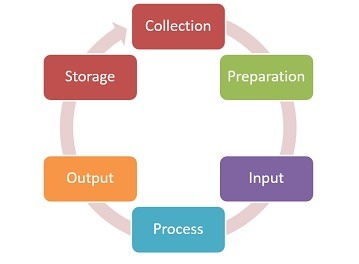
Data processing is a systematic and ordered transformation of raw data into meaningful information through a series of operations. This transformation is achieved using various methods, tools, and techniques to organize, analyze, and interpret data. The concept of data processing involves several key components:

  1. Input:
    • Definition: Input refers to the raw data or information that is collected or received and needs to be processed.
    • Source: Data can be sourced from various channels such as manual entry, sensors, forms, surveys, databases, or external systems.
  2. Processing:
    • Definition: Processing involves the manipulation and transformation of raw data into a more meaningful form.
    • Operations: Processing operations include sorting, filtering, calculating, summarizing, and validating data. These operations are performed through algorithms and software applications.
  3. Storage:
    • Definition: Storage is the retention of processed data for future reference or analysis.
    • Media: Processed data is stored in databases, data warehouses, or other storage media such as hard drives, cloud storage, or archival systems.
  4. Output:
    • Definition: Output is the result of processed data, presented in a format that is understandable and usable.
    • Formats: Outputs can take various forms, including reports, charts, graphs, visualizations, or alerts, depending on the intended audience and purpose.
  5. Feedback:
    • Definition: Feedback involves the return of processed information to the system for further analysis or improvement.
    • Continuous Improvement: By analyzing outputs and user feedback, the data processing system can be refined and optimized for better performance.

Modes of Data Processing:

  1. Batch Processing:
    • Definition: Data is collected, processed, and outputted in groups or batches.
    • Characteristics: Suitable for non-time-sensitive tasks, performed at scheduled intervals.
  2. Real-time Processing:
    • Definition: Data is processed immediately as it is received.
    • Characteristics: Ideal for time-sensitive applications, such as online transactions or monitoring systems.
  3. Online Processing:
    • Definition: Data is processed interactively in real-time with user input.
    • Characteristics: Common in systems where immediate responses are required, such as online banking or reservation systems.

Stages of Data Processing:

  1. Data Collection:
    • Gathering raw data from various sources, which can include manual entry, sensors, databases, or external systems.
  2. Data Cleaning:
    • Identifying and correcting errors or inconsistencies in the raw data to ensure accuracy and reliability.
  3. Data Transformation:
    • Converting raw data into a suitable format for analysis. This may involve sorting, filtering, and aggregating data.
  4. Data Analysis:
    • Examining processed data to discover patterns, trends, and insights. This stage often involves statistical analysis and visualization.
  5. Data Presentation:
    • Communicating the results of data analysis through reports, charts, dashboards, or other formats.
  6. Data Storage:
    • Archiving processed data for future reference or analysis. This stage involves choosing appropriate storage solutions and ensuring data security.

Importance of Data Processing:

  1. Informed Decision-Making:
    • Effective data processing enables organizations and individuals to make informed decisions based on accurate and relevant information.
  2. Efficiency and Productivity:
    • Automation of data processing tasks enhances efficiency and productivity, allowing for quicker and more reliable results.
  3. Business Intelligence:
    • Data processing forms the foundation of business intelligence, providing insights into market trends, customer behavior, and operational efficiency.
  4. Scientific Research:
    • In scientific research, data processing is essential for analyzing experimental results, validating hypotheses, and drawing meaningful conclusions.
  5. Improved Accuracy:
    • Data processing minimizes errors and inconsistencies, ensuring the accuracy and reliability of processed information.

In summary, the concept of data processing is integral to converting raw data into actionable insights, driving informed decision-making and facilitating various applications across diverse fields.

What is required Concept of Data Processing

The concept of data processing is fundamental in various fields and industries, as it involves the systematic transformation of raw data into meaningful information. Here’s what is required to understand the concept of data processing:

  1. Understanding of Raw Data:
    • Recognize that data processing begins with raw data, which can come from diverse sources such as sensors, surveys, databases, or manual entry.
  2. Awareness of Data Processing Operations:
    • Understand the basic operations involved in data processing, including sorting, filtering, calculating, summarizing, and validating data. These operations are performed using algorithms and software applications.
  3. Appreciation of Input, Processing, Output, and Feedback Cycle:
    • Acknowledge the four essential stages in the data processing cycle: input, processing, output, and feedback. This cycle represents the flow of data through the system.
  4. Recognition of Data Storage Importance:
    • Understand the significance of data storage, where processed data is stored for future reference or analysis. This involves choosing appropriate storage solutions and ensuring data security.
  5. Understanding Different Modes of Data Processing:
    • Recognize the various modes of data processing, such as batch processing, real-time processing, and online processing. Understand the characteristics and applications of each mode.
  6. Awareness of Stages of Data Processing:
    • Be familiar with the stages of data processing, including data collection, cleaning, transformation, analysis, presentation, and storage. Recognize the importance of each stage in producing reliable and actionable results.
  7. Knowledge of Data Processing in Different Contexts:
    • Understand how data processing is applied in different contexts, such as business, scientific research, healthcare, finance, and more. Recognize the specific requirements and challenges in each domain.
  8. Understanding of Data Cleaning and Quality Assurance:
    • Acknowledge the importance of data cleaning and quality assurance to ensure the accuracy and reliability of processed information. Recognize common issues in raw data and methods to address them.
  9. Awareness of Data Security and Privacy:
    • Understand the importance of data security and privacy in the context of data processing. Recognize the need to implement measures to protect sensitive information from unauthorized access and breaches.
  10. Appreciation of Real-world Applications:
    • Explore real-world applications of data processing in everyday life, business operations, scientific research, and decision-making processes. Recognize how data processing contributes to efficiency, productivity, and informed decision-making.
  11. Understanding of Business Intelligence and Analytics:
    • Acknowledge the role of data processing in business intelligence and analytics. Understand how processed data is used to derive insights, identify trends, and support strategic decision-making.

In summary, a comprehensive understanding of the concept of data processing requires knowledge of its fundamental principles, stages, modes, and applications across different domains. This understanding is crucial for individuals and organizations seeking to leverage data for informed decision-making and improved efficiency.

Who is required Concept of Data Processing

The understanding of the concept of data processing is crucial for a wide range of individuals and professionals across various fields. Here are some groups of people who are required to have a grasp of the concept of data processing:

  1. Data Analysts and Scientists:
    • Professionals responsible for analyzing and interpreting data to extract meaningful insights. They use data processing techniques to clean, transform, and analyze raw data for decision-making.
  2. Information Technology (IT) Professionals:
    • IT specialists, including software developers, system administrators, and database administrators, need a solid understanding of data processing concepts to design, implement, and maintain systems that handle and process data efficiently.
  3. Business Professionals:
    • Individuals in business roles, such as managers, executives, and strategists, benefit from understanding data processing to make informed decisions based on accurate and timely information.
  4. Researchers and Scientists:
    • Researchers in various scientific disciplines rely on data processing to analyze experimental results, conduct statistical analyses, and draw meaningful conclusions.
  5. Educators and Students:
    • Teachers and students in fields related to computer science, data science, business, and research need to comprehend data processing concepts as part of their academic curriculum and future professional roles.
  6. Healthcare Professionals:
    • In healthcare, clinicians, researchers, and administrators use data processing to manage patient records, conduct research studies, and improve healthcare outcomes through data-driven decision-making.
  7. Finance and Accounting Professionals:
    • Finance and accounting professionals utilize data processing to handle financial transactions, analyze economic trends, and generate financial reports for decision-making.
  8. Government and Policy Analysts:
    • Professionals working in government and policy analysis use data processing to analyze socioeconomic data, assess policy impacts, and make evidence-based recommendations.
  9. Marketing and Sales Professionals:
    • Marketing and sales teams leverage data processing to analyze customer behavior, track sales trends, and create targeted marketing strategies to enhance business performance.
  10. Human Resources (HR) Professionals:
    • HR professionals use data processing to manage employee records, analyze workforce trends, and make informed decisions related to personnel management.
  11. Entrepreneurs and Small Business Owners:
    • Individuals running their businesses need to understand data processing to manage customer data, track sales, and optimize business operations.
  12. Consumers and General Public:
    • Everyday individuals benefit from understanding data processing concepts, especially in terms of privacy and security, as it empowers them to make informed decisions about how their personal data is handled.

In essence, the concept of data processing is applicable across a broad spectrum of professions and industries, reflecting its importance in today’s data-driven world. It empowers individuals to leverage data for informed decision-making, efficiency, and innovation in various aspects of their personal and professional lives.

When is required Concept of Data Processing

The understanding of the concept of data processing is required in various situations and for individuals in diverse roles. Here are specific scenarios and contexts in which a grasp of data processing concepts is necessary:

  1. Business Decision-Making:
    • When: Business professionals, managers, and executives require data processing knowledge to make informed decisions based on data analysis, market trends, and performance metrics.
  2. Data Analysis and Research:
    • When: Researchers, scientists, and analysts need data processing skills to analyze experimental results, conduct surveys, and draw meaningful conclusions in fields such as scientific research, social sciences, and market research.
  3. Information Technology (IT) and Software Development:
    • When: IT professionals and software developers need a strong understanding of data processing for designing, implementing, and maintaining systems that handle and process data efficiently.
  4. Healthcare Management:
    • When: Healthcare professionals and administrators rely on data processing to manage patient records, analyze healthcare outcomes, and improve decision-making in medical settings.
  5. Financial Management:
    • When: Finance and accounting professionals use data processing for financial transactions, analysis of economic trends, and generating reports for budgeting and financial planning.
  6. Marketing and Sales Strategies:
    • When: Marketing and sales professionals require data processing skills to analyze customer behavior, track sales trends, and implement effective marketing strategies.
  7. Government and Policy Decision-Making:
    • When: Government officials, policymakers, and analysts use data processing to assess policy impacts, analyze socioeconomic data, and make evidence-based decisions.
  8. Human Resources (HR) Management:
    • When: HR professionals utilize data processing for managing employee records, analyzing workforce trends, and making informed decisions related to personnel management.
  9. Educational Institutions:
    • When: Educators and students in fields related to computer science, data science, and business need to understand data processing concepts as part of their academic curriculum and future professional roles.
  10. Entrepreneurship and Small Business Ownership:
    • When: Entrepreneurs and small business owners leverage data processing for managing customer data, tracking sales, and optimizing business operations.
  11. Personal Data Management:
    • When: Everyday individuals benefit from understanding data processing concepts, especially in terms of privacy and security, to make informed decisions about how their personal data is handled online and offline.
  12. Technological Innovation:
    • When: Individuals involved in technology-driven innovation, startups, and research and development need data processing knowledge to create innovative solutions and products.

In summary, the concept of data processing is required across various professional and personal contexts. It is essential for making informed decisions, improving efficiency, and leveraging the power of data in today’s data-driven world.

Where is required Concept of Data Processing

The concept of data processing is required in numerous contexts across various industries and sectors due to the pervasive use of data in today’s world. Here are some specific situations and areas where a solid understanding of data processing is necessary:

  1. Business and Corporate Environments:
    • Use Case: Business professionals, executives, and decision-makers require data processing concepts to analyze market trends, track key performance indicators (KPIs), and make informed business decisions.
  2. Information Technology (IT) and Software Development:
    • Use Case: IT specialists, software developers, and system administrators need data processing knowledge to design and implement systems, manage databases, and ensure the efficient flow of information within organizations.
  3. Healthcare Management and Research:
    • Use Case: Healthcare professionals use data processing for managing electronic health records, analyzing patient outcomes, and conducting medical research to improve healthcare practices.
  4. Financial Services:
    • Use Case: Finance and banking professionals rely on data processing for managing financial transactions, analyzing market trends, and making investment decisions.
  5. Marketing and Advertising:
    • Use Case: Marketing and advertising professionals use data processing for customer segmentation, campaign analysis, and personalized targeting to optimize marketing strategies.
  6. Government and Public Policy:
    • Use Case: Government agencies and policymakers use data processing to analyze demographic data, assess policy impacts, and make evidence-based decisions for public welfare.
  7. Education and Academia:
    • Use Case: Educators, researchers, and students leverage data processing for educational research, student performance analysis, and administrative tasks within educational institutions.
  8. Human Resources Management:
    • Use Case: HR professionals use data processing for personnel management, workforce planning, and employee performance analysis.
  9. E-commerce and Retail:
    • Use Case: E-commerce businesses rely on data processing for managing product catalogs, analyzing customer behavior, and optimizing supply chain logistics.
  10. Manufacturing and Supply Chain Management:
    • Use Case: Manufacturing industries use data processing for inventory management, production planning, and quality control to streamline operations.
  11. Technology and Innovation:
    • Use Case: Innovators, researchers, and developers in technology-driven fields leverage data processing for creating new technologies, developing algorithms, and conducting research.
  12. Personal and Social Media:
    • Use Case: Individuals use data processing concepts when managing personal information online, understanding privacy settings, and interacting on social media platforms.
  13. Telecommunications:
    • Use Case: Telecommunication companies use data processing for managing call records, optimizing network performance, and analyzing customer usage patterns.
  14. Energy and Utilities:
    • Use Case: Companies in the energy sector use data processing for monitoring energy consumption, optimizing resource allocation, and managing infrastructure.
  15. Transportation and Logistics:
    • Use Case: In transportation and logistics, data processing is crucial for route optimization, vehicle tracking, and supply chain management.

In summary, the concept of data processing is required in a wide array of industries and sectors where data plays a pivotal role in decision-making, optimization, and innovation. Understanding data processing is essential for professionals and individuals to navigate and thrive in today’s data-driven landscape.


How is required Concept of Data Processing

The concept of data processing is required in various situations and professions due to the pervasive role of data in today’s world. Here’s how the understanding of data processing is necessary in different contexts:

  1. Business Decision-Making:
    • How: Business leaders and decision-makers need data processing to analyze market trends, customer behavior, and financial metrics. It informs strategic decisions, enhances competitiveness, and improves overall business performance.
  2. Information Technology (IT) and Software Development:
    • How: IT professionals and software developers require data processing knowledge to design and implement systems, create efficient databases, and ensure the seamless flow of information within applications.
  3. Healthcare Management and Research:
    • How: Healthcare professionals use data processing for managing patient records, analyzing medical research data, and improving patient care through evidence-based practices.
  4. Financial Services:
    • How: Professionals in finance rely on data processing for tasks such as financial modeling, risk analysis, and fraud detection. It supports accurate and timely decision-making in the financial sector.
  5. Marketing and Advertising:
    • How: Marketing professionals use data processing to analyze consumer behavior, measure campaign effectiveness, and personalize marketing strategies, leading to more targeted and successful campaigns.
  6. Government and Public Policy:
    • How: Government agencies use data processing to analyze demographic information, assess policy outcomes, and make data-driven decisions that impact public welfare.
  7. Education and Academia:
    • How: Educators and researchers use data processing for educational research, student performance analysis, and administrative tasks, contributing to improved teaching methodologies and educational outcomes.
  8. Human Resources Management:
    • How: HR professionals leverage data processing for recruitment, performance analysis, and workforce planning. It helps in making informed decisions about personnel management.
  9. E-commerce and Retail:
    • How: E-commerce businesses utilize data processing to manage inventory, analyze customer preferences, and optimize supply chain logistics, improving overall operational efficiency.
  10. Manufacturing and Supply Chain Management:
    • How: Manufacturing industries use data processing for inventory control, production planning, and quality assurance, resulting in streamlined manufacturing processes.
  11. Technology and Innovation:
    • How: Innovators and researchers in technology-driven fields use data processing for developing algorithms, creating new technologies, and conducting research that drives technological innovation.
  12. Personal and Social Media:
    • How: Individuals require data processing knowledge to manage their personal information online, understand privacy settings, and interact on social media platforms in a secure manner.
  13. Telecommunications:
    • How: Telecommunication companies use data processing for managing network performance, analyzing call data records, and improving service quality for their customers.
  14. Energy and Utilities:
    • How: Companies in the energy sector utilize data processing for monitoring energy consumption, optimizing resource allocation, and managing infrastructure efficiently.
  15. Transportation and Logistics:
    • How: In transportation and logistics, data processing is crucial for route optimization, vehicle tracking, and supply chain management, leading to more efficient and reliable transportation services.

In essence, the concept of data processing is required wherever data is generated, analyzed, and used to inform decisions, improve processes, and drive innovation. It is a foundational skill for professionals in diverse fields and plays a central role in the functioning of modern societies and businesses.

Case Study on Concept of Data Processing

Title: Optimizing Supply Chain Efficiency through Data Processing

Introduction: In the competitive landscape of the retail industry, efficient supply chain management is crucial for meeting customer demands and maintaining profitability. This case study explores how a leading retail company, GlobalMart, leveraged the concept of data processing to optimize its supply chain operations and enhance overall efficiency.

Challenge: GlobalMart faced challenges in its supply chain, including excess inventory, delays in order fulfillment, and suboptimal distribution routes. The lack of real-time insights and data-driven decision-making hindered the company’s ability to respond swiftly to changing market conditions and customer expectations.

Objective: The primary objective was to implement data processing techniques to streamline the supply chain, reduce costs, and improve overall operational efficiency.

Implementation:

  1. Data Collection:
    • GlobalMart implemented sensors and IoT devices across its supply chain network to collect real-time data on inventory levels, transportation conditions, and order processing.
  2. Data Cleaning and Validation:
    • A robust data cleaning process was established to ensure the accuracy and reliability of incoming data. Validation algorithms were applied to identify and rectify inconsistencies in inventory counts and order statuses.
  3. Data Integration:
    • Various data sources, including point-of-sale systems, warehouse management systems, and transportation databases, were integrated into a centralized platform. This integration facilitated a holistic view of the entire supply chain.
  4. Real-time Data Processing:
    • Advanced analytics tools were employed for real-time data processing. This included predictive analytics to forecast demand, identify potential bottlenecks, and optimize inventory levels dynamically.
  5. Route Optimization:
    • Data processing algorithms were applied to optimize delivery routes, considering factors such as traffic conditions, delivery windows, and fuel efficiency. This led to more efficient transportation and reduced delivery lead times.
  6. Inventory Management:
    • Automated inventory management systems were implemented, utilizing data processing to trigger reorder points, prevent overstocking, and optimize stock levels based on historical sales data and demand patterns.
  7. Supplier Collaboration:
    • Data processing facilitated better collaboration with suppliers through shared platforms. This allowed for real-time visibility into supplier inventory, lead times, and production schedules, reducing the risk of stockouts or delays.
  8. Data Visualization and Reporting:
    • Dashboards and reports were developed to visualize key supply chain metrics. This empowered decision-makers to monitor performance, identify trends, and make informed decisions based on the processed data.

Results:

  1. Cost Reduction:
    • By optimizing routes, managing inventory efficiently, and reducing stockouts, GlobalMart achieved a significant reduction in logistics and holding costs.
  2. Improved Customer Satisfaction:
    • Faster order fulfillment and reduced delivery times led to improved customer satisfaction. Real-time data processing allowed the company to respond promptly to customer demands and preferences.
  3. Enhanced Operational Efficiency:
    • The streamlined supply chain processes, driven by data processing, resulted in enhanced operational efficiency. Processes were automated, reducing manual errors and improving overall productivity.
  4. Data-Driven Decision-Making:
    • The implementation of data processing empowered decision-makers with timely and accurate information. This shift to data-driven decision-making contributed to more strategic and informed choices across the supply chain.
  5. Adaptability to Market Changes:
    • The real-time nature of data processing allowed GlobalMart to adapt swiftly to market changes, seasonal variations, and unforeseen disruptions. The company became more agile and responsive.

Conclusion: By embracing the concept of data processing, GlobalMart transformed its supply chain operations, achieving cost savings, improving customer satisfaction, and enhancing overall efficiency. This case study illustrates the transformative power of data processing in addressing complex challenges and driving positive outcomes in a dynamic business environment.

White Paper on Concept of Data Processing

Title: Navigating the Data Landscape: A White Paper on the Concept of Data Processing

Abstract:

This white paper provides a comprehensive exploration of the concept of data processing, examining its fundamental principles, applications across industries, and the transformative impact it has on decision-making, efficiency, and innovation. As organizations and individuals navigate the data landscape, understanding the nuances of data processing becomes paramount for harnessing the full potential of data-driven insights.

1. Introduction:

In an era defined by the proliferation of data, the concept of data processing serves as the linchpin connecting raw information to actionable insights. This section introduces the fundamental elements of data processing and its role in shaping the modern digital landscape.

2. The Essence of Data Processing:

Delving into the core of data processing, this section elucidates the systematic transformation of raw data into meaningful information. It outlines the stages of data processing, including data collection, cleaning, transformation, analysis, presentation, and storage.

3. Modes and Stages of Data Processing:

Examining the various modes of data processing—batch processing, real-time processing, and online processing—this section illustrates how different modes cater to diverse requirements. It further details the stages of data processing, elucidating their significance in extracting valuable insights.

4. Applications Across Industries:

Highlighting the versatility of data processing, this section explores its applications in key industries. Case studies showcase how organizations leverage data processing to optimize supply chains, enhance healthcare outcomes, inform policy decisions, and drive innovation.

5. Data Processing and Technology:

Analyzing the intersection of data processing and technology, this section delves into the pivotal role played by IT professionals and software developers. It explores the advancements in technology that have propelled data processing capabilities, from traditional database systems to advanced analytics and machine learning.

6. The Importance of Data Quality:

Recognizing the critical importance of data quality, this section addresses the challenges of data cleaning and validation. It emphasizes the significance of accurate, reliable data in ensuring the effectiveness of data processing initiatives.

7. Data Security and Privacy:

In an age where data breaches and privacy concerns loom large, this section examines the imperative of data security and privacy in the context of data processing. It outlines best practices for safeguarding sensitive information and maintaining the trust of stakeholders.

8. Future Trends and Challenges:

Anticipating the future trajectory of data processing, this section explores emerging trends, including edge computing, decentralized processing, and the ethical considerations associated with artificial intelligence. It also addresses potential challenges and considerations for responsible data processing.

9. Conclusion:

This concluding section summarizes the key takeaways from the white paper and emphasizes the pivotal role of data processing in driving informed decision-making, operational efficiency, and transformative innovation. It underscores the continuous evolution of data processing in shaping the digital future.

10. References:

Citing relevant literature, case studies, and industry reports, this section provides a comprehensive list of references for further exploration of the concepts discussed in the white paper.

In essence, this white paper serves as a comprehensive guide to the concept of data processing, offering insights, case studies, and perspectives to empower individuals and organizations in navigating the intricate landscape of data-driven decision-making.